Imagine waking up and feeling overwhelmed by stress, anxiety, or depression. You’re not alone, and it’s crucial to know that support is available.
When it comes to taking care of your mental health, you might wonder how you can use the Family and Medical Leave Act (FMLA) to get the help you need. You deserve to understand your rights and explore whether FMLA can support your mental well-being.
By the end of this article, you’ll have a clear picture of how FMLA can be a vital resource for managing mental health challenges. Dive in to discover how this federal law might be the key to reclaiming your peace of mind.
Fmla Basics
The Family and Medical Leave Act (FMLA) offers support for workers. It allows eligible employees to take unpaid, job-protected leave. This can be for specific family and medical reasons. It includes mental health issues. Understanding the basics of FMLA is essential. Especially if mental health concerns are involved.
Eligibility Criteria
To qualify for FMLA, certain criteria must be met. The employee should have worked for the employer for at least 12 months. They must have completed at least 1,250 hours of work during the past year. The employer must have at least 50 employees within a 75-mile radius. These conditions ensure that both the employer and the employee are fairly covered.
Qualifying Conditions
FMLA covers a range of conditions. This includes serious health issues affecting the employee’s ability to work. Mental health disorders like depression and anxiety may qualify. The condition must require ongoing treatment or inpatient care. It should significantly impact daily life activities. This ensures that the leave is justified and necessary for recovery.
Mental Health And Fmla
Balancing mental health and work can be challenging. Recognizing this, the Family and Medical Leave Act (FMLA) provides support. But how exactly does FMLA cover mental health?
Imagine you’re overwhelmed at work, feeling anxious every day. It’s hard to keep up with tasks, affecting your performance. You might wonder, can FMLA help you during this time?
Let’s dive into how FMLA can be a lifeline for those struggling with mental health issues.
Coverage For Mental Health
FMLA isn’t just for physical health. It covers serious mental health conditions too. This includes situations where your mental health makes it hard to work effectively.
Employers must recognize mental health as a valid reason for leave under FMLA. This means if you’re facing severe anxiety, depression, or another condition, you have rights.
Imagine having a panic attack at work. FMLA offers a chance to step back, seek treatment, and return when ready. It’s a safety net during tough times.
Common Mental Health Conditions
Several mental health conditions qualify for FMLA leave. Anxiety disorders, depression, and PTSD are among the most common.
Think about a colleague who suddenly becomes withdrawn and struggles to focus. They might be dealing with depression, affecting their work.
In such cases, FMLA can provide the necessary time off to manage symptoms and recover. It’s crucial to recognize these conditions as serious health issues.
Have you ever felt your mental health impacting your work? Consider whether FMLA could offer support during those times.
Understanding FMLA’s role in mental health is vital. It empowers you to prioritize your wellbeing without fear of losing your job. Are you ready to explore how this support can make a difference in your life?
Applying For Fmla For Mental Health
Applying for FMLA for mental health can be a crucial step. It ensures that you can take time off work to address mental health needs. Understanding the application process is important. This section provides guidance on how to apply for FMLA for mental health. It covers necessary documentation and application steps.
Documentation Requirements
Documentation is important for FMLA approval. You need a medical certification from a healthcare provider. This document should state your mental health condition. It must explain why you need leave. The doctor must specify the duration of the required leave. Keep this document updated and accurate.
Process Of Application
Start by notifying your employer. Let them know about your need for FMLA leave. Complete the necessary application forms provided by your employer. Submit your medical certification along with these forms. Ensure all information is clear and complete. Follow up with your employer on the status of your application. They will inform you once the leave is approved.
Employer Responsibilities
Employers play a crucial role in supporting employees under the FMLA for mental health. They must navigate various responsibilities to ensure compliance and employee well-being. This involves safeguarding privacy, being accommodating, and maintaining a supportive work environment.
Maintaining Confidentiality
Protecting employee privacy is essential. Employers must keep mental health information confidential. This means storing any documentation securely and limiting access. Only authorized personnel should view sensitive information. Breaches of confidentiality can lead to trust issues and legal problems.
Employers should also train staff on privacy policies. This ensures everyone understands the importance of discretion. Employees need assurance that their personal details are safe.
Accommodating Employee Needs
Employers must be flexible with employee needs. This might include adjusting workloads or schedules. Providing reasonable accommodations can support mental health recovery. It’s vital to communicate openly with the employee.
Understanding individual circumstances helps in offering the right support. Employers can also consider remote work options. This can reduce stress and improve comfort for some employees.
Regular check-ins can offer additional support. This shows care and helps monitor progress. Creating a supportive atmosphere benefits both the employee and the organization.
Employee Rights
FMLA covers mental health issues, allowing employees to take leave for conditions like anxiety or depression. This protection ensures job security while focusing on recovery. Understanding your rights can help in managing mental health effectively.
Understanding your rights as an employee under the Family and Medical Leave Act (FMLA) is crucial, especially when it comes to mental health. Many employees are unaware that FMLA can be used to address mental health challenges. Knowing your rights not only empowers you but also ensures that you can take necessary steps without fear of losing your job or benefits. Let’s delve into the specifics of how FMLA protects you as an employee seeking leave for mental health reasons.Job Protection
One of the primary benefits of FMLA is job protection. This means that if you take leave for a serious health condition, including mental health issues, your job is safeguarded. Imagine being able to focus on recovery without the constant worry of job insecurity. This protection ensures you can return to the same or an equivalent position. Have you ever felt the pressure of balancing work and mental health? FMLA can alleviate that tension by keeping your role secure.Health Benefits Continuation
Another significant right under FMLA is the continuation of health benefits. Even while on leave, your employer must maintain your group health insurance coverage. This is often a lifeline for many, as mental health treatment can be costly without insurance. Are you concerned about affording therapy or medications during your leave? FMLA ensures that your health benefits remain intact, allowing you to access necessary treatment. These protections are vital for anyone considering taking leave for mental health reasons. Your rights under FMLA are designed to support your well-being without compromising your career. Have you taken FMLA for mental health? Share your story in the comments and help others understand their rights.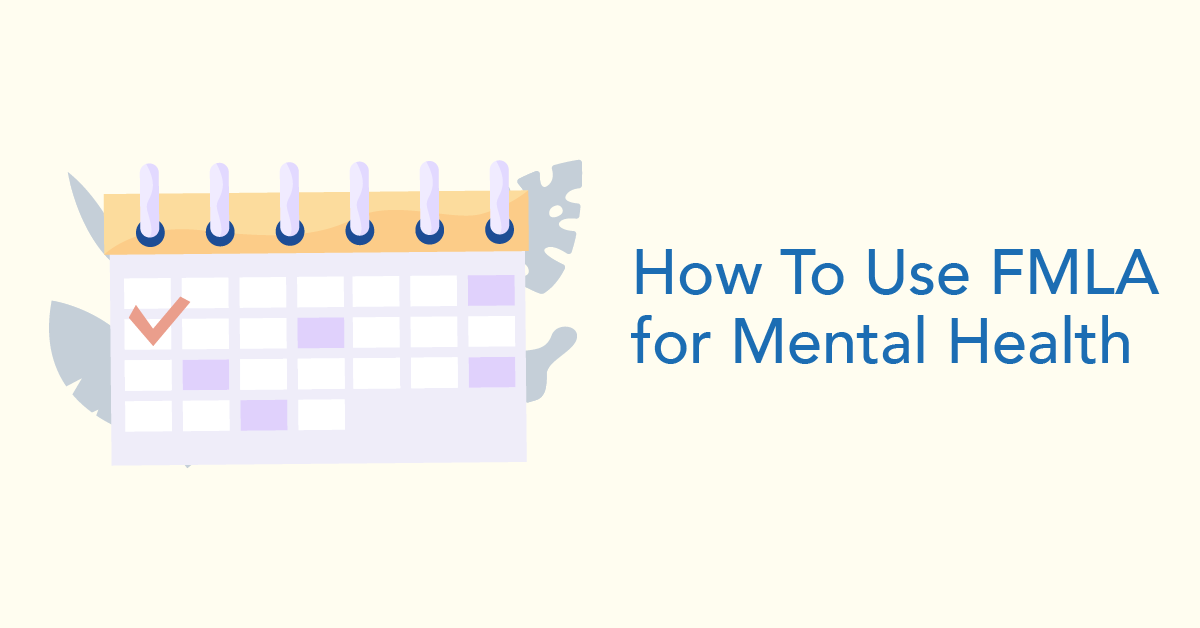
Credit: mentalhealthhotline.org
Challenges And Considerations
Using the Family and Medical Leave Act (FMLA) for mental health needs careful thought. Mental health issues are often misunderstood. This can lead to challenges at work. Employees must consider several factors. These include stigma, work balance, and their own well-being.
Stigma Around Mental Health
Many fear being judged for mental health issues. This fear can stop them from seeking help. Stigma can make employees hesitant to use FMLA. They worry about how colleagues will react. Employers must create a supportive environment. This can reduce fear and encourage openness about mental health.
Balancing Work And Health Needs
Finding the right balance between work and health is essential. Employees may struggle with taking leave. They worry about falling behind. Or they fear the loss of job security. Planning and open communication with employers can help. Understanding one’s rights under FMLA is crucial. It ensures both work and health needs are met.
Resources And Support
FMLA can support mental health needs, allowing time off for treatment. Employees can use this leave for therapy or counseling. Employers must ensure understanding and compliance with the law.
Navigating the complexities of the Family and Medical Leave Act (FMLA) for mental health can be challenging. It’s crucial to know where to turn for resources and support. Understanding your rights and accessing available resources can empower you to make informed decisions about your mental health leave.Seeking Legal Advice
Consulting a legal professional can be invaluable. They can help clarify your rights under FMLA and guide you through the application process. Imagine how reassuring it would be to have expert advice on your side, ensuring that your mental health needs are met without risking your job. Legal experts can also help address any disputes with your employer. They can provide insights into how to handle situations where your FMLA request is denied or mismanaged. Consider reaching out to a local attorney who specializes in employment law for a consultation.Mental Health Resources
There are numerous mental health resources available to support you during your leave. Start by speaking with a mental health professional who can assess your situation and recommend appropriate treatment. This could be a therapist, psychiatrist, or a counselor. Online platforms like BetterHelp or Talkspace offer remote therapy options, making it easier to get the support you need from the comfort of your home. These services can connect you with licensed professionals who can help you manage your mental health effectively. Employee Assistance Programs (EAPs) can also be a valuable resource. Many companies offer EAPs that provide free counseling sessions and support for employees dealing with personal issues. Check if your employer offers this service and take advantage of it. Are you taking full advantage of the resources available to you? Remember, taking care of your mental health is a priority, and seeking the right support can make all the difference.
Credit: www.marshallforman.com

Credit: societyinsurance.com
Frequently Asked Questions
What Is An Example Of Fmla For Anxiety?
Anxiety can qualify for FMLA leave if it significantly impairs daily activities. Consult a healthcare provider for documentation and approval. Employers must follow FMLA guidelines for eligible employees seeking leave for anxiety-related conditions.
How To Get Fmla Approved For Anxiety?
To get FMLA approved for anxiety, consult your healthcare provider for documentation. Submit the required forms to your employer, detailing your condition. Ensure you meet FMLA eligibility criteria, including working for a covered employer and having worked 1,250 hours in the past year.
Follow your employer’s process for approval.
How To Tell Your Boss You Need Fmla For Mental Health?
Schedule a private meeting with your boss. Clearly explain your need for FMLA for mental health. Provide necessary documentation and ensure you’re following company procedures. Express your commitment to your work and discuss your anticipated return.
What Excuses Can You Use Fmla For?
Use FMLA for personal health issues, caring for a newborn, or family health problems. It covers serious conditions, military family leave, and adoption. Eligibility requires working for a covered employer and meeting specific criteria. It ensures job protection and continued health insurance during leave.
Conclusion
Understanding FMLA for mental health is crucial. It offers needed support. Employees can take leave without fear. Mental health is as important as physical health. Recognizing this helps reduce stigma. Employers and employees benefit from awareness. Clear communication is key.
Ensure policies are followed correctly. Seek help when needed. Protect your mental well-being. FMLA provides a safety net. Encourage open discussions in workplaces. A supportive environment fosters better mental health. Take steps to prioritize care. Everyone deserves to feel supported.








