Imagine a world without color. It’s hard, right?
Colors shape our lives, influence our moods, and even impact our mental health. When you think of mental health awareness, colors might not be the first thing that comes to mind. Yet, they play a crucial role in how we feel and perceive the world around us.
Did you know that certain colors can uplift your spirits, calm your mind, or even spark creativity? By understanding the power of color, you can create environments that boost your well-being and support mental health awareness. Dive into the fascinating world of color and discover how you can use it to enhance your mental health and spread awareness. Ready to see how simple changes can make a big difference in your life? Keep reading to unlock the secrets of color psychology and transform your mental landscape.
The Power Of Color In Mental Health
Mental health is a crucial aspect of our lives, yet often overlooked. One fascinating tool that can aid in mental health awareness is color. Colors have a profound impact on our emotions and can influence our mood and mental state. Understanding the power of color can help you in managing stress and boosting your mental well-being.
The Science Behind Color
Colors are not just visual elements; they hold psychological power. Scientists have studied how different colors affect our brain and emotions. Blue is known for its calming effect, while yellow can uplift your spirit. Knowing how colors work can help you use them effectively in your daily life.
Personal Experience: Finding Calm In Color
Have you ever walked into a room and felt instantly relaxed? A few years ago, I painted my bedroom walls a soft blue. It was like stepping into a haven of peace. That simple change transformed my evenings, helping me unwind after hectic days. What color brings you peace?
Colors And Their Emotional Impact
Colors can evoke different emotions. Red might spark excitement or energy, while green can bring a sense of balance. Think about how you feel when you see a sunset or a lush green forest. Incorporating these colors into your environment can help maintain a positive mental state.
Practical Tips For Using Color
- Choose calming colors for your bedroom to improve sleep.
- Add vibrant colors to your workspace for creativity and focus.
- Wear colors that make you feel confident and happy.
Color In Therapy
Therapists use color in various ways to aid mental health treatment. Art therapy often involves colors to express emotions and thoughts. You can try painting or coloring to explore your feelings and reduce stress. How would you use color to express your emotions?
Color And Seasonal Changes
Seasonal changes bring shifts in colors around us. Autumn’s warm hues can comfort, while winter’s stark whites might seem cold. Consider how seasonal colors affect your mood. Could you adjust your surroundings to counterbalance seasonal shifts?
Colors are powerful tools in mental health. By understanding and using them, you can create environments that support your emotional well-being. What color will you choose today to brighten your mood?
Color Psychology Basics
Have you ever noticed how a vibrant red can make your heart race or a calming blue can ease your mind? Colors have a powerful impact on our emotions and mental state. Understanding the basics of color psychology can help you choose colors that enhance your mental well-being.
Colors influence our mood in profound ways. Red, for instance, is energizing and can increase your heart rate, making it perfect for spaces where you need a boost. On the other hand, green, often associated with nature, brings feelings of tranquility and balance, ideal for relaxation areas.
Imagine painting your bedroom in a soft, pastel blue. This choice might help you unwind after a stressful day. But what if your workspace was a bright yellow? This could stimulate creativity and boost your energy levels throughout the day. Your color choices can be strategic tools for emotional balance.
Did you know that the meaning of color varies across cultures? While white is often associated with purity in Western cultures, it can symbolize mourning in some Eastern cultures. It’s fascinating how cultural background influences our perception of color and its emotional impact.
Consider the color red. In China, it represents good fortune and joy, while in South Africa, it can be linked to mourning. Understanding these cultural differences can help you make more informed choices, especially in multicultural environments. How do the colors you choose reflect your own cultural influences?
Colors are more than just visual stimuli; they’re emotional triggers. The next time you pick a color for your living room or a presentation, think about the psychological and cultural implications. What emotions are you aiming to evoke?
Colors That Promote Calmness
Colors have a powerful impact on our mental state. Certain shades can soothe our minds and promote calmness. The right colors can help us feel more relaxed and peaceful. This section explores colors that are known for their calming effects.
Soothing Shades For Stress Relief
Soft blues are gentle on the eyes. They remind us of the sky and sea. Light blues can lower heart rates and reduce anxiety. Pale greens are also calming. They symbolize nature and growth. These shades help ease tension and encourage relaxation.
Lavender is another soothing color. It is associated with tranquility and balance. This shade can help calm the mind and relieve stress. Soft pink tones evoke feelings of warmth and comfort. They can help create a nurturing environment.
Creating Peaceful Environments
Choosing the right colors can transform a space. Cool colors like blue and green are perfect for bedrooms and meditation areas. They promote a sense of peace and serenity. Earth tones create a grounded atmosphere. Shades like beige and taupe help us feel stable and secure.
White is clean and refreshing. It can make spaces feel open and airy. This color encourages clarity and focus. Incorporating these calming colors into our surroundings can improve mental well-being. The right hues can make a big difference.

Credit: www.pinterest.com
Energizing Hues For Motivation
Colors play a vital role in mental health awareness. Bright shades like yellow and orange can boost motivation and energy. These energizing hues are powerful tools for promoting positivity and focus.
Energizing hues can uplift your mood and ignite motivation. Color plays a crucial role in our daily lives. It can influence emotions and mental states. Bright colors especially have a dynamic impact. They can boost energy and inspire action.Colors That Inspire Action
Colors like red, orange, and yellow are known as warm hues. They have a stimulating effect on the mind. Red is linked to excitement and passion. It can encourage enthusiasm and determination. Orange is vibrant and cheerful. It signifies energy and creativity. Yellow represents optimism and happiness. It can enhance focus and alertness. These colors can inspire you to take action.Using Bright Tones To Boost Energy
Bright tones can transform a dull space into a lively one. A splash of bright color in your environment can boost energy. Incorporate these tones in your workspace or home. Red accents can create a sense of urgency and vitality. Orange elements can make a room feel welcoming and lively. Yellow highlights can promote a positive and energetic atmosphere. Using these hues can help invigorate your daily routine.Balancing Moods With Neutral Tones
Neutral tones have a powerful ability to calm the mind and balance moods. Imagine walking into a room with soft beige walls and a gentle gray carpet. You feel your stress levels drop almost instantly. These colors create a peaceful environment that supports mental health. They allow your mind to rest without overwhelming your senses.
Think about how you feel in different spaces. Does a bright red room make you anxious? Do soft whites and grays help you relax? Neutral tones can be your secret weapon in creating a calming atmosphere.
Benefits Of Neutral Colors
Neutral colors like beige, gray, and taupe are versatile. They complement other colors without clashing. They provide a soothing backdrop that helps reduce stress and anxiety.
These colors are often used in therapy centers and hospitals. Why? Because they create a sense of serenity and stability. They help people feel safe and grounded.
When your environment is calm, your mind follows suit. You can think more clearly and feel more at ease.
Combining Neutrals With Accents
Neutral tones don’t have to be boring. You can mix them with vibrant accents for a balanced look. Imagine a soft gray sofa with bright yellow pillows. This combination keeps your room lively yet calm.
Try adding colorful artwork or a patterned rug. These accents can lift your mood without overpowering the neutral base. They offer a splash of color that energizes the space.
Have you ever felt a room was too dull? Adding accents can make all the difference. They create interest and warmth while maintaining balance.
So, how can you use neutral tones to improve your mental health? Start with small changes. Paint a wall in a calming shade. Add neutral-colored furniture. Then, bring in colorful accents to complete the look.
What changes can you make today to balance your mood with neutral tones?
Credit: ephesusmobility.com
Color Therapy In Mental Health
Color therapy aids mental health by using colors to influence mood and emotions. Bright colors like yellow can uplift spirits. Calming hues like blue promote relaxation and reduce stress.
Color has a profound impact on our emotions and mental state. This is why color therapy is gaining attention in mental health circles. It’s an innovative approach that uses color to influence mood and promote mental well-being. But how exactly does this work?Introduction To Color Therapy
Color therapy, also known as chromotherapy, involves using colors to help balance energy and improve mental health. Practitioners believe that colors can affect our feelings and moods. For instance, blue can create a sense of calm, while yellow might boost your mood. Imagine walking into a room painted in a serene green. You might feel instantly relaxed. That’s the essence of color therapy. It taps into the psychological effects of colors to support mental health. Have you ever felt happier wearing bright colors? This is a simple form of color therapy in action. It’s about leveraging everyday experiences for a healthier mind.Success Stories And Research
Many people have found relief through color therapy. Consider a woman who struggled with anxiety. She discovered that surrounding herself with calming blues helped ease her tension. Research supports these experiences. Studies show that certain colors can lower stress levels or improve focus. For example, offices painted in shades of blue and green often report higher productivity and lower stress. Do you ever notice how a sunny yellow room makes you feel more cheerful? This isn’t just coincidence. It’s a testament to the power of color in your environment. The evidence is compelling. As you explore color therapy, think about how different colors make you feel. Could adding a splash of color to your life enhance your mental well-being?Incorporating Color Into Daily Life
Colors influence our feelings and thoughts. Each color has a unique effect on our mood. Using the right colors can help improve mental well-being. Incorporating colors into daily life can be simple and fun. Make mindful choices to uplift your spirit.
Color Choices In Wardrobe
Choose clothes that make you feel good. Bright colors like yellow and orange can boost happiness. Blue and green offer calmness and peace. Wearing colors you love can brighten your day. Switch up your outfit colors to match your mood.
Designing Personal Spaces
Your home is your sanctuary. Use colors to create a soothing environment. Soft blues and greens are calming for bedrooms. Warm colors like reds and yellows add energy to living spaces. Paint, pillows, and artwork can transform a room’s feel. Small color changes can make a big difference.
Color In Public Spaces For Wellbeing
Colors play a crucial role in shaping our surroundings and mental well-being. Public spaces, often bustling with activity, can benefit from thoughtful color design. This attention to color can enhance the mood and mental health of those who frequent these areas. By using specific colors strategically, public spaces can become more inviting and supportive environments.
Impact On Work Environments
Workplaces are where many spend most of their day. The color of these spaces can influence productivity and mood. Blues and greens tend to create calm and focus, reducing stress levels. Bright colors like yellow can spark creativity and energy. Choosing the right color palette helps employees feel more relaxed and motivated.
Community Spaces And Mental Health
Community areas hold vital roles in social interaction and leisure. Colors here can affect how people feel and interact. Soft, warm colors can make spaces feel welcoming and safe. These colors promote communication and relaxation. Vibrant hues can energize and inspire engagement among visitors. Thoughtful color design in these spaces supports mental health and fosters community well-being.
Future Trends In Color And Mental Health
Colors have a profound impact on our mental health. As awareness grows, the role of color in mental health is receiving more attention. Experts are exploring how colors can enhance well-being. This focus is leading to exciting new trends. Let’s explore these future trends in color and mental health.
Innovative Uses Of Color
Researchers are finding new ways to use color in therapy. Hospitals are designing rooms with calming colors. This helps patients feel more relaxed. Schools are using color to create better learning environments. Certain colors can improve concentration. These innovations show the power of color in mental health.
Technology is playing a big role, too. Apps are being developed to suggest colors based on mood. Virtual reality experiences use color to create relaxing environments. These tools are helping people manage stress and anxiety. The future looks bright for color in mental health.
Predictions For Future Research
Future research will dive deeper into how colors affect emotions. Scientists will study how individual preferences for color impact well-being. There might be a focus on cultural influences on color perception. Understanding these factors will help create personalized color therapies.
We may also see more studies on the long-term effects of color use. Researchers will want to know how sustained exposure to certain colors impacts mental health. This research will guide future applications of color in therapy. The potential is vast and promising.

Credit: tcdd.texas.gov
Frequently Asked Questions
Which Color Represents Mental Health?
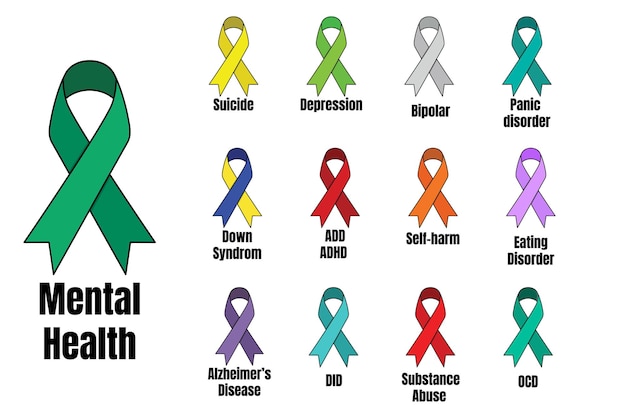
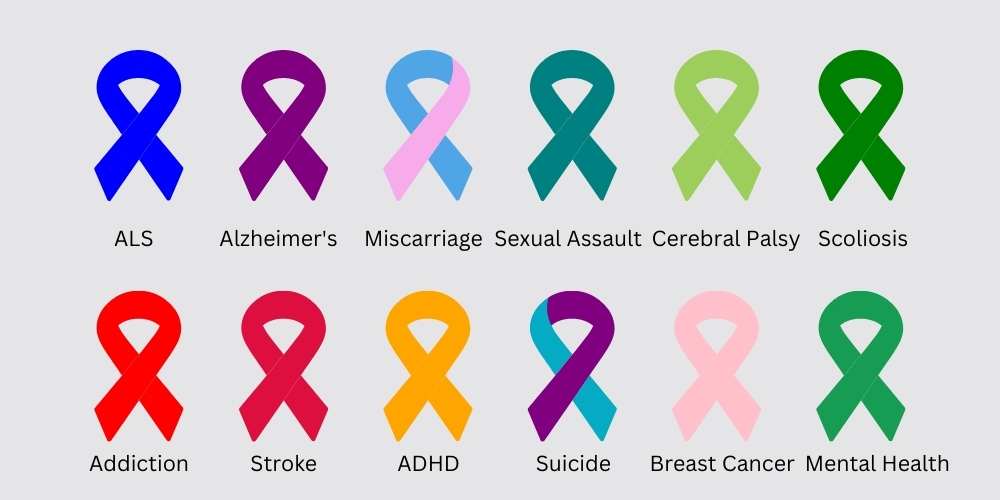
Green represents mental health. It symbolizes hope, renewal, and the importance of mental well-being. This color raises awareness and encourages support for mental health issues. Green ribbons are often used to promote mental health awareness campaigns globally.
What Is The Color For Anxiety Awareness?
The color for anxiety awareness is teal. Teal ribbons and accessories symbolize support for anxiety awareness. Use teal to promote understanding and encourage conversations about anxiety.
What Are The Color Codes Of Mental Awareness?
Mental awareness color codes include green for mental health and mental illness, and yellow for suicide prevention awareness.
What Shade Of Green Is Mental Health Awareness?
The shade of green for mental health awareness is lime green. Lime green symbolizes mental health and wellness. It is used in ribbons, campaigns, and events to promote mental health awareness.
Conclusion
Colors can greatly impact mental health awareness. Each hue evokes emotions. Blue calms the mind. Yellow boosts optimism. Green brings balance. Using these colors can raise awareness effectively. They communicate emotions without words. This makes them powerful tools. Simple color choices can support mental health initiatives.
Encourage conversations about feelings and well-being. As people learn these effects, awareness spreads. So, choose your colors with care. They can make a difference. Let’s paint a brighter future together.








