
Have you ever wondered what the term “5150” really means when it comes to mental health? You might have heard it in movies, on TV, or even in conversations, but understanding it deeply can be crucial for you or someone you care about.
5150 is more than just a number; it’s a lifeline, a legal code, and sometimes, a pathway to help for those in crisis. Imagine a tool that can potentially save lives, offering urgent care when it’s needed the most. As you read on, you’ll discover why this seemingly simple number holds the key to emergency mental health interventions.
This knowledge could empower you to make informed decisions when every second counts. Dive in to uncover how 5150 can impact mental health care and why it might be more relevant to your life than you think.

Credit: www.youtube.com
5150 Holds Explained
Understanding 5150 holds is crucial for anyone dealing with mental health emergencies. These holds are vital interventions during acute mental health crises. They ensure the safety of individuals and those around them.
What Is A 5150 Hold?
A 5150 hold is an involuntary psychiatric hold. It allows authorities to detain a person for up to 72 hours. This happens when a person poses a danger to themselves or others. The goal is to stabilize their mental health.
Three main criteria justify a 5150 hold. The person must pose a threat to themselves or others. They might be unable to care for themselves. Evidence of grave disability can also be a reason.
Process Of Initiating A 5150 Hold
A mental health professional usually initiates the process. Sometimes law enforcement or medical personnel can start it. They assess the individual’s behavior and mental state. This assessment determines the need for a hold.
Duration And Conditions Of A 5150 Hold
The hold lasts up to 72 hours. During this time, medical professionals evaluate the individual. They provide necessary treatment and stabilization. The goal is to address immediate mental health concerns.
Rights Of Individuals Under A 5150 Hold
Individuals have rights even under a 5150 hold. They should be informed of their situation. They can request a hearing to contest the hold. Legal representation is available during this process.
Aftermath Of A 5150 Hold
Post-hold care is crucial for recovery. Medical professionals develop a care plan. This plan includes therapy and medication. Support systems are vital for ongoing mental health stability.
Legal Framework
The 5150 mental health legal framework allows for the temporary detention of individuals experiencing severe mental health crises. This law ensures they receive necessary evaluation and care. It aims to protect both the individual and the community.
Understanding the legal framework surrounding 5150 holds significant importance. It’s about knowing your rights and responsibilities when dealing with mental health crises. This legal framework ensures that individuals experiencing severe mental health issues receive the necessary care while safeguarding their rights.What Does 5150 Mean?
The term “5150” refers to the section of the California Welfare and Institutions Code. It allows a qualified officer or clinician to involuntarily confine a person suspected of having a mental disorder. This confinement is usually limited to 72 hours for evaluation and treatment.Criteria For 5150 Hold
Being placed on a 5150 hold isn’t arbitrary. There are specific criteria that must be met. The individual must pose a danger to themselves or others or be gravely disabled. This decision is made based on observable behaviors and statements.Who Can Place A 5150 Hold?
Not everyone can initiate a 5150 hold. Typically, this authority is given to police officers, mental health professionals, or other designated individuals. Their assessment plays a crucial role in determining the necessity of the hold.Rights During A 5150 Hold
Even when someone is on a 5150 hold, they retain certain rights. These include the right to be informed about the reasons for the hold, the right to a hearing, and the right to make phone calls. Understanding these rights helps prevent potential misuse of the hold.Post-5150 Procedures
After the initial 72-hour period, further actions may be considered. This could involve extended treatment or discharge. What happens next depends on the assessment conducted during the hold and the individual’s mental health needs.Impact On Families
Experiencing a loved one being placed on a 5150 hold can be overwhelming. It’s crucial for families to understand the legal framework to support their loved ones effectively. Have you ever felt helpless in such situations? Knowing what to expect can ease some of that distress. Understanding these aspects of the legal framework helps you navigate the complexities of mental health crises. It’s about balancing care with legal obligations to ensure the best possible outcomes for everyone involved.Criteria For A 5150 Hold
Mental health emergencies may require a 5150 hold for individuals posing a danger to themselves or others. This legal intervention allows temporary involuntary hospitalization to ensure safety and provide necessary care. Evaluations by mental health professionals are essential in determining eligibility for a hold.
The concept of a “5150 hold” might sound intimidating, but understanding its criteria can help demystify this important aspect of mental health care. A 5150 hold refers to a section of the California Welfare and Institutions Code, allowing for involuntary psychiatric hospitalization if someone poses a danger to themselves or others, or is gravely disabled due to a mental health disorder. Knowing when this measure is necessary can be crucial for safety and recovery.Danger To Self
If someone is at risk of harming themselves, a 5150 hold might be considered. This isn’t just about immediate threats, but includes behaviors indicating a serious potential for self-harm. Imagine a loved one who suddenly stops eating or expresses intent to end their life. These are signs that require immediate attention and possibly a 5150 hold to ensure they receive professional help.Danger To Others
A 5150 hold may also be used if a person is a danger to others. This could be someone making threats or acting violently. Think about someone who suddenly becomes aggressive or starts threatening those around them. In such situations, the hold can help prevent harm and offer the individual a path to treatment.Gravely Disabled
Gravely disabled refers to an inability to care for oneself due to mental illness. This isn’t about refusing help or living unconventionally; it’s about being unable to meet basic needs. Picture someone wandering aimlessly, unable to remember where they live or how to find food. A 5150 hold can provide the necessary intervention to restore their capacity to function independently.Who Can Initiate A 5150 Hold?
You might wonder who has the authority to initiate such a hold. Typically, it’s law enforcement, mental health professionals, or medical personnel. They assess the situation and decide if the criteria are met. Understanding who can initiate a hold empowers you to know who to contact when faced with a crisis.How Long Does A 5150 Hold Last?
The initial hold lasts up to 72 hours. This period allows for evaluation and stabilization. It’s not meant to be a long-term solution, but a step towards appropriate care. During this time, assessments are made to determine the best course of action for ongoing support.What Happens After A 5150 Hold?
Post-hold, the individual is either discharged or placed under further care. The next steps depend on their condition and needs. This might involve outpatient therapy, medication, or continued hospitalization. It’s about crafting a care plan that ensures safety and promotes recovery. Understanding the criteria for a 5150 hold can be a vital tool in supporting someone in crisis. Have you ever faced a situation where you weren’t sure what to do? Knowing these criteria can help you make informed decisions that could save a life.
Credit: clearbehavioralhealth.com
Assessment Process
The 5150 assessment process is crucial for individuals in mental health crises. It determines if someone requires immediate psychiatric intervention. Understanding this process helps demystify the steps involved, offering clarity to those unfamiliar with it.
What Is A 5150 Assessment?
A 5150 assessment evaluates a person’s mental state during emergencies. It identifies risks like self-harm or harm to others. Professionals conduct these assessments with care and precision. Their goal is to ensure safety and provide necessary support.
Who Conducts The Assessment?
Licensed mental health professionals perform 5150 assessments. They include psychiatrists, psychologists, and social workers. These experts possess the skills to assess mental health emergencies effectively. Their training ensures accurate evaluations and compassionate care.
The assessment checks specific criteria for a 5150 hold. It includes threats of harm, severe mental illness symptoms, or inability to care for oneself. These factors guide the decision-making process. They help determine the need for immediate intervention.
Duration Of The Hold
A 5150 hold allows a 72-hour psychiatric evaluation period. This timeframe aids in thorough assessment and treatment planning. It offers a structured environment for stabilization. Professionals use this time to provide critical mental health care.
Evaluation And Treatment
During the hold, comprehensive evaluation takes place. It involves reviewing medical history, conducting interviews, and observing behavior. Treatment plans are tailored to individual needs. They aim to address urgent mental health issues effectively.
Communicating With Family
Family members play a vital role in the 5150 process. Professionals communicate with them to gather information and provide support. This collaboration helps ensure comprehensive care. It also eases the stress of the situation for loved ones.
Role Of Mental Health Professionals
Mental health professionals play a crucial role in 5150 evaluations. They assess individuals in crisis situations. Their expertise helps determine the need for involuntary psychiatric holds, ensuring safety and care.
Mental health professionals play a pivotal role in the 5150 process, offering crucial support and guidance during challenging times. Their expertise ensures that individuals receive appropriate care, and they often serve as the bridge between patients and the resources they need. Understanding their role can empower you to seek help effectively and be an advocate for your mental health journey.Understanding The 5150 Process
Mental health professionals are essential in navigating the 5150 process. They assess whether an individual poses a danger to themselves or others, a critical step in determining whether a 72-hour hold is necessary. Their training allows them to make these assessments swiftly, ensuring that care is provided promptly.Providing Support And Guidance
Once a 5150 hold is initiated, mental health professionals offer support and guidance to both patients and families. They help demystify the process, explaining what to expect during the hold and what steps follow. This clarity can be a source of comfort and relief during uncertain times.Facilitating Access To Resources
Professionals in mental health connect you with vital resources. They might introduce you to therapy options, support groups, or medication management. These resources can be life-changing, providing the tools needed to manage mental health effectively.Empowering Patients
In the 5150 process, mental health professionals empower patients by involving them in their care decisions. They encourage patients to voice their needs and concerns, fostering a sense of control and partnership in their mental health journey. This empowerment can lead to more successful outcomes.Collaborating With Families
Professionals also work closely with families, helping them understand their loved one’s needs. They offer strategies for support and communication, strengthening the bond between patients and families. This collaboration is often key to recovery and long-term well-being. Mental health professionals are your allies in navigating the complexities of 5150. Their role is not just about assessment and treatment; it’s about support, empowerment, and collaboration. How can you leverage their expertise to improve your mental health journey?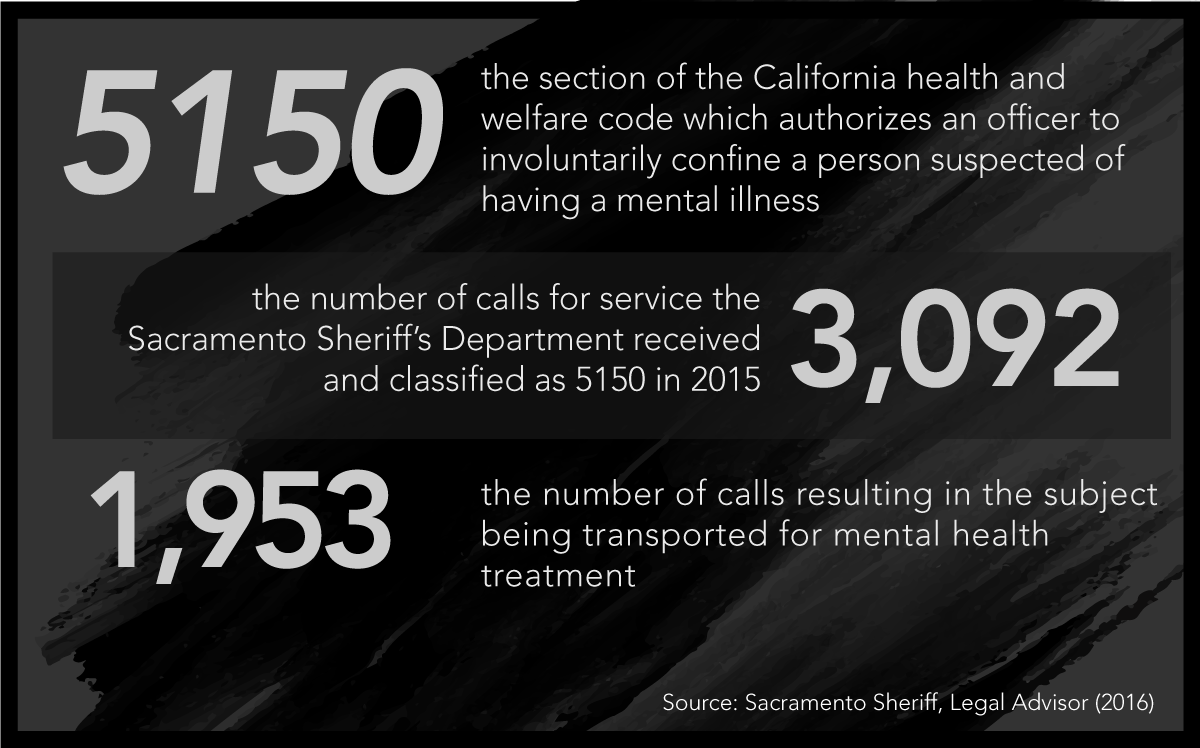
Credit: www.capradio.org
Rights Of Individuals
Individuals have rights even under a 5150 mental health hold. These rights include humane treatment, privacy, and legal representation. Understanding these rights ensures that individuals receive proper care and respect during challenging times.
Understanding the rights of individuals under a 5150 hold is crucial for both those affected and their loved ones. A 5150 is a section of the California Welfare and Institutions Code which allows for the involuntary psychiatric hold of a person who is deemed a danger to themselves or others. While this process is aimed at ensuring safety, it’s important to recognize that individuals under such holds still retain certain rights. Knowing these rights can empower you or your loved one during a potentially overwhelming experience.Right To Be Informed
You have the right to be informed about why you are being held under a 5150. The hospital staff must clearly explain the reasons for your detainment in a way you can understand. This includes specific information about the behaviors or statements that led to the decision.Right To Treatment
While under a 5150 hold, you are entitled to receive appropriate and necessary treatment. This means that medical professionals should provide care aimed at stabilizing your condition. Have you ever wondered if you can refuse certain treatments? You generally have the right to refuse medication, except in emergencies where it’s necessary to prevent harm.Right To Privacy
Your privacy is protected, even during a 5150 hold. Medical information should only be shared with those directly involved in your care, unless you give permission otherwise. Consider how you would feel if your personal information was shared without your consent. Knowing your privacy rights can help you maintain some control over your situation.Right To Legal Representation
You have the right to legal representation during your 5150 hold. If you believe you are being held inappropriately, you can request a hearing to challenge the hold. Imagine having an advocate to support your case; this can be a crucial step in ensuring your rights are upheld.Right To Communicate
Even during a 5150 hold, you generally have the right to communicate with others. This includes making phone calls to family, friends, or an attorney. Is there someone you trust to support you during this time? Keeping in touch with supportive individuals can make a significant difference.Right To Participate In Treatment Planning
You should be involved in the planning of your treatment as much as possible. This includes discussing treatment options and voicing your preferences. Do you have specific needs or concerns about your treatment? Engaging in these conversations can lead to a more tailored and effective care plan. Understanding these rights can make a daunting experience more manageable. Empower yourself with knowledge and advocate for your needs or those of a loved one. What steps will you take to ensure these rights are respected?Family Involvement
Family involvement plays a crucial role in the 5150 mental health process. Support from loved ones can provide comfort and stability. This involvement helps in understanding and managing mental health challenges effectively.
Family involvement plays a crucial role in the journey of mental health, especially when dealing with situations as intense as a 5150 hold. This is a legal action in California where an individual can be held involuntarily for psychiatric evaluation for up to 72 hours. During such critical times, family members often find themselves navigating a complex landscape of emotions and decisions. Engaging actively with the process can make a significant difference not just for the individual in crisis but for the entire family unit. How can you step up to support your loved one during this challenging time?Understanding The 5150 Process Together
Family involvement begins with understanding. Learn about the 5150 process and its implications. This knowledge equips you to make informed decisions and support your loved one effectively. Attend informational sessions if available, or seek out resources from mental health professionals to deepen your understanding.Communicating Openly And Respectfully
Communication is key. Approach conversations with empathy and patience. Encourage your loved one to express their feelings and thoughts without judgment. Validate their experiences and reassure them that they are not alone.Providing Emotional Support
Being present emotionally is invaluable. Offer a listening ear and a comforting presence. Your support can provide a sense of stability and security. Show up consistently, even if it’s just a quick call or message to check in.Involving Yourself In Treatment Plans
Work collaboratively with healthcare providers. Attend meetings and appointments if appropriate. Understand the treatment plan and ask questions to clarify any doubts. This involvement can help ensure that your loved one receives comprehensive care.Setting Boundaries And Practicing Self-care
While supporting your loved one, remember to care for yourself too. Set healthy boundaries to avoid burnout. Engage in activities that replenish your energy and maintain your well-being. How can you support someone else if you’re running on empty?Learning From Shared Experiences
Connect with other families who have experienced a 5150 hold. Share stories and insights to learn from each other. Join support groups or online forums where you can exchange advice and encouragement. These connections can offer new perspectives and hope.Adapting And Growing As A Family
Every challenge is an opportunity for growth. Use this experience to strengthen family bonds and improve communication. Reflect on what worked well and what could be improved. Adapt strategies to better support one another in the future. What lessons can you take forward to enhance your family’s resilience? Family involvement is not just a supportive role; it is an essential part of the healing process. By being informed, empathetic, and engaged, you can significantly impact your loved one’s journey towards recovery. How will you choose to make a difference today?After The Hold
“After the Hold” explores the 5150 mental health process. This guide helps understand its impact on individuals experiencing psychiatric crises. It sheds light on the importance of proper care and support during these times.
After experiencing a 5150 hold, the journey toward mental wellness continues. The term “5150” refers to a situation where someone is held involuntarily for psychiatric evaluation, usually lasting 72 hours. This can be a confusing and overwhelming time for both the individual and their loved ones. Understanding what happens after the hold is crucial for navigating the path forward.Stabilization And Support
Once the hold is lifted, the focus shifts to stabilization. You might feel a mix of emotions—relief, anxiety, or even fear. It’s normal to feel uncertain about the next steps. Surrounding yourself with supportive friends and family is essential. They can provide comfort and reassurance during this transition. Mental health professionals often recommend follow-up care to ensure you stay on track. This might include therapy sessions, medication management, or support groups. It’s important to prioritize these recommendations to maintain your mental health journey.Creating A Recovery Plan
A personalized recovery plan can be a powerful tool. Reflect on your experiences during the hold—what triggered it, and how you felt. Use these insights to develop a plan that addresses your unique needs. Set realistic goals for your mental health. These can range from attending therapy sessions to practicing mindfulness daily. Having a clear plan provides structure and direction, helping you stay focused on your recovery.Building Healthy Habits
Habits play a significant role in your mental well-being. Consider integrating small, positive changes into your daily routine. This could be as simple as a morning walk or journaling before bed. These habits can enhance your mood and reduce stress. Remember, consistency is key. Over time, these small actions can lead to significant improvements in your mental health.Finding Your Support Network
Your support network is crucial. Reach out to friends, family, or mental health professionals who understand your journey. Share your experiences and seek advice when needed. Support groups can also be invaluable. Connecting with others who have faced similar challenges can provide a sense of community and understanding. Their experiences might offer new perspectives and strategies for coping.Reflecting On Your Progress
Take time to reflect on your progress regularly. This helps you recognize how far you’ve come and where you might need extra support. Celebrate small victories, whether it’s a good therapy session or a day without anxiety. Ask yourself: How do you feel compared to when the hold ended? What changes have you noticed in your thoughts or behaviors? Reflecting on these questions can provide motivation and insight into your healing journey. After the hold, the road to recovery is personal and unique. It’s about finding what works best for you and embracing the support available. Are you ready to take the next steps toward a healthier, happier you?Support Systems
Support systems play a crucial role in mental health recovery. They provide a foundation of care and understanding for those facing challenges. A strong support network can make a significant difference in the lives of individuals under a 5150 hold. This section explores various elements of support systems.
Family can be the backbone of emotional support. Their love and understanding help individuals feel less isolated. In a crisis, family members offer comfort and encouragement. They can be a reassuring presence during difficult times.
Professional Support
Therapists and counselors provide expert guidance. They help individuals navigate complex emotions and stressors. Professional support ensures structured recovery plans. It can make challenging situations more manageable.
Peer Support Groups
Connecting with peers is vital. It offers a sense of community and shared experience. Peer groups provide a safe space to express feelings. They promote healing through mutual understanding and empathy.
Community Resources
Local resources offer practical assistance. They provide access to healthcare and support services. Communities can create a nurturing environment. These resources help individuals regain stability and confidence.
Online Support Networks
Online platforms offer 24/7 access to support. They connect individuals with similar experiences. Virtual communities provide anonymity and comfort. Online networks can be a lifeline for many.
Alternatives To 5150 Holds
When you hear the term “5150 hold,” it might evoke a sense of urgency or even fear. It’s a legal code used in California to allow for the involuntary commitment of individuals who are deemed a danger to themselves or others due to mental health issues. But what if you or someone you know is seeking help outside of this emergency intervention? Are there effective alternatives? Here, we explore practical options that might offer the support needed without resorting to a 5150 hold.
Community-based Mental Health Programs
Community programs can be a lifeline. They offer accessible support and resources tailored to local needs. Imagine finding a group that meets weekly to discuss coping strategies and share experiences. This sense of belonging can be empowering and healing.
These programs often include therapy sessions, workshops, and peer support groups. They aim to provide a safe space for individuals to express themselves and learn new skills. Could you benefit from connecting with others who understand your struggles?
Mobile Crisis Teams
Mobile crisis teams are equipped to respond swiftly to mental health emergencies. They offer immediate help, often at home, reducing the need for hospital holds. This approach can be less intimidating and more personalized.
These teams typically consist of mental health professionals trained to de-escalate situations. They work to stabilize individuals and connect them with ongoing support. Have you considered reaching out to a mobile crisis team in a moment of need?
Therapeutic Retreats
Imagine spending a few days in a peaceful setting focused entirely on healing. Therapeutic retreats offer immersive experiences designed to rejuvenate the mind and spirit. They’re not just a break but a chance to learn lasting skills.
These retreats often include activities like mindfulness, yoga, and art therapy. Participants find it refreshing to step away from daily stresses and focus on well-being. Is a retreat something that could help you reset and recharge?
Teletherapy And Online Support
In today’s digital age, help can be just a click away. Teletherapy provides access to licensed therapists without leaving your home. It’s convenient and can be just as effective as in-person sessions.
Online platforms also offer support groups and forums where you can share experiences and get advice. Could digital support be the flexible solution you need to manage your mental health?
Family And Friends Support Network
Never underestimate the power of a supportive network. Family and friends can offer a listening ear, encouragement, and practical help. Their understanding and compassion can make a huge difference.
Being open about your struggles can strengthen these bonds and lead to better support. How might your relationships change if you reached out for help when you need it?
Exploring these alternatives might lead to more personalized and less intrusive ways of managing mental health challenges. The key is finding what works for you, and knowing that support is available beyond the 5150 hold.
Challenges In Implementation
Implementing 5150 mental health holds challenges like limited resources and staff shortages. These hurdles impact timely care and support. Misunderstandings about the policy can also lead to resistance and confusion among stakeholders.
5150 holds a crucial role in mental health, but its implementation is fraught with challenges. These challenges can make or break the effectiveness of 5150, impacting those in dire need of help. Understanding these obstacles is essential if you are looking to improve mental health practices or are navigating the system yourself.Understanding The Legal Maze
The legal framework surrounding 5150 can be bewildering. Different states have varying laws, leading to confusion. Have you ever felt lost trying to figure out what rights you have? You’re not alone. Many struggle with understanding what they can or cannot do under 5150. This can lead to fear and uncertainty, making it hard to advocate for yourself or a loved one.Resource Limitations
Resources are often stretched thin in mental health services. You might have experienced long waiting times or limited access to professionals. This is a common issue. Many facilities operate under tight budgets and staffing shortages. This can hinder timely intervention and support, leaving individuals vulnerable during critical moments.Stigma And Misunderstanding
The stigma surrounding mental health can be a formidable barrier. Have you ever hesitated to seek help due to fear of judgment? Stigma can prevent individuals from reaching out, even under 5150. This misunderstanding can lead to isolation and reluctance to engage with necessary services.Training And Awareness
Effective implementation of 5150 requires well-trained personnel. Yet, training can be inconsistent. How confident are you that professionals know the best practices? Inadequate training can lead to missteps, affecting the care provided. It’s crucial that ongoing education and awareness are prioritized to ensure proper handling of 5150 cases.Communication Breakdowns
Communication is key, but breakdowns can occur easily. Have you ever felt like you’re not being heard? Miscommunication between healthcare providers, patients, and families can derail treatment plans. Clear and open dialogue is essential to navigate the complexities of 5150 effectively.Impact On Personal Lives
5150 can have profound effects on personal lives. It’s not just about the person under the hold; it affects everyone around them. Have you considered how this might change family dynamics or friendships? The emotional toll can be heavy, highlighting the need for support systems beyond the immediate crisis. Understanding these challenges is vital. They affect not only the effectiveness of 5150 but also the lives it touches. By addressing these issues, you can better navigate the mental health landscape and advocate for improvements. What steps will you take to overcome these barriers?Future Directions
Exploring new ways to support 5150 mental health can lead to improved care. Emphasizing community involvement and innovative treatments may enhance patient outcomes. Focusing on personalized approaches ensures that individuals receive the support they need.
The landscape of mental health treatment is ever-evolving, and the concept of 5150 holds a pivotal role in its future direction. As we venture further into understanding and improving mental health care, identifying potential advancements and strategies becomes crucial. Imagine a world where mental health emergencies are handled with more precision, empathy, and efficacy. What steps can we take today to ensure a brighter tomorrow for those facing mental health crises?Innovative Treatment Approaches
New therapies and technologies are reshaping how we address mental health emergencies. Virtual reality is emerging as a tool to help individuals manage anxiety and stress. Could this be integrated into 5150 protocols? You might soon see VR headsets in hospitals, offering calming environments to patients in crisis. This is a promising step towards more personalized care.Community-based Support Systems
Strengthening community ties could be a game-changer. Imagine having localized mental health centers equipped to handle 5150 cases efficiently. These centers could offer immediate support, reducing the need for hospital admissions. Think about how your community could benefit from such resources, creating a safety net for those in crisis.Policy Changes And Advocacy
Policy reform is on the horizon. Advocates are pushing for legislation that supports mental health rights and improves 5150 processes. What if your voice could influence these changes? Engaging with local representatives and supporting mental health advocacy groups can drive progress. Every voice matters in shaping policies that prioritize compassionate care.Training And Education
Education is key to transforming 5150 interventions. More comprehensive training for first responders and healthcare professionals is essential. Imagine a future where every responder is equipped with the knowledge and skills to handle mental health crises with sensitivity. Would you feel more confident knowing that those who respond to emergencies are thoroughly prepared?Technology Integration
Technology is bridging gaps in mental health care. Mobile apps and telehealth services are making access to care easier and more immediate. Picture a scenario where someone in a crisis can connect with a therapist via their smartphone. This seamless integration could be pivotal in managing 5150 situations, offering timely support when it’s needed most.Personal Experiences And Insights
Reflect on your own experiences with mental health. Have you or someone you know faced challenges in accessing timely care? Sharing personal stories can illuminate the areas needing improvement. They also highlight the need for empathy and understanding in the 5150 process. By learning from these experiences, you can contribute to a future that prioritizes compassionate mental health care. The future of 5150 mental health care is bright and full of potential. With innovative approaches and a focus on community, policy, education, and technology, progress is inevitable. How will you contribute to this evolution? Embrace these changes and advocate for a mental health system that prioritizes dignity and care for all.Frequently Asked Questions
What Does 5150 Mean In Mental Health?
In mental health, 5150 refers to a legal code in California. It allows involuntary psychiatric hospitalization for up to 72 hours. This is used when someone poses a danger to themselves or others due to a mental disorder. The goal is to ensure safety and provide necessary care.
What Is The Difference Between 5150 And 5250?
5150 holds individuals for a 72-hour psychiatric evaluation without consent. 5250 extends this hold for an additional 14 days after a hearing.
What Happens After The 72 Hours Of A 5150 Hold?
After 72 hours of a 5150 hold, individuals may be released or transferred to further care. Mental health professionals assess them to determine if extended hospitalization is necessary. Legal criteria guide decisions on whether to continue involuntary treatment beyond the initial 72-hour period for safety and stabilization.
Can You Refuse A 5150 Hold?
You cannot refuse a 5150 hold if authorities deem you a danger to yourself or others. It is a legal, involuntary psychiatric hold lasting up to 72 hours. Only mental health professionals can discharge you sooner if deemed safe.
Conclusion
Understanding 5150 mental health holds great importance. It ensures safety and support. People experiencing crises need immediate help. Quick intervention can save lives and provide relief. Always stay informed and aware of mental health resources. Seek help when necessary. Encourage open conversations about mental health.
This builds a more understanding community. Supporting each other is vital. Every step taken can make a difference. Recognize the signs early. Act compassionately and thoughtfully. Everyone deserves help and understanding. Together, we can foster a caring environment. Keep mental health conversations going.
Continue learning and supporting those in need.








