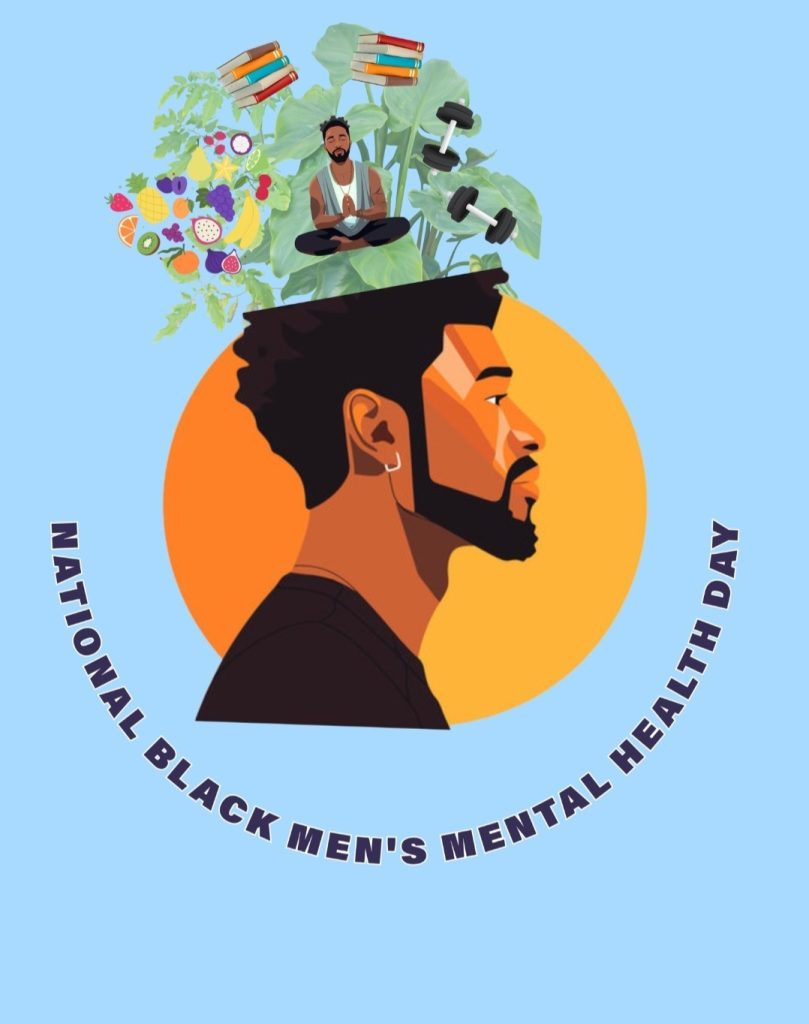
Have you ever felt like the weight of the world is on your shoulders? You’re not alone, especially if you’re part of the Black community.
Black mental health is a topic that deserves our attention and understanding. It’s not just about recognizing the unique challenges faced by Black individuals; it’s about empowering you to take control of your mental well-being. Imagine a world where you feel understood, supported, and uplifted.
That’s what exploring Black mental health can offer you. This journey is about breaking barriers, debunking myths, and finding strength in community. Are you ready to discover how prioritizing mental health can transform your life? Keep reading to uncover insights that could change the way you think about mental health forever.
Historical Context
Understanding Black mental health requires looking at its historical context. The experiences of Black communities have shaped mental health challenges. Historical events have influenced mental health perceptions and care. This context is crucial to address current issues effectively.
The Impact Of Slavery And Segregation
Slavery left deep psychological scars on Black communities. The trauma from this era persists in various forms. Segregation further compounded mental health issues. It limited access to quality care and resources. This history contributed to mistrust in the healthcare system.
Cultural Stigmas And Misunderstandings
Cultural stigmas around mental health affect Black communities. Historically, mental illness was often misunderstood. This led to negative stereotypes and shame. Many avoided seeking help due to fear of judgment. Misunderstandings also arose from cultural differences in expressing distress.
Influence Of Historical Movements
The Civil Rights Movement impacted mental health awareness. It highlighted the need for equitable mental health care. Activism emphasized the importance of mental well-being. It inspired efforts to address systemic inequalities. These movements laid groundwork for today’s advocacy.
Evolution Of Mental Health Services
Mental health services have evolved over time. Initially, they often excluded Black individuals. Gradually, more inclusive approaches emerged. These changes aimed to address historical disparities. Efforts continue to ensure equitable access for all.
Cultural Influences
Cultural influences shape the way Black individuals experience and address mental health. Historical contexts and societal pressures impact their mental well-being. Community support and understanding can make a significant difference.
Cultural influences play a significant role in shaping Black mental health. These influences are deeply rooted in history, traditions, and community practices. Understanding how culture affects mental well-being can help you support yourself and others more effectively.Understanding Cultural Norms
Cultural norms in Black communities often emphasize resilience and strength. You may find people encouraged to suppress emotions, which can impact mental health. Recognizing this can help you assess whether these norms serve you well or if they need adjustment.The Role Of Family And Community
Family and community ties are crucial in Black culture. They offer support and connection, but sometimes they may also bring pressure to conform. Ask yourself: is your community lifting you up or holding you back? Realizing the balance can be a step towards better mental health.Spirituality And Faith
Spirituality often plays a vital role in coping mechanisms. Many Black individuals turn to faith for comfort and guidance. This can be a source of strength but also a source of conflict if it clashes with mental health needs. Are your spiritual practices enhancing your well-being or creating tension?Impact Of Historical Trauma
Historical trauma can affect mental health across generations. The legacy of slavery, racism, and discrimination impacts the Black psyche. You might feel this in ways that aren’t always obvious. Understanding this can empower you to seek healing and support.Media Representation
Media portrayal of Black individuals can influence self-image and mental health. Often, these representations are negative or stereotypical. When you consume media, consider how it affects your perception of yourself and others. Is it time to seek positive and empowering content? Remember, cultural influences on mental health are complex and varied. Taking time to reflect on these elements can offer new insights and paths to well-being. What cultural influences do you notice affecting your mental health?Barriers To Access
Black mental health faces barriers like stigma and lack of resources. Many struggle to find culturally sensitive care. Access to therapists who understand their experiences is often limited.
Access to mental health care can be a challenging journey, especially for Black individuals. Multiple barriers hinder their ability to seek and receive the necessary support. Understanding these barriers can pave the way for more inclusive and effective mental health solutions.Stigma In Communities
Stigma surrounding mental health is a significant barrier in many Black communities. It’s often seen as a taboo topic, with individuals fearing judgment or ostracism. You may have heard phrases like “That’s not for us” or “We don’t talk about such things.” This stigma can discourage individuals from seeking help, even when they desperately need it. Personal experience shows the power of community perception. A friend’s hesitance to discuss their depression was rooted in fear of being labeled as “weak.” How can communities transform these perceptions to foster a supportive environment?Economic Challenges
Economic hurdles are another formidable barrier. The cost of mental health services can be prohibitive, especially for those without insurance. Many families prioritize basic needs over therapy or counseling, leaving mental health care out of reach. Consider a single parent’s dilemma—choosing between paying for therapy sessions or buying groceries. What solutions could bridge this economic gap and make mental health care accessible to all?Lack Of Representation
Representation in mental health services is scarce. Black individuals often struggle to find professionals who understand their cultural background and experiences. This disconnect can lead to misunderstandings and inadequate care. Imagine seeking help and feeling like your therapist doesn’t “get” your reality. This lack of representation can deter individuals from returning for further sessions. How can the mental health field become more inclusive and representative, ensuring everyone feels understood and respected? Addressing these barriers requires collective effort and awareness. By recognizing these challenges, you contribute to a broader conversation that can spark change. What steps can you take today to support Black mental health in your community?
Credit: www.cityclub.org
Role Of Community Support
Understanding Black mental health requires a focus on community support. This support plays a vital role in healing and growth. Community support offers strength, resilience, and understanding. It provides a network of care and empathy. Let’s explore how different community elements contribute.
Family Dynamics
Family forms the core of community support. It serves as a primary pillar in mental health. Understanding and acceptance within the family create a safe space. This environment allows open conversations about mental health. Healthy family dynamics foster trust and reduce stigma. Families can encourage seeking help when needed.
Peer Networks
Friends and peers offer an invaluable support system. They provide a sense of belonging and shared experiences. Peer networks help in reducing feelings of isolation. Conversations with peers can offer new perspectives. They often act as the first point of contact in times of distress. Strong peer bonds can enhance mental well-being.
Community Organizations
Community organizations play a crucial role in mental health support. They offer resources, workshops, and safe spaces for discussions. These organizations understand cultural nuances and challenges. They provide tailored programs to address specific needs. Engaging with such groups can improve mental health outcomes. They help in building a supportive community network.
Innovative Therapies
Innovative therapies are transforming the landscape of Black mental health care. These approaches aim to address unique challenges faced by the community. They focus on cultural sensitivity and inclusivity. By integrating diverse therapeutic methods, they foster healing and resilience.
Culturally Tailored Approaches
Culturally tailored therapies prioritize the Black experience. They incorporate cultural history and practices. This helps in building trust and rapport. Therapists use culturally relevant examples in sessions. This strengthens the connection between therapist and client. Understanding cultural nuances enhances therapy effectiveness.
Art And Expression
Art serves as a powerful healing tool. It allows individuals to express emotions creatively. Painting, music, and dance are popular choices. These activities provide a safe outlet for feelings. Art therapy can improve mood and reduce stress. It encourages self-reflection and personal growth.
Spiritual Practices
Spirituality plays a crucial role in mental wellness. Many find comfort in spiritual practices. Prayer, meditation, and communal gatherings are common. These practices offer a sense of belonging and hope. They help in coping with life’s challenges. Spirituality supports mental health by fostering peace and resilience.

Credit: www.plymouthpsychgroup.com
Policy And Advocacy
Policy and advocacy play a crucial role in Black mental health. They ensure that necessary resources and support are available. Efforts in policy and advocacy focus on changing systems. These changes aim to improve mental health outcomes for Black communities.
Legislative Efforts
Legislative efforts work to address disparities in mental health care. Laws can ensure equitable access to mental health services. Policymakers focus on creating bills that support Black mental health. These efforts aim to reduce stigma and increase resources. Legislative changes can improve mental health care for Black individuals.
Grassroots Movements
Grassroots movements are vital in advocating for Black mental health. Community-led initiatives raise awareness and drive change. These movements often focus on local issues and solutions. They empower communities to speak up about mental health needs. Grassroots efforts can lead to broader policy changes.
Building Awareness
Building awareness is key to supporting Black mental health. Awareness campaigns educate the public about mental health issues. They highlight the unique challenges faced by Black communities. Increasing awareness helps reduce stigma around mental health. It encourages more people to seek help and support.
Promoting Resilience
Empowering communities to foster resilience in Black mental health is vital. Encouraging open dialogues helps break stigma, making mental health resources more accessible. Building supportive networks strengthens mental well-being, promoting healing and growth.
Promoting resilience in Black mental health is a vital part of nurturing a community that faces unique challenges. Resilience helps individuals bounce back from adversity, manage stress, and maintain a positive outlook. By focusing on education, self-care, and mentorship, you can build a stronger foundation for mental well-being.Education And Resources
Understanding mental health is the first step toward resilience. Access to information and resources can empower you to take control of your mental well-being. Online platforms, community workshops, and local support groups can provide valuable insights. They offer knowledge on managing stress, recognizing signs of mental health issues, and seeking professional help. Consider this: How often do you actively seek out information to improve your mental health? Knowledge is power, and when you educate yourself, you equip yourself to face challenges head-on.Self-care Strategies
Self-care is not a luxury—it’s a necessity. Prioritizing your well-being can enhance your resilience against life’s pressures. Simple practices like meditation, exercise, and maintaining a balanced diet can have profound effects. Set aside time each day to focus on activities that bring you joy and relaxation. Have you thought about what truly recharges you? Identifying these activities can make a significant difference in your mental health journey. Self-care is about listening to your needs and taking deliberate steps to address them.Mentorship And Role Models
Having mentors and role models can boost your resilience by providing guidance and inspiration. These individuals can offer wisdom from their own experiences, helping you navigate similar challenges. Seek out mentors within your community or professional field. They can provide support and encouragement when facing difficult situations. Consider reaching out to someone you admire and asking for advice. How might this influence your resilience and growth? Remember, you’re not alone in this journey—others have walked the path before you and can help light the way.
Credit: abcnews.go.com
Frequently Asked Questions
What Are Some Facts About Black Mental Health?
Black communities face significant mental health disparities. Cultural stigma often prevents seeking help. Access to culturally competent care is limited. Racial discrimination impacts mental well-being. Support networks play a crucial role in resilience. Education and advocacy are essential for change.
Understanding and addressing these challenges can improve mental health outcomes.
Why Do Significantly Less Black Americans Seek Mental Health Care Compared To Whites?
Black Americans often face stigma and mistrust towards mental health care. Cultural differences and lack of culturally competent providers also contribute. Economic disparities and limited access to resources further hinder seeking help. These factors create significant barriers compared to their white counterparts.
What Does Black Mean In Mental Health?
In mental health, “Black” often refers to feelings of deep sadness, depression, or despair. It symbolizes darkness and hopelessness. Many people use “black mood” to describe periods of intense emotional distress. It’s crucial to seek support from mental health professionals in such situations.
What Is Black Depression?
Black depression refers to the mental health challenges faced by Black individuals due to systemic racism, discrimination, and cultural stigma. It often includes feelings of isolation, anxiety, and sadness. Addressing these issues requires culturally competent mental health support and increased awareness within communities.
Conclusion
Black mental health deserves more attention and understanding. It’s vital for growth. Everyone should have access to supportive resources. Communities can make a difference together. Listening and learning help break barriers. Share experiences to build connections. Encourage open discussions on mental well-being.
Support is crucial for healing. Education empowers change and acceptance. Let’s foster a more inclusive environment. Every voice matters in this journey. Prioritize mental health for a better future. Advocate for awareness and compassion. Embrace diversity in mental health care.
Together, we can create lasting impact. Reach out and make a difference.








