Imagine finding a tool that could help ease the struggles of anxiety and depression. Gabapentin, originally used for treating seizures and nerve pain, is gaining attention for its potential benefits in mental health care.
If you’re curious about how gabapentin might fit into your mental wellness plan, you’re not alone. Many are exploring this option, hoping to find relief from the symptoms that disrupt daily life. Are you ready to discover how gabapentin might change your mental health journey?
Keep reading to uncover the possibilities and learn what experts say about this intriguing medication.
Credit: pacificcoastmh.com
Gabapentin Basics
Gabapentin, a medication originally developed for epilepsy, is gaining attention in mental health. Known for its calming effects, it helps manage anxiety and mood disorders. Though not a typical psychiatric drug, it offers relief for various mental health symptoms. Understanding its basics can help users make informed decisions.
Mechanism Of Action
Gabapentin works by affecting neurotransmitters in the brain. It mimics the neurotransmitter GABA but doesn’t bind to its receptors. Instead, it influences calcium channels, reducing the release of excitatory neurotransmitters. This action helps calm nerve activity and stabilize mood. It offers potential benefits for individuals with mental health issues.
Approved Uses
The FDA primarily approves Gabapentin for treating epilepsy. It’s also approved for nerve pain, especially post-herpetic neuralgia. Though it’s used off-label for anxiety and mood disorders, these are not FDA-approved uses. Physicians prescribe it based on its calming effects and patient needs. Always consult a healthcare provider before starting new medications.

Credit: www.vfmc.net
Mental Health Applications
Gabapentin, a medication originally designed for treating seizures, has found a place in mental health care. Its ability to calm nerve activity makes it appealing for various mental health conditions. But how does it really help?
Anxiety Disorders
Anxiety can be overwhelming. It’s like your mind is on a never-ending roller coaster. Gabapentin helps by slowing down brain activity, providing a sense of calm. Imagine being able to focus without your thoughts racing.
Many users report feeling less jittery and more in control. Are you tired of feeling anxious all the time? Gabapentin might offer the relief you need. Consider discussing this option with your doctor.
Bipolar Disorder
Living with bipolar disorder can feel like you’re stuck in a cycle of highs and lows. Gabapentin can help stabilize moods. It’s not a cure, but many find it eases the extremes.
Picture yourself experiencing fewer mood swings and more balanced days. Have you ever thought about what it feels like to have a little peace in your head? Gabapentin might just be the missing piece in your treatment plan.
Post-traumatic Stress Disorder
PTSD can haunt your every waking moment. Flashbacks and nightmares are all too common. Gabapentin aims to reduce these symptoms by calming the nervous system.
Those who have tried it often feel more grounded and less reactive. Ever wonder if your PTSD symptoms could be lessened? This could be your chance to explore a new avenue for relief.
Deciding on the right treatment for mental health is never easy. Gabapentin’s role in managing symptoms of anxiety, bipolar disorder, and PTSD offers hope. Could this be the solution you’ve been searching for?
Research And Evidence
Gabapentin, originally developed for epilepsy, has gained attention for its potential benefits in mental health treatment. But what does the research say? Understanding the evidence behind Gabapentin’s effectiveness can help you make informed decisions about its use for mental health conditions.
Clinical Trials
Clinical trials are the backbone of understanding any medication’s efficacy. Researchers have conducted numerous studies to explore Gabapentin’s role in treating anxiety, depression, and bipolar disorder.
One study examined Gabapentin’s impact on social anxiety disorder, showing promising results. Participants reported reduced anxiety symptoms, making daily interactions more manageable.
Another trial focused on Gabapentin’s use in bipolar disorder. Patients experienced mood stabilization, with fewer manic episodes. These findings suggest Gabapentin may offer relief for those struggling with mood swings.
Patient Outcomes
Beyond clinical trials, patient outcomes provide valuable insights into Gabapentin’s real-world effectiveness. Many individuals have shared their experiences online, offering a glimpse into the medication’s impact on mental health.
One patient described how Gabapentin helped manage their chronic anxiety. The medication allowed them to enjoy social situations without overwhelming fear.
Another shared their experience with depression, noting that Gabapentin eased their symptoms when other treatments fell short. This personal journey highlights the potential for Gabapentin to offer hope when traditional therapies fail.
As you consider Gabapentin, think about your own mental health needs. Can this medication align with your goals for well-being? While research and patient stories provide guidance, your unique circumstances should shape your decision.
What are your thoughts on Gabapentin for mental health? Does the evidence inspire confidence, or do you have reservations? Your perspective is vital in navigating treatment options.
Potential Benefits
Gabapentin has been explored for its potential mental health benefits. This medication, originally used for nerve pain and seizures, is gaining attention. It may help alleviate symptoms associated with various mental health conditions. Understanding its effects could offer new pathways for treatment. Let’s delve into the potential benefits of Gabapentin for mental health.
Symptom Relief
Gabapentin is known to provide relief for certain mental health symptoms. It may reduce anxiety levels in some individuals. People with social anxiety might experience less distress. It can also help manage mood swings. This makes daily life more manageable for those affected.
Enhanced Well-being
Improving mental health can enhance overall well-being. Gabapentin might boost mood stability. Those who use it may feel calmer. This medication can contribute to a better quality of life. Feeling steady can positively impact daily activities. Individuals might regain confidence in their interactions.
Side Effects And Risks
Gabapentin, often prescribed for mental health issues, has potential side effects and risks. Understanding these can help patients make informed decisions about their treatment plans. While gabapentin offers benefits, it is essential to be aware of its possible impacts on health.
Common Side Effects
Gabapentin may cause dizziness and fatigue. These effects are common among users. Some might experience nausea or headaches. Dry mouth is another reported symptom. Mood changes can also occur. These side effects vary in intensity. They often lessen as the body adjusts. Monitoring symptoms is important.
Long-term Risks
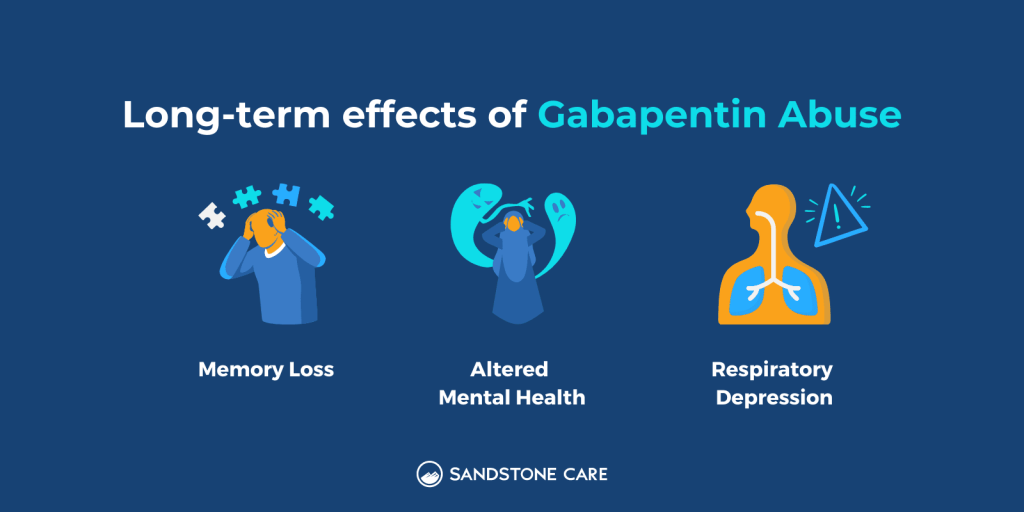
Using gabapentin over long periods may lead to dependency. The body may become reliant on the medication. This can affect withdrawal processes. Long-term use might impact kidney function. Regular check-ups are essential to prevent complications. Behavioral changes are possible with extended use. Patients should discuss concerns with their healthcare provider.
Comparisons With Other Treatments
Gabapentin has gained attention for its potential in mental health treatment. Understanding how it compares with traditional options is essential. Each treatment offers unique benefits and challenges.
Versus Antidepressants
Antidepressants, like SSRIs, target mood disorders. They often address symptoms of depression and anxiety. Gabapentin, on the other hand, functions differently. It modulates neurotransmitter activity, which may help anxiety. Some patients experience fewer side effects with Gabapentin. This makes it a consideration for those sensitive to antidepressants.
Versus Antipsychotics
Antipsychotics treat conditions like schizophrenia and bipolar disorder. They work by altering dopamine pathways. Gabapentin does not directly affect dopamine. Instead, it stabilizes electrical activity in the brain. This could benefit mood stabilization in some cases. Gabapentin may have a milder side effect profile. This may appeal to those who struggle with antipsychotic side effects.
Patient Perspectives
Gabapentin is often prescribed for mental health conditions. Patients share diverse experiences. Their stories reveal its potential benefits and challenges. Understanding their perspectives offers insights into its real-world effects.
Personal Experiences
Many patients report reduced anxiety with Gabapentin. They feel calmer and more balanced. Some describe improved sleep patterns. Insomnia becomes less of a struggle. Others mention feeling more focused and alert. Yet, experiences vary widely.
Some face initial side effects. Dizziness or fatigue might occur. Most find these effects lessen over time. Each patient’s journey with Gabapentin is unique. Listening to diverse stories is crucial.
Quality Of Life Impact
Gabapentin can enhance daily life for many. Patients often experience improved moods. They find it easier to manage stress. This can lead to better relationships. Some notice increased motivation.
Yet, not everyone sees positive changes. For a few, the medication offers minimal relief. Regular follow-ups with healthcare providers help. Adjustments may optimize treatment outcomes. Patients’ insights highlight Gabapentin’s varied impact.
Credit: pacificcoastmh.com
Future Directions
Gabapentin’s potential in mental health is gaining interest. Researchers are exploring its effects beyond known uses. The future holds promising avenues for gabapentin. The quest for understanding continues, paving the way for new applications.
Ongoing Studies
Current research studies focus on gabapentin’s role in mental health. Scientists are investigating how it affects mood disorders. Clinical trials aim to measure its effectiveness in anxiety treatment. Researchers are also studying its impact on depression symptoms. The goal is to understand gabapentin’s benefits and limitations.
Potential New Indications
Gabapentin may have potential for other mental health conditions. Experts are examining its effect on post-traumatic stress disorder. There is interest in its use for bipolar disorder management. Researchers are also looking at its role in treating social anxiety. These studies could expand gabapentin’s use in mental health care.
Frequently Asked Questions
What Are The Downsides Of Gabapentin?
Gabapentin may cause dizziness, fatigue, and coordination issues. Some users experience memory problems and mood changes. Weight gain, blurry vision, and swelling may occur. Always consult a doctor for personalized advice before using gabapentin.
Does Gabapentin Act As A Mood Stabilizer?
Gabapentin can have mood-stabilizing effects, but it’s not officially classified as a mood stabilizer. It’s primarily used for nerve pain and seizures. Some doctors prescribe it off-label for mood disorders, but its effectiveness varies among individuals. Always consult a healthcare professional for personalized advice and treatment options.
What Is Gabapentin Used For In Mental Health?
Gabapentin is often prescribed to manage anxiety and mood disorders. It can also help with mood stabilization. The medication is sometimes used off-label for conditions like bipolar disorder. It can be an adjunct therapy for depression, although it’s not a primary treatment.
How Does Gabapentin Affect Mood Disorders?
Gabapentin can help stabilize mood by altering neurotransmitter activity. This can reduce symptoms of anxiety and depression. The medication is thought to affect GABA, a neurotransmitter that calms the brain. It is often used as part of a comprehensive treatment plan.
Conclusion
Exploring gabapentin for mental health offers new hope for many. It provides a potential solution for anxiety and mood disorders. Its effectiveness varies from person to person. Always consult a healthcare professional before starting any medication. Understanding your unique health needs is important.
Gabapentin may be one option among many. Stay informed and open to different treatments. Mental health requires ongoing attention and care. Support from friends, family, and professionals is crucial. Remember, you are not alone in this journey. Keep striving for better mental health and well-being.








