
Have you ever wondered if there’s a way to predict how your body might respond to mental health medications? Imagine having a personalized roadmap to guide you in selecting the most effective treatment options for your unique genetic makeup.
Genetic testing for mental health medications offers just that—a scientific breakthrough that can significantly improve your treatment experience. By understanding how your genes interact with specific medications, you can potentially reduce trial-and-error periods and unwanted side effects. Intrigued? Let’s dive deeper into how this cutting-edge approach can transform your mental health journey and provide you with the clarity you’ve been searching for.
The Role Of Genetic Testing
Genetic testing is becoming a vital tool in personalizing mental health treatment. Many people struggle with finding the right medication for their mental health conditions, often enduring a frustrating trial-and-error process. Genetic testing offers a promising solution by potentially matching you with medications that are more likely to work based on your genetic makeup. This approach aims to enhance the effectiveness of treatments and reduce the risk of adverse reactions. But how exactly does it work? Let’s explore the role of genetic testing in mental health medications.
Understanding Genetic Variations
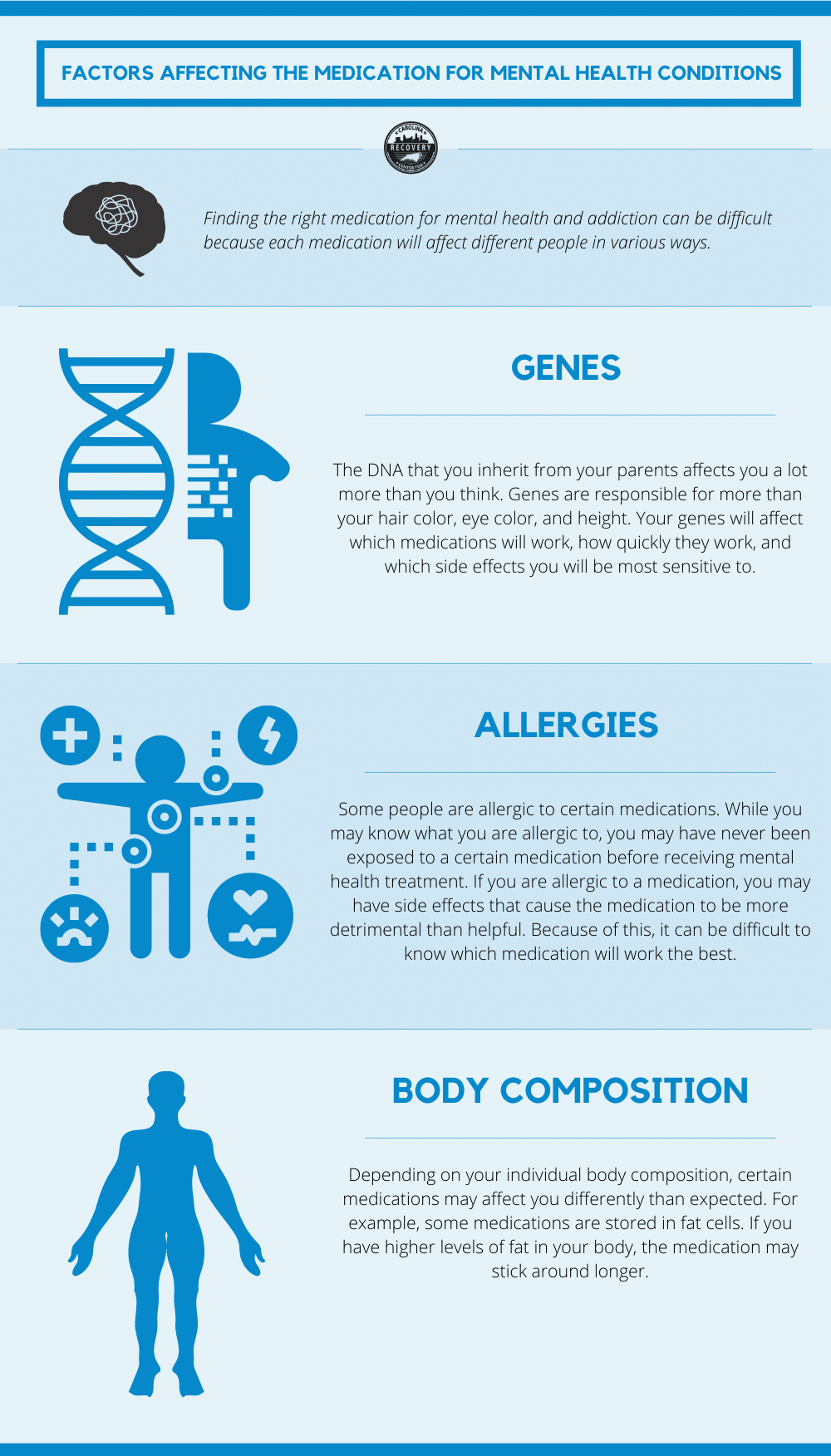
Your genes play a significant role in how your body responds to medications. Genetic testing can identify specific genetic variations that influence drug metabolism. Some people metabolize drugs quickly, while others do so slowly. These variations can impact how effective a medication is for you and how likely you are to experience side effects.
For example, you might have a genetic variation that causes a slower metabolism of certain antidepressants. This could mean you need a lower dose to avoid side effects. On the other hand, a faster metabolism might require a higher dose to achieve the desired effect. Understanding these variations can help your doctor tailor your treatment plan more accurately.
Impact On Medication Efficacy
Genetic testing can significantly influence medication efficacy. Imagine being able to skip the guesswork and start with a treatment that’s more likely to work for you. This is where genetic testing shines. By analyzing your genetic makeup, healthcare providers can identify medications that align with your specific genetic profile.
Consider how many people suffer from prolonged periods of ineffective treatment. Genetic testing might help you avoid this. If you know your genetic predispositions, you can start with a treatment plan that has a higher chance of success. This not only saves time but also improves your overall well-being.
Have you ever wondered why a particular medication worked wonders for your friend but didn’t help you at all? Genetic differences might be the answer. With genetic testing, you can uncover these differences and find a medication that suits your genetic profile. Wouldn’t you want to know if your genes hold the key to a more effective treatment?

Credit: genomind.com
Advancements In Pharmacogenomics
Advancements in pharmacogenomics are reshaping the landscape of mental health treatment. The ability to tailor medications based on genetic information is a leap forward in personalized medicine. Imagine knowing the right drug for your mental health without the trial-and-error approach. This is not science fiction; it’s happening now, thanks to pharmacogenomics.
Technological Progress
Technological advancements are key in pharmacogenomics. DNA sequencing technologies have become faster and more affordable. This accessibility allows scientists to decode genetic information with precision.
The development of sophisticated algorithms helps analyze genetic data effectively. These tools provide insights into how different individuals may respond to specific mental health medications. You can now have a clearer picture of what works best for you.
Imagine the relief of avoiding medications that don’t suit your genetic makeup. It’s not just about efficacy; it’s about minimizing side effects and improving overall health. Wouldn’t you want to take a medication knowing it’s tailored for you?
Integration Into Clinical Practice
Integrating pharmacogenomics into clinical practice is transformative. Doctors can now make informed decisions based on genetic testing results. This approach is more efficient compared to traditional methods.
Clinical integration means more precise prescriptions, reducing the risk of trial-and-error medication adjustments. Physicians can focus on patient-specific treatments that promise better outcomes. It’s a win-win for both doctors and patients.
Consider the potential impact on your mental health journey. How would personalized medication affect your treatment experience? The prospect of a smoother path to wellness is within reach, thanks to pharmacogenomics.
Pharmacogenomics is not just a promise of the future; it’s a reality you can benefit from today. Are you ready to embrace this advancement in mental health treatment?
Benefits Of Personalized Medicine
The benefits of personalized medicine in the realm of genetic testing for mental health medications are vast and promising. Imagine being able to take a medication tailored to your unique genetic makeup, leading to better outcomes and fewer side effects. This approach can transform how mental health is treated, bringing hope to those who struggle with finding the right medication.
Improved Treatment Outcomes
Personalized medicine paves the way for more effective treatment outcomes. By analyzing your genetic profile, healthcare providers can prescribe medications that are more likely to work for you. Have you ever felt frustrated when a medication didn’t help your condition? Genetic testing can reduce this trial-and-error process, ensuring you receive the most suitable drug from the start.
A friend of mine struggled with depression for years, trying countless medications with little success. After undergoing genetic testing, she finally found a medication that worked wonders for her. The relief and joy she experienced were palpable—it’s a game changer. Wouldn’t you want the same confidence in your treatment plan?
Reduction In Adverse Effects
One of the most compelling reasons to consider genetic testing is the potential to reduce adverse effects from medications. Not all bodies react the same way to drugs, and what works for one person might cause unwanted side effects in another. Have you ever wondered why some people suffer from severe side effects while others don’t?
Genetic testing can identify which medications are less likely to cause side effects based on your genetic makeup. This can lead to a smoother and more comfortable treatment journey. Consider the peace of mind knowing you’re less likely to experience adverse reactions. Isn’t that a comforting thought?
By embracing personalized medicine, you’re not only looking at improved treatment efficacy but also a gentler, more precise approach to managing your mental health. It’s about finding what truly works for you—without unnecessary discomfort.
Challenges And Limitations
Genetic testing for mental health medications faces challenges. Results can be hard to interpret. Not all genes are studied, making predictions uncertain. Tests may not cover all medication options. Understanding genetic influences on mental health is still evolving, requiring more research.
Genetic testing for mental health medications offers promise. It aims to personalize treatment plans based on genetic makeup. Yet, this emerging field faces several challenges and limitations. Ethical concerns, access, and cost are significant hurdles.Ethical Considerations
Genetic testing raises ethical questions. Privacy is a key issue. Who has access to genetic data? Patients worry about misuse or unauthorized sharing. Consent is crucial. Patients must understand the implications of sharing their genetic information. There is potential for genetic discrimination. Could employers or insurers deny services based on genetic results? Clear policies are needed to protect individuals.Access And Cost Issues
Access to genetic testing is uneven. Not everyone can easily obtain these tests. Many regions lack facilities. Some areas have limited healthcare resources. Cost is a barrier. Genetic testing can be expensive. Insurance coverage varies widely. Some plans do not cover these tests at all. This limits who can benefit from personalized medication plans. People with limited finances may struggle to afford testing. Ensuring equitable access is vital for widespread use.Current Applications In Mental Health
Genetic testing for mental health medications is gaining attention. It can help tailor treatments based on individual genetic makeup. This approach aims to enhance medication effectiveness and reduce side effects. Mental health professionals are increasingly using genetic insights.
By understanding genetic variations, doctors can better predict medication responses. Genetic testing assists in identifying the right drug and dosage. This personalized approach is transforming mental health treatment. Patients often find relief more quickly and with fewer trials.
Case Studies
Several case studies showcase the impact of genetic testing. One study involved patients with depression. Genetic insights guided doctors in selecting suitable antidepressants. As a result, patients experienced improved outcomes.
Another case focused on anxiety disorders. Genetic testing identified patients likely to respond to specific medications. This led to quicker symptom relief. The studies highlight the potential of personalized medicine in mental health.
Commonly Tested Genes
Certain genes are frequently tested in mental health. CYP2D6 and CYP2C19 are common. These genes affect how the body processes medications. Variations can influence drug metabolism and effectiveness.
Another gene is SLC6A4, linked to serotonin transport. It plays a role in depression and anxiety treatments. Testing these genes helps doctors make informed medication choices. Patients benefit from tailored therapy, improving mental health management.
Credit: carolinacenterforrecovery.com
Future Perspectives
Exploring genetic testing for mental health medications offers hope for personalized treatment. Tailoring prescriptions based on DNA can enhance effectiveness and minimize side effects. Future advancements may transform how mental health conditions are managed, leading to improved patient outcomes and well-being.
As we look toward the future of genetic testing for mental health medications, the landscape is rich with potential and promise. Imagine a world where your genetic profile guides your treatment plan, minimizing trial and error. This future is gradually becoming a reality, fueled by ongoing research and innovations in genetic science.Potential For Broader Use
Genetic testing could soon become a routine part of mental health care. This means that more people might have access to personalized medication plans tailored to their genetic makeup. Such precision can enhance treatment effectiveness and reduce side effects. Consider how this approach could change your own healthcare journey. With broader use, genetic testing might be as common as blood tests in diagnosing conditions. This could lead to earlier interventions and better outcomes for many. The potential for broader use also raises questions about accessibility. How will healthcare systems ensure that everyone can benefit from these advancements? Addressing these challenges is crucial for making genetic testing a standard part of mental health care.Ongoing Research
Research in this field is constantly evolving, opening new doors for treatment options. Scientists are studying how specific genes affect responses to medications. This research helps in creating more targeted therapies for mental health conditions. You might wonder how these studies impact you personally. As research progresses, you could expect more effective treatment options in your lifetime. This is especially encouraging for those who have struggled to find the right medication. Ongoing research also involves collaboration across various fields. Geneticists, psychiatrists, and pharmacologists work together to understand complex genetic data. This multidisciplinary approach is key to unlocking new possibilities in mental health care. These future perspectives in genetic testing for mental health medications offer hope and anticipation. How do you think these advancements could change your life or the lives of those you care about? As we move forward, engaging with these developments can empower you to make informed healthcare decisions.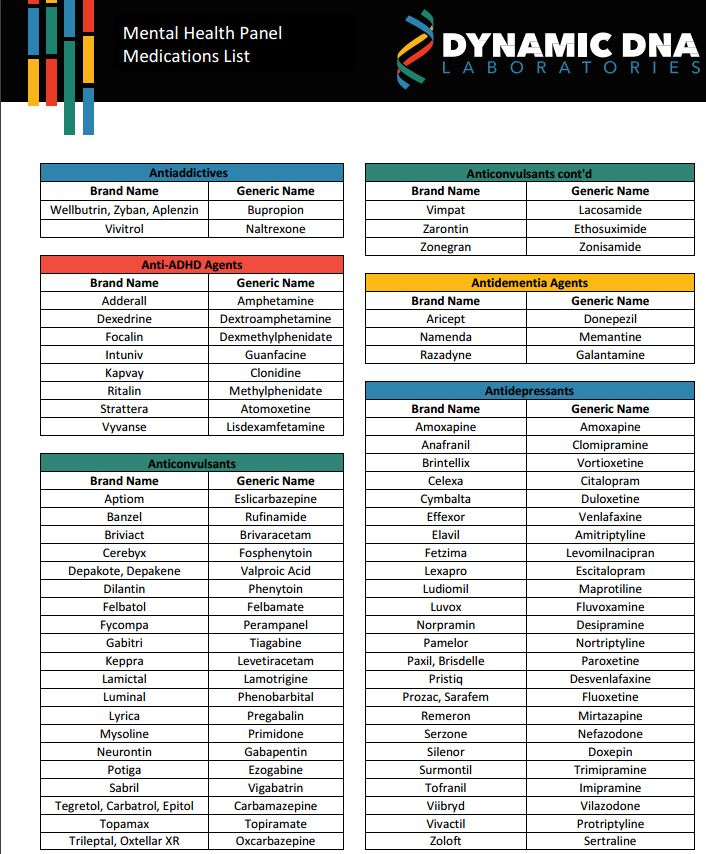
Credit: pharmacogeneticstesting.com
Frequently Asked Questions
What Is The Genetic Test For Mental Health Medications?
Genetic tests for mental health medications analyze your DNA. They help determine which medications may work best for you. This personalized approach aims to improve treatment effectiveness and reduce side effects. Tests often focus on genes influencing drug metabolism and response.
Consult a healthcare provider for recommendations.
How Much Does Genetic Testing For Psychiatric Medications Cost?
Genetic testing for psychiatric medications typically costs between $200 and $500. Insurance may cover part of the expense. Consult your healthcare provider for specifics. Prices vary by provider and location. Always verify with your insurance company and genetic testing provider for accurate pricing details.
Is Genetic Testing For Medications Worth It?
Genetic testing for medications can enhance treatment effectiveness by identifying drug-gene interactions. It helps personalize prescriptions, reduces adverse effects, and improves outcomes. Consider costs and consult healthcare professionals to assess its value for you.
How Accurate Is Genesight Testing For Medication?
GeneSight testing provides personalized medication insights based on genetic markers. Its accuracy varies and depends on individual genetic factors. Studies show it helps improve medication outcomes for many patients. It guides doctors in selecting suitable medications, but doesn’t replace clinical judgment.
Always consult a healthcare professional for personalized advice.
Conclusion
Genetic testing can guide mental health treatment. It helps find the right medication. This personalized approach can reduce trial and error. Patients might experience fewer side effects. Quicker relief is possible with targeted therapies. Healthcare providers gain valuable insights. These tests support informed decisions.
They are a valuable tool for mental health care. Understanding your genetic profile is beneficial. It aids in tailoring treatment plans effectively. This can improve overall mental well-being. Consider genetic testing for a more precise approach. It could make a difference in managing mental health.








