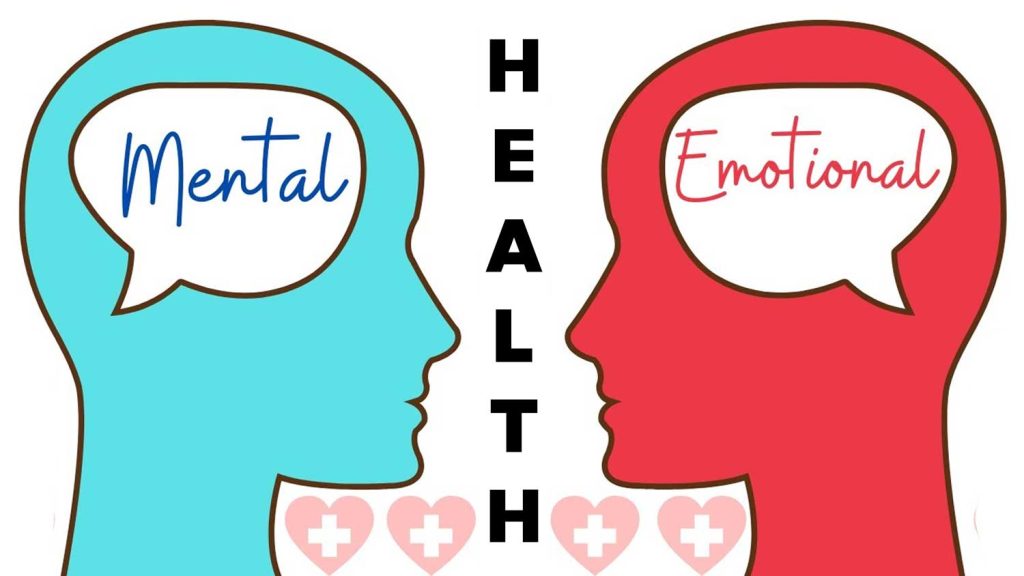
Are you feeling overwhelmed by the chaos of daily life? Do you often find yourself stressed, anxious, or emotionally drained?
You’re not alone. Emotional and mental health is something we all need to pay attention to, yet it’s easy to overlook when life gets busy. Imagine a life where you feel balanced, calm, and in control of your emotions. Sounds appealing, right?
We’ll uncover simple, practical strategies to boost your emotional well-being and mental resilience. By understanding and nurturing your mental health, you can transform your life into one filled with peace and happiness. Ready to discover how? Let’s dive in and explore the path to a healthier mind and spirit.

Credit: www.recoveryranch.com
Understanding Emotional Health
Exploring emotional health reveals its deep connection to mental well-being. It involves recognizing feelings, understanding their impact, and managing them effectively. Balanced emotional health supports mental clarity, resilience, and overall happiness.
Understanding emotional health is crucial for your overall well-being. It is about being aware of your emotions, managing them effectively, and recognizing their impact on your thoughts and actions. Emotional health is not just the absence of mental illness, but a state of positive mental well-being where you can handle life’s challenges with resilience and ease.Signs Of Healthy Emotional State
A healthy emotional state is evident through several signs. You might find yourself feeling more optimistic and able to cope with stress effectively. It’s when you can express your emotions without overwhelming others or yourself. In your daily interactions, you may notice that you can listen without immediately reacting. This shows emotional maturity and balance. Consistently having a sense of purpose and a feeling of contentment in life are also indicators of emotional health.Impact Of Emotions On Daily Life
Emotions significantly impact your daily life, influencing decisions and interactions. When you feel happy or content, you are more likely to engage positively with others and be productive. On the other hand, unmanaged emotions like anger or anxiety can lead to stress and conflict. Consider a day when you woke up in a great mood; everything seemed possible and interactions were smoother. Now think of a day clouded by frustration; even small tasks felt daunting. How do your emotions shape your daily experiences? By understanding and acknowledging your emotional health, you can make conscious choices that enhance your life. What steps will you take today to ensure your emotions positively influence your day?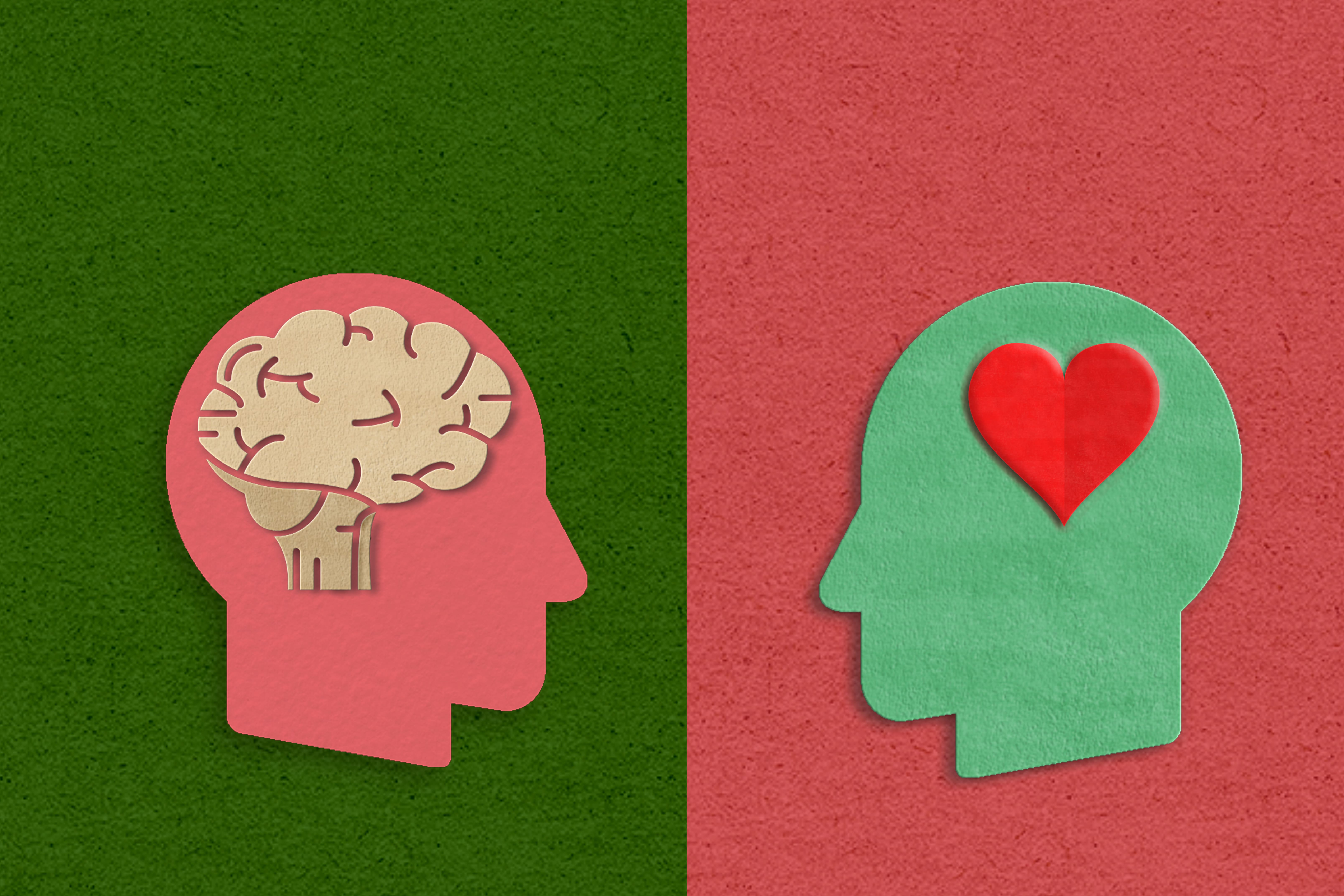
Credit: www.wellright.com
Exploring Mental Health
Exploring mental health opens a window into the mind’s complexity. Understanding mental health is key to overall well-being. It affects emotions, thoughts, and behavior. Everyone experiences it differently. Some days feel heavier. Other days seem lighter. Recognizing mental health challenges is vital. It helps seek support and find balance. Let’s delve into mental health indicators and common disorders.
Mental Health Indicators
Mental health indicators signal changes in well-being. They can be emotional or physical. Feeling sad or anxious often is a sign. Losing interest in favorite activities might be another. Changes in sleep patterns matter too. Sleeping too much or too little can indicate stress. Pay attention to appetite. Eating too much or too little might show emotional strain. Difficulty concentrating is a key signal. It can affect daily tasks and decision-making.
Common Mental Health Disorders
Several mental health disorders affect people worldwide. Depression is common. It causes persistent sadness and loss of interest. Anxiety disorders are widespread too. They lead to excessive worry and fear. Panic attacks can occur suddenly. They cause intense physical symptoms. Social anxiety affects interactions with others. Obsessive-compulsive disorder involves repetitive thoughts. These thoughts lead to compulsive actions. Post-traumatic stress disorder can follow trauma. It brings flashbacks and emotional distress. Bipolar disorder causes mood swings. High energy phases alternate with deep lows.
Strategies For Emotional Resilience
Building emotional resilience enhances mental health. Focus on positive thinking to overcome challenges. Practice mindfulness to stay grounded. Seek support from friends and family.
Emotional resilience is like a personal shield, helping you bounce back from life’s challenges. It’s about strengthening your mental capacity to handle stress and adversity effectively. Developing emotional resilience doesn’t happen overnight, but with consistent practice, you can cultivate a robust emotional foundation. Let’s dive into some strategies that can empower you to build this resilience.Developing Emotional Intelligence
Emotional intelligence is your ability to understand and manage your emotions. It’s about recognizing your feelings and those of others. Think about a time when you felt overwhelmed by anger or sadness. Did you pause to identify the root cause? Start by asking yourself why you feel a certain way. This awareness can guide your reactions in stressful situations. Consider keeping a journal to track your emotions. Writing can clarify your thoughts and help you spot patterns. By understanding these patterns, you can learn to respond more thoughtfully. This practice enhances your emotional intelligence, making it easier to navigate complex emotional landscapes.Practicing Mindfulness And Meditation
Mindfulness is about staying present in the moment. It helps you focus on what’s happening now, rather than worrying about the future or dwelling on the past. Try setting aside a few minutes each day to sit quietly. Notice your breathing and the sensations in your body. This simple act can ground you, reducing stress and anxiety. Meditation goes hand in hand with mindfulness. It can be as simple as focusing on your breath or repeating a calming word. It clears your mind and fosters a sense of peace. Have you ever felt scattered or overwhelmed? Meditation can help you find your center, making it easier to handle emotional ups and downs. By practicing mindfulness and meditation, you create a mental space where you can assess your feelings without judgment. How do you think this would change your daily interactions? Explore these practices to enhance your emotional resilience and build a more balanced, fulfilling life.Enhancing Mental Strength
Mental strength is vital for emotional and mental health. It helps in handling stress, overcoming challenges, and making positive decisions. Building mental strength requires effort and commitment. It involves training your mind just like you train your body. This section explores ways to enhance mental strength through practical techniques.
Building Positive Habits
Positive habits shape your mental health. Start with small, achievable goals. Practice gratitude daily. It shifts focus from problems to blessings. Set a routine that includes healthy habits like exercise and meditation. Regular physical activity boosts mood and reduces anxiety. Meditation calms the mind and improves focus.
Limit negative self-talk. Replace it with positive affirmations. Surround yourself with supportive people. They influence your mindset. Celebrate small successes to build confidence. Positive habits take time to develop but lead to lasting change.
Cognitive Behavioral Techniques
Cognitive Behavioral Techniques (CBT) are effective for mental strength. They help in identifying and changing negative thought patterns. Start by recognizing negative thoughts. Challenge them with evidence. Ask yourself if these thoughts are true. Replace negative thoughts with positive ones.
CBT also involves setting realistic goals. Break large tasks into smaller, manageable steps. This prevents feeling overwhelmed. Practice mindfulness to stay present. It reduces stress and enhances focus. Cognitive Behavioral Techniques empower you to take control of your thoughts and emotions.
Lifestyle Choices For Well-being
Emotional and mental health is crucial for overall well-being. Lifestyle choices play a significant role in nurturing your mind and emotions. Small changes can lead to big improvements in mental health. Let’s explore how nutrition and exercise can contribute to emotional balance.
Nutrition And Mental Health
Eating a balanced diet affects mood and cognitive functions. Foods rich in omega-3 fatty acids boost brain health. These are found in fish like salmon and mackerel. Leafy greens are packed with vitamins that enhance mood. Spinach and kale are excellent choices. Whole grains like oats and brown rice stabilize energy levels. They prevent mood swings.
Limit sugar and processed foods as they impact emotional health. Choose fresh fruits for natural sugars. Berries and apples are great options. Hydration is key for mental clarity. Drink plenty of water every day. Herbal teas can also soothe the mind. Chamomile and peppermint teas are calming.
Exercise And Emotional Balance
Regular exercise releases endorphins. These chemicals boost happiness. A simple walk can lift spirits and reduce stress. Aim for 30 minutes of activity daily. Yoga promotes relaxation and emotional balance. Breathing exercises calm the mind. Stretching eases muscle tension.
Group activities enhance social connections. Join a dance class or sports team. Sharing experiences boosts emotional well-being. Outdoor activities provide fresh air and sunlight. Hiking and cycling energize the body and mind. Choose activities you enjoy for better consistency. This makes exercise feel less like a chore.
Social Connections And Health
Social connections play a vital role in our emotional and mental health. They provide support, reduce stress, and boost happiness. Strong social ties can improve self-esteem and increase feelings of belonging. Research shows that people with healthy relationships tend to live longer. They also experience less anxiety and depression. Building and maintaining these connections is crucial for overall well-being.
Importance Of Support Networks
Support networks offer emotional and practical help during tough times. They include family, friends, and community groups. These networks provide a sense of security and comfort. They help us cope with life’s challenges. A strong support system can reduce feelings of isolation. It encourages positive mental health habits. People with robust networks often recover faster from setbacks.
Cultivating Healthy Relationships
Cultivating healthy relationships requires effort and commitment. Open communication is key. Listening is as important as speaking. Trust and respect form the foundation of any strong relationship. It’s vital to show appreciation and gratitude regularly. Setting boundaries helps maintain balance. Healthy relationships offer mutual support and understanding. They enrich our lives and enhance emotional well-being.
Seeking Professional Help
Professional help is vital for managing emotional and mental health challenges. Trained experts provide support and guidance tailored to individual needs. Seeking assistance can lead to improved well-being and coping strategies.
Seeking help from professionals for emotional and mental health can be a crucial step towards healing and growth. It’s a decision that many find daunting, yet it holds the potential for profound transformation. By reaching out to trained experts, you open the door to personalized support and effective strategies for managing life’s challenges.Therapy And Counseling Benefits
Therapy and counseling offer a safe space to explore your thoughts and feelings without judgment. A professional therapist can help you understand your emotions and identify patterns that might be holding you back. This insight can empower you to make positive changes in your life. One of the most significant benefits is the development of coping strategies. These are tools you can use to handle stress, anxiety, or any emotional turmoil. Imagine having a toolkit ready whenever life throws you a curveball. Therapy can also enhance your relationships. By improving your communication skills and emotional intelligence, you can build stronger, more fulfilling connections with those around you.When To Consult A Mental Health Professional
You might wonder when it’s the right time to seek professional help. If you feel overwhelmed by emotions that affect your daily life, it could be time to consult a professional. Persistent sadness, anxiety, or anger that doesn’t seem to go away is a clear signal. Have you noticed changes in your sleep or eating habits? These can be indicators that your mental health needs attention. A professional can help identify underlying issues and work with you to develop a plan. Sometimes, life events like a breakup, job loss, or the death of a loved one can be particularly hard to handle alone. Seeking support during these times can provide a much-needed perspective and healing. Remember, seeking professional help is a strength, not a weakness. How will you take the first step towards better mental health?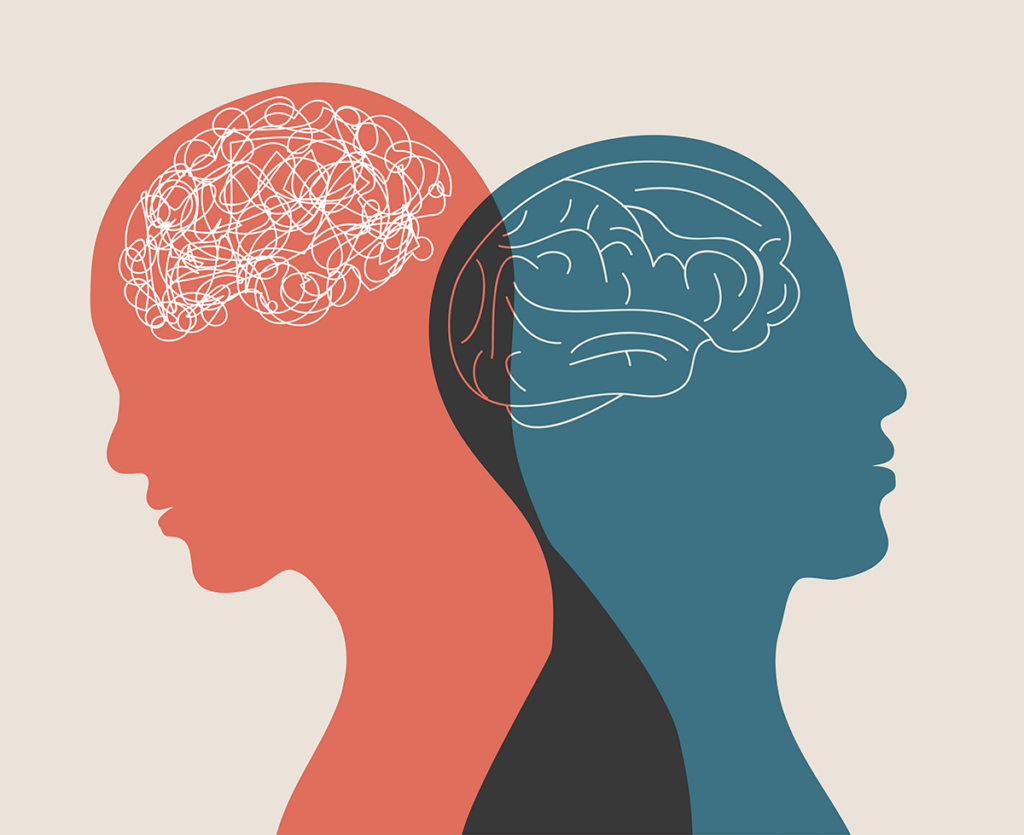
Credit: www.recoveryranch.com
Frequently Asked Questions
What Is Mental Health And Emotional Health?
Mental health involves cognitive, emotional, and psychological well-being. Emotional health focuses on managing emotions effectively. Both are essential for overall well-being. They influence thoughts, behaviors, and interactions. Prioritizing them improves life quality and resilience. Regular self-care practices can enhance mental and emotional health.
What Is The Definition Of Emotional Wellness?
Emotional wellness involves understanding and managing emotions effectively. It includes coping with challenges, maintaining healthy relationships, and fostering a positive mindset. Emotional wellness helps individuals build resilience and improve overall well-being. It emphasizes self-awareness and emotional regulation for a balanced life.
What Is An Example Of Emotional Health?
Managing stress effectively is an example of emotional health. It involves recognizing emotions and responding appropriately. Practicing self-care, maintaining positive relationships, and seeking help when needed also demonstrate emotional well-being. Balancing work and personal life contributes to emotional health, ensuring a harmonious and fulfilling life.
How Does Mental Health Affect Someone Emotionally?
Mental health significantly impacts emotions, causing mood swings, anxiety, or depression. It influences how individuals handle stress, relate to others, and make decisions. Emotional well-being directly affects daily functioning, relationships, and overall happiness. Prioritizing mental health helps maintain emotional stability and resilience.
Conclusion
Emotional and mental health matter every day. They shape how we live. Strong mental health builds resilience. It helps us face challenges. Good emotional health fosters connections. It strengthens relationships and trust. Taking care of your mind is vital. It leads to a happier life.
Practice self-care regularly. Support from friends and family is crucial. Seek professional help when needed. Small steps make a big difference. Prioritize mental health today. Live a balanced life. Embrace positivity and growth. Your mental well-being deserves attention. Make it a priority.








