Have you ever wondered about the difference between emotional and mental health? These two terms often get mixed up, leading to confusion and misunderstanding.
Knowing how they differ can be crucial for your well-being. By understanding both, you can take steps to improve your daily life and relationships. You’ll discover the unique traits of emotional and mental health, and learn why they matter to you.
As you read on, you’ll gain insights that could transform how you view yourself and others. This knowledge could be the key to unlocking a happier, healthier life. So, let’s dive into the fascinating world of emotional and mental health, and see how each plays a vital role in your overall well-being.
Defining Emotional Health
Understanding emotional health is vital for overall well-being. It shapes how we handle stress, relate to others, and make choices. Emotional health involves being aware of your emotions and managing them effectively. It goes beyond the absence of mental illness. It includes the presence of positive characteristics. This section will explore the essence of emotional health.
What Is Emotional Health?
Emotional health refers to a person’s ability to process emotions. It includes the capacity to express feelings in a constructive way. People with good emotional health are aware of their thoughts and feelings. They manage them without feeling overwhelmed. This doesn’t mean they never feel bad, but they handle feelings like anger and sadness well.
Characteristics Of Emotional Health
Several traits define emotional health. People with emotional health have self-awareness. They understand their emotions and how these affect their actions. They also show resilience, which helps them bounce back from setbacks. Emotional health involves managing stress effectively and maintaining a positive outlook.
Benefits Of Emotional Health
Good emotional health offers many benefits. It enhances relationships by promoting better communication. It also improves physical health by reducing stress. Emotionally healthy individuals tend to lead more satisfying lives. They enjoy a sense of purpose and contentment.
Ways To Improve Emotional Health
Improving emotional health is an ongoing process. Start by practicing mindfulness to stay present. Engage in activities that bring joy and relaxation. Build strong connections with friends and family. Express gratitude daily to boost positive feelings. Seek help from professionals when needed.
Credit: eddinscounseling.com
Defining Mental Health
Mental health is a crucial part of our overall well-being. It impacts how we think, feel, and act each day. Understanding mental health is key to improving life quality. It involves our emotional, psychological, and social well-being. These elements influence our thoughts, feelings, and behavior.
Good mental health is more than just the absence of mental illness. It allows us to handle stress, relate to others, and make choices. It is about enjoying life and coping with challenges.
What Is Mental Health?
Mental health includes emotional and psychological stability. It affects how we manage stress and relate to others. It also guides our decision-making processes. Good mental health fosters positive relationships and effective problem-solving skills. It helps in achieving potential and enjoying life.
Factors Influencing Mental Health
Several factors impact mental health. Genetics play a role in mental health conditions. Life experiences, such as trauma or abuse, can affect mental health too. Family history of mental health problems may also increase risks. Access to healthcare and social support can influence well-being.
Signs Of Good Mental Health
People with good mental health show certain traits. They feel good about themselves and have healthy relationships. They adapt to change and cope with stress effectively. They engage in activities they enjoy and have a sense of purpose. They also maintain a healthy balance between work and leisure.
Core Differences
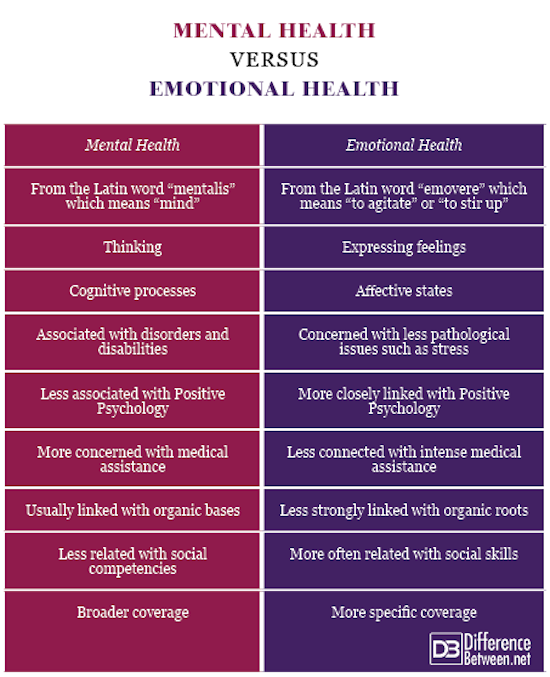
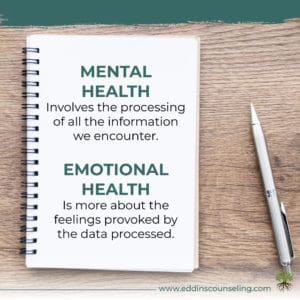
Emotional health focuses on feelings and how we express them. Mental health involves our thoughts and problem-solving skills. Both are important for well-being but play different roles.
Understanding the core differences between emotional and mental health can transform how you perceive your own well-being. While both are crucial to your overall health, they play distinct roles. Emotional health often revolves around how you manage your feelings, while mental health is more about how you process information and think. Recognizing these differences can empower you to take proactive steps in nurturing both areas effectively.Emotional Responses
Emotional responses are your immediate reactions to situations. They can be triggered by anything from a heartwarming movie to a stressful meeting. Think about the last time you felt overjoyed or incredibly anxious. That surge of feeling is your emotional health in action. Your ability to express these emotions appropriately and cope with them is a sign of good emotional health. But are you letting your emotions guide your actions, or are you reacting impulsively?Cognitive Processes
Cognitive processes involve how you think, reason, and understand the world around you. They’re the gears turning in your mind when you’re solving a problem or planning your week. Consider how you approach challenges—do you think things through calmly or find yourself overthinking? A strong mental health foundation allows you to process information effectively and make decisions that align with your goals. How do your thought patterns impact your daily life and choices? By asking these questions, you can start exploring the unique aspects of emotional and mental health. Understanding these differences helps you focus on what needs attention, whether it’s managing your emotions better or sharpening your cognitive skills.
Credit: www.drlogy.com
Common Overlaps
Exploring emotional and mental health reveals common overlaps. Both affect how we feel and think daily. These elements interact, influencing our well-being and behavior significantly. Understanding their connection helps in managing stress and improving overall health effectively.
Understanding the common overlaps between emotional and mental health can help you better manage your overall well-being. These two aspects of health often intertwine, influencing each other in profound ways. Recognizing their shared traits can empower you to tackle life’s challenges more effectively and enhance your quality of life.Stress And Coping
Stress is a universal experience. It impacts both emotional and mental health, often blurring the lines between the two. You may feel anxious and overwhelmed, which can affect your mood and thought patterns. Think about how you deal with stress. Do you find yourself worrying excessively or feeling down? These emotional responses can trigger mental health challenges like anxiety or depression. Effective coping mechanisms are crucial. Engaging in activities like exercise or meditation can alleviate stress and improve both emotional and mental health. Have you tried journaling or deep breathing exercises? They can offer relief and clarity.Interconnectedness
Emotional and mental health are tightly linked. How you feel often shapes your thoughts, and vice versa. Have you noticed how a bad mood can cloud your judgment or lead to negative thinking? If you nurture positive emotions, your mental health can benefit. This interconnectedness means that improving one area can uplift the other. Consider reaching out to friends or loved ones when you’re feeling low. Social connections can boost your mood and enhance your mental resilience. How do you maintain these connections in your life? Ask yourself: Are you paying attention to how your emotions impact your thoughts? Understanding this connection can be a powerful tool for improving your overall health.Impact On Daily Life
Emotional and mental health significantly impact daily life. They shape how individuals interact with the world around them. Understanding their effects on work, relationships, and social life is crucial. Let’s explore how they influence each of these aspects.
Work And Productivity
Emotional health affects concentration and motivation. When emotions are balanced, focus improves. People feel driven to complete tasks. Mental health influences decision-making skills. Clear thinking leads to better problem-solving. Poor mental health can lead to procrastination. It may cause errors in work. A supportive environment helps maintain productivity.
Relationships And Social Life
Emotional health impacts communication. It affects the ability to express feelings. Good emotional health encourages empathy. It helps to build strong connections. Mental health influences social interactions. Anxiety may create social barriers. Depression can lead to isolation. Healthy mental state enhances social enjoyment. It fosters meaningful relationships.
Cultural And Societal Influences
Exploring cultural and societal influences reveals differences in emotional and mental health. Emotional health involves how feelings are managed. Mental health focuses on cognitive processes. Societal norms shape perceptions, impacting individual experiences of health. Understanding these influences helps identify unique challenges and strengths in emotional and mental well-being.
Understanding how cultural and societal influences shape emotional and mental health is crucial. These influences are powerful forces that can affect how individuals perceive, express, and manage their emotions and mental well-being. You might find it intriguing to see how different cultures and societies impact these aspects in unique ways.How Culture Shapes Emotional Health
Culture defines the norms around expressing emotions. In some cultures, showing emotions openly is encouraged, while in others, restraint is valued. Imagine growing up in a society that praises emotional openness—you might find it easier to express your feelings. Cultural beliefs can also impact how emotional struggles are viewed. In some societies, emotional distress might be seen as a personal weakness, while others might view it as a normal part of life. This perspective can influence whether individuals seek help or try to manage on their own.Societal Expectations And Mental Health
Society sets expectations that can affect mental well-being. Expectations around success, beauty, and social status can create pressure. You might feel stressed trying to meet these standards, impacting your mental health. Social support systems vary across societies. Some have strong community networks that offer mental health support, while others may lack these structures. Having a robust support network can be a lifesaver when you’re struggling.Family Influence On Emotional And Mental Health
Family is often the first point of contact for emotional and mental health. Family attitudes towards mental health can shape how you perceive your own struggles. If your family is open and supportive, you’re likely to feel more comfortable seeking help. Generational beliefs can also play a role. Older generations might have different views on mental health compared to younger ones. These differences can lead to misunderstandings or lack of support.The Role Of Media And Technology
Media and technology play a significant role in shaping societal norms about emotional and mental health. Social media can create unrealistic expectations about life, which may lead to anxiety and depression. Consider how you feel after scrolling through curated content on social media platforms. However, media can also be a source of positive influence. Campaigns and discussions about mental health awareness can reduce stigma and encourage people to seek help. Have you ever felt inspired or reassured by a mental health story shared online?Globalization And Its Impact
Globalization introduces a mix of cultural influences, impacting emotional and mental health understanding. Exposure to diverse cultures can broaden your perspective on emotional expression and mental health management. However, it can also lead to cultural clashes. These clashes can create confusion about which norms to follow, potentially affecting your mental well-being. How do you navigate maintaining your cultural identity in a globalized world? Understanding these cultural and societal influences can help you navigate your own emotional and mental health journey. How can you use this knowledge to improve your mental well-being?Strategies For Improvement
Balancing emotional and mental health involves understanding their differences. Emotional health focuses on feelings, while mental health deals with thinking patterns. Strategies for improvement require comparing these aspects to pinpoint areas needing attention.
Improving both emotional and mental health is crucial for achieving a balanced and fulfilling life. While both areas are interconnected, they require different strategies for improvement. Understanding these strategies can help you build resilience, enhance your well-being, and face life’s challenges with greater confidence.Therapeutic Approaches
Seeking professional help can be a powerful way to enhance both emotional and mental health. Therapists can guide you through personalized strategies that suit your unique needs. Cognitive Behavioral Therapy (CBT), for example, can help you change negative thought patterns that affect your mental health. Consider joining a support group where you can share experiences and learn from others. Engaging in group therapy can provide a sense of belonging and understanding. It’s comforting to know you’re not alone in your struggles. If traditional therapy seems daunting, there are online options available. Apps and virtual sessions make therapy more accessible and flexible for your schedule. This way, you can prioritize your mental health from the comfort of your home.Self-care Techniques
Self-care is more than just pampering yourself; it’s about maintaining your emotional and mental well-being. Start by establishing a daily routine that includes activities you enjoy. Regular exercise, even a short walk, can boost your mood and reduce anxiety. Make time for mindfulness practices like meditation or yoga. These activities help you stay present and manage stress more effectively. They also improve your emotional regulation and mental clarity. Don’t underestimate the power of sleep and nutrition. A good night’s rest and a balanced diet are fundamental for both mental and emotional health. They provide the energy and focus needed to tackle daily challenges. Have you tried journaling? Writing down your thoughts and feelings can be incredibly therapeutic. It’s a safe space to express yourself and gain insights into your emotional state. What small changes can you make today to improve your emotional and mental health? Reflect on these strategies and choose what resonates with you. Your journey to better health is unique, and every step counts.Recognizing Warning Signs
Recognizing the warning signs of emotional and mental health issues is vital. These signs help identify when someone might be struggling internally. Emotional health involves how well you manage emotions. Mental health focuses on how you process thoughts and feelings. Both aspects are crucial for overall well-being. Identifying problems early can prevent bigger issues later.
When To Seek Help
Knowing when to seek help is important. Persistent sadness or anxiety can indicate a problem. If thoughts become overwhelming, it might be time to talk to a professional. Changes in appetite or sleep patterns are also red flags. If personal relationships suffer, consider seeking guidance. Early intervention can improve outcomes.
Support Systems
Support systems play a key role in emotional and mental health. Friends and family provide essential emotional support. Sharing feelings with trusted people can ease mental burdens. Professional support is also crucial. Therapists and counselors offer expert advice. Support groups provide a sense of community and understanding. Effective support systems foster resilience and recovery.
Credit: theridgertc.com
Frequently Asked Questions
How To Compare And Contrast Mental Health And Emotional Health?
Mental health involves cognitive processes like thinking and decision-making. Emotional health focuses on managing and expressing emotions. Both influence overall well-being. Balanced mental and emotional health contribute to a stable life. Understanding both helps in maintaining a healthy mind and body.
What Is The Difference Between Emotional Health And Mental Health?
Emotional health focuses on managing and expressing emotions effectively. Mental health involves cognitive processes like thinking and decision-making. Both contribute to overall well-being but address different aspects of psychological functioning. Maintaining both is crucial for a balanced life.
What Is The Difference Between Emotional And Mental Connection?
Emotional connection involves feeling empathy, affection, and understanding. Mental connection focuses on sharing thoughts, interests, and intellectual compatibility. Both connections contribute to strong relationships but differ in their emphasis on feelings versus intellect. Combining both types enhances relationship depth and communication.
What Is The Relationship Between Mental Health And Emotions?
Mental health significantly influences emotions. Stable mental health fosters positive emotions and effective emotional regulation. Emotional disturbances can indicate mental health issues. Understanding and managing emotions improves mental well-being. Emotional awareness and resilience are crucial for mental health maintenance.
Conclusion
Emotional and mental health play vital roles in our lives. Both are unique yet interconnected. Emotional health focuses on feelings and expressions. Mental health centers on thoughts and cognition. Each affects the other, shaping our well-being. Understanding their differences helps us maintain balance.
Prioritizing both supports overall health. Healthy emotions boost mental clarity. Strong mental health nurtures emotional resilience. Recognizing these aspects fosters a harmonious life. Strive for balance between the two. Small steps lead to big changes. Aim for a healthy mind and heart.
Embrace the journey to better health. Your well-being matters.








