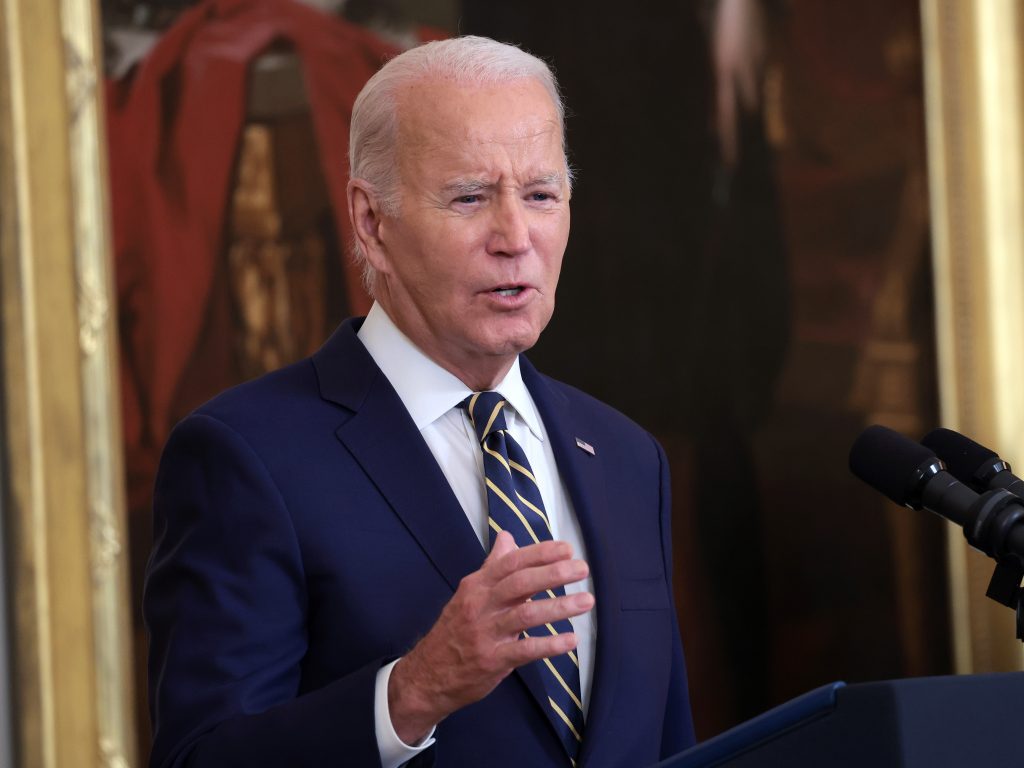
Have you ever wondered how mental health is being prioritized at the highest levels of government? If you’re concerned about the mental well-being of yourself or your loved ones, it’s time to pay attention to what’s happening on the national stage.
President Joe Biden has made mental health a key focus, and his initiatives could directly impact you and your community. From increasing access to mental health services to reducing the stigma associated with seeking help, Biden’s plans are designed to make a real difference.
Keep reading to discover how these changes might benefit you, and why understanding this issue is more important than ever.
Historical Context Of Mental Health Policies
The historical context of mental health policies is essential to understanding the current landscape of mental health care in the United States. Over the years, mental health policies have evolved, shaped by societal attitudes, scientific advancements, and political will. Exploring this history can reveal how past decisions impact present-day challenges and opportunities.
Evolution Over The Decades
In the early 20th century, mental health care was often rudimentary, with many individuals confined to asylums. The stigma surrounding mental health was significant, and treatment options were limited. As you might imagine, conditions in these institutions were far from ideal.
By the mid-20th century, significant changes began to unfold. The introduction of psychiatric medications and a growing understanding of mental health led to the deinstitutionalization movement. This shift aimed to integrate mental health patients into communities, offering them a chance at a more normal life.
Fast forward to the late 20th century, and mental health policies began to focus more on outpatient care and community-based services. The Mental Health Parity Act of 1996 marked a significant step toward equality in health insurance coverage for mental health services. Do you remember a time when mental health wasn’t covered by insurance like physical health? That act helped change that.
Key Challenges Faced
Despite progress, several challenges persist in mental health policy. One significant issue is the ongoing stigma surrounding mental illness, which can discourage individuals from seeking help. You’ve probably heard someone say, “Just tough it out,” right? This mindset can be harmful.
Access to mental health services remains uneven, with rural areas often lacking adequate resources. You might live in a city with plenty of options, but imagine being in a small town with none. This disparity can lead to untreated mental health issues.
Additionally, funding for mental health programs often falls short, impacting the quality and availability of care. Think about how often mental health takes a backseat in budget discussions. This underfunding complicates efforts to provide comprehensive care to all who need it.
As we look to the future, it’s crucial to ask: how can we build on past successes and address these ongoing challenges? Your voice and advocacy can play a role in shaping mental health policies that truly serve everyone.

Credit: www.cnn.com
Biden’s Vision For Mental Health
Mental health is a key focus in President Biden’s agenda. He envisions a system where every American can access quality mental health care. This vision aims to tackle challenges in mental health services, promoting a healthier nation.
Commitment To Comprehensive Care
Biden’s plan emphasizes comprehensive mental health care. It includes treatment for all age groups and conditions. This approach covers everything from early detection to ongoing support. It ensures that care is not just reactive but proactive, addressing issues before they escalate. The focus is on integrating mental health care with physical health services, creating a holistic care system.
Focus On Accessibility And Affordability
Accessibility is a cornerstone of Biden’s mental health vision. His plan proposes expanding telehealth services, making it easier for people to get help. It also includes increasing mental health professionals in underserved areas. Affordability is another key element. Biden aims to lower costs so that everyone can afford mental health care. His administration seeks to make mental health services a standard part of health insurance coverage.
Innovative Policy Proposals
President Biden’s administration has brought fresh ideas to mental health policy. These proposals aim to improve mental health care access for all Americans. They focus on integrating mental health services with broader healthcare systems. This approach ensures more people receive the care they need.
Integration With Primary Healthcare
Integrating mental health with primary healthcare is crucial. It allows patients to receive comprehensive care in one place. Doctors can quickly identify mental health issues during regular check-ups. This integration helps in early diagnosis and treatment. Patients benefit from having all health services under one roof. It reduces the stigma often associated with seeking mental health care.
Expansion Of Telehealth Services
Telehealth services have become essential for mental health care. Biden’s proposals aim to expand these services nationwide. Telehealth offers remote consultations, making therapy accessible to all. Patients can connect with therapists from their homes. This is especially helpful for those in rural areas. It also provides privacy for those who prefer discreet therapy sessions. Expanding telehealth ensures more people can get help when they need it.
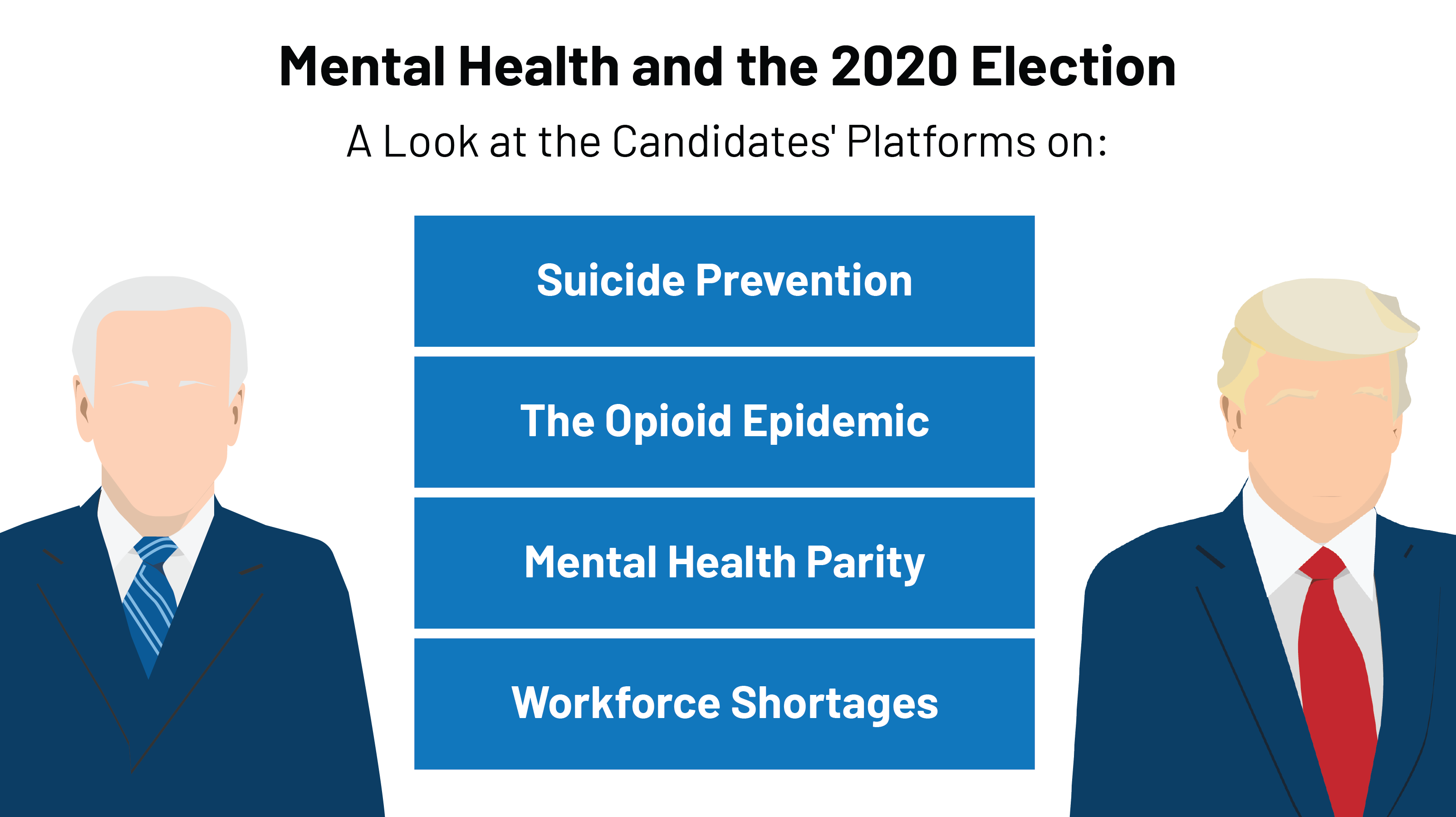
Credit: www.kff.org
Funding And Resources
The Biden administration places significant emphasis on mental health. Funding and resources are crucial. They aim to bridge gaps in mental health services. By allocating funds strategically, they hope to improve access and quality of care. This section explores how increased federal investment and public-private partnerships play vital roles.
Increased Federal Investment
The federal government has increased funding for mental health programs. This investment targets improving mental health infrastructure. New initiatives focus on expanding access to care. More clinics and support networks receive financial assistance. The goal is to reduce wait times and provide timely support. Training for mental health professionals is also prioritized. Funding ensures they are well-equipped to handle diverse cases.
Research and development receive a boost too. Investments support studies on mental health treatments. This ensures effective, evidence-based practices reach patients. The administration’s commitment shows in the budget allocations. Billions are directed towards mental health care improvements.
Public-private Partnerships
Collaborations with private sectors enhance mental health resources. Public-private partnerships bring new technology and innovation. Companies contribute tools and platforms for mental health support. These partnerships improve outreach efforts and service delivery. They allow for the integration of mental health apps and online platforms.
These collaborations offer valuable insights and expertise. They help tailor mental health services to meet diverse needs. Businesses and nonprofits play key roles in community outreach. They assist in spreading awareness and reducing stigma.
Shared resources lead to comprehensive mental health strategies. The goal is a network of support that benefits everyone. These partnerships strengthen the overall mental health framework.
Role Of Technology In Mental Health
Technology is reshaping how we approach mental health care. It offers tools that make therapy and support accessible. People are finding new ways to manage mental health. The Biden administration recognizes the potential of tech in mental health strategies.
Digital Tools And Applications
Digital tools are becoming essential in mental health care. Apps provide self-help resources and therapy options. Users can access them anytime, anywhere. Online platforms offer therapy sessions with licensed professionals. Virtual reality is used for exposure therapy and stress relief. These tools can be tailored to individual needs. They help track mood and health patterns.
Data Privacy And Security Concerns
Data privacy is crucial in digital mental health tools. Users share sensitive information. There is a risk of data breaches. Security measures must protect user data. Encryption and secure servers are necessary. Users need clear privacy policies. Trust is vital in digital mental health solutions. Ensuring privacy builds confidence in using these tools.
Focus On Vulnerable Populations
The Biden administration places significant emphasis on mental health care. A key focus is on vulnerable populations. These groups face unique challenges. They often lack resources or support. Addressing their needs is crucial for a healthier society. Let’s explore how Biden’s policies aim to support these communities.
Support For Veterans And Military Families
Veterans face a unique set of mental health challenges. Many struggle with PTSD and depression. The Biden administration prioritizes their mental well-being. Policies are in place to provide better access to mental health care. This includes more counselors and therapists. Military families also receive more support. Programs offer resources to help them cope with stress. These initiatives aim to reduce the mental health burden. They strive to improve the quality of life for veterans and their families.
Addressing Racial And Socioeconomic Disparities
Racial and socioeconomic disparities impact mental health. Communities of color often lack access to care. Socioeconomic factors create additional barriers. The Biden administration seeks to bridge these gaps. Efforts focus on making mental health care more accessible. Initiatives aim to increase funding for community health centers. These centers provide vital mental health services. Addressing these disparities helps create a more equitable society. It ensures everyone receives the care they need.
Collaborative Efforts And Stakeholder Involvement
The Biden administration emphasizes the importance of mental health. Collaborative efforts and stakeholder involvement are key in this mission. By working together, they aim to improve mental well-being. This approach ensures diverse perspectives and expertise are included. It fosters a supportive environment for mental health initiatives.
Engagement With Mental Health Professionals
Mental health professionals play a crucial role in shaping policies. The administration actively engages with psychologists, therapists, and counselors. Their input helps in crafting effective mental health strategies. This collaboration ensures that policies reflect real-world needs. It also aids in identifying gaps in current mental health services.
Community-based Initiatives
Community-based initiatives are vital for reaching local populations. The Biden administration supports programs that bring services to communities. Local involvement ensures that solutions are practical and culturally sensitive. These initiatives help in reducing mental health stigma. They also provide accessible resources for those in need.
Measuring Success And Impact
Understanding the success and impact of President Biden’s mental health initiatives is crucial for evaluating their effectiveness. Success isn’t just about numbers; it’s about real change in people’s lives. How do we measure the true impact of these programs? You might be surprised by the different ways this can be done.
Metrics For Evaluation
Metrics provide a concrete way to assess progress. They offer insights into areas of improvement and highlight achievements. You could look at statistics like the number of people seeking mental health services or the increase in mental health professionals. But numbers alone don’t paint the full picture.
Consider the quality of care provided. Are individuals reporting better experiences and outcomes? Surveys and feedback from users can reveal the effectiveness of services. Imagine asking someone who has benefited directly from these initiatives. Their story would likely highlight areas that numbers may overlook.
Long-term Outcomes
Long-term outcomes focus on sustainability. They help you understand if changes are lasting. Think about whether improved access to mental health services leads to lasting societal change. Are communities experiencing reduced stigma around mental health?
Another aspect is prevention. Successful programs often result in fewer people needing emergency mental health care. Are schools implementing effective mental health education that prevents issues before they start? These questions help in understanding the depth of impact.
Real success is seen in changed lives. Imagine a community where mental health care is as accessible and normalized as physical health care. What would that look like for you and your loved ones? Evaluating long-term outcomes can guide future policies and ensure enduring benefits.

Credit: x.com
Frequently Asked Questions
What Is Biden’s Stance On Mental Health?
President Biden prioritizes mental health as a critical issue. His administration aims to improve access to mental health services. Key initiatives include funding for community mental health centers and integration of mental health care in primary settings. Efforts also focus on reducing stigma around mental health.
How Does Biden Plan To Support Mental Health?
Biden’s plan includes expanding mental health services and reducing barriers to access. He supports increased funding for mental health research and treatment. Additionally, Biden advocates for mental health parity in insurance coverage. His administration is also working on initiatives to support mental health in schools and workplaces.
What Are Biden’s Mental Health Policy Goals?
Biden’s mental health policy goals include increasing access to mental health care. He aims to integrate mental health into primary healthcare settings. Reducing stigma and expanding mental health services in underserved areas are also priorities. Biden supports initiatives for mental health research and suicide prevention.
How Does Biden Address Mental Health Stigma?
Biden addresses mental health stigma through public awareness campaigns and policy changes. His administration promotes open conversations about mental health issues. Efforts include initiatives to integrate mental health education in schools. Biden’s policies aim to normalize seeking help for mental health concerns.
Conclusion
Biden’s mental health initiatives highlight a serious national concern. His policies aim to boost support for those struggling. Accessible mental health services can transform lives. People deserve help without stigma. Promoting awareness encourages open conversations. Such efforts can break barriers.
Support systems must evolve to meet diverse needs. Together, society can foster a healthier environment. Mental health deserves priority in public discourse. Biden’s focus brings hope for a better future. Addressing these challenges benefits everyone. Let’s continue advocating for comprehensive care and understanding.
Real change requires collective effort and compassion.








