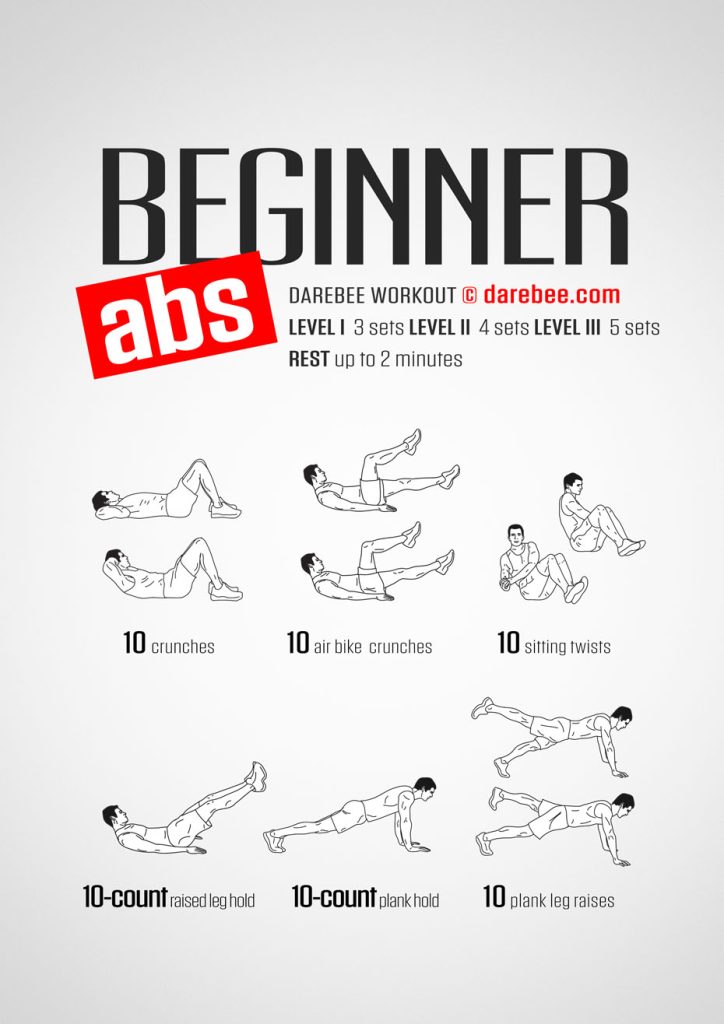
Imagine looking in the mirror and seeing the toned abs you’ve always wanted, all without stepping foot in a gym. Yes, it’s possible, and yes, you can start today.
If you’re tired of scrolling through endless workout plans that seem too advanced or time-consuming, you’re in the right place. This beginner abs workout is designed just for you, right in the comfort of your own home. No fancy equipment, no confusing routines – just effective exercises that fit into your busy life.
As you follow along, you’ll discover how easy it is to build core strength and achieve that flat stomach you’ve been dreaming of. Ready to transform your fitness routine and see real results? Keep reading to uncover the secrets to a stronger, healthier you.
Benefits Of Core Workouts
Core workouts are essential for overall fitness. They target the muscles in your abdomen, lower back, and pelvis. These exercises offer numerous benefits. Whether you’re a beginner or advanced, a strong core is vital. It supports your daily activities and improves athletic performance.
Improved Posture
Good posture is crucial for health. Core workouts help align your spine. They strengthen muscles that support your back. This reduces slouching and keeps your spine straight. You may notice less tension in your neck and shoulders. A strong core can make standing and sitting more comfortable.
Enhanced Stability
Core strength improves balance. It helps you stay steady on your feet. This is important during physical activities and daily tasks. A stable core reduces the risk of falls. It also enhances coordination. This is especially beneficial for sports and exercises requiring agility.
Increased Strength
Core workouts boost overall strength. They target multiple muscle groups. This leads to better performance in other exercises. A stronger core supports heavier lifting. It also improves endurance. This enhances your ability to perform various physical tasks with ease.

Credit: www.facebook.com
Setting Up Your Home Workout Space
Creating the perfect home workout space can be a game-changer for your fitness journey. It’s not just about finding a corner to exercise; it’s about crafting an environment that boosts your motivation and helps you stay consistent. Let’s dive into how you can set up your home workout space effectively.
Choosing The Right Spot
First things first, pick a spot that offers enough space for movement without feeling cramped. You don’t need a sprawling gym; a small section of your living room or bedroom can work wonders. Consider areas with good lighting to keep your spirits high during workouts.
Think about the floor too. Carpeted areas can be soft, but a hard surface like wood or tile might be better for stability during exercises. Visualize where you’ll feel most comfortable exercising, and make sure it’s a spot you can access easily.
Essential Equipment
Don’t worry about expensive gear. A yoga mat and a set of dumbbells are usually all you need to kickstart your abs workout at home. Resistance bands are also great for adding variety to your routines.
Consider investing in a stability ball for additional core exercises. Make a list of the equipment that aligns with your workout goals. You’ll find that having the right tools can enhance your sessions significantly.
Creating A Motivating Environment
Surround yourself with motivation. Hang up a poster of your fitness goals or quotes that inspire you. Music can be a powerful motivator—create a playlist that gets you pumped up and ready to move.
Keep your workout space tidy. Clutter can be distracting and demotivating. Imagine stepping into a clean, organized space that invites you to exercise. How does it make you feel?
Think about adding a mirror. Watching your form can improve your technique and keep you engaged. Ask yourself, what small changes can make your workout space more inviting?
Setting up your home workout space doesn’t have to be overwhelming. With a bit of creativity and planning, you can create a spot that’s perfect for achieving your fitness goals. What’s stopping you from starting today?
Essential Warm-up Exercises
Before you dive into your beginner abs workout at home, it’s crucial to prepare your body with some essential warm-up exercises. Proper warm-ups can significantly enhance your performance and prevent injuries. You might be tempted to skip this step, but think of it as the foundation of your workout routine. A good warm-up gets your blood flowing and muscles ready for action. Let’s break down two key components: dynamic stretching and cardio warm-up.
Dynamic Stretching
Dynamic stretching involves moving parts of your body through their full range of motion. It’s a great way to loosen up your muscles and joints. Try adding arm circles to your routine. Stand with your feet shoulder-width apart and swing your arms in large circles. This engages your shoulders and warms them up effectively.
Leg swings are another excellent option. Stand next to a wall for support and swing one leg back and forth. This exercise helps your hip joints and leg muscles get ready for action. Dynamic stretches are not static; they keep you moving, which is exactly what your body needs before a workout.
Cardio Warm-up
Your heart needs a wake-up call, too. Cardio warm-ups are essential for increasing your heart rate gradually. You don’t need fancy equipment or a lot of space. Start with jumping jacks. They’re simple but effective. A minute of jumping jacks gets your blood pumping and your body alert.
If you prefer something less intense, try marching in place. Lift your knees high and swing your arms to mimic a brisk walk. Even a short session of marching can prepare your body for more strenuous exercises. Consider this: How much more energized do you feel after a quick cardio boost?
These warm-ups might seem basic, but they’re powerful. They set the stage for a successful workout. Next time you gear up for your abs session at home, remember to start with dynamic stretching and a cardio warm-up. Your body will thank you, and your abs workout will feel more productive and less daunting.

Credit: www.pinterest.com
Core Exercises For Beginners
Starting a fitness journey can be both exciting and daunting. If you’re looking to strengthen your core at home, you’re in the right place. Core exercises for beginners offer a great foundation for building strength, improving posture, and enhancing balance.
You might wonder, why focus on your core? A strong core not only supports your overall fitness but also makes everyday activities easier. Imagine carrying groceries or playing with your kids without any strain. Let’s dive into some beginner-friendly exercises that you can easily do at home.
Plank Variations
The plank is a powerhouse for core strength. It engages multiple muscles at once, offering a full-body workout.
- Standard Plank: Start on your forearms and toes, keeping your body in a straight line. Hold for 20-30 seconds.
- Knee Plank: If the standard plank is challenging, drop your knees to the ground. This takes some pressure off while still working your core.
- Side Plank: Lie on your side, supporting yourself on one forearm. Raise your hips and hold, focusing on maintaining balance.
When I started planking, my arms would shake within seconds. But with consistency, my endurance improved rapidly. How long can you hold your plank today?
Crunch Techniques
Crunches are a classic core exercise, and they can be modified to suit beginners. Focus on quality over quantity to avoid straining your neck or back.
- Basic Crunch: Lie on your back with knees bent. Lift your shoulders off the ground using your core. Keep your chin up and gaze towards the ceiling.
- Reverse Crunch: Lie flat, lift your legs, and bring your knees towards your chest. This variation targets the lower abs.
- Bicycle Crunch: Start in a basic crunch position but add a twist. Bring your elbow to the opposite knee as you lift and twist your torso.
Crunches were initially tough for me, especially maintaining form. But I quickly noticed improvements in my core strength. Can you feel the burn yet?
Leg Raises
Leg raises are excellent for targeting the lower abdominal muscles. They are simple yet effective.
- Lying Leg Raises: Lie flat on your back, lift your legs to a 90-degree angle, and slowly lower them back down without touching the floor.
- Seated Leg Tucks: Sit on the edge of a chair or bench, lean back slightly, and bring your knees towards your chest.
- Standing Leg Raises: Stand upright and lift one leg to the front, alternating between legs.
Initially, I struggled with leg raises, feeling a strain in my lower back. With practice, my form improved, and so did my confidence. Do you find them challenging or invigorating?
These beginner core exercises are a fantastic way to start building your strength at home. Remember, consistency is key. Set small goals, track your progress, and celebrate your achievements. What’s your next fitness milestone?
Effective Workout Routine
Starting a beginner abs workout at home is an exciting journey. You don’t need fancy equipment or a gym membership to get those abs toned. An effective workout routine is all about consistency and simplicity. It’s about finding exercises that fit your lifestyle and sticking to them. Let’s break down an effective routine with a weekly schedule and progress tracking.
Weekly Schedule
Your weekly schedule should be manageable yet challenging. Begin with three days a week dedicated to your abs workout. You can gradually increase the frequency as your strength improves. Here’s a simple plan:
- Monday:Crunches, Planks, Leg Raises
- Wednesday:Russian Twists, Bicycle Crunches, Flutter Kicks
- Friday:Mountain Climbers, Side Planks, V-Ups
Each session should last about 20-30 minutes. Keep your form correct to avoid injury. Remember, it’s not about how fast you do them, but how well.
Progress Tracking
Tracking your progress is key to staying motivated. Use a simple notebook or a fitness app to log your workouts. Note how many reps you complete and how you feel afterwards.
Every two weeks, review your notes. Are you able to do more reps? Are the exercises getting easier? Celebrate these small victories. They show you’re getting stronger!
Consider taking progress photos every month. They provide a visual record of your journey. It’s incredible to see how far you’ve come, even if the changes are subtle.
Think about setting specific goals. Do you want to hold a plank for longer? Or increase the number of crunches you do in a set? These goals keep your focus sharp and your motivation high.
Now, here’s a question: What will you do when you reach your goals? Will you set new ones or maintain your current routine? Planning ahead keeps your fitness journey fresh and exciting.
Remember, the path to strong abs is a marathon, not a sprint. Stick with your routine, track your progress, and adjust as needed. You’re on your way to achieving those toned abs, right from the comfort of your home!
Tips For Staying Motivated
Staying motivated during a beginner abs workout at home can be tough. Distractions are everywhere. Results may seem slow. But motivation is key to success. Here are some practical tips to keep you on track.
Setting Goals
Clear goals make a big difference. They give direction and purpose. Start with small, achievable targets. Maybe aim for a five-minute workout session. Gradually increase the time as you get comfortable. Write down your goals. This makes them real and keeps you accountable.
Tracking Progress
Seeing progress can boost motivation. Keep a simple workout journal. Record what exercises you do and for how long. Note how you feel after each session. Track any changes in your strength or stamina. Photos can be helpful too. A picture can show results better than words.
Finding Support
Support can be motivating. Share your goals with friends or family. They might join you in your workouts. Join online fitness communities. There, you can find others with similar goals. Encourage each other and share tips. Support makes the journey more enjoyable.
Nutrition For A Strong Core
Building a strong core begins with nutrition and a beginner abs workout at home. Balanced meals support muscle growth and recovery. Fresh fruits, lean proteins, and whole grains provide energy for effective workouts.
Nutrition for a Strong CoreAchieving a strong core isn’t just about crunches and planks; it’s also about what you put on your plate. Nutrition plays a crucial role in building those coveted abs. You might wonder how your diet can impact your core strength, but trust me, it does. Let’s delve into the essentials of eating your way to a powerful midsection.Balanced Diet
Eating a balanced diet is like giving your body the right fuel to power through workouts and recover effectively. Focus on incorporating lean proteins, whole grains, and plenty of fruits and vegetables. These foods provide the necessary nutrients and energy to support muscle growth and repair. I once thought cutting carbs would fast-track my abs journey. It didn’t. Instead, it left me fatigued and unmotivated. A well-rounded diet helped me stay consistent with my workouts. Consider this: Are you eating enough of the right foods to support your core training?Hydration Importance
Drinking enough water might seem like a no-brainer, but its impact on your core strength is significant. Proper hydration ensures that your muscles function optimally and recover more quickly. Dehydration can lead to muscle cramps and fatigue, derailing your workout plans. I learned this the hard way during a particularly grueling session—never again. Keep a water bottle handy and aim for at least eight glasses a day. Listen to your body’s thirst cues, especially during and after workouts. Are you underestimating the power of hydration in your fitness journey? Remember, your kitchen is as important as your gym when it comes to building a strong core. Embrace these nutritional insights, and watch your hard work pay off in the form of a toned, resilient midsection.Avoiding Common Mistakes
Starting a beginner abs workout at home can be exciting, but avoiding common mistakes is crucial to ensure progress and prevent injury. Understanding the pitfalls can help you build a strong, effective routine. Let’s dive into two major mistakes that can hinder your journey: incorrect form and overtraining risks.
Incorrect Form
Incorrect form is a sneaky mistake that can easily derail your workout efforts. When you’re at home, without a trainer, it’s easy to fall into bad habits. Are you sure your posture is right when doing crunches?
Engage your core, keep your neck neutral, and avoid pulling on your head with your hands. This prevents strain and ensures your abs are doing the work. You might notice a difference in how your muscles feel during the exercise. Pay attention to these sensations.
Consider recording yourself or using a mirror to check your form. It’s a simple way to catch mistakes early and correct them. Your body will thank you later!
Overtraining Risks
Overtraining is another common pitfall. It’s tempting to push hard for quick results, but your abs need time to recover. Have you ever felt exhausted and wondered why the results aren’t matching the effort?
Train your abs efficiently by scheduling rest days. This helps muscles repair and grow. Balance is key, and it prevents burnout. Remember, quality trumps quantity.
Think about your overall workout plan. Are you allowing your body enough time to rest? If you’re feeling fatigued, it might be time to reassess your routine.
By focusing on form and pacing your workouts, you create a sustainable path to stronger abs. What adjustments will you make to your routine today? Your commitment to avoiding these mistakes can make all the difference.

Credit: www.pinterest.com
Frequently Asked Questions
What Is The Best Ab Exercise For Beginners?
The plank is ideal for beginners seeking an effective ab exercise. It strengthens your core and improves stability. Start with short intervals, gradually increasing duration as strength builds. Maintain proper form with a straight back and engaged core for optimal results.
Will 100 Crunches A Day Give You Abs?
Doing 100 crunches daily won’t guarantee visible abs. Abs require overall fat loss and a balanced diet. Engage in full-body workouts and cardio to reduce body fat for defined abs. Consistent exercise and healthy eating are key for achieving and maintaining visible abs.
Is Abs In 30 Days Real?
Achieving visible abs in 30 days is challenging but possible with a strict diet and workout routine. Consistency, proper nutrition, and targeted exercises are crucial. Individual results vary based on body type and starting point. Consulting a fitness professional can enhance effectiveness.
Does A 10 Minute Abs Workout Really Work?
A 10-minute abs workout can be effective if done consistently. It strengthens core muscles and improves endurance. For optimal results, combine it with a balanced diet and overall fitness routine. Short workouts can fit into busy schedules and help maintain motivation.
Conclusion
Starting your fitness journey? This beginner abs workout is perfect for home. Easy exercises help strengthen your core. No fancy equipment needed. Just a mat and your motivation. Consistency is key. Stick to your routine for the best results. Remember to focus on form.
Proper form prevents injuries and boosts effectiveness. Listen to your body. Rest when needed. Gradually increase intensity as you improve. Enjoy the process and celebrate small victories. A stronger core supports overall health. Keep pushing towards your fitness goals. You got this!








