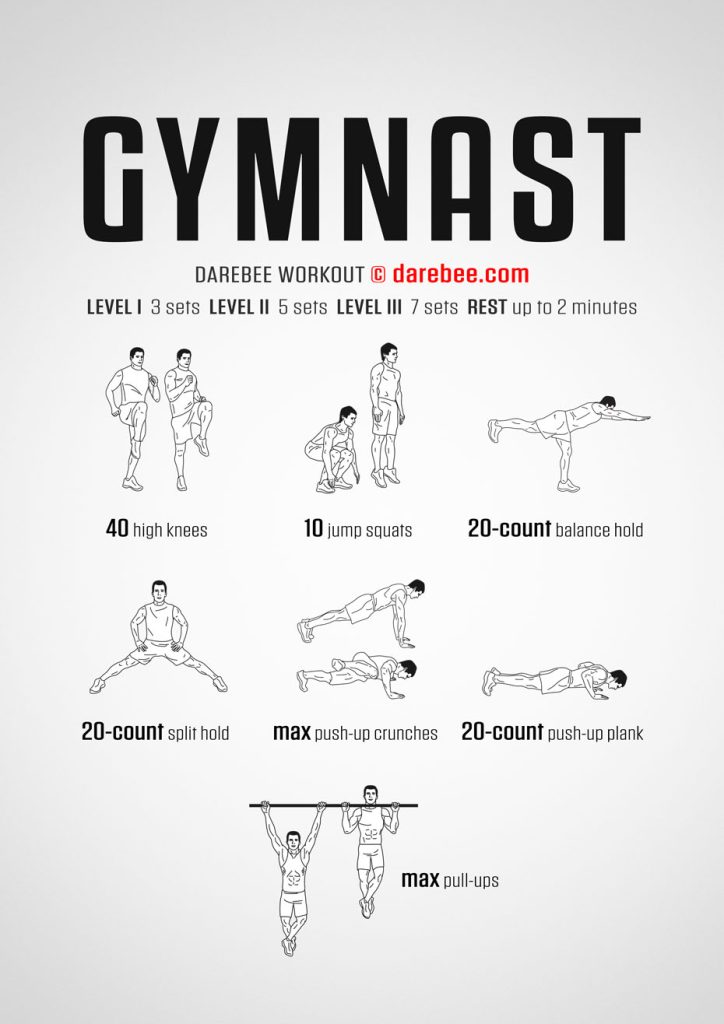
Imagine transforming your living room into your personal gym. You don’t need fancy equipment or a spacious room to start mastering the art of gymnastics.
With a few simple tricks and the right mindset, you can train like a gymnast right at home. The benefits? Increased strength, flexibility, and confidence, all without leaving your house. Whether you’re a beginner or looking to refine your skills, an effective workout is within your reach.
Curious about how to make the most out of your home workout? Let’s dive into the steps that will elevate your fitness routine and bring out your inner gymnast.

Credit: www.pinterest.com
Benefits Of Home Gymnastics
Embracing gymnastics workouts at home can transform your fitness routine in ways you might not expect. Not only do they offer a unique blend of strength, flexibility, and balance training, but they also fit seamlessly into your daily life. Whether you’re a seasoned gymnast or a beginner, practicing at home can yield impressive benefits.
Convenience And Flexibility
Imagine rolling out of bed and diving straight into your workout without the hassle of commuting. Home gymnastics allows you to exercise whenever suits you best, fitting around your schedule effortlessly.
With no time restrictions, you can experiment with different routines and discover what works best for your body. You also avoid the crowded gym spaces, making your workout a more peaceful experience.
Cost-effective Fitness
Skipping the gym membership can be a relief for your wallet. Investing in basic equipment like mats and resistance bands is much cheaper and lasts for years.
Consider how much money you save on travel expenses and gym fees. This financial freedom allows you to focus on your fitness goals without any monetary stress.
Personalized Progress
Working out at home lets you tailor your routines to your personal goals. You can focus on areas needing improvement, whether it’s increasing flexibility or building core strength.
Track your progress with simple tools like a journal or a fitness app. Witnessing your own growth can be incredibly motivating and rewarding.
Enhanced Focus And Motivation
Home workouts eliminate distractions common in gyms, allowing you to concentrate solely on your performance. This heightened focus can lead to quicker improvements.
Find motivation in creating a dedicated workout space. Decorate it with inspiring quotes or posters, and you might find yourself more eager to exercise.
Safety And Comfort
Exercising in your own space can reduce injuries. You have control over your environment, ensuring it’s safe and comfortable.
Consider how home workouts let you move at your own pace. This personalized approach minimizes the risk of pushing too hard and getting hurt.
Have you ever thought about the gym as a place of stress instead of fitness? Switching to home gymnastics might just be the answer to a more relaxed and productive workout routine.
Creating A Safe Space
Creating a safe space for your gymnastics workout at home is crucial. A secure environment prevents injuries and enhances your training experience. It allows you to focus on improving your skills without worry. Proper setup transforms any room into a gymnast-friendly zone.
Clear Area Selection
Choosing the right area in your home is the first step. Select a spacious spot where you can move freely. Ensure there are no obstacles like furniture, lamps, or shelves nearby. This helps in avoiding accidents during your workout. A clutter-free zone is essential for focus and safety.
Flooring And Mats
Flooring plays a vital role in your gymnastics practice. Opt for a surface that provides grip and support. Hardwood floors or carpet are suitable options. Adding mats enhances safety by cushioning falls and landings. Mats reduce the risk of injuries and provide comfort. Choose thick and durable mats for better protection.
Warm-up Routines
Starting your gymnast workout at home requires effective warm-up routines. These routines prepare your body for flexibility and strength exercises. Boost circulation and prevent injuries with dynamic stretches and light cardio.
Warm-up routines set the tone for an effective workout. They prepare your body for intense exercises. Starting with a proper warm-up reduces injury risk and enhances performance. At home, gymnasts need a reliable warm-up routine to ensure safety and success. Incorporating dynamic stretching and a cardio warm-up can help achieve these goals.Dynamic Stretching
Dynamic stretching is essential for gymnasts. It involves active movements to increase flexibility. Leg swings are effective for loosening leg muscles. Arm circles warm up the shoulders. These movements mimic actions you perform during exercises. They enhance blood flow to muscles. Perform each stretch for 30 seconds. Dynamic stretches improve muscle elasticity. They prepare the body for complex moves. Include them in your daily routine for better results. Always focus on controlled movements. Avoid bouncing or jerking motions. This ensures muscles warm up safely.Cardio Warm-up
Cardio exercises increase heart rate quickly. Jumping jacks are simple and effective. They engage multiple muscle groups at once. High knees also boost your heart rate efficiently. Perform each exercise for one minute. These exercises stimulate blood circulation. A cardio warm-up prepares you for intense training. It enhances endurance and stamina. Begin with low-intensity exercises. Gradually increase the pace as you progress. This method prevents fatigue and ensures a steady workout. Remember to breathe deeply and maintain a steady rhythm.
Credit: gymnasticshq.com
Bodyweight Exercises
Getting into gymnastics doesn’t mean you need fancy equipment or a professional gym setup. You can kickstart your fitness journey right in your living room with bodyweight exercises. They’re not just convenient; they build strength, agility, and balance, essential for any gymnast.
Push-ups Variations
Push-ups are a cornerstone for building upper body strength. But why stick to the basic ones? Try the diamond push-up where your hands form a diamond shape under your chest. It targets your triceps and adds a new challenge.
For more excitement, attempt the clap push-up. It requires explosive power and coordination, pushing your limits. You’ll feel the burn, but that’s just your muscles growing stronger.
Core Strengthening
Your core is the powerhouse for gymnastic moves. Planks are excellent, but have you tried the side plank? It engages your obliques and improves stability.
Russian twists are another great option. Sit with your legs off the ground, twisting your torso side to side. Feel the tension in your abs—you’re building a rock-solid core.
Leg And Glute Workouts
Strong legs are crucial for jumps and landings. Squats are effective, but add a twist with jump squats. They increase strength and explosive power, perfect for gymnastic leaps.
Lunges also do wonders. Step forward, then push back, alternating legs. For an extra challenge, try walking lunges. They’re simple yet effective, pushing your leg muscles to their limits.
Think about this: How much time do you spend on your bodyweight workouts? It’s not just about the exercises; it’s about consistency and dedication. Start small, and build up. Your home can be your gym, and your body, the tool to achieve greatness.
Flexibility And Stretching
Enhancing flexibility and practicing stretching are essential for gymnasts working out at home. Regular sessions improve body balance and prevent injuries. Incorporating these exercises into daily routines supports overall performance, making workouts more effective and enjoyable.
Flexibility and stretching are vital in gymnastics workouts at home. They enhance performance and reduce injury risks. Regular stretching improves muscle elasticity. It helps achieve fluid movements and extends range of motion. Strength and agility come from proper flexibility routines. These routines focus on different body parts. Let’s explore some essential flexibility exercises. They are crucial for gymnasts, especially at home.Splits Practice
Splits practice boosts leg flexibility. Begin with warm-up exercises. This prepares muscles for deeper stretches. Start with lunges and hamstring stretches. They loosen muscles and improve blood flow. Gradually ease into the splits position. Hold the position for 30 seconds. Repeat daily for visible progress. Consistency leads to better flexibility. Always listen to your body. Avoid pushing too hard. Safety is key during splits practice.Back And Shoulder Flexibility
Back and shoulder flexibility is crucial. It enhances posture and supports complex moves. Start with shoulder rolls. They relieve tension and increase range. Next, incorporate bridge exercises. Bridges strengthen the back and open the shoulders. Hold the bridge position for 15 seconds. Repeat for three sets. Add arm circles to your routine. They enhance shoulder mobility. Regular practice improves flexibility. It also contributes to overall physical health. Implement these exercises into your daily workout. You’ll see significant improvements. Enjoy a flexible and strong body.Balancing Skills
Gymnasts can enhance their balance by practicing at home. Simple exercises like standing on one leg improve stability. Regular practice helps in refining these essential skills.
Balancing skills are essential in gymnastics and can be honed even at home. Developing these skills not only enhances your performance but also boosts your confidence. Imagine mastering a handstand without wobbling or walking gracefully across a balance beam in your living room. These exercises require focus, discipline, and a bit of creativity. Let’s dive into how you can practice balancing skills with ease.Handstands Without Support
Mastering a handstand is a dream for many aspiring gymnasts. Start by practicing against a wall for safety. Gradually, try to move away from the wall, holding the position for a few seconds. Focus on keeping your body straight. Engage your core and keep your legs together. This will help maintain balance. Consider setting a goal: hold a handstand for ten seconds without support. Celebrate small victories as you progress. Remember, persistence is key.Balance Beam At Home
You don’t need a professional balance beam to practice at home. Use a simple line of tape on the floor or a sturdy piece of wood. Begin by walking across the line. Keep your arms out to the sides for balance. Once you’re comfortable, try more challenging moves like turns or small jumps. Get creative with your practice. Involve your family in a friendly competition: who can stay on the beam the longest? This makes the learning process fun and engaging. Balancing skills require patience and practice. How will you incorporate these exercises into your routine? Start today and watch your skills improve.Improving Coordination
Enhancing coordination through gymnastics exercises at home can boost agility and balance. Simple routines like stretching and balance drills help develop better body control. Regular practice strengthens muscles and improves overall movement efficiency.
Improving coordination is key for anyone aiming to excel in gymnastics. It helps you move gracefully, control your body better, and perform complex routines with ease. Even if you don’t have access to a gym, you can still enhance your coordination with some effective workouts at home. Regular practice is crucial, but more importantly, ensuring that your drills focus on enhancing your body’s ability to work in harmony is essential. Let’s dive into some specific exercises that can help.Jumping Drills
Jumping drills are fantastic for boosting coordination. They require you to engage multiple muscle groups, improving your balance and agility. Start with simple jumping jacks or single-leg hops. Try box jumps if you’re up for a challenge. They test your coordination by forcing your body to synchronize movement and power. Make sure you have a safe, sturdy platform to jump onto. Focus on landing softly to protect your joints. Pay attention to your form, and aim for control over height. How does your body feel when you land? Are you balanced?Dance And Movement
Dance can be a fun and effective way to improve coordination. It requires you to move your body in rhythm, helping you develop better timing and spatial awareness. Even a short daily dance session can make a big difference. Consider learning a simple dance routine from a YouTube video. This not only helps with coordination but also boosts your mood and keeps the exercise enjoyable. You can also try movement exercises like tai chi or yoga. These practices emphasize fluid movement and control. They teach you to be in tune with your body, improving your overall coordination. By incorporating these exercises into your routine, you can enjoy better coordination and enhanced performance in gymnastics. What small step will you take today to improve your coordination?
Credit: gymnasticshq.com
Progress Tracking
Tracking progress is essential in any workout routine. It helps you see your improvements and areas needing more focus. For gymnasts working out at home, progress tracking can be a game-changer. It ensures consistent improvement and keeps motivation levels high.
Setting Goals
Start with clear, achievable goals. Define what you want to accomplish in your home workouts. These goals could be mastering a specific move or improving flexibility. Write them down for better commitment. Simple goals are easier to track and achieve.
Self-assessment Techniques
Assess your skills regularly. Use videos to record your routines. Watching yourself helps spot mistakes or areas for improvement. Another technique is to keep a workout journal. Note the exercises, repetitions, and any challenges faced. This journal acts as a personal training log.
Staying Motivated
Gymnast workouts at home spark motivation through flexibility and control. Create a routine with easy exercises. Focus on balance, strength, and endurance to keep spirits high.
Staying motivated while doing gymnast workouts at home can be challenging. Distractions are everywhere. The couch, TV, and phone seem more appealing. But motivation is key to success. It helps you stay on track and achieve your goals.Creating A Routine
Having a routine is crucial for staying motivated. Set a specific time for your workouts. This creates a habit. Choose a time when you have the most energy. Morning, afternoon, or evening—pick what suits you best. Make sure to warm up before starting. This prevents injuries and prepares your body. Include a mix of exercises. Balance, strength, and flexibility should be part of your routine. Variety keeps things interesting. Change up your exercises every few weeks.Inspiring Resources
Find resources that inspire you. Online videos can be a great help. Many professional gymnasts share their routines. Watching them can boost your motivation. Books on gymnastics can also be inspiring. Learn about famous gymnasts and their journeys. It’s motivating to see their hard work and dedication. Join online communities. Share your progress and learn from others. Engaging with like-minded people keeps you motivated. They can offer tips and support when you need it.Frequently Asked Questions
How Do Gymnasts Train At Home?
Gymnasts train at home by practicing basic skills, stretching, and conditioning exercises. They use mats for safety. Online tutorials help refine techniques. Consistent practice builds strength and flexibility. Emphasizing balance and coordination is crucial. Home equipment like balance beams and bars enhances training sessions.
How To Get A Gymnast Body At Home?
To achieve a gymnast body at home, focus on bodyweight exercises like push-ups, planks, and squats. Incorporate flexibility routines such as yoga or stretching. Maintain a balanced diet rich in proteins and vegetables. Stay consistent and track your progress to see results.
How Many Hours A Day Do Gymnasts Workout?
Gymnasts typically train for 20 to 30 hours a week, averaging 3 to 5 hours daily. Training includes strength, flexibility, and skill practice. Schedules can vary based on age, skill level, and competition goals. Young gymnasts often balance training with education commitments, ensuring a healthy lifestyle.
What Type Of Workouts Do Gymnasts Do?
Gymnasts engage in strength training, flexibility exercises, balance drills, and skill-specific routines. They focus on core strength, endurance, and coordination. Workouts often include bodyweight exercises, tumbling, and apparatus practice. This diverse training enhances overall performance and minimizes injury risk.
Conclusion
Home workouts can fit gymnastics into your routine. You don’t need fancy equipment. Consistency is key. Try different exercises for strength and flexibility. Even short sessions matter. Stay motivated and track your progress. Celebrate small victories. Listen to your body.
Rest when needed. Balance effort with recovery. Gymnastics at home is accessible. It’s a great way to stay active. Keep your goals realistic. Enjoy the process. Fitness should be fun. Experiment and find what works for you. Your home can be your gym.
Start today and see the benefits. Embrace the journey.








