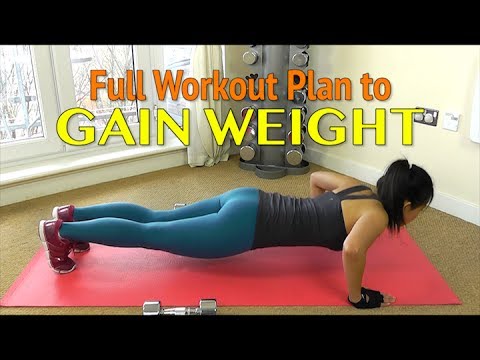
Are you tired of being told how to lose weight when all you want is to pack on some healthy pounds? You’re not alone.
Many people are on a quest to gain weight, but it can be tough to find the right guidance. Here’s the good news: you can achieve your weight gain goals right from the comfort of your home. Imagine transforming your body without the hassle of commuting to the gym or investing in expensive equipment.
With the right exercises and a tailored plan, you can build muscle and add healthy weight effectively. Ready to discover the secrets to an at-home weight gain workout that fits seamlessly into your lifestyle? Let’s dive in and unlock the potential of your at-home fitness routine.
Benefits Of Home Workouts
Home workouts offer a convenient way to gain weight without needing a gym. With minimal equipment, exercises target specific muscle groups effectively. This flexible approach saves time, allowing for workouts at any hour, fitting seamlessly into busy schedules.
Engaging in workouts at home offers numerous advantages that can enhance both your physical and mental well-being. One of the main benefits is the convenience of exercising in your own space, which can lead to more consistent habits. Plus, home workouts can be more cost-effective and flexible, fitting seamlessly into your busy lifestyle.Save Time And Money
Home workouts eliminate the need for a gym membership or commute. You can roll out of bed and start exercising without spending time in traffic or waiting for equipment. This not only saves money but also maximizes your day, giving you more time for other activities.Comfort And Privacy
Exercising in the comfort of your home allows you to focus entirely on your routine without feeling self-conscious. You can experiment with new exercises or routines without the fear of judgment. This privacy can boost your confidence and encourage you to try different workout styles.Flexibility And Customization
Home workouts offer the flexibility to work out whenever you want. If you have a tight schedule, you can squeeze in a quick workout in the morning or late at night. Additionally, you can tailor your workouts to your preferences, ensuring they align with your personal fitness goals.Build Consistent Habits
By removing barriers like travel time, you’re more likely to stick to a regular workout schedule. Consistency is key in any fitness journey. When your workout is just a few steps away, it becomes easier to make exercise a daily habit.Variety And Creativity
Your home is a playground for creativity when it comes to workouts. You can use household items like chairs and water bottles as workout equipment. This not only keeps your routine fresh and engaging but also challenges your body in new ways. Engaging in home workouts can transform your fitness journey. Have you tried any unique home workout strategies? If so, how have they benefited you?
Credit: www.pinterest.com
Essential Equipment For Muscle Building
Building muscle at home requires the right equipment. You don’t need a gym membership. With a few key tools, effective workouts are possible. These tools help target different muscle groups. They are versatile and easy to store. Let’s explore some essential equipment for your at-home workout routine.
Dumbbells And Resistance Bands
Dumbbells are a staple for muscle building. They come in various weights and are easy to use. Adjustable dumbbells save space and offer flexibility. Resistance bands are another valuable tool. They provide varying levels of resistance. You can use them for different exercises. They are portable and affordable. Perfect for beginners and advanced athletes.
Bodyweight Exercise Tools
Bodyweight tools enhance your workout. A pull-up bar is a great addition. It strengthens your upper body. Push-up handles are useful for chest workouts. They improve your form and reduce wrist strain. A yoga mat provides comfort during floor exercises. It is essential for exercises like planks and sit-ups. These tools support effective bodyweight exercises.
Effective Warm-up Routines
Starting your at-home weight gain workout with effective warm-up routines is crucial. Skipping this step can lead to injuries and affect your performance. Let’s dive into two vital components: dynamic stretching techniques and the importance of joint mobility.
Dynamic Stretching Techniques
Dynamic stretching gets your body ready for action. It involves active movements that mimic the exercises you’ll perform later. Think of it as a gentle wake-up call for your muscles.
Try arm circles and leg swings to increase blood flow. These movements are simple yet effective in prepping your body. You’ll notice improved flexibility, making your workout smoother and more efficient.
Dynamic stretches also help in boosting your mood. A few minutes of these can make you feel energized and ready to conquer your session. Ever felt sluggish at the start? A quick dynamic stretch might be the solution.
Importance Of Joint Mobility
Joint mobility is often overlooked but is essential for a safe workout. Without it, your movements become restricted, leading to potential strains or injuries.
Focus on exercises that enhance your range of motion. Wrist circles, ankle rotations, and hip flexor stretches can make a big difference. They prepare your joints for the weight-bearing exercises ahead.
Consider your own body’s needs. Have you ever felt a twinge or discomfort during a workout? Improving joint mobility can alleviate these issues. It ensures your body moves freely and efficiently.
Now, pause for a moment. How do you usually warm up before exercising? Think about incorporating these techniques to elevate your routine. Your body will thank you with better performance and fewer injuries.
Core Workouts For Strength
Building core strength is vital for overall fitness and weight gain. Strong core muscles support your entire body. They help improve posture and balance. These muscles include your abs, obliques, and lower back. At home, you can perform effective core workouts without equipment. Let’s explore some key exercises to strengthen your core.
Planks And Variations
Planks are powerful for core strengthening. They engage multiple muscle groups. Start with a basic forearm plank. Keep your body in a straight line. Hold this position for 30 seconds. Gradually increase the time as you get stronger.
Try side planks to target oblique muscles. Lie on one side, prop your body on one elbow. Lift your hips and hold. Switch sides after 30 seconds. For a challenge, add plank variations. Use a stability ball or extend an arm forward.
Russian Twists And Sit-ups
Russian twists focus on your obliques. Sit on the floor with knees bent. Lean back slightly, keeping your back straight. Hold your hands together, twist your torso from side to side. Perform for 30 seconds or aim for 10 twists on each side.
Sit-ups are classic but effective. Lie on your back, bend your knees, and place your feet flat. Cross your arms over your chest. Lift your upper body towards your knees, then lower it back. Repeat for 10 reps, gradually increasing as you progress.
Upper Body Exercises
Building upper body strength is crucial for weight gain. It shapes your physique and boosts metabolism. With a few simple exercises, you can effectively work your upper body at home. No need for fancy equipment.
Push-ups And Variations
Push-ups are a classic upper body workout. They target the chest, shoulders, and triceps. Start with regular push-ups. Keep your back straight. Lower your body until your chest is near the floor. Push back up. Aim for sets of 10 to 15 reps.
Try variations like incline push-ups. Place your hands on a higher surface. This changes the angle and focus. Decline push-ups are another option. Elevate your feet. This shifts more weight to your arms.
Dumbbell Rows And Presses
Dumbbell exercises are great for upper body strength. Dumbbell rows target the back and biceps. Bend forward slightly with a dumbbell in each hand. Pull the weights towards your waist. Keep your elbows close to your body.
Presses focus on the shoulders and chest. Sit or stand with dumbbells at shoulder height. Push them upward until your arms are straight. Lower them back slowly. This exercise builds muscle mass and definition.
Lower Body Routines
Lower body routines are essential for anyone aiming to gain weight and build muscle mass effectively at home. These exercises target large muscle groups, which can lead to more significant gains. Plus, they improve your strength and overall balance.
Squats And Lunges
Squats and lunges are foundational exercises that pack a punch. They work your quads, glutes, and hamstrings, making them perfect for building muscle in your lower body. You don’t need fancy equipment—just your body weight is enough to start.
Start with basic squats, maintaining proper form by keeping your back straight and your knees aligned over your toes. Perform three sets of 10-15 reps, adjusting the number based on your comfort level. As you progress, you can hold dumbbells to add resistance.
Lunges offer variety, targeting similar muscles but with a different dynamic. Alternate between forward and backward lunges, focusing on balance and control. Aim for three sets of 10 lunges on each leg. You might feel the burn, but that’s a sign of progress.
Calf Raises And Deadlifts
Calf raises are a simple yet effective way to tone and bulk up your calves. Stand with your feet shoulder-width apart and slowly raise your heels, balancing on your toes. Start with three sets of 15-20 reps to feel your muscles engage.
Deadlifts can be done with or without weights, depending on what you have at home. They target your hamstrings, glutes, and lower back. Begin by standing with your feet hip-width apart, bending at the hips and knees while keeping your back straight as you lower down.
Perform three sets of 8-12 reps, ensuring that you maintain a steady rhythm. Add weights gradually to increase difficulty and muscle gain. Remember, consistency is key—stick to a routine to see the best results.
Are you ready to challenge your lower body with these exercises? They’re simple yet highly effective. Make sure to track your progress and adjust your routine as you grow stronger.
Full Body Circuit Training
Full Body Circuit Training is a fantastic way to gain weight through muscle building while working out at home. This workout method involves completing a series of exercises back-to-back with minimal rest. It targets multiple muscle groups, ensuring a balanced approach to strength and growth. It’s designed to elevate your heart rate and keep your energy levels high, offering a comprehensive fitness solution without the need for fancy equipment.
High-intensity Interval Training
High-Intensity Interval Training (HIIT) is a cornerstone of effective circuit training. It consists of short bursts of intense exercise followed by brief rest periods. This technique maximizes calorie burn and muscle engagement, crucial for weight gain through muscle development.
Imagine starting with a 30-second sprint followed by a 15-second rest. Transition into 30 seconds of push-ups, then rest again. You’ll feel your heart racing and muscles working, creating a powerful environment for growth.
HIIT is efficient. You can achieve substantial results in a shorter time, perfect for those with busy schedules. Are you ready to feel the burn and watch your muscles grow?
Combining Exercises For Maximum Impact
Combining exercises is key for a full-body circuit. Think of pairing squats with shoulder presses. This combo targets both lower and upper body muscles, ensuring balanced development.
Another effective pair is lunges and bicep curls. This combo not only builds strength but also enhances coordination and balance. Your body works as a unit, promoting uniform muscle growth.
Consider adding core exercises like planks between each set. This keeps your core engaged throughout the workout, contributing to overall muscle gain. What exercise combinations will you try to challenge your body and boost your weight gain journey?
By strategically combining exercises, you maximize the impact of each session. This approach not only saves time but also ensures you’re effectively working towards your weight gain goals.

Credit: toneopfit.com
Nutrition For Muscle Gain
Building muscle at home demands more than just lifting weights. Nutrition plays a crucial role in muscle development. Consuming the right nutrients fuels your workouts and aids recovery. Understanding nutrition can make your weight gain journey effective and efficient.
Protein-rich Diet Plans
Protein is the building block of muscles. Include lean meats, eggs, and beans in your meals. They provide essential amino acids for muscle repair and growth. Plan meals to ensure protein in every dish. Grilled chicken with quinoa or a bean salad works wonders. Aim for a balanced diet. Combine proteins with carbohydrates and fats for energy.
Meal Timing And Supplements
Timing meals aids muscle growth. Eat protein-rich snacks after workouts. They help in muscle recovery. Small meals throughout the day keep energy levels stable. Consider supplements like whey protein. They provide an easy protein boost. Consult a nutritionist before starting any supplements. Proper guidance ensures safe and effective use.
Tracking Progress And Adjusting Workouts
Tracking your progress helps you see results and make necessary changes. Adjust workouts to suit your goals and body needs. A balanced routine enhances your at-home weight gain journey effectively.
Tracking progress is vital in any fitness journey. Consistency in workouts can lead to weight gain, but understanding how to adjust exercises is crucial. Keeping track of achievements helps in recognizing what works and what needs change. Adjusting workouts ensures continued progress. This section explores maintaining a workout journal and recognizing plateaus.Maintaining A Workout Journal
A workout journal is a powerful tool. It serves as a personal record of achievements. Note down each exercise, its duration, and intensity. This helps in understanding what contributes to weight gain. Tracking sets, reps, and weights provides insight into performance. Logging meals and snacks helps monitor nutritional intake. Regular updates give a clear picture of progression. Review the journal weekly. Spot trends in energy levels and weight gain. Make adjustments based on the data collected. Set new goals if current ones are met. Celebrate small victories. They motivate and encourage further dedication.Recognizing And Breaking Plateaus
Plateaus can stall progress. Recognizing them is important. A plateau occurs when weight gain slows or stops. It’s a signal to change something. Often, the body adapts to repetitive workouts. To break a plateau, vary exercises. Introduce new challenges to your routine. Increase weights or try different movements. Evaluate diet alongside workouts. Sometimes, nutritional changes are needed. Ensure protein intake supports muscle growth. Small tweaks can lead to noticeable changes. Consider rest days. Overtraining can lead to plateaus. Adequate rest helps the body recover and grow.Recovery And Rest Strategies
Boost at-home weight gain workouts with effective recovery and rest strategies. Prioritize sleep and balanced nutrition to support muscle growth. Incorporate stretching and mindfulness practices for optimal results.
When you’re working out at home to gain weight, recovery and rest are just as crucial as the workout itself. The journey to building muscle doesn’t end when you finish your last rep. It’s during recovery that your muscles repair and grow stronger. Without proper recovery strategies, you might find yourself stuck or even facing injuries. How can you make sure your body is getting the rest it deserves?Importance Of Sleep And Rest Days
Sleep is not just a time to recharge your mind; it’s essential for muscle recovery. Aim for 7-9 hours of quality sleep. Your body releases growth hormones during sleep, which are vital for muscle repair. Rest days are equally important. They prevent burnout and reduce the risk of injury. Schedule at least one to two rest days each week. Listen to your body; if you’re feeling fatigued, take a break. Rest days are not a sign of weakness but a necessary part of your routine.Stretching And Relaxation Techniques
Stretching can be a powerful tool in your recovery arsenal. It improves flexibility and reduces muscle soreness. Incorporate dynamic stretches before your workout and static stretches afterward. This helps to prevent stiffness and keeps your muscles limber. Relaxation techniques like deep breathing and meditation can help you manage stress. Stress can hinder your recovery process. Spend a few minutes each day practicing these techniques. You’ll find that they not only aid in recovery but also improve your overall well-being. Recovery isn’t passive; it’s an active part of your fitness journey. What are you doing today to ensure your body is ready for tomorrow’s challenge? Remember, the effort you put into rest and recovery will reflect in your results.
Credit: in.pinterest.com
Frequently Asked Questions
Can I Gain Weight By Home Workout?
Yes, you can gain weight with home workouts. Focus on strength training exercises and increase calorie intake. Consistency and progressive overload are key. Incorporate exercises like push-ups, squats, and resistance band workouts. Balance your diet with protein, carbohydrates, and healthy fats to support muscle growth.
What Workout Is Best For Weight Gain?
Strength training is best for weight gain. Focus on compound exercises like squats, deadlifts, and bench presses. Lift heavy weights with progressive overload to build muscle. Ensure adequate protein intake and rest for optimal results. Consistency and proper nutrition are key to gaining healthy weight effectively.
What Is The 6 12 25 Rule?
The 6 12 25 rule is a financial guideline. Spend 6% of your income on insurance, save 12%, and allocate 25% for housing expenses. This rule helps manage finances effectively, ensuring a balanced budget while promoting savings and stability.
Can A Skinny Person Gain Weight By Exercising?
Yes, skinny people can gain weight by exercising. Focus on strength training and consuming a calorie-rich, balanced diet. Consistent workouts and protein intake help build muscle mass, contributing to healthy weight gain. Ensure proper rest for recovery and growth. Consult a fitness professional for personalized guidance.
Conclusion
Building muscle at home is simple with a planned routine. Start with basic exercises. Gradually increase weights or repetitions. Consistency is key to success. Listen to your body. Rest if needed. Combine workouts with balanced meals. Protein supports muscle growth.
Stay hydrated for better performance. Celebrate small achievements. Progress motivates further effort. Remember, every step counts. You don’t need a gym for gains. Home workouts save time and money. Tailor your routine to fit your schedule. Embrace the journey. Fitness is a lifelong commitment.
Keep moving forward. Achieve your weight gain goals at home.








