Are you tired of scrolling through endless fitness routines, only to feel overwhelmed and uncertain about where to start? Imagine transforming your core strength without ever leaving the comfort of your home.
Picture yourself feeling stronger, more confident, and ready to take on each day with renewed energy. A daily core workout at home might just be the game-changer you’ve been searching for. In this blog post, discover how easy it can be to integrate a simple yet effective core workout into your daily routine.
Uncover tips that will not only fit into your schedule but also keep you motivated and eager to see results. Whether you’re a fitness novice or a seasoned enthusiast, this core workout plan is designed for you. Ready to unlock a stronger, healthier you? Let’s dive in!
Benefits Of Core Workouts
Core workouts offer many benefits for your health and fitness. They target muscles in your abdomen, back, and pelvis. These workouts are simple and can be done at home. With regular practice, you may notice changes in your body and daily life.
Improved Posture
Strong core muscles help support your spine. This support leads to better posture. With improved posture, you may experience less back pain. A straight back also boosts confidence and appearance. Stand tall, feel better.
Enhanced Stability
Core workouts enhance balance and stability. Everyday activities become easier with a strong core. Walking, bending, and lifting feel more controlled. Better stability helps in sports, too. Perform your best, stay steady.
Injury Prevention
A strong core reduces injury risk. It protects your body during movements. With core strength, you prevent overuse injuries. Your body handles stress more effectively. Stay active, stay safe.

Credit: www.pinterest.com
Essential Equipment
Working out at home can be highly effective, especially when you have the right equipment. Even though you might think a gym membership is essential, you’d be surprised how a few simple items can transform your living room into a fitness hub. Whether you’re tackling a quick 10-minute routine or diving into a full hour, having the right tools can make all the difference. Let’s explore some essential equipment that can boost your daily core workout right from the comfort of your home.
Yoga Mat
A yoga mat is more than just a soft surface. It provides the traction and cushioning you need for exercises like planks and crunches. Imagine doing a plank on a hardwood floor—ouch! A good mat supports your joints and helps prevent injuries. It’s also easy to roll up and store, making it perfect for those with limited space. Do you ever find yourself slipping during a workout? A yoga mat can be your best friend.
Resistance Bands
Resistance bands are incredibly versatile. They add tension to your movements and challenge your muscles in ways that weights cannot. These bands can be used for exercises like leg raises and twists, making them ideal for core strengthening. They’re portable and affordable, making them a great addition to your home gym setup. Have you tried stretching with resistance bands? You’ll feel the burn in no time.
Medicine Ball
The medicine ball is a powerhouse for core workouts. Whether you’re doing Russian twists or slams, it adds weight and intensity to your routine. You might find yourself engaging more muscles than you anticipated. Plus, it’s a fun way to mix things up and challenge yourself. Ever thought of using a medicine ball for cardio? It can turn a simple workout into a sweat-inducing session.
With these essential pieces of equipment, your home workouts can be as effective as any gym session. What’s stopping you from creating your own workout haven? Dive into your core exercises today and see the results for yourself!
Warm-up Exercises
Starting your daily core workout at home with proper warm-up exercises is crucial. They prepare your muscles and mind for what’s to come. You might wonder, why bother with a warm-up when you’re just exercising at home? Well, skipping it is like driving a car without warming up the engine—risking damage and poor performance. Let’s dive into some effective warm-up exercises that can set the stage for a productive workout.
Dynamic Stretching
Dynamic stretching is a powerful way to get your body moving. It involves controlled movements that improve flexibility and increase blood flow. Imagine waking up from a deep sleep; you want your muscles to be ready for action.
Try leg swings to loosen up your hips. Arm circles are great for your shoulders. Incorporate lunges to activate your legs. These movements don’t just prepare your muscles; they signal your brain that it’s time to focus.
Have you ever noticed how athletes stretch before a game? They know the importance of dynamic stretching for peak performance. Applying this to your routine can enhance your workout results.
Light Cardio
Light cardio is a gentle way to elevate your heart rate. It sets the rhythm for your workout and boosts your energy. Think of it as the opening act before the main event.
Jumping jacks are a classic option. They get your blood pumping and your limbs moving. Jogging in place is another easy choice, allowing you to warm up without needing much space.
Have you ever tried dancing to your favorite song as a warm-up? It’s fun and effective! You might even find yourself smiling, which is a great mood booster before tackling the core exercises.
What warm-up routine works best for you? Experiment and find what gets you excited for your workout. The right warm-up can transform your exercise session from mundane to exhilarating.
Credit: www.today.com
Beginner Core Exercises
Strengthening your core muscles is essential for overall fitness. A strong core improves balance and stability. It also supports your daily activities. Beginner core exercises can be done at home. No special equipment needed. Start with simple movements. They build foundational strength. Gradually increase the intensity. Let’s explore three effective exercises.
Plank Variations
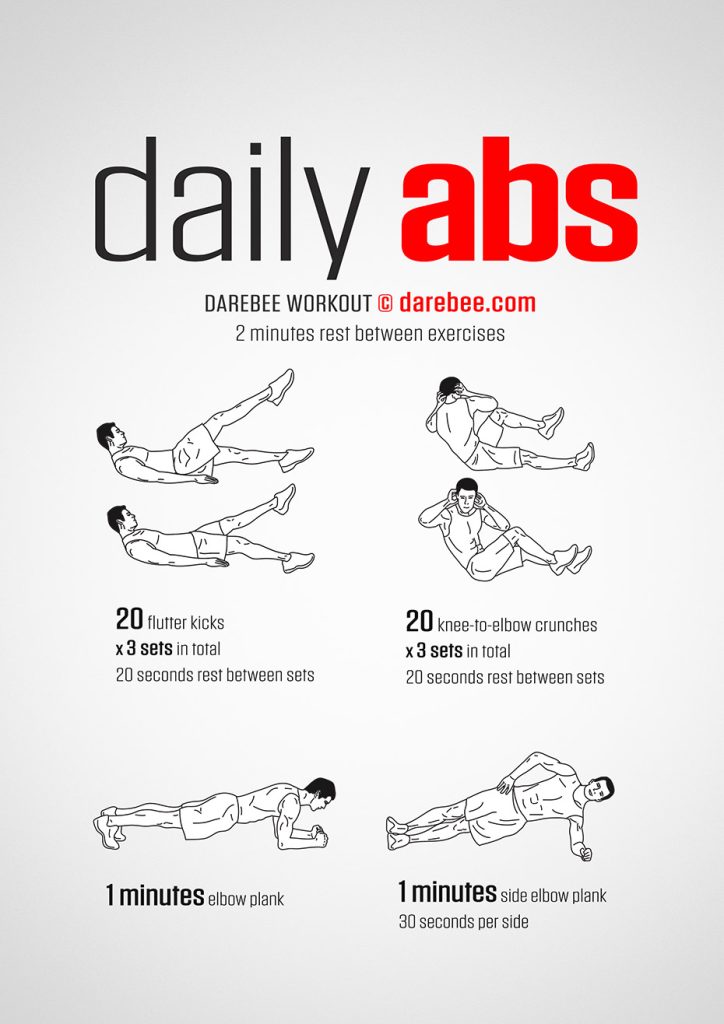
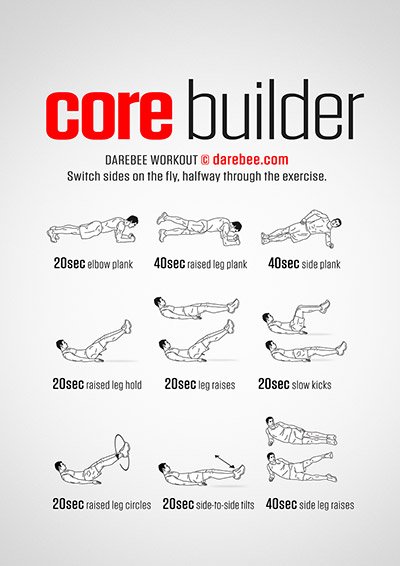
Planks are excellent for core strength. Begin with a standard plank. Keep your body straight from head to heels. Hold the position for 30 seconds. Try forearm planks for variety. They engage different muscles. Side planks focus on obliques. Lift your hips high. Challenge yourself with plank jacks. Jump feet apart and together. Maintain plank position throughout.
Bicycle Crunches
Bicycle crunches target abs and obliques. Lie on your back. Hands behind your head. Lift shoulders off the ground. Bring knees towards chest. Alternate elbow to opposite knee. Keep the movement controlled. Engage your core muscles. Perform 15 to 20 repetitions. Increase reps as you grow stronger.
Leg Raises
Leg raises strengthen lower abs. Lie flat on your back. Keep legs straight. Slowly lift them towards the ceiling. Pause briefly at the top. Lower them back without touching the ground. Repeat for 10 to 15 reps. Ensure controlled movements. Avoid swinging your legs. Focus on engaging your core.
Advanced Core Moves
Ready to take your core workout to the next level? Advanced core moves can help you build strength and stability in ways you never imagined. These exercises challenge your muscles and improve your overall fitness. They’re not just about having a six-pack; they’re about building a body that’s functional and strong. Let’s dive into some advanced moves you can try at home.
Russian Twists
Russian Twists target the obliques and the entire core. Sit on the floor, knees bent, feet slightly raised. Hold a weight or a medicine ball with both hands. Twist your torso to the right and then to the left, keeping your movements controlled. Feel your muscles working as you twist. It’s more than just twisting; it’s engaging your whole body.
Can you imagine the difference it makes over time? Your balance improves, and your waist becomes more defined. Try doing three sets of 15 twists for a real challenge. You can also increase the weight or speed to push yourself further.
Hanging Knee Raises
These are a powerhouse move for your lower abs. Find a sturdy pull-up bar. Hang with your arms fully extended and legs straight. Slowly raise your knees towards your chest. Lower them back to the starting position with control. Can you feel the burn? Your abs will thank you later.
Hanging knee raises also engage your grip strength and shoulders. They require focus and control. Aim for three sets of 10 raises. If you’re looking for an extra challenge, try hanging leg raises by keeping your legs straight throughout the movement.
Ab Rollouts
Using an ab wheel, ab rollouts build a strong core and test your stability. Start on your knees with the wheel in front of you. Roll it forward, extending your body as far as you can without touching the floor. Roll back to the starting position using your core strength. Not as easy as it looks, right?
This exercise strengthens the entire core, including the lower back. Feel the stretch and contraction in every rollout. Start with three sets of five rollouts and work your way up as you get stronger. It’s a move that demands respect and rewards you with resilience.
Have you ever tried these advanced core moves? What changes did you notice? By adding these exercises to your daily routine, you’re not just working out; you’re building a core that supports your every move.
Credit: darebee.com
Creating A Balanced Routine
Building strength through daily core workouts at home enhances balance and stability. Short exercises fit easily into daily routines. Creating a balanced workout schedule promotes consistency and progress.
Creating a balanced core workout routine at home is crucial for building strength and stability. It’s not just about crunches; it’s about engaging every muscle in your midsection. A well-rounded routine can help improve posture, reduce back pain, and boost overall athletic performance. But how do you ensure your routine is balanced? Let’s dive into some essential components.Reps And Sets
Understanding reps and sets is key to an effective workout. A rep, or repetition, is one complete motion of an exercise, while a set is a group of consecutive reps. For a balanced core workout, aim for 3 sets of 12-15 reps for each exercise. Start with exercises like planks, bicycle crunches, and Russian twists. These target different areas of your core, ensuring comprehensive muscle engagement. But remember, quality trumps quantity. Focus on maintaining proper form rather than rushing through reps.Rest Intervals
Rest intervals are just as important as the exercises themselves. Taking breaks allows your muscles to recover and prepare for the next set. Typically, a rest interval of 30-60 seconds between sets is effective for core workouts. Listen to your body. If you feel fatigued, take a longer break. The goal is to challenge your muscles, not exhaust them. Shorter rest intervals can increase workout intensity, but ensure it doesn’t compromise your form. Creating a balanced routine involves a mix of exercises, reps, and rest periods. It’s about consistency and listening to your body’s needs. What adjustments will you make to your core workout today?Nutrition For Abs
Achieving abs requires a balanced diet and daily core workout at home. Focus on protein-rich foods like eggs and lean meats to support muscle growth. Combine with exercises like planks and crunches to strengthen your core and enhance abdominal definition.
Achieving well-defined abs is not just about doing countless crunches or planks. It’s also about understanding the crucial role nutrition plays in your fitness journey. What you eat can significantly influence how your abs develop. Let’s explore some key nutritional strategies that can help you maximize your daily core workout at home.Protein Intake
Protein is essential for muscle repair and growth. Adding a good amount of protein to your diet can help you build strong abs. Consider foods like lean chicken, fish, tofu, or beans. I used to think I was eating enough protein until I tracked my meals. Realizing I needed more, I started adding a protein-rich snack post-workout. What about you? Are you getting enough protein?Hydration
Staying well-hydrated helps your body function optimally. Water aids in digestion and can help reduce bloating, making your abs look more defined. Aim for at least 8 glasses of water a day. I noticed a significant difference in how I felt during workouts after improving my hydration habits. It made my exercises more effective. Are you drinking enough water throughout the day?Meal Timing
When you eat can be as important as what you eat. Spacing your meals evenly throughout the day can help maintain energy levels and prevent overeating. Try to eat a balanced meal or snack every 3-4 hours. I once skipped breakfast thinking it would help me lose weight faster. I ended up feeling sluggish and less motivated. Once I started eating regular meals, my energy levels soared. How do you space your meals? By focusing on these nutritional aspects, you’re setting a strong foundation for your core workouts. Remember, consistency is key. How will you adjust your nutrition to support your fitness goals?Tracking Progress
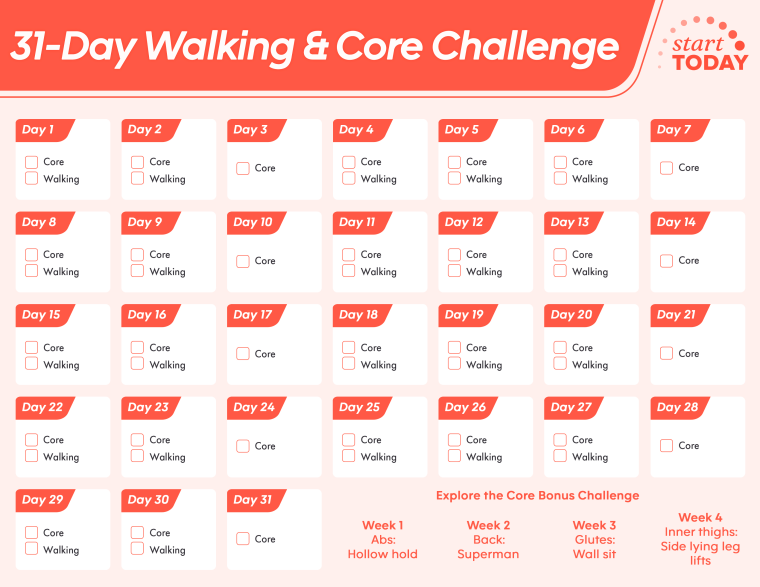
Tracking progress in your daily core workout is crucial. It keeps you motivated and ensures you’re on the right path. Regular assessment can highlight areas that need improvement. It also celebrates your achievements. Below are ways to track your progress effectively.
Measuring Waistline
Start by measuring your waistline weekly. Use a tape measure for accuracy. Write down the measurements each week. Notice any changes in size or shape. A decreasing waistline can mean success. This reflects fat loss and muscle gain.
Recording Strength Gains
Document your strength gains regularly. Note the number of repetitions for each exercise. Track the weight or resistance used. Increase in reps or weight indicates improvement. Celebrate small victories along the way. Keep a journal or digital log for easy reference.
Staying Motivated
Boost your energy with a daily core workout at home. Consistent exercise strengthens your body and mind. Stay motivated by setting small, achievable goals. Keep your routine simple and rewarding. Enjoy the benefits of a stronger core and increased confidence.
Feeling motivated to stick with a daily core workout at home can be challenging. The initial excitement often fades, leaving us questioning our commitment. How do you keep that fire burning? Staying motivated is not just about willpower; it’s about creating a supportive environment and setting yourself up for success. Let’s dive into some practical strategies to keep your motivation high and your core workouts consistent.Setting Realistic Goals
Setting realistic goals is the cornerstone of maintaining motivation in any fitness journey. Start small. Instead of aiming for a six-pack in a month, commit to 10 minutes of core exercises daily for the first week. Celebrate these smaller milestones as they build momentum. Make your goals specific and measurable. Instead of vague objectives like “get stronger,” aim for “hold a plank for one minute.” This clarity helps you see progress and keeps you engaged.Finding A Workout Partner
Having a workout partner can transform your exercise routine. It’s not just about accountability; it’s about sharing the journey. Think of a friend or family member who shares your fitness goals. Schedule regular workout sessions together, even if it’s virtually. Knowing someone else is counting on you can be a powerful motivator. Share your progress and challenges with each other. This camaraderie can make your workouts more enjoyable and less of a chore. Plus, you can exchange tips and support each other through setbacks. Incorporating these strategies can make a significant difference in maintaining your motivation. What changes will you make to stay motivated in your daily core workouts?Frequently Asked Questions
Is It Good To Work Out Core Every Day?
Working out core every day can lead to overtraining. Aim for 3-4 times a week instead. Allow muscles time to recover for optimal results. Balance core workouts with rest and other exercises.
What Is The Best Daily Core Exercise?
Planks are the best daily core exercise. They strengthen abs, obliques, and lower back effectively. Planks improve posture, balance, and stability. Include variations like side planks for enhanced benefits. Aim for consistency and gradually increase duration for optimal results.
What Are The Benefits Of Core Workouts At Home?
Core workouts at home improve your balance, stability, and posture. They enhance your overall strength and help prevent injuries. Working out at home also offers convenience and saves time. A strong core supports daily activities, making them easier and more efficient.
How Often Should I Do Core Workouts At Home?
For optimal results, aim for core workouts three to five times a week. Consistency is key to building strength and stability. Ensure you allow adequate rest between sessions for muscle recovery and growth. Listen to your body and adjust frequency as needed.
Conclusion
A daily core workout at home is simple and effective. It keeps your body strong and balanced. You need no fancy equipment. Just your dedication and space to move. Consistency is key. Your core feels the burn, but it’s worth it.
Over time, you notice changes. Better posture. More strength. Increased confidence. This routine fits any schedule. No gym required. You save time and money. Plus, you work out in comfort. Start today and enjoy the benefits. Feel healthier and more energized.
Your core deserves attention. So does your overall well-being. Keep moving, stay committed. Success follows dedication.








