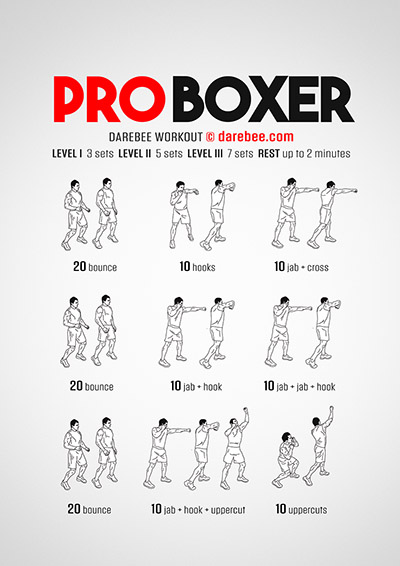
Imagine transforming your living room into a high-energy boxing gym. You don’t need fancy equipment or a personal trainer to get started.
With just a little space and some motivation, you can harness the power of a boxer workout at home. Why settle for boring routines when you can punch, jab, and sweat your way to fitness? This type of workout not only boosts your strength and endurance but also sharpens your mind.
You’ll discover stress relief, increased confidence, and a sense of empowerment. Are you ready to feel the adrenaline and see results? Stick around to learn how you can unleash the boxer within you, right from the comfort of your home.
:format(jpeg)/f/115220/700x1100/75eb3f2fde/15-minute-at-home-boxing-workout-for-beginners-infographic.jpeg)
Credit: factcheckgambia.org
Benefits Of Boxing Workouts
Boxing workouts at home boost strength, enhance agility, and improve cardiovascular health. They are effective for stress relief and building endurance. Enjoy a full-body exercise without expensive equipment.
Boxing workouts at home are more than just a trendy fitness fad. They offer a host of benefits that go beyond the physical. Whether you’re trying to lose weight, tone up, or simply switch up your routine, boxing workouts can be a game-changer. Imagine the thrill of a high-energy workout that not only sculpts your body but also sharpens your mind. Here’s why you should consider adding boxing to your home workout regime:Boosts Cardiovascular Health
Boxing is an excellent way to get your heart pumping. Even a short session can improve your heart rate and boost circulation. This increased blood flow can lead to better overall heart health. Think about it: you’re burning calories and strengthening your heart all in one go. Plus, it’s a fun way to break a sweat without even realizing it.Enhances Mental Agility
Boxing isn’t just about throwing punches. It requires quick thinking and fast reflexes. This mental engagement can enhance your brain’s processing speed and cognitive abilities. You might be surprised at how much sharper you feel after a boxing session. The focus needed to keep up with the moves can translate into improved concentration in your daily life.Builds Strength And Endurance
Boxing targets multiple muscle groups, offering a full-body workout. It helps in building muscle strength and endurance over time. The repetitive punching, for instance, works your arms and shoulders, while the footwork engages your legs. Consider how every punch and movement contributes to building a stronger, more resilient you. Plus, it’s a great way to challenge yourself and push past your limits.Relieves Stress
There’s something incredibly satisfying about hitting a punching bag. Boxing can be a powerful stress reliever, helping you release pent-up energy and frustration. Imagine the feeling of letting go of your worries with each punch. It’s not just about the physical release; it’s about mental clarity too. After a session, you might find yourself feeling calmer and more balanced.Improves Coordination And Balance
Boxing requires coordination between your hands, eyes, and feet. It challenges your balance and agility, which can improve over time with practice. Think of how these skills can benefit you in other areas of life. Better coordination can help in everyday tasks, from carrying groceries to playing sports.Cost-effective And Convenient
You don’t need fancy equipment to start boxing at home. A pair of gloves, a punching bag, or even shadowboxing can do the trick. This makes it a cost-effective workout option. Consider how much you can save on gym memberships or classes. Plus, working out at home means you can fit it into your schedule whenever it suits you. Boxing workouts offer a unique blend of physical and mental benefits that can transform your fitness journey. Why not give it a try and see how it can enhance your life?
Credit: www.pinterest.com
Essential Equipment For Home Boxing
Boxing workouts at home require specific equipment. This ensures effective training. Essential gear not only improves performance but also enhances safety. Investing in the right tools makes a big difference. Here’s what you need:
Gloves And Hand Wraps
Gloves protect your hands during punching. They’re vital for avoiding injuries. Hand wraps offer additional support. They stabilize your wrist and fingers. Choose gloves that fit snugly. Comfort is key. Hand wraps come in various materials. Cotton is popular for its softness. Learn how to wrap your hands correctly. This prevents strain and maximizes comfort.
Punching Bags
Punching bags are central to boxing workouts. They improve your strength and technique. Heavy bags are ideal for power punches. Speed bags enhance coordination and rhythm. Hanging bags need space and a sturdy mount. Freestanding bags are great for small areas. They offer flexibility and convenience. Regular practice on these bags refines your skills.
Jump Rope
Jump ropes boost cardio fitness. They enhance agility and footwork. Lightweight ropes are easier to handle. Adjustable ropes fit any height. Jumping helps in building endurance. It’s an excellent warm-up exercise. Incorporate it into your daily routine. It sharpens your reflexes and improves your balance.
Warm-up Routines
Getting ready for a boxer workout at home starts with a solid warm-up routine. It sets the stage for an effective workout by preparing your muscles and mind. Have you ever noticed how some workouts feel tougher when you skip the warm-up? Let’s dive into two key elements that make up a good warm-up: dynamic stretching and cardio exercises.
Dynamic Stretching
Dynamic stretching is all about moving as you stretch. It’s a great way to ease your muscles into action. Instead of static holds, these movements increase your range of motion.
- Arm Circles: Stand with feet shoulder-width apart and swing your arms in circles. Start small and gradually make the circles bigger.
- Leg Swings: Hold onto a chair or wall and swing one leg forward and backward, then switch legs. This helps loosen the hips and thighs.
- Torso Twists: With your arms at your sides, twist your torso side to side gently. This preps your core for the workout ahead.
Dynamic stretching not only warms you up but also improves flexibility. Try adding these to your routine and notice the difference in your workout flow.
Cardio Exercises
Cardio exercises get your heart rate up and blood pumping. They are essential for a boxer workout because they boost endurance.
Consider starting with jumping jacks. They’re simple, yet effective. You’ll feel your heart rate rise quickly, getting you ready for the session.
High knees are another powerful cardio move. Stand tall and bring your knees up towards your chest one at a time, as if you’re running in place. This not only warms your legs but also engages your core.
Have you tried shadow boxing? It’s a great cardio exercise that simulates the real action. Throw punches in the air while moving around. It’s fun and gets you into the boxing mindset.
These cardio exercises add energy to your warm-up. Incorporate them to build stamina and improve your workout readiness.
Remember, the warm-up is your foundation. How do you feel when you skip it? Next time, try these routines and experience the change in your performance. Your body will thank you!
Core Boxing Exercises
Boxing isn’t just about throwing punches; it’s a full-body workout that builds strength, agility, and confidence. Core boxing exercises can be done at home and are perfect for anyone looking to improve their fitness. These exercises focus on technique, speed, and power without needing expensive equipment. Ready to bring the boxing gym into your living room?
Jab And Cross Punch
Start with the basics: the jab and cross punch. These punches are fundamental in boxing and help tone your arms and shoulders. Stand with your feet shoulder-width apart, left foot forward. Your fists should be up, guarding your face. Throw a quick jab with your left hand followed by a powerful cross punch with your right. Feel the power in your arms and the rotation in your hips.
Repetition is key. Try doing 3 sets of 10 reps on each side. You’ll notice how these simple moves engage your core and improve your coordination. Imagine yourself in a real match; can you feel the adrenaline?
Hook And Uppercut
Add variety to your routine with hooks and uppercuts. These moves focus on your core and improve your balance. For a hook, stand in your boxing stance, pivot your front foot, and swing your fist in a wide arc. For an uppercut, drop your fist low and punch upwards, imagining hitting your opponent’s chin.
Performing these exercises at home lets you practice precision and control. Aim for 3 sets of 10 reps each. Notice how your muscles tighten and your confidence builds. Can you sense your inner warrior emerging?
Shadow Boxing
Shadow boxing lets you practice your moves in a fluid sequence. It’s your chance to hone your technique without a partner or bag. Set a timer for 3 minutes and imagine yourself in the ring. Combine jabs, crosses, hooks, and uppercuts as you move around your space.
This exercise improves your cardiovascular health and footwork. Feel your heart rate rise and sweat form. Let your imagination run wild. Are you ready to face your toughest opponent?
Boxing exercises at home offer a unique blend of physical and mental challenges. They sculpt your body and sharpen your mind. By mastering these core exercises, you’re not just working out; you’re preparing for the fight of your life. Are you prepared to step into the ring?
Strength Training For Boxers
Strength training plays a vital role in a boxer’s fitness routine. It builds power, endurance, and muscle resilience. Working out at home can be effective with the right exercises. No fancy equipment needed. Just dedication and discipline. Below are some essential strength training exercises for boxers.
Bodyweight Exercises
Bodyweight exercises are perfect for strength training at home. They require no equipment. Start with push-ups. They strengthen the chest, shoulders, and triceps. Vary your hand positions for different muscle engagement.
Include squats in your routine. They target the legs and glutes. Try jump squats to boost power and speed. Planks are excellent for core stability. They improve balance and posture. Add variations like side planks for a complete core workout.
Resistance Band Workouts
Resistance bands are versatile and affordable. They add intensity to workouts. Use them for resistance band punches. This exercise mimics real boxing moves. It strengthens the shoulders and arms.
Try resistance band squats. They add extra tension to traditional squats. This builds more muscle strength. Perform seated rows with a resistance band. This targets the upper back and biceps. Consistent resistance band workouts enhance overall power.
Cardio And Endurance Drills
Boosting cardio and endurance is key in a boxer’s home workout. Jump rope and shadowboxing are great drills. Combining these exercises enhances stamina and agility, essential for effective boxing training.
Working out like a boxer at home is an exhilarating way to boost your fitness levels. Cardio and endurance drills are crucial in building the stamina needed for a boxer’s intense regime. These exercises not only improve your heart health but also increase your staying power. Imagine being able to go the distance in a workout without feeling winded. Let’s dive into some effective drills you can do right in your living room.Interval Training
Interval training is a game-changer for building endurance. It involves alternating between high-intensity bursts and low-intensity recovery periods. This not only keeps your heart rate up but also helps burn more calories in less time. Start with a simple structure. You could sprint in place for 30 seconds followed by a minute of walking or jogging. Repeat this cycle for 20 minutes, pushing yourself during the sprints. As your stamina increases, adjust the intensity and duration to keep challenging your body. The beauty of interval training is its flexibility. You can tailor it to fit your current fitness level and gradually increase the intensity. Are you ready to test your limits and see how far you can go?Agility Ladder Drills
Agility ladder drills are excellent for enhancing footwork and speed. They require precision, which also sharpens your mind. You don’t need an actual ladder; tape on the floor works perfectly fine. Try the basic one-foot-in-each-square drill to get started. Focus on quick, light steps, and aim to maintain a steady rhythm. Once you master this, move on to more complex patterns, like the in-and-out drill or lateral shuffle. These drills will not only improve your agility but also provide a solid cardio workout. They mimic the fast-paced movements in boxing, preparing you for quick dodges and powerful punches. Have you ever tried such drills before? If not, now’s the time to incorporate them into your routine and watch your coordination soar. Engaging in cardio and endurance drills at home can be both fun and rewarding. Remember, the key is consistency and gradually pushing your limits. Are you ready to transform your living room into a boxing training ground?Recovery And Stretching Techniques
After an intense boxer workout at home, proper recovery is crucial. It helps muscles heal and prevent injuries. Stretching and cool-down exercises aid in this process. They also enhance flexibility and reduce muscle soreness. Incorporating these techniques ensures a complete workout routine.
Cool Down Exercises
Cool down exercises transition your body from high intensity to rest. Start with deep breathing to calm your heart rate. Follow this with gentle jogging or walking for five minutes. This helps to relax and cool down your muscles.
Next, incorporate dynamic stretches. Arm circles and leg swings are effective. They release tension and improve blood circulation. Spend at least five minutes on these exercises. Your body will thank you for it.
Foam Rolling
Foam rolling is a self-myofascial release technique. It reduces muscle tightness and improves flexibility. Use a foam roller on major muscle groups like the legs and back. Roll slowly over each area for one minute.
Apply gentle pressure to avoid discomfort. This technique helps break down knots in muscles. It enhances recovery and prepares your body for the next session. Consistent foam rolling can lead to better performance.

Credit: www.threads.com
Nutrition For Boxers
Nutrition plays a crucial role in a boxer’s performance and recovery. A well-balanced diet ensures you have the energy to tackle intense workouts. Eating right also helps in maintaining muscle mass and reducing injury risks. Let’s explore the essentials of nutrition for boxers.
Balanced Diet
A balanced diet for boxers includes proteins, carbs, and healthy fats. Proteins help in muscle repair and growth. Good sources are chicken, fish, and beans. Carbohydrates provide the energy needed for training. Opt for whole grains like brown rice and oats. Healthy fats keep your joints lubricated. Avocados and nuts are excellent choices. Eating a variety of foods ensures you get essential vitamins and minerals.
Hydration Tips
Staying hydrated is key for peak performance. Water regulates your body temperature and prevents cramps. Drink small amounts frequently during workouts. If you sweat a lot, consider sports drinks to replace lost electrolytes. Check your urine color for hydration levels. It should be light yellow. Avoid sugary drinks as they can dehydrate you.
Creating A Weekly Workout Plan
Creating a weekly workout plan for a boxer is essential. It helps maintain consistency and achieve goals. A structured plan guides workouts efficiently. It allows for proper recovery. Ensure each session includes diverse exercises. Focus on different aspects of boxing fitness.
Balancing Intensity And Rest
Maintain a balance between workout intensity and rest days. Intense workouts build strength and endurance. Rest days are crucial for recovery. They prevent burnout and injuries. Plan high-intensity workouts followed by lighter sessions. This ensures muscles recuperate properly.
Tracking Progress
Regularly monitor your progress. Use a journal or app to log workouts. Note improvements in speed, agility, and strength. Track changes in endurance and stamina. Adjust your plan based on progress. Ensure steady growth and development.
Frequently Asked Questions
How Do Boxers Train At Home?
Boxers can train at home using jump ropes, shadow boxing, and bodyweight exercises like push-ups and sit-ups. They practice footwork drills, use punching bags, and focus on improving their speed and agility. Consistent training and proper nutrition are crucial for maintaining fitness and honing skills at home.
What Is The Best Workout For A Boxer?
A boxer’s best workout includes cardio, strength training, and agility exercises. Jump rope improves endurance and footwork. Punching bag workouts enhance power and technique. Shadowboxing boosts speed and precision. Core exercises like planks strengthen stability. Circuit training builds overall fitness.
Consistency and variety are key for optimal results.
Is Boxing A Good Workout At Home?
Yes, boxing is an effective home workout. It improves cardiovascular health, builds strength, and enhances coordination. You can burn significant calories with boxing routines. This workout also reduces stress and boosts mental health. With minimal equipment, it’s a convenient and versatile exercise option for home fitness.
Is 30 Minutes Of Boxing A Good Workout?
Yes, 30 minutes of boxing is a great workout. It boosts cardiovascular health, strength, and agility. This intense exercise burns calories, improves coordination, and builds endurance. Boxing also enhances mental focus and relieves stress. It’s a fun and effective way to stay fit and energized.
Conclusion
A boxer workout at home offers flexibility. You choose your schedule. No gym fees. Plus, you gain strength and endurance. Practice punches and footwork in your living room. Stay motivated with online tutorials. Remember, consistency is key. Start slow, then increase intensity.
Track your progress weekly. Celebrate small victories. Enjoy the journey. Balance workouts with proper rest and nutrition. Listen to your body. Rest if tired, push when ready. This workout boosts health and confidence. Anyone can start today. Get moving, stay active, and feel strong.
Your home, your rules. Embrace the challenge and thrive!








