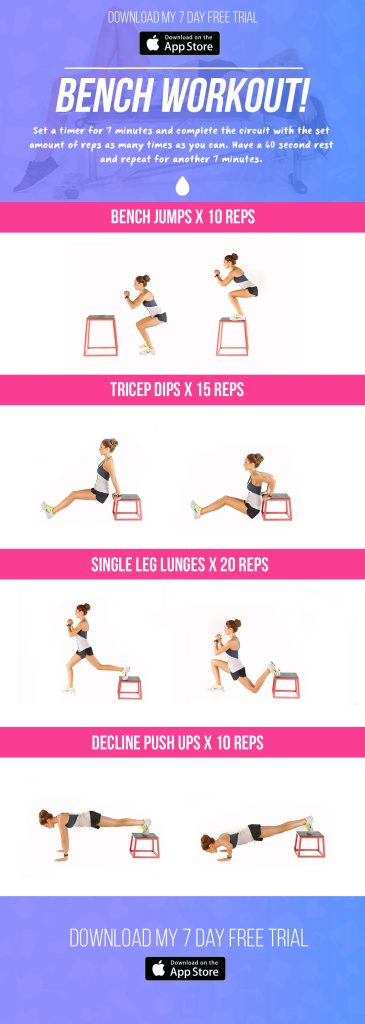
Are you tired of the same old workout routine? Imagine a workout that transforms your living room into a dynamic fitness zone.
You don’t need to hit the gym or buy expensive equipment to achieve your fitness goals. With just a bench, you can unlock a world of versatile exercises right at home. Imagine sculpting your body, boosting your energy, and feeling stronger than ever, all while saving time and money.
Curious to know how a simple bench can redefine your fitness journey? Stick around, and discover the secrets of effective bench workouts at home that can change the way you exercise forever.
Benefits Of Bench Workouts
Bench workouts at home offer a multitude of benefits that can elevate your fitness routine without the need for a gym membership. Whether you’re aiming to build strength, improve stability, or simply switch up your exercise routine, a bench can be your versatile tool. But what makes bench workouts so beneficial? Let’s dive into the specifics.
Why Bench Workouts Are A Game Changer
Bench workouts introduce variety into your home fitness routine. You can perform a range of exercises like bench presses, step-ups, and tricep dips. This variety helps target different muscle groups effectively, giving you a balanced workout.
Imagine pushing through a tough set of bench presses, feeling your muscles engage in ways they haven’t before. This is the power of diverse movements that a bench facilitates.
Enhance Strength And Muscle Growth
A bench is perfect for strength training. It allows you to perform weightlifting exercises safely and effectively. By regularly incorporating bench workouts, you’ll notice an increase in muscle mass and strength.
Think about the satisfaction of gradually lifting heavier weights. A bench provides the stability and support needed for such progress.
Improve Stability And Balance
Bench workouts help improve your stability. Exercises like Bulgarian split squats challenge your balance, enhancing your core strength. This improvement spills over into daily activities, making you more agile.
Picture yourself confidently navigating uneven terrains, all thanks to the balance you’ve built through bench workouts.
Convenience And Accessibility
Working out at home with a bench is incredibly convenient. You save time commuting to the gym, and you can fit in a workout whenever suits you. A bench is compact and fits comfortably in most home spaces.
Reflect on those busy days where squeezing in a gym trip seems impossible. A home bench workout is your solution to staying consistent.
Boost Your Motivation
Having a bench at home can boost your motivation. It serves as a constant reminder of your fitness goals. Seeing it daily can encourage you to stick to your routine.
Consider how a simple glance at your bench can spark the desire to exercise, making fitness a regular part of your life.
Are you ready to make the most out of your home workouts? Grab that bench, and start experiencing these benefits firsthand. Your fitness journey is just a bench workout away!

Credit: www.youtube.com
Choosing The Right Bench
Choosing the right bench for your home workouts is crucial. It impacts your comfort and the effectiveness of your exercise routine. With many options available, understanding the differences can help make the best choice.
Adjustable Vs. Flat Benches
An adjustable bench offers flexibility. You can set it to different angles. This allows a variety of exercises targeting multiple muscle groups. From incline presses to seated curls, the adjustable option expands workout possibilities.
Flat benches are simple. They provide stability and are perfect for exercises like bench presses. If your routine focuses on a few basic exercises, a flat bench is suitable.
Space Considerations
Think about your room’s size. Adjustable benches often take more space. They require room to change positions and angles. Consider if your workout area can accommodate this.
Flat benches usually take up less space. They are compact and easy to store. If space is tight, a flat bench might be the ideal choice.
Measure your area before buying. Ensure there’s enough room for movement around the bench. This helps prevent injuries and allows a comfortable workout environment.
Essential Equipment
Creating an effective bench workout at home requires some essential equipment. These tools can help you maximize your workouts. They offer flexibility and challenge in your routines. Investing in the right equipment will enhance your fitness journey. Let’s explore the basic tools you need for a bench workout.
Dumbbells And Barbells
Dumbbells are versatile. They allow you to perform a variety of exercises. From chest presses to curls, they target different muscle groups. Choose weights that match your strength level. Barbells can add intensity to your workouts. They are ideal for bench presses. Adjustable barbells can help you progress over time. They are a staple in home gym setups.
Resistance Bands
Resistance bands are lightweight and portable. They offer endless possibilities for workouts. Bands come in various resistance levels. This ensures you can adjust the difficulty. They are perfect for enhancing muscle strength and flexibility. Resistance bands are great for supplementing traditional weights. They can be used for stretches and strength-building exercises.

Credit: www.ritfitsports.com
Upper Body Exercises
Elevate your fitness routine with bench workouts at home. Strengthen your upper body using simple equipment and exercises. Push-ups, chest presses, and tricep dips offer effective results without a gym membership.
Upper body exercises at home can build strength and tone muscles. A bench is a versatile tool for these workouts. With the right techniques, you can target different muscle groups effectively. Let’s explore some exciting exercises to enhance your upper body strength.Bench Press Variations
Bench press works your chest, shoulders, and triceps. Start with the standard bench press using dumbbells or a barbell. Keep your feet flat on the ground and your back straight. Lower the weights slowly and push them back up. For variety, try the incline bench press. It targets the upper chest and shoulders more intensely. Adjust the bench to a 45-degree angle. This change helps in engaging different muscle fibers.Chest Fly Techniques
Chest flies are great for isolating the chest muscles. Lie on the bench with a dumbbell in each hand. Extend your arms out to the sides, keeping a slight bend in the elbows. Bring the weights together over your chest in a controlled motion. This exercise increases the range of motion and flexibility. It focuses on the pectoral muscles, giving a fuller chest look.Tricep Dips
Tricep dips effectively target the back of your arms. Sit on the edge of the bench with hands beside your hips. Move forward so your hips are off the bench. Bend your elbows and lower your body until your arms are at a 90-degree angle. Push back up to the starting position. This exercise strengthens the triceps and improves arm definition. Modify the dip by extending your legs for more challenge. These exercises provide a solid foundation for upper body strength. Regular practice enhances muscle tone and boosts confidence. Grab your bench and get started today!Lower Body Exercises
Lower body exercises are essential for building strength and stability. They can enhance your daily activities and improve athletic performance. A bench at home can be a great tool to perform effective lower body workouts without needing fancy equipment.
Step-ups
Step-ups are a straightforward yet powerful exercise that targets your quadriceps, hamstrings, and glutes. To do step-ups, stand in front of your bench, place one foot on the bench, and push through your heel to lift your body up. Bring your other foot to meet the first one on the bench. Step back down and repeat.
Keep your back straight and engage your core to maintain balance. You can increase the intensity by holding dumbbells in each hand. Step-ups not only build strength but also improve your coordination and balance. Have you ever considered using your stairs for a similar workout?
Single-leg Squats
Single-leg squats are a fantastic exercise for improving leg strength and balance. Stand in front of the bench and lift one foot slightly off the ground. Lower your body by bending your knee of the standing leg, aiming to touch the bench lightly with your rear.
Push through the heel to return to the starting position. This exercise challenges your stability and forces your muscles to work harder. If you’re new to this, use the bench to support your balance. Are you ready to test your balance and add variety to your routine?
Both step-ups and single-leg squats are simple yet effective exercises. They don’t require much space or equipment. Incorporating them into your routine can bring noticeable improvements in your lower body strength. Why not give them a try during your next workout session?
Core Strengthening Moves
Discover core strengthening with bench workouts at home. Simple moves enhance stability and strengthen your core. Perfect for small spaces. Ideal for beginners.
Building a strong core is essential for overall fitness and everyday activities. Your core isn’t just about having six-pack abs; it’s the powerhouse that supports your entire body. Engaging in core strengthening moves using a bench can be both effective and convenient. You don’t need a gym membership or fancy equipment to get started. With just a bench at home, you can perform a variety of exercises that will challenge and tone your midsection.Bench Leg Raises
Bench leg raises target your lower abs, a notoriously tricky area to strengthen. Begin by sitting on the edge of your bench. Place your hands beside you for support. Slowly extend your legs out in front of you and then raise them up towards your chest. Feel the burn as you lower your legs back to the starting position, keeping them straight. Remember: control is key. Focus on using your core muscles rather than swinging your legs. Challenge yourself by increasing the number of reps each week.Russian Twists
Russian twists are fantastic for engaging your obliques and improving rotational strength. Sit on the bench with your knees bent and feet flat. Lean back slightly, ensuring your back remains straight. Clasp your hands together or hold a small weight. Twist your torso to the right and then to the left, while keeping your core tight. Imagine wringing out a wet towel—that’s how your obliques should feel. Pro tip: Elevate your feet for an added challenge. You’ll notice a difference in your stability and muscle engagement. How many reps can you achieve before fatigue sets in? Incorporating these exercises into your home routine can lead to noticeable improvements in your core strength. How will you push your limits today?Creating A Balanced Workout Routine
Bench workouts at home can enhance strength and stability. Focus on push-ups, chest presses, and tricep dips. These exercises target various muscle groups effectively, offering a balanced routine without gym equipment.
Creating a balanced workout routine at home using a bench can be both practical and rewarding. A well-rounded plan not only ensures that you target different muscle groups but also keeps your workouts interesting. Whether you’re new to fitness or a seasoned pro, crafting a routine that combines variety and consistency is key to achieving your fitness goals.Weekly Schedule Tips
Setting a weekly schedule can make your workouts more effective and easier to follow. Start by deciding how many days a week you can commit to working out. If you’re just starting, aim for three days a week and gradually increase as you get more comfortable. For each session, alternate between upper and lower body exercises to give your muscles time to recover. Use a calendar or a fitness app to track your progress. Seeing your achievements can motivate you to stick with your routine.Mixing Cardio And Strength
Combining cardio with strength training can maximize your results. Cardio helps burn calories and improve heart health, while strength training builds muscle and boosts metabolism. For a balanced workout, try adding a cardio element, like step-ups or bench jumps, between strength exercises. This keeps your heart rate up and makes your workout more dynamic. You can also dedicate specific days to cardio and others to strength. This approach allows for focused training and can help prevent burnout. Have you ever considered how mixing these elements could enhance your fitness journey? By experimenting with different combinations, you might discover a routine that feels less like a chore and more like an exciting challenge.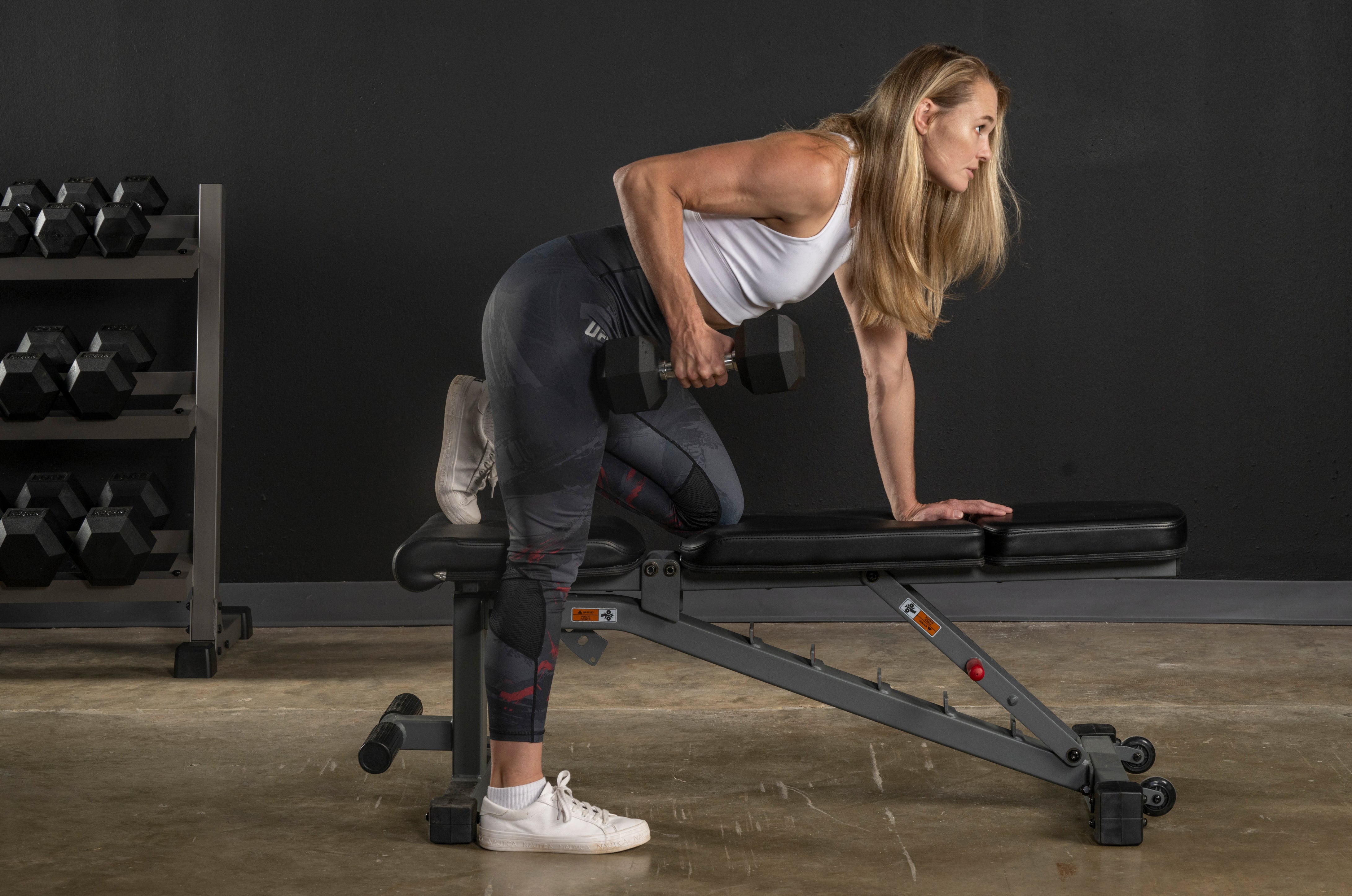
Credit: xmarkfitness.com
Safety And Form Tips
Working out at home with a bench can be convenient, but it’s crucial to prioritize safety and proper form. These elements are not just buzzwords; they are essential for maximizing your results and preventing injuries. Let’s explore some practical tips to keep your bench workouts effective and safe.
Avoiding Common Mistakes
Common mistakes can derail your progress and risk injury. One frequent error is using too much weight. Start light and gradually add more as your strength increases. This approach not only builds confidence but also ensures a solid foundation.
Another mistake is ignoring the importance of warm-ups. Even at home, your muscles need to be warmed up to handle the stress of exercise. A few minutes of dynamic stretching can prepare your body for the workout ahead.
Consider your surroundings. Ensure the bench is stable and the area is clear of obstacles. Have you ever tripped over a misplaced dumbbell? Such incidents can be easily avoided with a quick check before starting your workout.
Listening To Your Body
Your body sends signals when something isn’t right. Pay attention to them. If you feel pain or discomfort, stop immediately. A slight twinge might be your body’s way of saying “slow down” or “adjust your form.”
Rest is as vital as the workout itself. Your muscles need time to recover and grow stronger. Skipping rest days can lead to burnout or injury. Ask yourself, are you giving your body enough time to recharge?
Hydration and nutrition are also key. Fuel your body with water and balanced meals to support your training. Have you noticed how your energy levels dip without proper hydration? Keep a water bottle handy to maintain your performance.
Remember, your home workout routine should be enjoyable and safe. By focusing on these safety and form tips, you can turn your living space into a productive workout zone, ensuring your fitness journey is both rewarding and injury-free.
Tracking Progress
Tracking progress in your bench workouts at home is vital. It ensures you see improvements and stay motivated. Without tracking, it’s easy to lose sight of achievements. Having a clear record helps you adjust and refine your routine for better results.
Setting Realistic Goals
Start with small, achievable goals. These goals should be specific and measurable. For example, aim to increase your reps by two each week. Avoid setting too high targets. This can lead to frustration and burnout. Instead, focus on steady growth over time. Celebrate each small victory. It boosts morale and keeps you driven.
Using A Workout Journal
A workout journal is a useful tool. It helps you track your exercises and progress. Record the sets, reps, and weights used. Note how you feel after each session. This helps identify patterns and areas for improvement. Review your journal regularly. It offers insights into your progress and keeps you motivated. A simple notebook or app can be your journal. Choose one that fits your style. Consistency in journaling leads to better results.
Frequently Asked Questions
What Can I Use As A Workout Bench At Home?
Use a sturdy coffee table, ottoman, or firm sofa as a workout bench. Ensure it’s stable and level. Alternatively, stack yoga blocks or use a wooden plank on secure supports. Always prioritize safety and test stability before exercising.
What Is 5 4 3 2 1 Strength Training?
5 4 3 2 1 strength training is a workout routine. It involves sets of decreasing repetitions: five, four, three, two, and one. Each set uses progressively heavier weights. This method enhances strength and muscle growth efficiently. It is popular among fitness enthusiasts for its structured approach.
How Much Should A 170 Lb Man Bench Press?
A 170 lb man should aim to bench press his body weight, around 170 lbs, for a decent strength level. Beginners may start with 60-80% of their body weight. Intermediate lifters often press 1. 1-1. 5 times their weight. Individual capabilities vary, so adjust accordingly.
How To Train Bench At Home?
Start with push-ups to build chest strength at home. Use a sturdy chair for incline bench presses. Gradually increase repetitions and maintain proper form. Incorporate dumbbells for additional resistance. Create a consistent training schedule for optimal results. Focus on controlled movements and breathing.
Conclusion
Bench workouts at home offer convenience and flexibility. They fit into busy schedules. No need for a gym membership. You choose your pace and intensity. Perfect for beginners and experts alike. They strengthen muscles effectively. Enhance balance and coordination. Improve overall fitness.
A bench is versatile and affordable. It supports a wide range of exercises. Keep your routine fresh and exciting. Consistency is key to success. Commit to regular workouts. Enjoy the physical benefits. Feel more energetic and confident. Transform your home into a personal gym.
Start your bench workout journey today.








