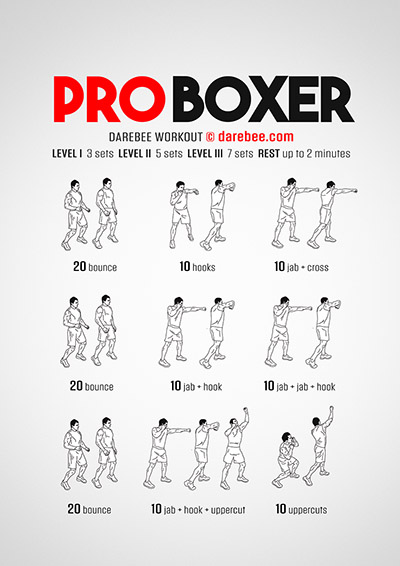
Imagine transforming your living room into a powerhouse of strength, agility, and endurance. You don’t need a fancy gym or expensive equipment to get into fighting shape.
With the right boxer workout routine at home, you can unleash your inner champion and build a body that’s as strong as your will. Picture yourself moving with the agility of a cat, the strength of a lion, and the endurance of a marathon runner—all from the comfort of your own home.
This isn’t just about fitness; it’s about tapping into a mindset that propels you forward, motivating you to push past your limits. Ready to step into the ring and transform your fitness routine? Let’s dive into how you can start your boxer workout routine at home, and why it just might be the most exhilarating decision you make today.
Benefits Of Boxer Workouts
Boxer workout routines at home boost fitness and stamina. These exercises enhance strength and agility, improving overall health. Practicing regularly can lead to better coordination, endurance, and mental focus, making them a perfect choice for effective home workouts.
Boxer workouts are not just for those stepping into the ring. They offer incredible benefits for anyone looking to enhance their fitness routine from home. Whether you’re aiming to build strength, improve agility, or boost cardiovascular health, incorporating boxer workouts can transform your exercise regimen. Let’s dive into the specific benefits you can enjoy by adding these workouts to your daily routine.1. Boost Cardiovascular Health
Boxer workouts are intense and get your heart pumping. This high-intensity activity improves your heart’s efficiency, helping to reduce the risk of heart disease. You’ll notice increased stamina and endurance in everyday activities.2. Enhance Strength And Power
Strength and power are not just important for boxers. These workouts focus on explosive movements that engage multiple muscle groups. You’ll build muscle and increase your overall strength without the need for heavy gym equipment.3. Improve Agility And Coordination
Do you find yourself tripping over your own feet? Boxer workouts improve your agility and coordination. Drills like shadow boxing and footwork exercises enhance your ability to move quickly and smoothly, which is beneficial in various sports and daily tasks.4. Burn Calories And Fat
Boxer workouts are fantastic for weight loss. They are high-intensity, which means you burn a significant number of calories in a short time. You’ll also continue to burn calories even after your workout, thanks to the afterburn effect.5. Relieve Stress
Feeling stressed? Punching a bag can be incredibly cathartic. These workouts help you release pent-up energy and stress, leaving you feeling more relaxed and focused.6. Improve Mental Toughness
Boxing is as much a mental challenge as it is a physical one. Pushing through a tough routine builds mental resilience. You’ll develop a stronger mindset, helping you tackle challenges both in and out of the workout.7. Increase Confidence
As you progress and see improvements in your fitness and skills, your confidence naturally grows. Knowing you can execute a powerful punch or glide smoothly through footwork gives you a sense of accomplishment. This newfound confidence can spill over into other areas of your life. Ready to transform your home workouts? Why not try incorporating a boxer routine? You don’t need a lot of space or fancy equipment to get started. Just a willingness to try something new and the determination to push through each round. Are you ready to step into your best self?Essential Equipment
When setting up your boxer workout routine at home, having the right equipment can make all the difference in your training effectiveness and motivation. You might wonder, what do you really need to get started? From the basics to optional enhancements, let’s explore the essential gear to elevate your home boxing workouts.
Basic Gear
To kick off your home boxing routine, you’ll need some fundamental equipment that every boxer relies on. A sturdy pair of boxing gloves is a must-have. They protect your hands and help improve your punching technique. Look for gloves that fit snugly but comfortably.
Another essential piece is hand wraps. These might seem like a minor addition, but they provide crucial support to your wrists and knuckles. Without them, you risk injury even during light training.
A punching bag or a heavy bag is essential for practicing strikes and building power. If space is an issue, consider a freestanding bag. They’re easy to set up and don’t require drilling into walls or ceilings.
Optional Add-ons
Once you’ve got the basics, think about adding some optional gear to diversify your workouts. A jump rope can be a fantastic cardio tool, enhancing your footwork and endurance. It’s compact, affordable, and surprisingly effective.
Resistance bands offer a versatile way to boost your strength training. They can be used for shadow boxing and help build muscle without the need for heavy weights. They’re also easy to store and transport.
For those looking to dive deeper into technique, consider a speed bag. It improves hand-eye coordination and rhythm, essential skills for any boxer. It’s a fun challenge that keeps your workouts fresh.
Choosing the right equipment can be daunting, but starting with the essentials ensures you have a solid foundation. Have you ever wondered how much more effective your workout could be with just a few added pieces? Reflect on your goals and let your training evolve with your needs. What other gear have you found helpful in your boxing journey? Share your thoughts and experiences in the comments below!
Warm-up Exercises
Warm-up exercises are essential for any boxer workout routine at home. They prepare your body and mind for intense physical activity. Starting with a proper warm-up can help prevent injuries. It also boosts your performance during the main workout. Focus on getting your muscles ready and your heart pumping.
Dynamic Stretches
Dynamic stretches involve movement and help increase flexibility. Begin with arm circles to loosen shoulder joints. Swing your arms forward and backward for 30 seconds. Next, try leg swings to prepare your hips and legs. Stand on one leg, swing the other forward and backward. Repeat for both legs.
Torso twists are great for warming up your core. Stand with feet shoulder-width apart, twist your torso from side to side. Keep your movements controlled and smooth. Spend at least five minutes on these stretches.
Cardio Preparation
Getting your heart rate up is crucial before boxing. Jumping jacks are a simple way to start. Perform them for one minute to get your blood flowing. Follow with high knees to further engage your legs. Run in place, bringing your knees as high as you can.
Burpees are another excellent exercise for cardio preparation. Begin in a standing position, drop into a squat, kick your feet back, and return to standing. Aim for ten repetitions to increase your endurance. These exercises will ensure you’re ready for the boxing workout.
Strength And Conditioning
Boxers can train effectively at home using simple exercises. Jump rope builds endurance and footwork. Shadow boxing sharpens technique and speed. Bodyweight exercises like push-ups and sit-ups enhance strength and core stability.
Strength and conditioning are crucial elements of a boxer’s workout routine, especially if you’re training at home. They build the foundation for stamina and performance in the ring. These workouts are designed to enhance your physical capabilities without requiring fancy gym equipment.Core Workouts
Strengthening your core is key to powerful punches and solid defense. A strong core stabilizes your entire body, helping you maintain balance and control during intense matches. Start with planks. Hold a plank position for 30 seconds to a minute. Gradually increase this time as your strength improves. Try Russian twists to work on your obliques. Sit on the floor with your knees bent, lean back slightly, and twist your torso from side to side while holding a weight or even a water bottle.Upper Body Strength
Upper body strength is essential for delivering those knockout punches. Push-ups are a fantastic exercise to build strength in your chest, shoulders, and arms. You can mix it up with different variations like diamond push-ups or wide-arm push-ups to target different muscle groups. Don’t have dumbbells? Use water bottles or milk jugs for bicep curls and overhead presses. Aim for 3 sets of 12 repetitions.Lower Body Power
Your legs are the powerhouse of your punches. Strong legs mean better footwork and more explosive movements. Squats are a must-do exercise for any boxer. They help build power in your thighs and glutes. Lunges are also effective. Try forward lunges, side lunges, and even jumping lunges for added challenge. Jumping rope is another excellent way to improve lower body strength while enhancing your cardio endurance. How many rounds can you skip without tripping? By incorporating these exercises into your routine, you can significantly boost your boxing performance. What changes can you make today to amp up your strength and conditioning routine at home?Boxing Drills
Boxing drills bring energy and focus to your workout routine. They are essential for improving speed, accuracy, and endurance. Practicing these drills at home can enhance your boxing skills significantly.
Shadow Boxing
Shadow boxing helps you visualize your opponent. It improves your technique and form. Stand in front of a mirror to correct your posture. Throw punches with precision. Use your imagination to dodge incoming attacks. This exercise boosts your confidence and sharpens your reflexes.
Punch Combinations
Punch combinations add variety to your routine. Mix jabs, hooks, and uppercuts. Practice different sequences to keep your opponent guessing. Focus on speed and power. Repeat each combination until it feels natural. This drill builds muscle memory and enhances coordination.
Footwork Techniques
Footwork techniques are crucial in boxing. They improve balance and agility. Start with basic movements like sidestepping and pivoting. Concentrate on smooth transitions. Maintain a light stance to move quickly. Good footwork lets you control the ring effectively.

Credit: www.pinterest.com
Cardio And Endurance
Boosting cardio and endurance is vital for boxers. It enhances stamina and energy. At home, you can focus on exercises that improve these aspects. These workouts are easy to perform and require minimal equipment. Let’s explore some effective routines.
Jump Rope Sessions
Jumping rope is a classic exercise for boxers. It builds speed and coordination. Begin with a simple warm-up. Start jumping at a steady pace. Aim for three sets of three minutes each. Rest for one minute between sets. As you improve, increase the intensity. Try variations like single-leg jumps or double-unders. Consistency is key. Jump rope sessions will strengthen your heart and lungs.
Hiit Routines
High-Intensity Interval Training (HIIT) is another great option. It combines short bursts of intense exercise with rest periods. This method improves cardiovascular fitness efficiently. You can start with a simple routine. Perform exercises like burpees, mountain climbers, or sprints. Do each for 30 seconds. Rest for 15 seconds between exercises. Repeat the cycle four times. This workout boosts your endurance quickly.
Flexibility And Recovery
Boxer workout routines at home emphasize flexibility and recovery. Stretching exercises improve agility, while proper rest ensures muscle repair.
Flexibility and recovery are crucial components of any effective boxer workout routine at home. Emphasizing these aspects helps prevent injuries, enhances performance, and ensures longevity in training. Neglecting them could lead to setbacks, making it essential to integrate them into your daily regimen. Regularly dedicating time to flexibility can improve your range of motion and overall agility. Recovery aids in muscle repair, reducing soreness, and preparing your body for the next workout. By understanding and practicing the right techniques, you can maintain peak physical condition and continue to progress.Cool Down Stretches
After a high-intensity boxing workout, your muscles need to cool down properly. Engage in stretches that focus on areas heavily worked, such as shoulders, back, and legs. Try a simple shoulder stretch: stand tall, bring one arm across your body, and use the other arm to press it closer to your chest. Hold for 15-30 seconds and switch arms. This helps relieve tension and improves flexibility. For your legs, a standing quad stretch is beneficial. Grab your ankle and gently pull your foot towards your buttocks, keeping your knees together. This stretch targets the quads, which are often engaged during boxing footwork.Recovery Tips
Recovery is as important as the workout itself. Ensure you are getting adequate rest; your muscles repair and grow during this time. Consider incorporating active recovery days into your routine. Light activities like walking or yoga can promote blood flow and expedite recovery without straining your body. Hydration plays a vital role in recovery, so drink plenty of water throughout the day. Proper hydration helps flush out toxins and supports muscle function. Have you ever felt sore for days after a workout? This might be due to a lack of proper recovery practices. Listening to your body and adjusting your routine accordingly can make a significant difference in how you feel and perform. Remember, the goal is to enhance your boxing skills while maintaining your health and well-being. Investing in flexibility and recovery will keep you fighting fit and ready for the next challenge.:format(jpeg)/f/115220/1100x1100/50151fad09/stamina_speed_skill.jpg)
Credit: blog.joinfightcamp.com
Nutrition For Boxers
Nutrition plays a pivotal role in a boxer’s workout routine, especially when training at home. What you eat fuels your energy levels, enhances recovery, and builds endurance. But how can you tailor your meals to support your boxing goals? Let’s dive into the specifics of pre- and post-workout nutrition.
Pre-workout Meals
Your body needs the right fuel before it can deliver punches with power and precision. A balanced pre-workout meal sets the stage for an effective session. Consider a mix of carbohydrates for energy and protein for muscle support.
- Oatmeal with fruits:This combination provides slow-releasing carbs, keeping your energy steady throughout your workout.
- Greek yogurt with honey:Protein-rich and quick to digest, giving your muscles the necessary support.
- Whole-grain toast with peanut butter:A classic choice offering healthy fats and carbs for sustained energy.
Have you noticed a dip in your performance during training? Adjusting your pre-workout meal might just be the tweak you need. Reflect on what works best for your body.
Post-workout Nutrition
Recovery is just as crucial as the workout itself. Post-workout nutrition helps repair muscles and replenish energy stores. A thoughtful meal or snack can make a world of difference.
- Grilled chicken with quinoa:High in protein and fiber, aiding muscle recovery and filling your energy tank.
- Banana with almond butter:This combo is rich in potassium, great for preventing muscle cramps.
- Protein shake with berries:Quick and effective, perfect for a busy day.
Do you often feel sore after an intense boxing session? Post-workout nutrition might be your answer. Experiment with different options to see what suits your recovery needs best.
Understanding nutrition not only boosts your boxing performance but also enhances your overall health. Could your next meal be the secret weapon in your boxing arsenal? Give it a try and see how your body responds.
Tracking Progress
Track your progress with a boxer workout routine at home. Simple exercises help improve strength and endurance. Consistent practice ensures steady improvement and visible results.
Tracking your progress is a crucial part of any boxer workout routine at home. It’s easy to get lost in the daily grind, but keeping an eye on your improvements can fuel your motivation. By setting clear goals and monitoring your progress, you can ensure that your hard work truly pays off.Setting Goals
Begin by defining what success looks like for you. Is it building endurance, increasing speed, or mastering a new technique? Write down these goals and make them specific. Instead of saying “get faster,” aim for “complete a three-minute round of jump rope without stopping.” Once your goals are set, break them into manageable steps. Aiming to do 100 push-ups in a row? Start with 10, then add five more each week.Monitoring Improvements
Keeping track of your achievements is as important as setting them. Use a journal or a digital app to record your daily workouts. Note the number of rounds you completed, the speed of your punches, or the time you spent on footwork drills. This data is invaluable. Consider creating a simple table to visualize your progress:| Week | Push-Ups | Jump Rope (mins) | Punches |
|---|---|---|---|
| 1 | 15 | 1 | 100 |
| 2 | 20 | 2 | 150 |

Credit: www.pinterest.com
Frequently Asked Questions
What Is The Best Workout Routine For A Boxer?
A boxer’s best workout routine includes strength training, cardio, agility drills, and sparring sessions. Focus on exercises like shadow boxing, jump rope, heavy bag work, and core strengthening. Consistency, proper technique, and rest are crucial for optimal performance and injury prevention.
Tailor the routine to individual goals and fitness levels.
How Do Boxers Train At Home?
Boxers train at home by doing shadow boxing, jump rope, and bodyweight exercises like push-ups and squats. They focus on cardio, footwork, and core strengthening. Using a heavy bag improves punching power and technique. Regular practice and discipline are crucial for effective home training.
Is 30 Minutes Of Boxing A Good Workout?
Boxing for 30 minutes is a great workout. It boosts cardiovascular health, burns calories, and enhances strength. This intense exercise improves coordination and reduces stress. Regular boxing sessions can help achieve fitness goals effectively. Enjoy the benefits of this dynamic workout.
How Many Hours A Day Do Boxers Workout?
Boxers typically train for 3 to 5 hours a day. Their routine includes cardio, strength training, and skill work. Consistency and intensity are crucial for peak performance in the ring. Recovery and rest are also essential components of their regimen.
Conclusion
A home boxing workout builds strength and endurance effectively. It’s simple, yet powerful. With dedication, you can achieve impressive fitness results. Focus on technique and consistency. Practice regularly to improve skills. Adapt exercises to your level. Listen to your body and rest when needed.
Stay motivated and track your progress. Enjoy the journey towards better health. Feel the positive changes in your body. Embrace the challenge and celebrate small victories. This routine makes fitness accessible at home. Anyone can start today. Step by step, progress is possible.
Remember, every punch counts. Keep going, stay committed, and succeed.








