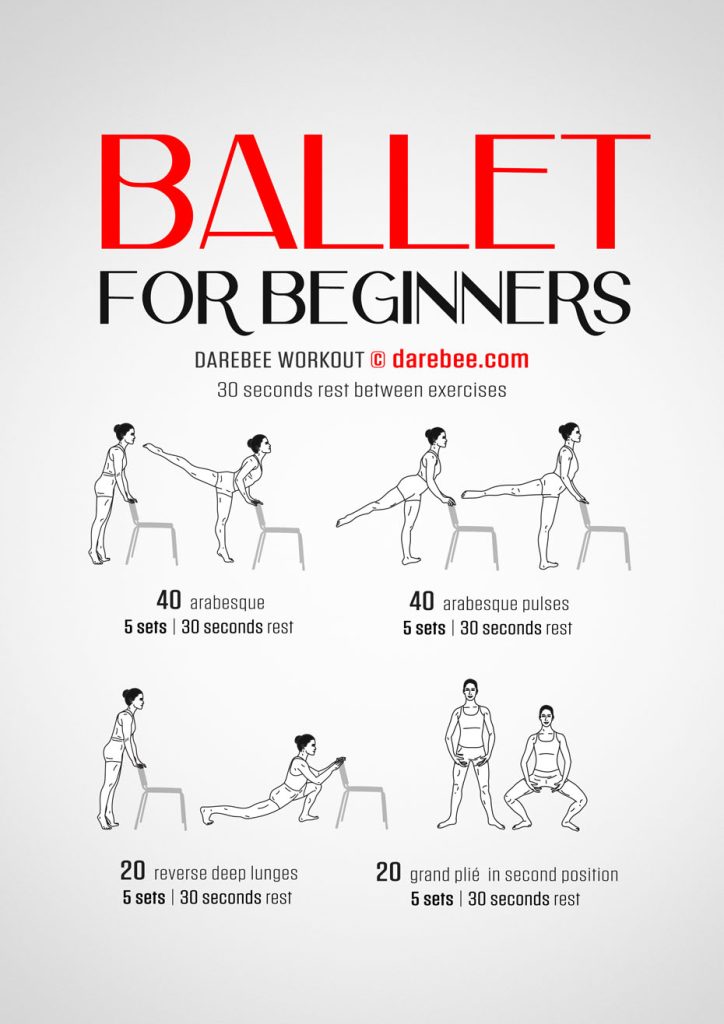
Imagine transforming your living room into a graceful ballet studio, where every plié and tendu brings you closer to a toned body and a serene mind. With a ballet workout at home, you can do just that—no need for a dance background or fancy equipment.
You might be wondering how a simple ballet routine can enhance your fitness and flexibility. The truth is, ballet workouts are not only for dancers; they are perfect for anyone looking to sculpt muscles, improve posture, and boost mental clarity.
Feel the elegance and strength of a ballerina, all within the comfort of your own space. You’ll discover how ballet movements can engage every muscle, turning your workout into a full-body experience. Are you ready to embrace the beauty and benefits of ballet without leaving your home? Read on to find out how you can seamlessly integrate this graceful exercise into your daily routine, and watch your body transform in ways you never imagined.
Credit: harubina.co.jp
Benefits Of Ballet Workouts
Transform your living room into a ballet studio with ballet workouts at home. Improve flexibility and balance while enjoying graceful movements. Boost your mood and fitness with simple routines that require minimal space and equipment.
Ballet workouts offer numerous benefits for the body and mind. Practicing ballet at home can transform your fitness routine. It combines grace and strength in a unique way. Let’s explore some key benefits of ballet workouts.Improved Flexibility
Ballet stretches your muscles gently. It enhances your overall flexibility. Regular practice can make your body more supple. This reduces the risk of injuries. Flexibility also aids in better movement in daily life.Enhanced Posture
Ballet emphasizes the importance of good posture. It teaches proper alignment of the spine. Practicing ballet helps you stand taller. It corrects slouching and strengthens your back. Improved posture boosts confidence in daily activities.Strength And Toning
Ballet workouts sculpt your muscles effectively. They target various muscle groups. The exercises help tone your arms, legs, and core. Ballet provides a full-body workout without heavy weights. Regular practice builds strength over time.Increased Balance
Ballet focuses on balance and coordination. It challenges your body to stabilize. Exercises improve your ability to maintain balance. This benefit extends to all areas of life. Better balance can prevent falls and improve agility.Essential Equipment
Embarking on a ballet workout at home can be an exhilarating way to stay fit and grace your movements without stepping into a studio. Yet, to truly enjoy this dance form, having the right equipment is crucial. Let’s delve into some essential items that can transform your living room into a ballet haven.
Ballet Barre Alternatives
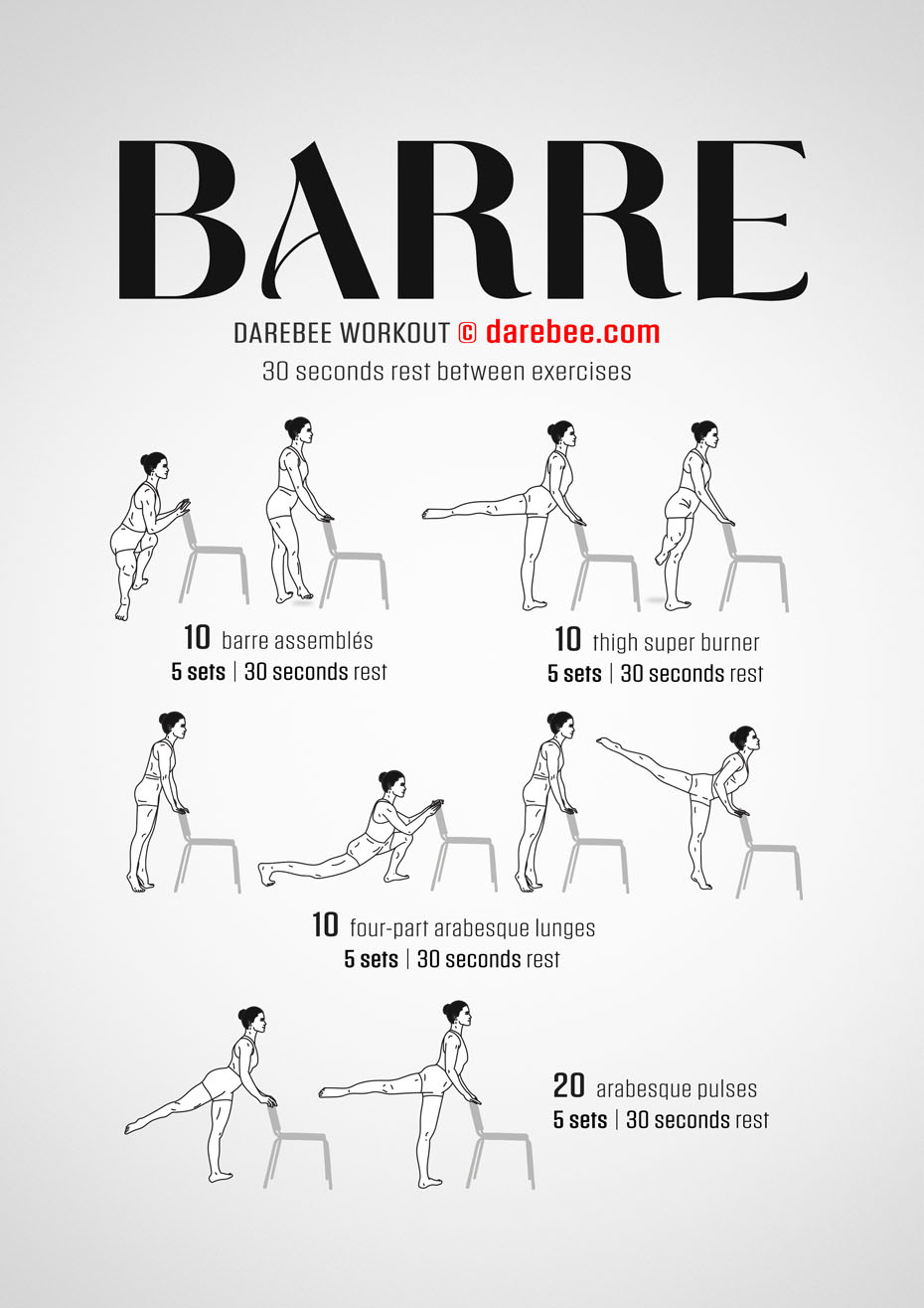
You don’t need a professional barre to practice ballet at home. A sturdy chair or the back of your couch can serve as a great alternative. Ensure it’s stable and at the right height for your hand. This setup can support your posture and balance as you execute your plies and tendus.
Some find a wall-mounted towel rail or a door frame useful. Whatever you choose, test it for stability first. Have you ever tried using a countertop as a barre? It might surprise you how well it works!
Comfortable Attire
Comfort is key when it comes to ballet workouts at home. You don’t need fancy leotards to start; fitted, stretchy clothes work just fine. Think leggings and a snug t-shirt.
Ensure your attire allows you to move freely. Feeling restricted can hamper your performance and enjoyment. Would you wear a tight jacket to a dance class? Probably not!
Also, consider your footwear. Barefoot or soft ballet slippers can keep you grounded and safe during spins and jumps.
Flooring Considerations
Flooring plays a significant role in your ballet workout. A smooth, hard surface like wood or laminate is ideal for executing turns and leaps. Avoid carpets that can hinder your movements.
If your home has slippery floors, a small non-slip mat can be a lifesaver. It provides grip and prevents accidents. Imagine doing a pirouette and sliding—no one wants that!
Consider how your flooring impacts your joints. Cushioning like a yoga mat can be useful for floor exercises, keeping you comfortable and safe. Are you ready to turn your home into a dance space?
These small adjustments can dramatically enhance your ballet workout experience. With a little creativity, your home can become your personal dance studio, allowing you to glide, leap, and express yourself like never before.
Basic Ballet Moves
Ballet workout at home introduces basic ballet moves. These moves help improve balance, flexibility, and strength. Ideal for beginners, they offer a graceful way to stay fit.
Ballet workouts offer grace and strength. They enhance flexibility and posture. Learning basic ballet moves at home is simple and rewarding. These moves provide a strong foundation for your ballet practice. They also improve balance and coordination. Let’s explore some essential ballet steps.Plies And Relevés
Plies are fundamental in ballet. They involve bending the knees, keeping heels on the floor. This move strengthens thighs and calves. Relevés mean rising onto the balls of your feet. They enhance ankle strength and stability. Both moves improve leg power and control.Tendus And Dégagés
Tendus extend the leg and foot outward. They enhance footwork and stretch. This move is crucial for pointing toes. Dégagés lift the foot slightly off the floor. They improve speed and precision. Together, they create fluid, elegant leg movements.Battements And Rond De Jambe
Battements involve lifting the leg high. They develop flexibility and muscle strength. This move is great for building leg endurance. Rond de Jambe traces circular patterns with the foot. It increases hip mobility and grace. Both moves add artistry to your ballet routine.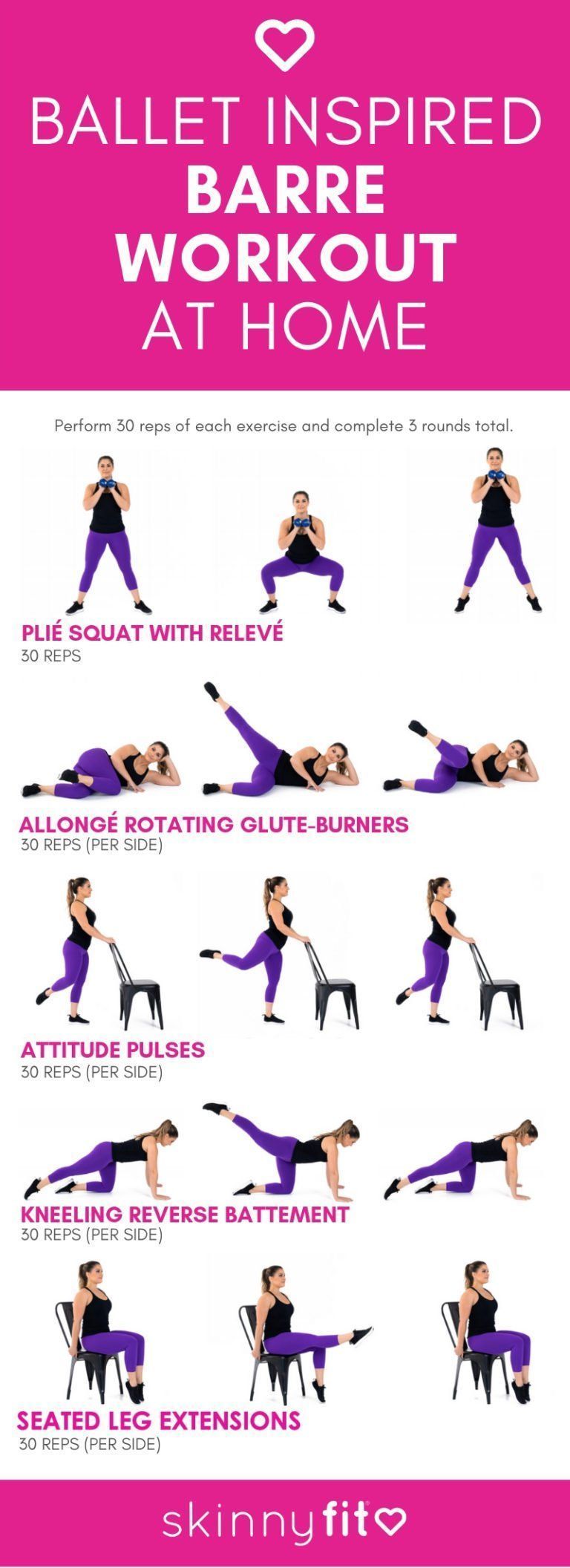
Credit: www.greensafaris.com
Creating A Home Routine
Create a graceful home routine with a ballet workout. Enhance flexibility and strength through elegant movements. Enjoy the beauty of dance while toning muscles.
Creating a home routine for your ballet workout can be both exciting and rewarding. It allows you to tailor your sessions to fit your personal goals and schedule. Whether you’re a beginner or have some ballet experience, a structured routine can transform your living room into a graceful dance studio. Let’s explore how to set up an effective home ballet workout.Setting Goals
First, determine what you want to achieve with your ballet workout. Are you aiming to improve flexibility, build strength, or master specific ballet moves? Setting clear goals will keep you motivated and focused. Write down your goals and keep them visible. This could be on your fridge or your bathroom mirror. Seeing them daily can remind you why you started and push you to stay committed. Consider your current fitness level and lifestyle. Set realistic milestones that challenge you but are attainable. As you progress, adjust your goals to keep your routine fresh and exciting.Structuring Your Session
Begin each session with a warm-up to prepare your body for movement. Simple exercises like plies and tendus can ease your muscles into action. Warm-ups reduce the risk of injury and increase performance. Plan your main workout around key ballet exercises such as barre work, center exercises, and jumps. Allocate specific time slots for each section to ensure a balanced session. End with a cool-down to relax your muscles and enhance flexibility. This could involve gentle stretches or yoga poses. Cooling down is crucial for recovery and should never be skipped.Incorporating Rest Days
Rest is an essential part of any fitness routine. It allows your muscles to recover and grow stronger. Skipping rest days can lead to burnout or injury, which hinders progress. Decide on a weekly schedule that includes at least one or two rest days. Use this time to relax and reflect on your achievements. Rest days can also be an opportunity to review your goals and make any necessary adjustments. Do you find yourself itching to move even on rest days? Consider light activities like walking or meditation. They can keep you active without straining your body.Safety Tips
Ballet workouts are a fantastic way to stay fit at home, blending elegance with strength training. However, ensuring your safety while executing those graceful moves is crucial. Without proper precautions, you risk injury and setbacks in your fitness journey. Let’s dive into some essential safety tips to keep your ballet workout beneficial and injury-free.
Warm-up Techniques
Start your ballet workout with a thorough warm-up. It’s tempting to jump straight into the dance, but warming up prepares your muscles and joints for the movements ahead. Consider beginning with dynamic stretches like leg swings and arm circles. These get the blood flowing and gently loosen tight spots. You might also include plies to engage your core and legs. Imagine yourself gradually easing into the dance, feeling each muscle activate for a smoother transition into more intense ballet steps.
Avoiding Common Injuries
Ballet is beautiful but demanding. Common injuries include sprains and strains, often caused by incorrect form or overexertion. Pay attention to your alignment—keep your knees over your toes during plies and avoid locking your joints. Also, watch out for slippery surfaces, which can lead to falls. Wearing proper ballet shoes or even socks with grip can make a big difference. Have you ever noticed how much more stable your pirouettes feel with the right footwear?
Listening To Your Body
Your body knows best, and it’s crucial to listen to it during workouts. Notice any pain or discomfort, and take it seriously. There’s a difference between a healthy burn and harmful pain. If you’re feeling exhausted or strained, take a break or modify your routine. Remember, the goal is progress, not perfection. Think about how much more enjoyable your sessions are when you respect your body’s limits. Could pushing through pain today lead to a setback tomorrow?
By following these safety tips, you can enjoy your ballet workout at home confidently and effectively. Prioritizing safety allows you to focus on the grace and strength of ballet without worry. So, lace up those ballet shoes and dance with peace of mind!
Incorporating Ballet Into Daily Life
Experience the elegance and fitness benefits of ballet workouts at home. Simple movements can improve flexibility, strength, and posture. Transform everyday spaces into a ballet studio with minimal equipment for an enriching exercise routine.
Incorporating ballet into daily life can bring grace and strength. Ballet workouts blend elegance with fitness. They offer a unique way to stay active. You don’t need a ballet studio. Just a small space and a desire to move. Ballet workouts can fit into any lifestyle. They enhance flexibility, posture, and balance. Let’s explore how to make ballet a daily habit.Short Sessions For Busy Days
Busy schedules can make workouts challenging. Short ballet sessions are perfect for busy days. A 10-minute session can boost energy. Focus on specific moves like pliés and tendus. These exercises work on core strength and posture. Consistency is key. Even short sessions can bring noticeable results over time.Combining With Other Exercises
Ballet workouts can complement other exercises. Pair ballet with yoga for improved flexibility. Add strength training for enhanced muscle tone. Ballet enhances the benefits of cardio workouts. It provides a full-body workout that improves endurance. Mixing workouts keeps routines interesting. It also targets different muscle groups.Tracking Progress
Tracking progress keeps you motivated. Create a simple log of your workouts. Note the exercises and duration. Track improvements in flexibility and balance. Use videos to compare past and present performances. Celebrate small achievements. Progress might be slow, but it’s rewarding. Keep setting new goals to stay motivated.Resources And Inspiration
Discover a world of ballet workouts at home with easy-to-follow videos and guides. Find inspiration from professional dancers sharing their tips and routines. Transform your living room into a graceful studio today.
When diving into the world of ballet workouts at home, finding the right resources and inspiration can make a difference. With the digital age, accessing quality guidance and support has become easier. Let’s explore some of the best ways to enhance your ballet workout journey.Online Classes And Tutorials
Online classes offer convenience. You can learn from top instructors without leaving your home. Websites and platforms like YouTube host a range of ballet workout tutorials. These cater to all levels, from beginners to advanced dancers. Some platforms provide structured courses. They guide you step-by-step, ensuring you learn at your own pace.Popular Ballet Fitness Apps
Ballet fitness apps are tools for enthusiasts. They offer structured workouts designed by professionals. Apps like Ballet Beautiful and Sleek Ballet Fitness are popular choices. These apps provide exercises focused on strength and flexibility. They also include video demonstrations for better understanding. Using these apps, you can track progress and set fitness goals.Community And Support Groups
Joining a ballet community can be motivating. There are online forums and social media groups dedicated to ballet fitness. These platforms allow you to connect with fellow ballet lovers. Share experiences, ask questions, and get tips from others. Support groups offer encouragement and can keep you motivated on your fitness journey.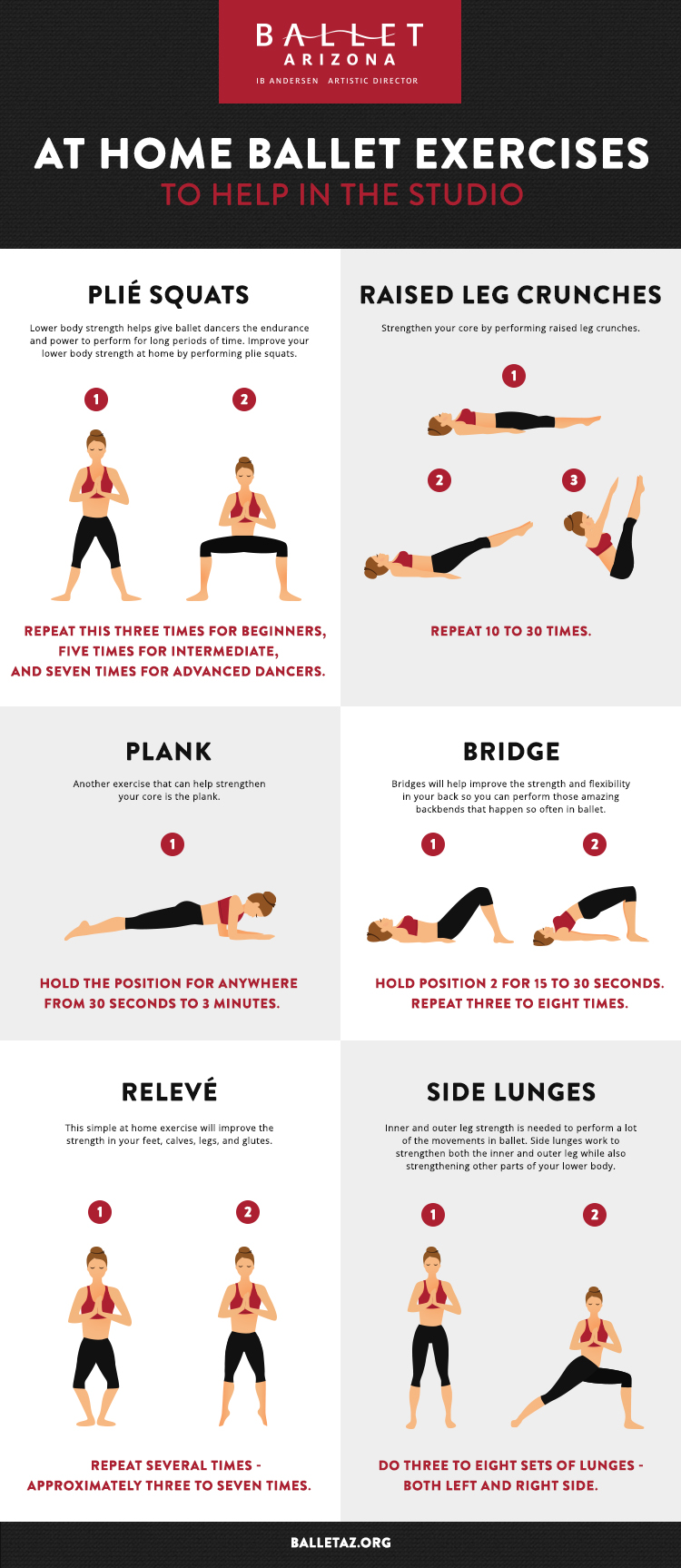
Credit: balletaz.org
Frequently Asked Questions
Can You Train Ballet At Home?
Yes, you can train ballet at home. Use online classes and tutorials for guidance. Ensure you have enough space and a mirror. Focus on basic techniques, stretching, and strengthening exercises. Consider consulting a professional occasionally for feedback to prevent injuries and improve your skills.
Is Ballet A Good Workout To Lose Weight?
Ballet is an effective workout for weight loss. It combines strength, flexibility, and cardio, enhancing muscle tone and burning calories. Regular practice improves posture and promotes overall fitness, contributing to weight loss goals. It’s a graceful way to stay active and healthy.
What Exercise Is Best For Ballet?
The best exercises for ballet include pliés, relevés, and tendus to improve strength and flexibility. Incorporate core workouts and stretching for better balance and posture. Consistent practice is key to mastering ballet techniques.
Do Ballet Workouts Work?
Ballet workouts enhance flexibility, strength, and posture. They burn calories effectively, promoting weight loss and muscle tone. These workouts are excellent for improving balance and coordination. Ballet exercises provide a full-body workout that strengthens core muscles and increases endurance. They offer a unique blend of cardio and strength training.
Conclusion
Ballet workouts at home offer a unique way to stay fit. You can enjoy the elegance of dance while building strength. It’s simple to start with online tutorials. Minimal equipment needed. Just space and motivation. This workout enhances flexibility and posture.
Perfect for those seeking a graceful exercise routine. Try adding ballet moves to your daily routine. Experience the joy of dance. Feel the improvement in your body. Ballet workouts are both fun and effective. Discover this delightful path to fitness.
Embrace the artistry at home. Dance, move, and stay healthy.








