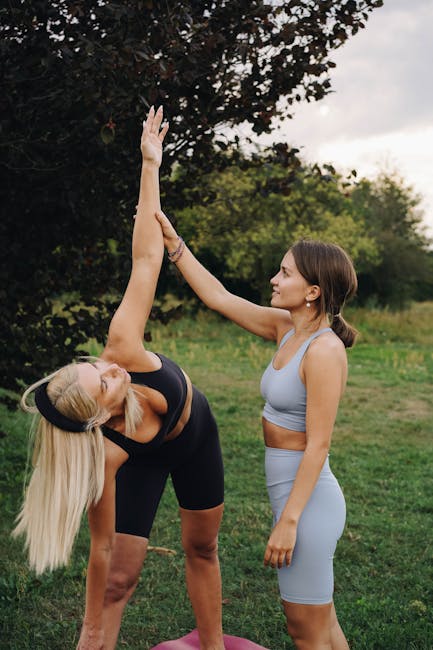
Imagine transforming your living room into a high-energy fitness studio, where every move you make brings you closer to your health goals. Barry’s Workout at Home offers you this exact opportunity—an adrenaline-pumping, heart-racing workout experience without needing to step foot outside your door.
Are you tired of the same old exercise routines that fail to keep you motivated? Do you want a workout that’s both challenging and fun? Then, get ready to dive into a world where convenience meets intensity. With Barry’s Workout at Home, you can achieve the results you crave, all while enjoying the comfort of your own space.
Curious about how you can revitalize your fitness routine and experience the famed Barry’s workout magic right in your own home? Read on to discover more!
Benefits Of Home Workouts
Barry’s workout at home offers many benefits. Exercising at home saves time and money. You can set your own schedule. No need to rush to the gym. The comfort of your home makes workouts more enjoyable. Let’s explore some key benefits of home workouts.
1. Convenience And Flexibility
Home workouts offer unmatched convenience. You choose the time that fits your life. Morning, afternoon, or night. Your choice. No travel means more time for exercise. This flexibility helps you stay consistent.
2. Cost-effective Fitness
Forget gym memberships. Home workouts save money. Invest in basic equipment once. Use it anytime. Online workout videos are free. Many apps offer guided sessions. Affordable and effective.
3. Privacy And Comfort
Home workouts offer privacy. No need to worry about others watching. Wear what you like. Move at your own pace. Your home is your gym. This comfort encourages regular exercise.
4. Customizable Environment
Create your perfect workout space. Choose music that motivates you. Adjust the temperature. Add inspiring decor. A personalized space boosts motivation. Makes workouts more enjoyable.
5. Family Involvement
Involve family in workouts. Exercise becomes a bonding activity. Encourage healthy habits together. Kids can join in fun exercises. Fitness becomes a family affair.
Setting Up Your Space
Setting up your workout space at home is crucial for creating an environment that motivates and inspires you. This is your sanctuary, a place where you can focus on your fitness goals without distractions. Whether you’re working with a spacious room or a cozy corner, optimizing your setup can make all the difference.
Choosing The Right Area
Finding the ideal area for your workout is the first step. Look for a spot with good ventilation and natural light if possible. A window can brighten your mood, making workouts more enjoyable. Consider the noise level in your home. You need a place where you can concentrate and have peace of mind.
Think about space requirements. Can you stretch out for floor exercises? Ensure you have enough room for movement without knocking over furniture. A small, cluttered area could hinder your motivation. Imagine trying to do jumping jacks in a cramped room!
Essential Equipment
Having the right gear can transform your workout experience. Begin with basics like a yoga mat, resistance bands, and a pair of dumbbells. These are versatile tools that enhance various exercises. If you’re into cardio, a jump rope or step platform can be a great addition.
Consider investing in a stability ball or kettlebells for strength training. They offer unique exercises and don’t take up much space. A workout bench is also helpful if you have room. Remember, quality over quantity. You don’t need a gym’s worth of equipment to get results.
Safety Tips
Your safety should always come first. Clear your workout area of any hazards. Loose rugs or scattered items can lead to accidents. Ensure your equipment is in good condition and safely stored. A broken band or unstable bench is an accident waiting to happen.
Pay attention to your body’s signals. If something feels off, stop and reassess. Using mirrors can help with form and prevent injuries. Keep a water bottle close to stay hydrated. You wouldn’t want to cut a workout short because of dehydration.
Creating your workout space is more than just setting up equipment. It’s about crafting an environment where you can thrive. What changes can you make today to enhance your space and boost your workouts?
Designing Your Workout Routine
Designing your workout routine is crucial to achieving your fitness goals, especially when working out at home. You have the flexibility to tailor every session to your needs and preferences. Let’s break down how you can effectively design your workout routine to ensure you stay motivated and make progress.
Goal Setting
Start by identifying what you want to achieve. Do you aim to lose weight, build muscle, or improve endurance? Each goal requires a different approach.
Barry once decided to focus on losing weight. He set a realistic target of shedding five pounds in two months. This clear goal kept him on track and motivated.
What’s your target? Make sure it’s specific, measurable, and achievable. Write it down. Revisit it regularly.
Balancing Cardio And Strength
A balanced routine is key. Cardio boosts heart health and burns calories. Strength training builds muscle and tones your body.
Barry found that mixing cardio with strength exercises kept things exciting. He alternated between running and weight training. This balance prevented burnout and maximized results.
Consider what works best for you. Mixing things up keeps your routine fresh and your body challenged.
Scheduling And Consistency
Consistency is your best friend in fitness. Set a schedule that fits your lifestyle. How many days can you commit each week? Be realistic.
Barry managed to work out three times a week. He chose mornings as he felt most energized. This routine became a habit and he rarely missed a session.
What time works best for you? Find a rhythm that suits your life and stick to it. Remember, consistency beats intensity every time.
As you design your workout routine, consider these elements. What’s stopping you from starting today? Your home is your gym, and you are your own coach. Make it happen!

Credit: sarahfit.com
Warm-up And Stretching
Starting your workout at home requires a good warm-up and stretching routine. This prepares your body for exercise and reduces the risk of injury. A solid warm-up boosts blood flow to muscles, enhancing flexibility. Stretching further improves joint mobility and relaxes muscles. Barry’s Workout focuses on dynamic warm-up techniques and essential stretches. These elements ensure an effective workout session.
Dynamic Warm-up Techniques
Dynamic warm-up techniques involve active movements. These movements increase heart rate and get your body ready. Arm circles are excellent for warming up shoulders. Perform them for 30 seconds. Leg swings help loosen the hips and legs. Do them for 30 seconds on each leg. High knees are effective for cardio and leg readiness. Aim for 45 seconds of high knees. Each technique engages different muscle groups.
Essential Stretches
Essential stretches help maintain muscle elasticity. Begin with the hamstring stretch. Hold it for 20 seconds on each leg. This stretch is crucial for leg muscles. The quadriceps stretch follows. Keep it for 20 seconds per leg. It’s vital for the front thigh muscles. The chest stretch improves upper body flexibility. Hold it for 30 seconds. Relaxing your muscles aids post-workout recovery.
Cardio Exercises
Barry’s Workout at Home offers simple cardio exercises perfect for any living room. Jumping jacks and high knees boost heart health and burn calories. Quick, effective routines fit into busy schedules, making staying active easy.
Barry’s Workout at Home is an excellent way to stay fit without stepping outside. Cardio exercises are a key component of this routine, helping you boost your heart rate and burn calories. Whether you’re looking for something intense or gentle on the joints, there’s a cardio option for you.High-intensity Interval Training
High-Intensity Interval Training (HIIT) is perfect for those who want a quick yet effective workout. It involves short bursts of intense exercise followed by brief rest periods. This method keeps your heart rate up, ensuring you burn maximum calories in minimal time. Imagine doing jumping jacks for 30 seconds, then resting for 15 seconds, and repeating. You can mix in exercises like burpees or mountain climbers to keep things exciting. The beauty of HIIT is that it can be tailored to any fitness level. You choose the intensity and duration that suits you best. Have you ever tried pushing yourself for just a minute and felt like you conquered a mountain? HIIT offers that thrilling sense of achievement. It’s a fantastic way to challenge yourself and break the monotony of regular workouts.Low-impact Options
Low-impact cardio exercises are ideal if you’re easing into a workout routine or dealing with joint concerns. They get your heart pumping without the hard impact on your knees or hips. Think of activities like brisk walking in place or gentle step-ups. You can also try cycling on a stationary bike or doing a dance routine at a moderate pace. These exercises are gentle yet effective, making them perfect for any age or fitness level. Plus, they can easily be done in a small space, ensuring you don’t need much room to get moving. Have you ever felt the joy of dancing to your favorite tunes in your living room? Low-impact options let you enjoy cardio without feeling overwhelmed. They provide a refreshing change of pace and keep you motivated to stay active. Both HIIT and low-impact exercises offer unique benefits. Which one will you add to your routine today?
Credit: www.pinterest.com
Strength Training
Barry’s workout at home offers a straightforward approach to strength training. Focus on exercises like squats, push-ups, and lunges. These routines build muscle effectively, enhancing overall fitness.
Strength training is a powerful way to enhance your fitness routine at home. It not only builds muscle but also increases metabolism and improves bone density. Barry’s Workout at Home focuses on efficient and effective strength training techniques you can easily perform in your living room. Let’s explore some practical ways to get started with strength training.Bodyweight Exercises
Bodyweight exercises are an excellent starting point for strength training. They require no equipment and can be performed anywhere. Think about classic push-ups and squats. These moves engage multiple muscle groups and can be modified to match your fitness level. Feeling ambitious? Try adding a plank or a burpee to your routine. You’ll be surprised at how challenging it can be to lift your own weight. Have you ever considered the benefits of lunges? They not only target your legs but also improve your balance. Mix it up by trying different variations like side lunges or reverse lunges. The key is consistency. Practice regularly and you’ll notice improvements in strength and endurance.Using Resistance Bands
Resistance bands are versatile tools that can intensify your strength training workouts. They are affordable, portable, and perfect for targeting specific muscle groups. Imagine the burn in your arms when using bands for bicep curls. Feel the resistance challenging your muscles in new ways. Resistance bands are also great for lateral leg lifts or seated rows. You control the intensity by adjusting the band’s length or thickness. Ever thought about combining band exercises with bodyweight moves? It adds variety and makes workouts more engaging. Give it a try next time you feel stuck in your routine. With resistance bands, the possibilities are endless.Dumbbell Workouts
Dumbbells offer a classic and effective way to build strength at home. They provide a range of motion that mimics everyday activities. Consider starting with simple exercises like shoulder presses or deadlifts. These movements can strengthen your upper and lower body simultaneously. You can gradually increase the weight as you progress. Have you tried incorporating dumbbells into your cardio routine? Adding light weights during a brisk walk can enhance calorie burn. It’s a simple yet effective way to level up your workouts. Dumbbells also allow for a variety of exercises, keeping your workouts fresh and challenging. What’s your favorite dumbbell exercise? Try exploring new combinations to keep yourself motivated. Strength training at home doesn’t have to be complicated. With bodyweight exercises, resistance bands, and dumbbells, you have all you need to build a strong, healthy body. Why not start today and experience the benefits firsthand?Core Workouts
Strengthening the core is key to overall fitness. It supports balance and stability. Core workouts at home can be simple yet effective. These exercises help improve posture and reduce back pain. They fit perfectly into any workout routine.
Effective Core Exercises
Planks are a great core workout. They target multiple muscles. Start with a basic plank. Hold the position for 30 seconds. Increase the duration gradually. Crunches are another effective exercise. Lie on your back with knees bent. Lift your shoulders off the floor. Engage your core while doing so.
Bicycle crunches add a twist. They work both the upper and lower abs. Lie flat and lift your legs. Move them in a pedaling motion. Bring opposite elbow to knee. Keep a steady pace for best results.
Incorporating Balance
Balance exercises enhance core strength. Try the single-leg stand. Stand on one leg. Hold for 10 seconds. Switch legs and repeat. This simple move boosts stability.
Another option is the bird dog. Start on all fours. Extend one arm and the opposite leg. Keep your back straight. Hold for a few seconds. Repeat with the other side. These exercises challenge the core while improving balance.
Cool Down And Recovery
After an intense workout, a proper cool down is essential. It helps your body transition smoothly from high activity to rest. Recovery is just as crucial as the workout itself. It ensures your muscles repair and grow stronger.
Proper Cool Down Techniques
Cooling down gradually lowers your heart rate. Start with light jogging or walking for five minutes. This helps your circulation return to normal. Stretching is vital after cardio or strength training. Focus on major muscle groups like your legs, arms, and back. Hold each stretch for 20 to 30 seconds.
Deep breathing aids in relaxation. Inhale deeply, hold, then slowly exhale. This calms your nervous system and reduces stress. Hydrate well to replenish lost fluids. Drinking water aids muscle recovery and prevents cramps.
Importance Of Rest Days
Rest days are crucial for muscle repair. They prevent overuse injuries and promote recovery. Your body needs time to heal after strenuous activity. Resting boosts performance in future workouts. It also reduces fatigue and improves mental health.
On rest days, engage in light activities. Go for a leisurely walk or try yoga. These maintain flexibility and keep your body active. Listen to your body; it knows when it needs a break.
Tracking Progress
Barry tracks his home workout progress with dedication. Each session, he notes improvements in strength and stamina. Keeping a journal helps him stay motivated and focused on his fitness goals.
Tracking progress is vital for any workout routine. It helps you see how far you’ve come. It keeps you motivated. It shows you where to adjust. Barry’s Workout at Home offers simple ways to track your journey. You don’t need fancy tools. Just a bit of discipline and consistency. Here are some effective methods.Using Fitness Apps
Fitness apps can be your best friend. They track your workouts easily. Most are user-friendly. You can set goals within them. They remind you to stay active. Many apps offer workout plans. Some even give nutrition tips. This makes them a complete package. Just download and start using.Keeping A Workout Journal
A workout journal is a classic tool. It’s simple and effective. Write down your exercises daily. Note how you feel after each session. Record your progress weekly. This shows your improvements over time. It also highlights areas to focus on. Plus, it’s rewarding to see your journey on paper. A journal is a personal motivator. It keeps you accountable.
Credit: www.pinterest.com
Staying Motivated
Barry’s workout at home keeps motivation high with easy exercises. Simple routines fit busy schedules, making fitness fun. Enjoy staying active without the gym.
Staying motivated during Barry’s Workout at Home can sometimes feel like a challenge. You may find yourself questioning your commitment when the couch looks more inviting than a set of lunges. But don’t worry, staying motivated isn’t about being perfect; it’s about finding ways to keep moving forward.Setting Achievable Goals
Setting goals that are realistic and attainable is crucial. Instead of aiming for a two-hour workout every day, start with 20 minutes and gradually increase. Think about what you want to achieve in the short term. Do you want to be able to do 10 push-ups without stopping? Write it down, track your progress, and celebrate small wins. A friend once shared how she started with five minutes of exercise and built up to a full hour. Her story shows that small steps lead to big changes.Finding A Workout Buddy
Having a workout buddy can make exercising more enjoyable. A partner can keep you accountable and push you to try harder. Do you have a friend who also wants to stay fit at home? Reach out and plan virtual workout sessions together. Even my neighbor and I started sharing progress pictures, and it became a fun challenge to outdo each other with new exercises.Rewarding Yourself
Rewards can be powerful motivators. Decide on a treat you can enjoy after sticking to your workout routine for a week. Maybe it’s a movie night, a new book, or even a relaxing bubble bath. What incentives would make you feel good? Make them personal and meaningful. I once gifted myself a new workout outfit after hitting my monthly fitness goal. It felt great to wear it during my next session, and it reminded me of my achievements. Have you thought about what keeps you going? Let these insights inspire your routine and turn your home workout into a fulfilling habit.Frequently Asked Questions
What Is A Typical Barrys Workout?
A typical Barry’s workout combines high-intensity interval training with strength exercises. It includes treadmill sprints and resistance training. Sessions last 50-60 minutes, targeting different muscle groups. The workout boosts cardiovascular fitness and builds strength. Each class features energetic music and motivating instructors, creating an engaging and effective fitness experience.
Does Barry’s Really Burn 1000 Calories?
Barry’s Bootcamp claims to burn up to 1,000 calories per class. Results vary by individual effort and fitness level. Factors like metabolism, intensity, and duration affect calorie burn. It’s a high-intensity workout, so many participants experience significant calorie expenditure. Always consult with a trainer for personalized guidance.
How Many Times A Week Should I Do Barry’s?
Attend Barry’s classes 3-5 times a week for optimal results. Balance with rest days for recovery.
Is Barry’s The Hardest Workout Class?
Barry’s is known for being intense and challenging. Many consider it among the hardest workout classes. Its high-intensity interval training combines cardio and strength exercises. The class pushes participants to their limits, making it ideal for those seeking a tough workout.
Individual experiences may vary based on fitness levels.
Conclusion
Barry’s workout at home offers simplicity and convenience. No need for fancy equipment. Just dedication and space. This routine helps build strength and endurance. Perfect for busy schedules. Start small and watch progress grow. Fitness goals are achievable right at home.
Feel healthier and more energized. Consistency brings results. Enjoy the benefits of exercising in comfort. Embrace this practical and effective workout solution. Stay motivated and keep pushing forward. Your home can be a personal gym. Transform your space into a fitness haven.
Remember, every small step counts. Keep moving, and stay active.








