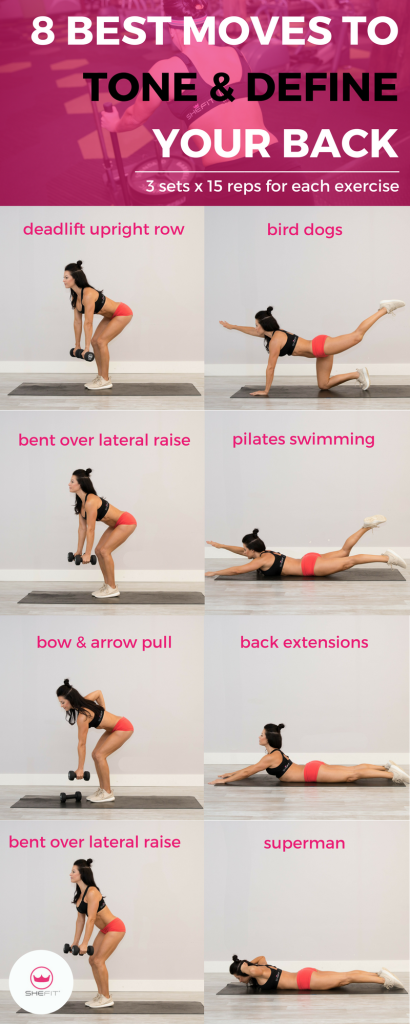
Are you tired of endless gym sessions that drain your time and energy? Imagine sculpting a strong, defined back right from the comfort of your own home.
Yes, it’s possible! With the right home back workout routine, you can achieve impressive results without stepping foot outside. No expensive equipment or gym memberships needed—just a few essentials and the will to transform your fitness game. Ready to discover how you can build a powerful back while saving time and money?
Dive into this guide and unlock the secrets to achieving your fitness goals at home.
Benefits Of Home Back Workouts
Home back workouts offer numerous advantages. They provide flexibility and convenience. No need for a gym membership. You can exercise anytime. This makes it easy to fit into a busy schedule. Additionally, exercising at home can save money. You only need simple equipment. Now, let’s explore the benefits in more detail.
1. Convenience And Flexibility
Home workouts eliminate travel time. You can exercise whenever it suits you. Morning, noon, or night. The choice is yours. This flexibility is ideal for busy individuals. It helps maintain a consistent routine.
2. Cost-effective Exercise
Gym memberships can be expensive. Home workouts cut these costs. Basic equipment is affordable. Resistance bands and dumbbells are great options. This makes fitness accessible for everyone.
3. Privacy And Comfort
Exercising at home provides privacy. No need to feel self-conscious. You can focus on your form and progress. Your home is a comfortable environment. This can increase motivation and enjoyment.
4. Customizable Workout Plans
Tailor your workouts to fit your needs. Focus on specific areas. Adjust intensity based on your progress. Online resources can guide you. This ensures a personalized fitness journey.
5. Improved Posture And Strength
Strong back muscles support good posture. Home workouts can strengthen these muscles. Improved posture reduces back pain. It also enhances overall body strength. This leads to better health and well-being.
Essential Equipment For Back Exercises
Working out at home can be both convenient and effective, especially when you know what equipment to use for specific muscle groups. One area often neglected in home workouts is the back, yet it is crucial for overall strength and posture. The right equipment can make all the difference in targeting those back muscles effectively. Let’s explore some essential tools that can transform your home into a back-strengthening haven.
Resistance Bands
Resistance bands are incredibly versatile and perfect for back workouts. They are affordable, portable, and come in various tension levels. You can use them for rows, lat pull-downs, and even assisted pull-ups. Imagine the ease of packing them when traveling or storing them without cluttering your space. Have you ever tried using resistance bands for face pulls? It’s a fantastic way to engage your upper back muscles without needing bulky gym machines.
Dumbbells
Dumbbells are a staple in any home workout setup. They allow you to perform a wide range of exercises like bent-over rows and deadlifts. Adjustable dumbbells are a great investment as they save space and money in the long run. Did you know that dumbbells can be used for renegade rows? This exercise not only targets your back but also engages your core, giving you a more balanced workout.
Pull-up Bars
Pull-up bars are essential if you want to build back strength at home. Installing a door-frame pull-up bar is simple and does not require drilling. Pull-ups are a compound exercise that target multiple muscle groups, including your lats and biceps. Can you imagine the satisfaction of doing your first unassisted pull-up? It’s a goal worth aiming for, and a pull-up bar is your ally in achieving it.
Each piece of equipment serves a unique purpose and can be tailored to fit your workout routine. Consider what suits your space and budget best, and start building a home gym that caters to your back strengthening needs. Are there any other pieces of equipment that have transformed your home workouts?
Effective Bodyweight Exercises
Strengthening your back doesn’t always need weights. Bodyweight exercises are powerful and effective. They build muscle and improve posture. They also enhance flexibility. These exercises are simple but impactful. Perfect for home workouts.
Superman Raises
Superman Raises target the lower back. Lie face down on the floor. Stretch your arms and legs out. Lift them off the ground together. Hold the position briefly. Then lower back down. Repeat this movement to strengthen your back.
Reverse Snow Angels
Reverse Snow Angels focus on the upper back. Lie face down again. Extend your arms along your sides. Lift them and move in a circular motion. Imagine making snow angels. Keep your head down. This exercise improves shoulder mobility.
Bridge Holds
Bridge Holds engage the entire back. Start on your back with knees bent. Feet flat on the floor. Lift your hips upwards. Form a straight line from shoulders to knees. Hold for a few seconds. Lower back down. This move strengthens the back and glutes.

Credit: www.instagram.com
Dumbbell Workouts For Back
Building a strong back is crucial not only for aesthetics but also for overall body strength and posture. Dumbbell workouts are a fantastic way to target your back muscles effectively, offering flexibility and control over your training. Whether you’re a beginner or a seasoned gym-goer, incorporating dumbbells into your routine can yield impressive results. Let’s dive into some tried-and-true exercises that can bolster your back strength and definition.
Bent-over Rows
Bent-over rows are a staple in any back workout. They focus on the middle back and help develop the lats, traps, and rear delts. To perform this exercise, stand with your feet shoulder-width apart, knees slightly bent. Bend forward at the hips, keeping your back straight. Hold a dumbbell in each hand, palms facing down. Pull the dumbbells towards your waist, squeezing your shoulder blades together. Lower them slowly. Do you feel the burn? That’s your muscles getting stronger!
Dumbbell Deadlifts
Dumbbell deadlifts are an excellent way to engage your lower back, glutes, and hamstrings. Stand with your feet hip-width apart, holding a dumbbell in each hand in front of you. Keep your back straight and chest up. Lower the dumbbells by bending at your hips and knees, ensuring your back remains straight. Return to the starting position by pushing through your heels. This exercise not only strengthens your back but also improves your posture. Have you noticed how much taller you feel after a set?
Single-arm Rows
Single-arm rows are perfect for targeting each side of your back individually. This exercise helps correct imbalances and enhances muscle symmetry. Start by placing your right knee and hand on a bench, keeping your back flat. Hold a dumbbell in your left hand, letting it hang toward the floor. Pull the dumbbell up towards your hip, squeezing your shoulder blade. Lower it slowly. Repeat on the other side. Ever wondered why professional athletes have such balanced physiques? This exercise is part of the secret!
Why not give these exercises a shot during your next workout? You’ll see your back transform into a powerhouse of strength and stability. Plus, you’ll be surprised at how these simple movements can make a big difference in your daily posture and confidence. What are you waiting for? Grab those dumbbells and start building your back today!
Resistance Band Back Exercises
Resistance bands are a fantastic tool for home back workouts. They’re affordable, portable, and versatile. You don’t need a fancy gym setup to get a strong back. Resistance bands can help you build muscle and improve your posture. Let’s dive into some effective exercises.
Seated Rows
Seated rows target the middle back. To perform them, sit on the floor with your legs extended. Loop the band around your feet and hold the ends. Pull the band towards your waist, keeping your elbows close to your body. Feel the squeeze in your shoulder blades.
Tip: Focus on slow, controlled movements. Avoid jerking the band to maximize muscle engagement. You’ll notice improved posture as your back muscles strengthen.
Lat Pull-downs
Lat pull-downs are perfect for targeting the upper back. Secure the band to a door or high anchor. Kneel or sit underneath. Hold the band with both hands and pull it down towards your shoulders. Keep your back straight and engage your core.
Challenge: Can you increase the resistance by using a thicker band? You’ll feel your lats working harder, leading to better back definition.
Face Pulls
Face pulls focus on the rear delts and upper back. Attach the band to a high point. Stand back and pull the band towards your face. Keep your elbows high and squeeze your shoulder blades together.
Insight: Face pulls are great for correcting posture. They counteract the effects of sitting all day. You’ll feel more confident standing tall.
Are you ready to transform your home workouts with resistance bands? These exercises are simple yet effective. Consistency is key. Incorporate them into your routine and watch your back strength improve. Which exercise will you try first?
Incorporating Pull-ups In Routine
Pull-ups are great for building back strength at home. They target multiple muscles and improve upper body strength. Adding pull-ups to your routine can enhance back workouts significantly. They require minimal equipment, making them accessible. Even beginners can benefit from modified versions. Let’s explore different ways to include pull-ups in your routine.
Assisted Pull-ups
Assisted pull-ups are perfect for beginners. They help build strength gradually. Use resistance bands or a sturdy chair. These tools support your weight during the exercise. As strength improves, reduce assistance. This method helps you perform a full pull-up over time.
Negative Pull-ups
Negative pull-ups focus on the lowering phase. Start at the top position of a pull-up. Slowly lower yourself down. This builds strength and control. Negative pull-ups are effective for muscle growth. They also help improve form for regular pull-ups.
Chin-ups Variations
Chin-ups are a pull-up variation. They target the biceps and back. Use an underhand grip to perform chin-ups. Variations include narrow or wide grips. Each grip changes muscle emphasis. Experiment with different grips for balanced strength. Chin-ups are a versatile addition to your workout.
Creating A Balanced Workout Plan
Crafting a balanced workout plan at home ensures effective back exercises. Focus on simple movements like rows and planks. Consistent practice helps build strength, flexibility, and posture over time.
Creating a balanced home back workout plan requires careful planning. It’s not just about intensity. It’s about ensuring your muscles develop evenly. This involves managing workout frequency, mixing exercises, and allowing for proper recovery. Follow these guidelines to create a balanced routine that promotes muscle growth and prevents injury.Frequency And Duration
Determine how often you can dedicate time to back workouts. Aim for two to three sessions weekly. Each session should last around 30 to 45 minutes. This frequency allows your muscles to grow without overtraining. Consistency is key, so choose days and stick to them.Mixing Exercises
Include a variety of exercises for a comprehensive back workout. Combine bodyweight exercises like push-ups and pull-ups. Add resistance band rows and dumbbell deadlifts for strength. Focus on both upper and lower back muscles. This balance ensures all areas of your back get attention.Recovery And Rest
Allow your muscles time to recover between sessions. Rest is crucial for muscle repair and growth. Ensure at least one rest day between back workouts. Listen to your body. If you feel fatigued, take an extra day. Proper rest improves performance and helps prevent injury.Nutrition For Muscle Growth
Achieving muscle growth requires more than just exercise. Proper nutrition plays a crucial role in building strong muscles. A balanced diet supports muscle repair and development, especially after workouts. Let’s explore essential nutrition aspects that aid muscle growth.
Protein Intake
Protein is vital for muscle repair and growth. Consuming enough protein helps muscles recover faster. Include lean meats, eggs, and dairy in your meals. Plant-based options like beans and lentils are excellent too. Aim to eat protein-rich foods throughout the day.
Hydration Importance
Water is crucial for overall health and muscle function. Dehydrated muscles can lead to fatigue and cramps. Drinking enough water keeps your muscles working efficiently. Aim for at least eight glasses daily. Hydration aids in nutrient transport and waste removal.
Post-workout Meals
Eating after a workout is important for muscle recovery. Post-workout meals should include protein and carbohydrates. Carbs replenish energy, while protein repairs muscles. Try a smoothie with yogurt, fruits, and oats. This fuels your body and aids muscle repair.
Tracking Progress And Adjusting
Tracking your progress in a home back workout is crucial. It helps you see improvements and stay motivated. Adjusting your routine ensures continued growth. This section focuses on how to measure strength gains, adapt workouts, and set new goals. These steps will help you enhance your back muscles effectively.
Measuring Strength Gains
Keep a workout journal. Note down reps, sets, and weights used. This gives a clear picture of your strength gains. Testing your max pull-ups or rows every month can show progress. Tracking these numbers helps you know where you started and how far you’ve come.
Adapting Workouts
As your strength increases, your workouts should change. Add more resistance or reps to challenge your muscles. If using resistance bands, switch to a stronger band. Vary exercises to target different parts of your back. This keeps your routine fresh and effective.
Setting New Goals
Regularly setting new goals keeps you focused. Start with short-term goals like increasing pull-ups by two reps. Long-term goals can include mastering new exercises. Write down your goals and review them weekly. This practice keeps you committed and driven.

Credit: www.youtube.com

Credit: www.facebook.com
Frequently Asked Questions
How Do I Train My Back At Home?
Train your back at home using bodyweight exercises like supermans, planks, and bridges. Incorporate resistance bands for rows and pull-aparts. Maintain proper form, engage your core, and gradually increase intensity. Consistency is key for building strength and endurance. Find online tutorials for guidance and motivation.
Always prioritize safety and listen to your body.
Are 4 Exercises Enough For A Back Day?
Four exercises can be sufficient for back day, focusing on different areas. Include pull-ups, rows, deadlifts, and lat pulldowns. These target major back muscles, promoting strength and growth. Adjust intensity and volume based on fitness level for optimal results. Always prioritize form to prevent injury and enhance effectiveness.
What Is The 6 12 25 Rule?
The 6 12 25 rule is a fitness guideline. Perform 6 exercises, 12 repetitions each, for a total of 25 minutes. This routine aims to boost strength and endurance efficiently. It’s a concise workout approach, ideal for busy individuals seeking effective exercise within a short time frame.
Can You Build Your Back Without Weights?
Yes, you can build your back without weights. Use bodyweight exercises like pull-ups, push-ups, and planks. These exercises target back muscles effectively. Consistency and proper form are key for results. Incorporate variations and increase intensity gradually to challenge your muscles.
Make sure to maintain a balanced workout routine.
Conclusion
Building a strong back at home is simple and effective. With dedication, you can achieve great results. Focus on using proper form in every exercise. Consistency is key for noticeable improvements. Include a variety of exercises in your routine. This keeps workouts exciting and challenging.
Remember to rest and recover between sessions. This helps prevent injury and enhances progress. Stay committed and track your progress over time. You’ll enjoy a healthier, stronger back. Enjoy the journey and celebrate every milestone. Your back workout can transform your fitness experience.
Keep pushing forward and stay motivated.








