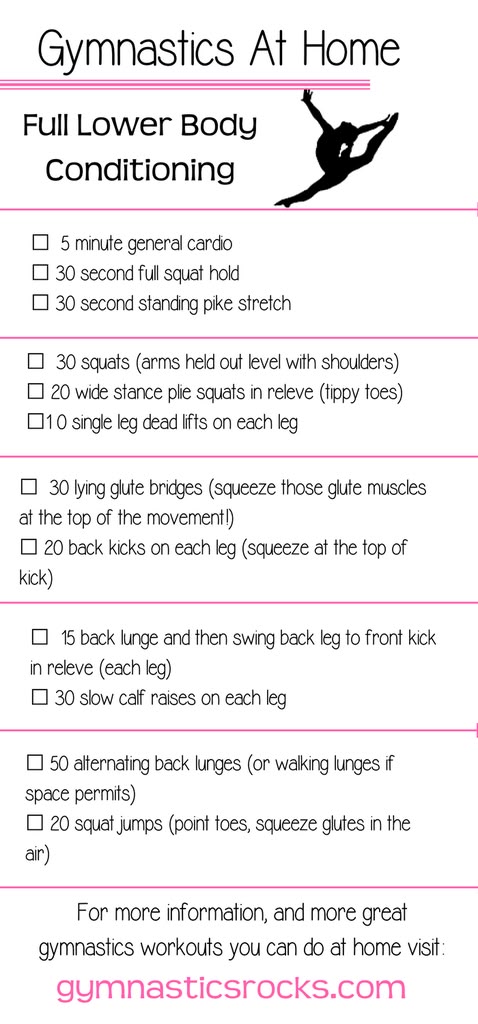
Imagine transforming your living room or backyard into a dynamic gymnastics arena where every stretch and jump brings you closer to flexibility and strength. With an at-home gymnastics workout, you can do just that without the need for a formal gym.
Whether you’re aiming to improve your balance, enhance your flexibility, or simply enjoy a fun and energetic workout, this routine has got you covered. Think about the benefits: no travel time, no gym fees, and the freedom to train at your own pace.
Plus, the joy of gymnastics can lift your mood and boost your confidence. You’re about to discover how a few simple exercises can change your daily routine and elevate your fitness game. So, are you ready to unlock the secrets of an effective at-home gymnastics workout? Keep reading to find out how you can start today!

Credit: www.pinterest.com
Benefits Of Gymnastics For Flexibility
Gymnastics is a superb way to enhance flexibility. This form of exercise stretches and strengthens muscles. Regular practice leads to increased range of motion. Improved flexibility aids daily activities and reduces injury risk. Let’s explore the specific benefits gymnastics offers.
Improved Range Of Motion
Gymnastics involves diverse movements. These movements stretch muscles and joints. Over time, flexibility improves. You can move more freely with less pain. Daily tasks become easier and more enjoyable.
Enhanced Muscle Strength
Flexibility in gymnastics isn’t just about stretching. It also builds muscle strength. Strong muscles support flexible movements. This balance reduces the chance of strains and sprains. It keeps you active and healthy.
Better Posture
Good flexibility helps maintain proper posture. Gymnastics exercises align the spine and strengthen core muscles. This support helps you stand and sit straighter. Better posture can prevent back pain.
Increased Blood Circulation
Stretching in gymnastics boosts blood flow. Enhanced circulation delivers more oxygen to muscles. It helps in faster recovery after workouts. Improved circulation also means better overall health.
Stress Relief
Flexibility exercises reduce tension in muscles. Less tension leads to lower stress levels. Gymnastics also promotes mindfulness. A relaxed mind and body improve overall well-being.

Credit: gymnasticshq.com
Essential Equipment
Creating an effective home gymnastics workout requires the right equipment. These essentials enhance your routine and ensure safety. Each item plays a crucial role in your training, offering support and versatility. Let’s explore the key pieces of equipment to include in your setup.
Yoga Mat
A yoga mat provides a stable surface for exercises. It ensures comfort during floor routines. The mat reduces the risk of slipping and injury. Choose a mat with good cushioning for added support.
Resistance Bands
Resistance bands add variety to your workout. They offer different levels of resistance. Bands help in strengthening muscles and improving flexibility. Opt for a set with various tension levels.
Foam Roller
A foam roller aids in muscle recovery. It helps relieve tension and soreness. Rollers are great for post-workout stretches. Choose one with a firm density for effective muscle release.
Warm-up Exercises
Warm-up exercises are crucial before starting your at-home gymnastics workout. They prepare your body for more intense movements. Warming up helps prevent injuries and improves performance. It increases blood flow and flexibility. Let’s explore some effective warm-up routines.
Dynamic Stretching
Dynamic stretching warms up muscles and increases range of motion. Perform leg swings to loosen hip muscles. Arm circles prepare shoulders for activity. High knees increase heart rate and engage core muscles. Each movement should be controlled and smooth.
Joint Rotations
Joint rotations improve mobility and prevent stiffness. Rotate wrists and ankles gently. This eases tension and prepares joints for exercise. Circle your neck slowly to relax neck muscles. Hip rotations loosen lower back and hip joints. These movements should be relaxed and steady.
Cardio Boost
Boost your heart rate with light cardio exercises. Jumping jacks increase blood flow and energize your body. Jogging in place warms up leg muscles. Perform butt kicks to stretch hamstrings and improve circulation. These exercises should be quick yet effective.
Core Strengthening Moves
Core strengthening moves are essential for gymnasts. These exercises build stability, balance, and power. A strong core supports every twist and turn. At home, you can develop these muscles with simple routines. Let’s explore a few effective exercises.
Plank Variations
Planks are a staple for core workouts. They engage multiple muscle groups. Start with a basic plank. Maintain a straight line from head to heels. Gradually add variations like side planks and plank jacks. These increase intensity and work oblique muscles. Try holding each plank for 30 seconds.
V-ups
V-Ups target the entire core. Lie flat with arms extended overhead. Lift your legs and upper body simultaneously. Form a V shape with your body. Keep movements controlled for best results. Aim for 15 repetitions per set. V-Ups enhance balance and coordination.
Russian Twists
Russian Twists focus on the obliques. Sit with knees bent and feet flat. Lean back slightly for balance. Twist your torso from side to side. Use a weight or ball for added resistance. This exercise improves rotational strength. Perform 20 twists on each side.
Lower Body Flexibility Drills
Engaging in gymnastics at home can be exciting. Lower body flexibility drills are vital for performance and safety. These exercises enhance your range of motion, preventing injuries. Let’s explore some effective drills for your lower body flexibility.
Hamstring Stretches
Hamstring stretches improve your leg flexibility. Start by sitting on the floor. Extend your legs straight ahead. Reach for your toes with both hands. Keep your back straight. Hold this position for 20 seconds. Repeat three times. Feel the stretch in your hamstrings. These stretches are key for flexible, healthy legs.
Quad Stretches
Quad stretches target the front thigh muscles. Stand tall and balance on one leg. Hold your ankle behind you with one hand. Pull gently towards your glutes. Keep your knees together. Hold for 20 seconds. Switch sides and repeat. These stretches enhance muscle flexibility. Regular practice leads to better leg mobility.
Split Progressions
Splits increase your lower body flexibility. Begin by kneeling on the floor. Extend one leg forward, keeping it straight. Slowly slide your back leg behind you. Lower your hips toward the ground. Use your hands for support. Hold the position for 30 seconds. Gradually deepen the stretch over time. Splits improve balance and flexibility.
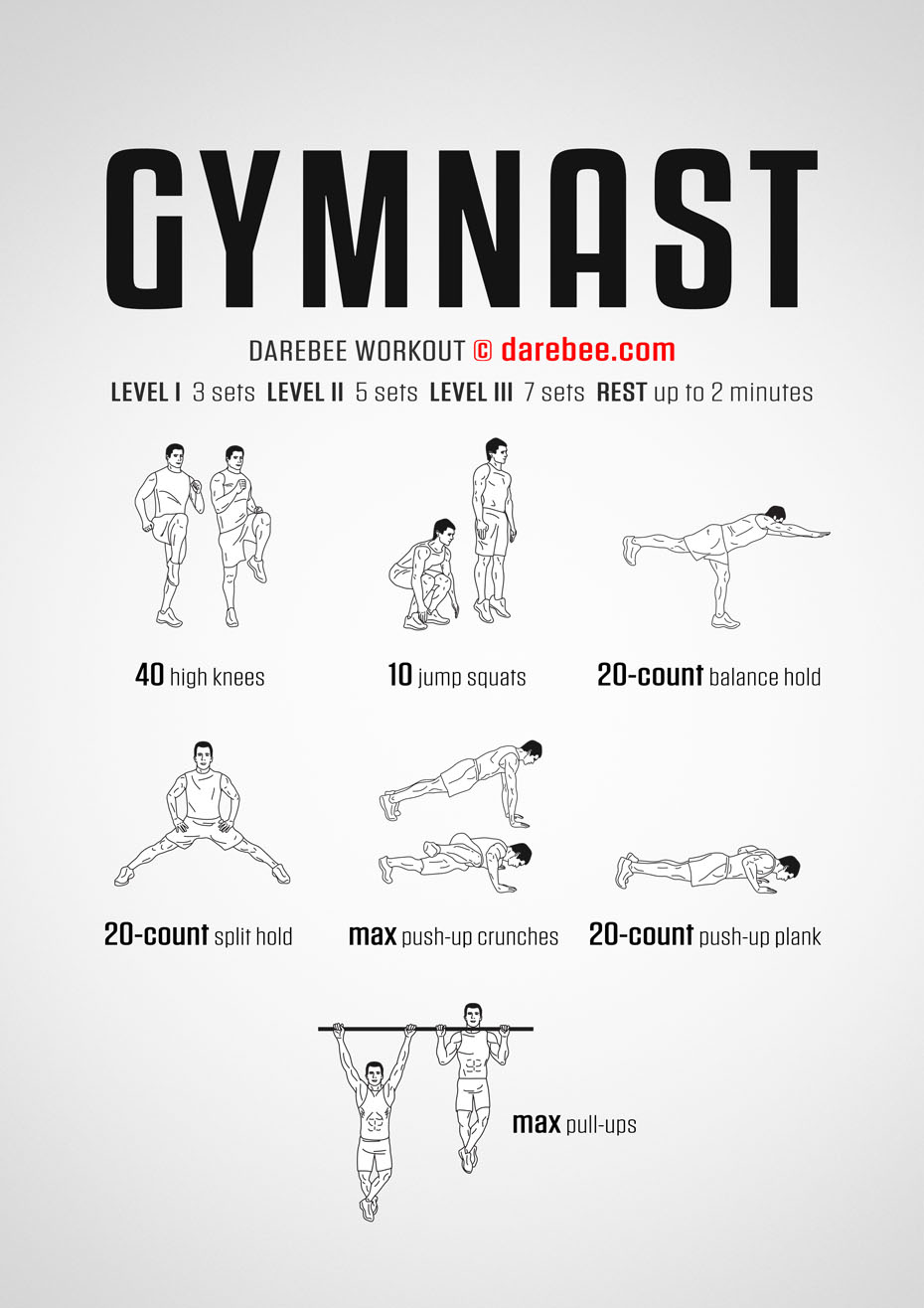
Credit: darebee.com
Upper Body Flexibility Techniques
Upper body flexibility is key in gymnastics. It helps enhance performance. You can practice several techniques right at home. These techniques improve strength and flexibility.
Focus on stretching the shoulders, back, and wrists. Each area requires specific exercises. Let’s explore some effective methods.
Shoulder Stretches
Begin with simple shoulder stretches. Stand tall and relax your shoulders. Roll them forward in a circular motion. Then, reverse the direction.
Try the arm across chest stretch. Bring one arm across your body. Hold it with the opposite hand. Keep the shoulder down and breathe.
Backbends
Backbends are great for flexibility. Start with a bridge pose. Lie on your back and bend your knees. Place your feet flat on the ground.
Press into your feet and lift your hips. Hold the position briefly. Lower slowly and repeat. Keep your breathing steady.
Wrist Flexibility
Wrist flexibility is vital for balance. Begin with wrist circles. Stretch your arms out in front.
Rotate your wrists gently. First clockwise, then counterclockwise. Also, try wrist stretches on the floor. Get on all fours and lean forward slightly.
Cool Down And Recovery
After an intense at-home gymnastics workout, the cool down and recovery phase is crucial. It helps your muscles relax and reduces the risk of injury. Proper recovery improves your flexibility and enhances performance in future sessions.
Static Stretching
Static stretching is essential after a workout. It involves holding a stretch for 15-30 seconds. This helps to lengthen the muscles and increase flexibility. Focus on major muscle groups used during your gymnastics routine. Stretch your arms, legs, and back for a complete cool down.
Breathing Exercises
Breathing exercises aid in calming your mind and body. Deep breathing helps reduce tension and stress. Inhale deeply through your nose and exhale slowly through your mouth. Repeat this for a few minutes. It slows your heart rate and promotes relaxation.
Hydration And Nutrition
Rehydrate your body after sweating during your workout. Drink water to replace lost fluids. Proper hydration aids in muscle recovery. Pair hydration with a light snack. Consider fruits or a protein bar. This helps replenish energy levels and supports muscle repair.
Frequently Asked Questions
Can You Train For Gymnastics At Home?
Yes, you can train for gymnastics at home. Focus on flexibility, strength, and basic skills. Use online tutorials for guidance. Ensure a safe space for practice. Consistent training can improve your abilities. Consider professional guidance for advanced skills. Stay motivated and set goals for progress.
What Is The 5 4 3 Rule In Gymnastics?
The 5-4-3 rule in gymnastics refers to team event routines. Teams must include five athletes, perform four apparatuses, and count the three highest scores towards the final team score. This format ensures balanced team performance and competitiveness during events.
How Many Hours A Day Do Gymnasts Workout?
Gymnasts typically train 4 to 6 hours daily. Their routine includes strength, flexibility, and skill practice. Young gymnasts often train after school, while elite athletes may train twice daily. Consistent, intense workouts help them prepare for competitions and improve their performance.
Proper rest and nutrition are crucial for recovery and progress.
How To Get A Gymnast Body At Home?
Achieve a gymnast body at home by doing bodyweight exercises like push-ups, planks, and squats. Practice flexibility with regular stretching and yoga routines. Follow a balanced diet rich in proteins and vegetables. Maintain consistency and gradually increase workout intensity. Ensure proper rest and hydration for muscle recovery.
Conclusion
Creating a home gymnastics routine is both fun and rewarding. You can improve flexibility, strength, and balance. No need for fancy equipment. Just use what you have. Stay consistent with your practice. Set small, achievable goals. Celebrate your progress along the way.
Home workouts offer convenience and comfort. Perfect for any schedule. Remember to warm up before starting. Listen to your body to avoid injury. Enjoy each session and learn at your pace. Fitness is a journey, not a race. Keep moving, stay motivated, and have fun!








