Are you eager to strengthen your core but unsure where to start? You’re in the right place!
A strong core is the foundation of a healthy and fit body, and the best part is, you don’t need a fancy gym membership to get started. With just a few simple exercises, you can kickstart your fitness journey right from the comfort of your home.
Imagine feeling more balanced, reducing back pain, and improving your overall posture—all achievable with a beginner core workout you can easily fit into your daily routine. Get ready to discover how a few minutes a day can transform your health and wellbeing. Keep reading, and let’s unlock the secret to a stronger, more confident you!

Credit: www.pinterest.com
Benefits Of Core Workouts
Core workouts are essential for building a strong and stable body. They focus on the muscles around your trunk and pelvis. These exercises improve your posture, balance, and overall strength. Doing core workouts at home is convenient and effective. Let’s explore the benefits of these exercises.
1. Improved PostureCore workouts strengthen muscles that support your spine. A strong core helps you stand tall and sit straight. Better posture reduces the risk of back pain. It also boosts your confidence.
2. Enhanced BalanceBalance is crucial for daily activities. A strong core provides stability and control. This improves your ability to move smoothly and avoid falls. It also helps in sports and physical activities.
3. Increased StrengthCore exercises target your abs, back, and pelvic muscles. Strong core muscles improve your overall strength. This helps in lifting objects and performing household tasks.
4. Reduced Injury RiskA stable core protects your spine and other body parts. It reduces strain on your back during physical activities. This lowers the risk of injuries and discomfort.
5. Better CoordinationCoordination is crucial for body movements. Core workouts enhance the connection between your mind and muscles. Improved coordination helps in sports and everyday tasks.
6. Enhanced BreathingCore exercises improve your breathing by strengthening diaphragm muscles. Better breathing leads to more energy and stamina. It also helps in relaxation and stress management.
Setting Up Your Space
Creating the perfect environment for your core workout is crucial. A dedicated space helps maintain focus and motivation. A well-organized area can turn your home into a personal gym. No need for a large room; just a spot to move freely and store equipment.
Choosing The Right Area
Pick a place with enough room to stretch your arms and legs. Avoid cluttered spaces that could limit your movement. Ensure the floor is even and not slippery. A quiet corner of your living room or bedroom can work well. Good lighting boosts your energy and mood. Natural light is best, but a well-lit area will do.
Necessary Equipment
You don’t need fancy equipment to start. A yoga mat provides comfort and stability. It protects your floor and your joints. Resistance bands are versatile and easy to store. They add variety to your workout. Consider small weights or dumbbells. They increase the challenge as you progress. A towel and water bottle keep you refreshed. Staying hydrated is key during any exercise.
Warm-up Exercises
Starting a beginner core workout at home begins with a crucial step: warm-up exercises. These exercises prepare your muscles and joints for the workout, reducing the risk of injury and improving performance. A well-structured warm-up should be dynamic and engaging, setting the tone for your entire workout session.
Dynamic Stretches
Dynamic stretches are a fantastic way to kickstart your warm-up routine. Unlike static stretching, dynamic stretches involve movement, which helps increase blood flow and flexibility.
Consider adding leg swings and arm circles to your routine. Leg swings help loosen up the hip joints, while arm circles warm up your shoulders.
Perform each exercise for about 30 seconds. This can make a huge difference in your workout performance.
Activation Drills
Activation drills are designed to wake up your muscles, particularly those in your core. They ensure that your muscles are ready to work hard.
Try incorporating planks and glute bridges. Planks target your entire core, while glute bridges focus on your lower back and glutes.
Hold each position for 15-30 seconds, focusing on engaging the right muscles. You might be surprised at how quickly you feel the burn!
As you go through your warm-up, think about how your body feels. Are your muscles and joints loosening up? Are you feeling more energized?
Taking time to warm up properly can make your workout more effective and enjoyable. What warm-up exercises have you tried in the past? How did they impact your workout?

Credit: www.pinterest.com
Core Exercises For Beginners
Building a strong core is essential for overall fitness, and it doesn’t require fancy equipment or a trip to the gym. You can start strengthening your core right from your living room. With beginner-friendly exercises, you’ll be on your way to a more stable and balanced body. These exercises are designed to be accessible and effective, ensuring you can confidently perform them without feeling overwhelmed.
Plank Variations
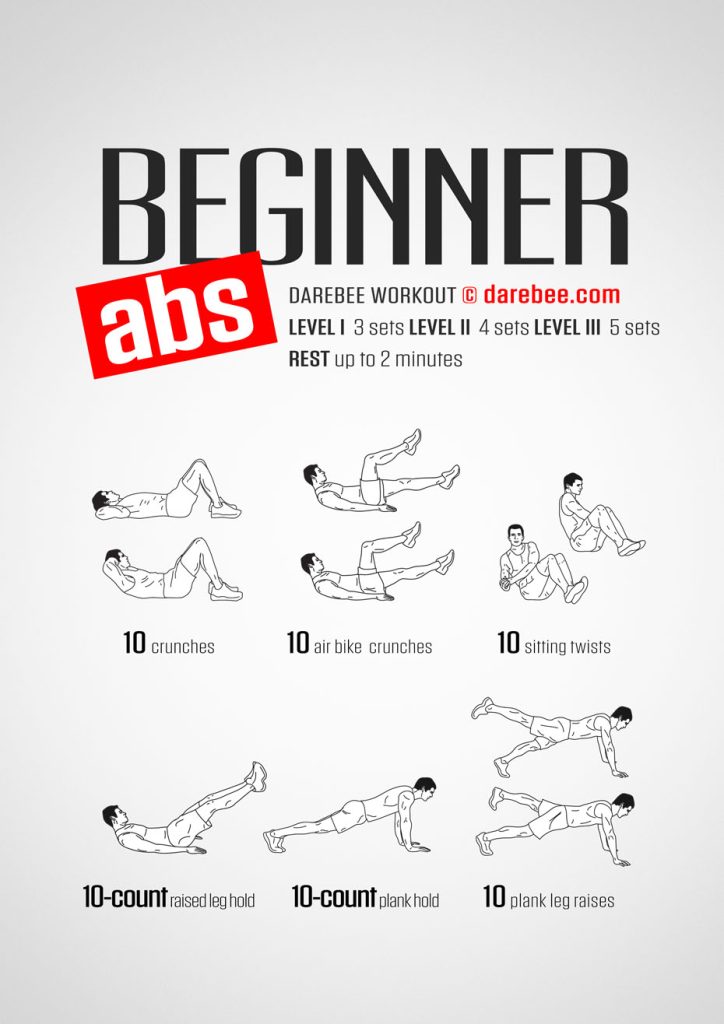
Planks are a staple in core workouts. They strengthen your entire midsection and improve posture. Start with the standard plank: lie face down, then lift your body on your forearms and toes, keeping your body straight. Challenge yourself with side planks to engage your obliques. Try holding a plank for 30 seconds and gradually increase the time as you feel more comfortable.
Russian Twists
Russian Twists target your oblique muscles and help improve rotational strength. Sit on the floor with knees bent and feet flat. Lean back slightly, holding a weight or a household item like a water bottle. Twist your torso to the right, then to the left, keeping your core engaged. Aim for 10 twists per side, focusing on controlled movements.
Leg Raises
Leg Raises are excellent for your lower abs. Lie on your back with legs straight. Lift them slowly until they’re perpendicular to the floor, then lower them without touching the ground. Feel the burn in your lower abs. Start with 8 to 10 reps, and increase as your strength builds. Remember, it’s not about speed, but control.
Bicycle Crunches
Bicycle Crunches provide a dynamic workout for your core and legs. Lie on your back, hands behind your head. Bring your knees toward your chest, and as you extend one leg, rotate your torso to touch your elbow to the opposite knee. Alternate sides like you’re pedaling a bike. Try for 15 reps per side to maximize the effect.
Supermans
Supermans focus on your lower back, an often overlooked part of core strength. Lie face down with arms stretched out. Lift your arms and legs simultaneously, holding for a few seconds before lowering. Feel your back muscles engage. Aim for 10 reps, concentrating on the lift and hold. Strengthening your back can enhance your posture and prevent injuries.
These exercises offer a solid foundation for beginners. How will you incorporate them into your routine for maximum benefit? Start today, and notice how your core strength transforms your daily activities.
Creating A Balanced Routine
Creating a balanced core workout routine is essential for beginners at home. A well-rounded plan ensures you target various muscle groups effectively. It helps prevent injury and keeps your progress steady. Below, we’ll explore key components of a balanced routine: Frequency and Duration, and Rest and Recovery.
Frequency And Duration
Start with three sessions each week. This gives your muscles time to adapt. Each session should last 20-30 minutes. This duration is enough to target your core without overdoing it. Balance is crucial for sustainable progress.
Consistency leads to improvement. Sticking to your routine builds strength gradually. Monitor your energy and adjust if needed. Listen to your body for best results.
Rest And Recovery
Rest days are essential for muscle repair. Your body needs time to recover between workouts. Schedule one rest day after two workout days. This prevents fatigue and promotes growth.
Proper recovery enhances performance. Adequate sleep and hydration aid muscle repair. Incorporate light stretching on rest days. This maintains flexibility and prevents stiffness.
Tracking Progress
Start tracking progress with beginner core workouts at home. Simple exercises strengthen muscles and improve posture. Keep a journal to record daily achievements.
Tracking your progress in a beginner core workout at home is crucial for staying motivated and seeing results. It’s easy to start strong, but without tracking, you might find yourself plateauing or losing interest. By keeping an eye on your progress, you not only boost your confidence but also ensure you’re continuously challenging yourself.Measuring Strength Gains
One way to track your progress is by measuring strength gains. You might be wondering, how do you know if you’re getting stronger? Start by noting how many reps and sets you can perform for each exercise. For instance, if you can do 15 sit-ups today, aim for 20 next week. Consider keeping a simple journal or using a fitness app to record these numbers. Seeing your improvement on paper (or screen) can be incredibly motivating. Tracking strength isn’t just about numbers. Pay attention to how your body feels during and after workouts. Are the exercises becoming easier? Is your form improving? These are subtle yet significant indicators of strength gains.Adjusting Difficulty
As you grow stronger, it’s important to adjust the difficulty of your workouts to keep challenging your muscles. Sticking with the same routine can lead to stagnation. Think about adding new exercises or increasing the duration of your workouts. If you’re comfortable with planks for 30 seconds, try holding them for 45 seconds next time. Remember to listen to your body. It’s okay to push yourself, but not to the point of pain. Adjusting difficulty should be a gradual process, ensuring your core remains strong and injury-free. Curious about how often to adjust your workouts? A good rule of thumb is every 4-6 weeks. This timeframe gives your body enough time to adapt and grow stronger, while preventing boredom. Tracking your progress and adjusting difficulty isn’t just about physical gains. It also fosters a sense of achievement and purpose in your fitness journey. How will you take your core workouts to the next level?Tips For Staying Motivated
Starting a core workout at home can be challenging. Staying motivated ensures success. This journey needs dedication and a positive mindset. Motivation drives progress and consistency.
Here are some practical tips to keep you motivated. These methods will help you stay on track. They are easy to follow, even for beginners.
Setting Realistic Goals
Goals give direction and purpose. Begin with small, achievable targets. Avoid setting high expectations too early. It prevents disappointment and burnout.
Write down your goals. Keep them visible. This constant reminder fuels your motivation. Celebrate small victories along the way. Each achievement boosts your confidence.
Building A Support System
A support system encourages commitment. Share your workout plan with friends or family. Their support can be uplifting. It keeps you accountable.
Join online communities. Connect with like-minded individuals. Exchange tips and experiences. This network offers encouragement and advice. It makes the journey enjoyable and less lonely.
Common Mistakes To Avoid
Starting a core workout at home can lead to mistakes like poor form or neglecting warm-ups. These errors might cause injuries or hinder progress. Remember, focus on proper technique and balance exercises to maximize effectiveness and safety.
Starting a beginner core workout at home can be exciting, but the path to a strong core is riddled with potential pitfalls. Understanding the common mistakes is crucial to achieving your fitness goals efficiently and safely. Are you making these common errors in your core workout routine? Let’s delve into what you should avoid to ensure you’re not just spinning your wheels but actually moving forward.Overtraining
Pushing too hard, too fast can lead to overtraining. It’s tempting to think more is better, but your muscles need time to recover. I once thought doing abs exercises every day would give me a six-pack sooner. Instead, I ended up with sore muscles and little progress. You should aim to work your core 2-3 times a week, allowing for proper recovery. Consider the impact of quality over quantity. Focus on the intensity and form of your exercises rather than just increasing the volume. Are you giving your body the rest it needs to repair and grow stronger?Ignoring Form
Form is everything in workouts. Are you sacrificing form for reps? Poor form can lead to injuries and ineffective workouts. I learned the hard way when I realized my planks were sagging, putting pressure on my lower back. Ensure your body is aligned and engage the right muscles to avoid strain. It’s easy to overlook form when you’re eager to see results. Take the time to understand each exercise and maintain proper posture. Use mirrors if you can, or film yourself to check your form. Are you sure you’re doing it right? Avoiding these mistakes will set you on the right path to a stronger core. Keep your workouts effective and safe by being mindful of these common pitfalls. Your journey to a fitter you starts with smart choices.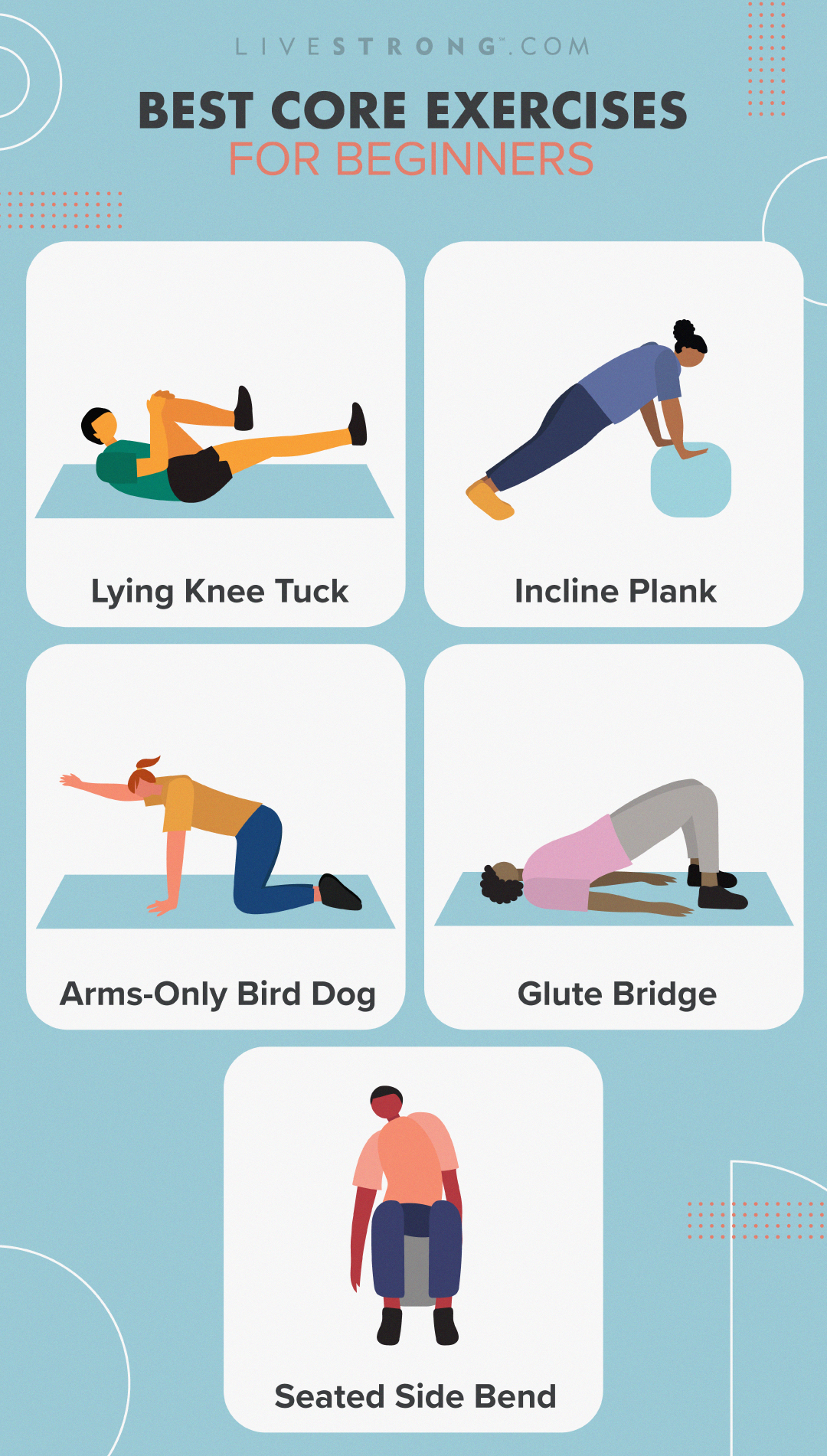
Credit: oldecastlebar.com
Frequently Asked Questions
How To Train Core As A Beginner?
Start with planks, bridges, and leg raises. Focus on maintaining proper form to engage your core effectively. Gradually increase intensity by adding reps or weights. Combine exercises for balanced development. Consistency is key for progress.
How Long Should A Core Workout Be For A Beginner?
A beginner’s core workout should last 10-15 minutes. Focus on proper form and a balanced routine. Gradually increase intensity as you progress. Start with basic exercises like planks, bridges, and bicycle crunches. Consistency is key for building core strength effectively.
What Are The Big 3 Core Exercises?
The big 3 core exercises are the plank, Russian twist, and bicycle crunch. These exercises target core stability, obliques, and abdominal muscles. They help improve balance, strength, and posture, making them essential for a strong core. Incorporate them into your workout routine for optimal results.
Do Core Exercises Flatten Your Belly?
Core exercises strengthen abdominal muscles but don’t directly flatten your belly. Combine them with cardio and a balanced diet for effective results. Reducing overall body fat is crucial for a flat belly. Focus on regular workouts and healthy eating to achieve your fitness goals.
Conclusion
Building a strong core at home is simple and effective. With regular practice, you can improve strength and stability. These exercises don’t need special equipment. Just space and dedication. Remember to listen to your body. Rest if needed. Keep your routine consistent for best results.
You’ll see progress over time. Stay patient. Enjoy the journey to a healthier you. A strong core supports daily tasks and active lifestyles. Fitness at home can be rewarding and achievable. Start today. Feel the difference.








