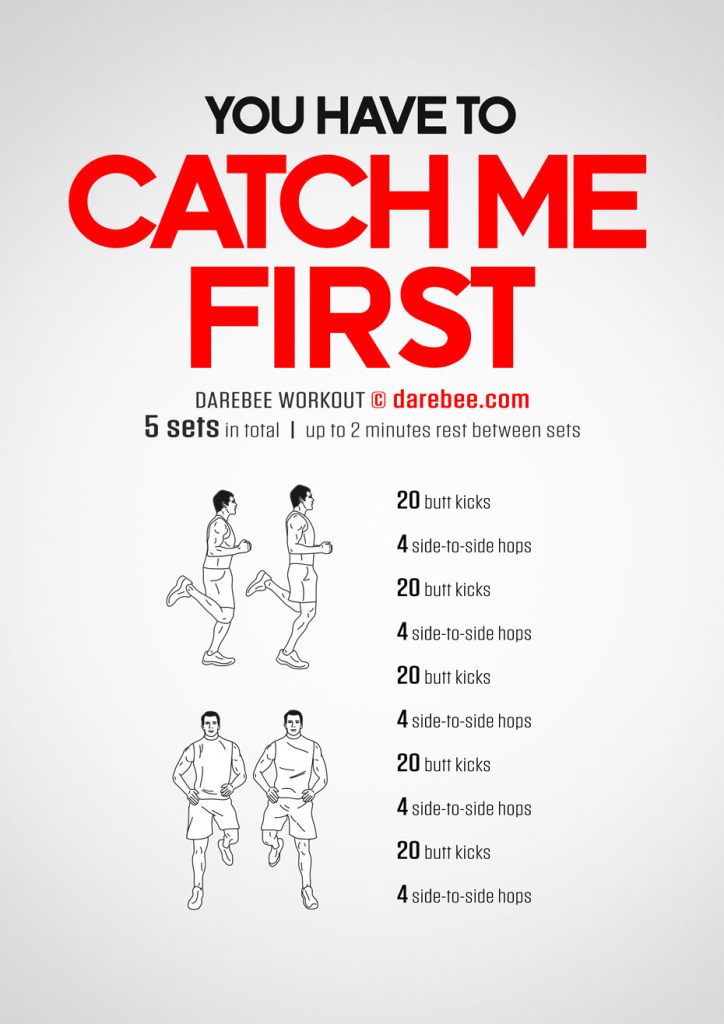
Imagine transforming your living room into a dynamic workout space where you can boost your agility without stepping out of your home. Yes, it’s possible, and it’s easier than you think!
Whether you’re looking to enhance your sports performance or simply want to stay fit and active, an agility workout at home is your perfect solution. You don’t need fancy gym equipment or a lot of space. All you need is a little motivation and the willingness to move.
Curious how you can achieve this? Stick around as we dive into the best strategies to ramp up your agility right in the comfort of your home.

Credit: www.pinterest.com
Benefits Of Agility Workouts
Agility workouts are a great way to improve your body’s flexibility, speed, and coordination. They offer many benefits that can enhance your overall fitness. By incorporating agility exercises into your home routine, you can enjoy improved health and performance.
Enhancing Coordination
Agility workouts help in improving coordination. They train your brain and muscles to work together. You learn to move quickly and accurately. This reduces the risk of injuries. Practicing agility exercises strengthens your balance.
Boosting Cardiovascular Health
These workouts are excellent for heart health. They increase your heart rate, improving circulation. Regular agility exercises can lower blood pressure. They also help in burning calories. This supports weight management.
Improving Mental Focus
Agility workouts sharpen your mental focus. They require concentration and quick thinking. You become more aware of your movements. This enhances your problem-solving skills. Agility training can also reduce stress levels.
Essential Equipment
Agility workouts at home offer flexibility and convenience. To maximize benefits, having essential equipment is key. These tools enhance your workout experience and support your fitness goals. Discover the must-have items for your agility training. Simple yet effective, they transform your space into a dynamic fitness area.
Agility Ladder
An agility ladder boosts speed, coordination, and footwork. Its design is simple: a series of flat rungs. Lay it on the ground and start your drills. Quick movements through the rungs improve leg strength and balance. The ladder is lightweight and easy to store. Ideal for home use.
Cones And Markers
Cones and markers create versatile drill setups. Arrange them in different patterns. They challenge your speed and precision. Running around them builds agility and reaction time. These items are affordable and durable. Perfect for indoor and outdoor workouts.
Resistance Bands
Resistance bands add intensity to your agility training. They strengthen muscles and enhance endurance. Use them for leg lifts or lateral movements. Compact and portable, they fit any space. Resistance bands are excellent for both beginners and advanced athletes.
Warm-up Techniques
Agility workouts at home offer a convenient way to stay fit. Warm-up techniques prepare your body for more intense exercises. They help prevent injuries and enhance performance. Focus on dynamic stretching and joint mobilization exercises. These are essential parts of a good warm-up routine.
Dynamic Stretching
Dynamic stretching involves movement-based stretches. It boosts blood flow and warms up muscles. Try arm circles to loosen shoulder muscles. Leg swings improve hip flexibility and balance. High knees get your heart rate up while stretching your legs. Perform these movements for about 5 minutes. Keep the pace steady and controlled.
Joint Mobilization Exercises
Joint mobilization exercises aim to increase mobility. They enhance joint flexibility and reduce stiffness. Start with ankle circles. Rotate each ankle in small circles to loosen it. Wrist circles are effective for improving wrist mobility. Gently rotate your wrists in both directions. Hip circles are great for the lower body. Move your hips in large circles to improve range of motion.

Credit: www.youtube.com
Core Agility Exercises
Agility workouts at home include exercises that enhance core strength and flexibility. Jumping jacks, burpees, and side shuffles improve balance and coordination. Regular practice boosts endurance and quickens reflexes.
Agility workouts boost speed and coordination. They are perfect for home exercise. Core agility exercises improve balance and reaction time. Focus on these exercises for better results. They are easy to do at home. You need minimal equipment. Below are some effective core agility exercises.Ladder Drills
Ladder drills enhance foot speed and precision. Set a ladder flat on the ground. Begin with simple movements. Step in and out of each square quickly. Try different patterns. Side steps or hopscotch are great options. Increase the pace as you improve. These drills build coordination and agility.Cone Drills
Cone drills develop quick directional changes. Arrange cones in a zigzag or circle. Practice weaving through them. Start slow to learn the path. Then pick up the speed. Quick turns and rapid movements are key. Use short bursts of energy. These drills enhance your agility and balance.Plyometric Exercises
Plyometric exercises focus on explosive movements. Jumping and bounding are common activities. Start with simple jumps. Progress to more complex moves. Box jumps or squat jumps work well. These exercises build power and speed. They strengthen muscles and improve agility. Always warm up before starting. Safety is important during plyometrics.Advanced Agility Routines
Advanced agility routines elevate your workout by challenging your body. These exercises focus on quick movements and coordination. Agility training enhances speed, balance, and flexibility. Practicing these routines at home boosts your fitness level. You’ll engage different muscles and improve your reaction time. Let’s explore two key elements of advanced agility routines.
High-intensity Interval Training
High-Intensity Interval Training (HIIT) increases heart rate quickly. You perform short bursts of intense exercise. Follow these bursts with brief rest periods. HIIT improves cardiovascular health and burns calories fast. Agility exercises in HIIT build endurance and strength. Jumping jacks, burpees, and sprinting are effective HIIT exercises. Keep movements sharp and precise for better agility.
Multi-directional Movements
Multi-directional movements enhance agility by challenging your body’s coordination. These exercises involve moving in various directions. They simulate real-life movements, improving functional fitness. Side shuffles, zig-zag runs, and cone drills are great examples. These routines test your ability to change directions quickly. They also strengthen your legs and core.
Creating A Home Workout Space
Design a home workout area perfect for agility exercises. Choose a spacious room with soft flooring for safety. Equip the space with cones and agility ladders to enhance your routine.
Creating a home workout space isn’t just about finding a spot in your house; it’s about crafting an environment that inspires you to move. Agility workouts require space, organization, and a touch of creativity. Whether you’re a fitness newbie or a seasoned athlete, setting up a dedicated area can significantly enhance your workout experience. Let’s dive into how you can transform a corner of your home into the perfect agility workout haven.Choosing The Right Area
Selecting the ideal spot for your workout space is crucial. Consider areas with sufficient room for lateral movements and jumps. A clear space of about 6×8 feet can work wonders. Think about the flooring too. Carpeted areas provide cushioning, while hardwood floors can be great for slides and pivots. If you’re like me, you might find the garage or a spare room perfect for this setup. Ensure the area is well-ventilated to keep you comfortable during intense sessions. Is there a spot in your home where natural light floods in? This can boost your mood and make workouts more enjoyable.Organizing Equipment
Organization is key to a successful home workout space. Gather your agility essentials like cones, ladders, and resistance bands. Use a small basket or shelf to keep them tidy and accessible. Label your equipment if you have items with different resistance levels or sizes. It saves time and keeps you focused. A wall-mounted rack can hold jump ropes and bands, freeing up floor space. Think of creative storage solutions. For instance, a rolling cart can store your gear and be moved out of the way when not in use. A clutter-free environment helps maintain focus and motivation. How will you organize your space to maximize efficiency?Tracking Progress
Tracking progress in agility workouts at home helps maintain motivation and improve results. Regular assessments provide insights into speed, balance, and coordination. Celebrate small achievements to stay motivated and continue improving over time.
Tracking your progress in an agility workout at home is not just about counting reps or measuring time. It’s about understanding your journey and recognizing improvements over time. Knowing how far you’ve come can boost your motivation and help you stay committed. Are you ready to see your growth in action?Setting Measurable Goals
Setting clear, measurable goals can significantly impact your workout success. Instead of vague goals like “get faster,” aim for specific targets like “improve my shuttle run by 5 seconds in a month.” This clarity helps you focus and gives you a concrete milestone to reach. Break these goals into smaller, achievable steps. If your target is a faster agility ladder drill, start with a baseline time. Then, aim to shave off a few seconds each week. Celebrate these small victories to keep your momentum going.Recording Improvements
Tracking your progress means more than just keeping a mental note. Write it down or log it in a fitness app. Seeing your improvements in black and white can be incredibly motivating. Consider keeping a journal or spreadsheet where you record times, reps, and personal insights. Did you feel more balanced this week? Was your stamina better? Document these observations to identify patterns and areas needing improvement. Visual aids can be powerful too. Take videos of your workouts and watch them to spot subtle changes in your form or speed. This practice not only shows progress but can also highlight areas for further improvement. Have you ever noticed that sharing your goals with others can make you more accountable? Share your progress with a friend or on social media. The support and encouragement can be a game changer. What small change can you make today to ensure your agility workout progress is on track?
Credit: www.pinterest.com
Safety Tips
Engaging in agility workouts at home offers convenience and flexibility. Safety is crucial to prevent injuries and enjoy the exercises effectively. This section highlights essential safety tips to keep you secure while enhancing your agility.
Preventing Injuries
Warm up before starting. This prepares your muscles and joints. Stretching helps increase flexibility. Use proper footwear for support. Clear your workout space. Remove obstacles to avoid trips or falls. Pay attention to surfaces. Slippery floors can lead to accidents. Modify exercises if needed. Listen to your body to avoid strain.
Listening To Your Body
Your body signals when something is off. Feel discomfort? Stop immediately. Rest is vital to recovery. Push too hard, and injuries occur. Understand your limits. Progress gradually to avoid stress on muscles. Focus on form over speed. Proper technique prevents unnecessary strain. Balance workouts with rest days. This allows your body to heal. Health is more important than speed.
Frequently Asked Questions
How To Train For Agility At Home?
To train for agility at home, incorporate ladder drills, jump rope, and cone drills. Practice quick footwork with high knees and side shuffles. Use plyometric exercises like box jumps to improve explosiveness. Ensure a safe space for movement and maintain consistency for the best results.
What Is The 5 10 5 Agility Test?
The 5-10-5 agility test measures speed and agility. Athletes sprint 5 yards, return 10 yards, then 5 yards back. This drill assesses quick directional changes and acceleration, enhancing performance in sports. It’s popular in football and basketball training for boosting agility and reflexes.
Which Exercises Improve Agility?
Agility improves with exercises like ladder drills, cone drills, and shuttle runs. Include plyometrics and agility hurdles. Engage in quick foot movements and direction changes. Practice regularly for better coordination and speed.
How To Improve Agility After 40?
Boost agility after 40 by engaging in regular stretching, strength training, and balance exercises. Maintain a healthy diet rich in nutrients. Stay hydrated and get enough rest. Consider yoga or Pilates to enhance flexibility and coordination. Consult a healthcare professional before starting any new exercise routine.
Conclusion
Agility workouts at home are convenient and effective. They improve balance, speed, and coordination. No fancy equipment needed. Just a small space and a little time. These exercises fit easily into daily routines. They’re perfect for all fitness levels. Consistent practice brings noticeable results.
Feel more energetic and agile. Stay motivated by setting small goals. Celebrate every achievement, no matter how small. Enjoy the journey towards better agility. Remember, progress takes time and patience. Keep moving forward and have fun. Fitness is not a destination, but a lifelong journey.
Stay active and healthy at home.








