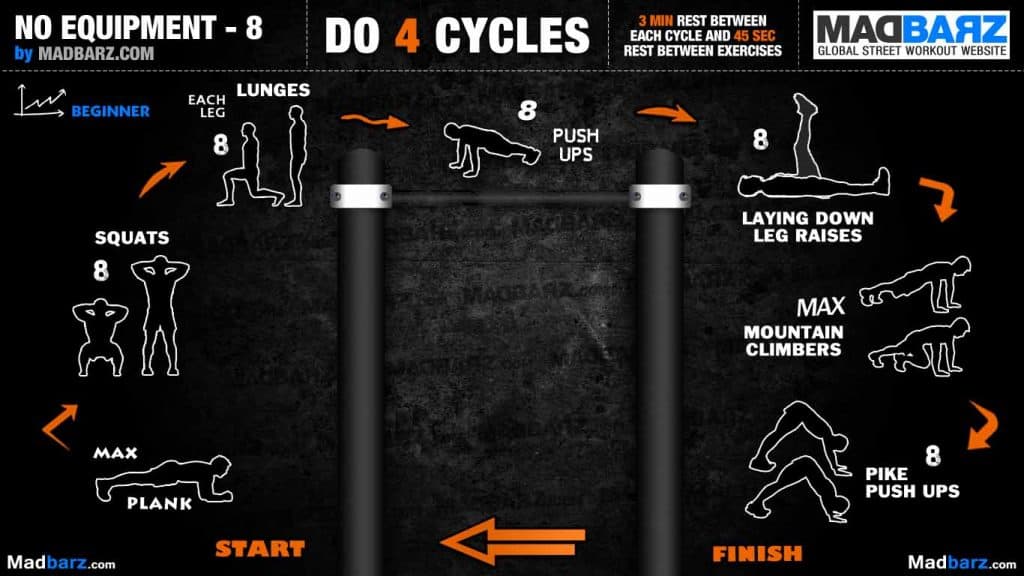
Imagine feeling stronger, fitter, and more confident without ever stepping foot in a gym. Sounds appealing, right?
Welcome to the world of calisthenics, where your body is your gym. If you’re looking to start a workout routine that’s both effective and convenient, you’re in the right place. Calisthenics is perfect for beginners like you, offering a way to build strength and flexibility using simple exercises you can do at home.
No need for expensive equipment or memberships. Just you, your determination, and a little bit of space. Ready to discover how easy it is to transform your fitness routine? Let’s dive into the perfect beginner calisthenics workout you can start today.
Benefits Of Calisthenics
Discover the ease of beginner calisthenics workouts at home. Improve strength and flexibility with no equipment needed. Enjoy the convenience of exercising in your own space, enhancing overall fitness with simple body movements.
Are you curious about why calisthenics is gaining popularity in home workouts? This simple yet effective exercise routine offers numerous benefits that can transform your fitness journey. Whether you’re just starting or looking to enhance your routine, calisthenics can be a game-changer.Improved Strength And Flexibility
Calisthenics naturally boosts both strength and flexibility. With exercises like push-ups and squats, you use your own body weight, which builds muscle. At the same time, moves like lunges and bridges improve your flexibility. I found that after just a few weeks of consistent practice, I could lift heavier grocery bags without a second thought. Imagine the ease in daily activities when your body is stronger and more flexible. Isn’t it time you experienced these benefits yourself?Cost-effective Exercise
One of the best parts of calisthenics is that it’s budget-friendly. You don’t need expensive gym memberships or fancy equipment. Your living room floor becomes your fitness center. This means you can work out whenever you want, without thinking about gym hours or fees. It’s a liberating feeling when your fitness doesn’t depend on your wallet. How would your fitness journey change if money wasn’t a barrier?Adaptability For All Fitness Levels
Calisthenics can be tailored to suit any fitness level, making it perfect for beginners. Start with simple exercises and gradually increase the intensity as you get stronger. I started with basic push-ups, and now I’m experimenting with more challenging variations like the archer push-up. Watching my progress keeps me motivated and committed. What small step can you take today to begin your calisthenics journey? By embracing calisthenics, you’re not just choosing an exercise; you’re opting for a lifestyle change that empowers you physically and financially. Ready to see where it can take you?
Credit: www.amazon.com
Essential Equipment
Starting a beginner calisthenics workout at home requires minimal equipment. The beauty lies in its simplicity. You can train effectively with just your bodyweight. Yet, for those aiming to progress, optional gear adds variety.
Bodyweight Only
Your body is your best tool for calisthenics. No need for fancy equipment. Push-ups, squats, and lunges need nothing but space. These exercises build strength and endurance. They also improve balance and flexibility. Bodyweight workouts are versatile. You can do them anywhere, anytime. Just ensure you have enough room to move safely.
Optional Gear For Progression
For those seeking more challenge, consider optional gear. Resistance bands are excellent for adding difficulty. They are affordable and easy to store. Pull-up bars are another great addition. They fit in doorways and help build upper body strength. Gymnastic rings offer advanced training. They require stability and control. A yoga mat provides comfort during floor exercises. These items enhance your routine, offering variety and increased intensity.
Warm-up Routine
Starting a calisthenics workout at home requires a proper warm-up routine. This prepares your body for the exercises ahead. Warming up increases blood flow and flexibility. It also reduces the risk of injury. Focus on dynamic stretches and joint mobility exercises. These are key elements to a successful warm-up.
Dynamic Stretches
Dynamic stretches involve active movements. They help loosen muscles and improve range of motion. Begin with arm circles. Swing your arms forward and backward. This warms up your shoulders and arms. Next, perform leg swings. Stand on one leg and swing the other back and forth. This stretches your hip flexors and hamstrings.
Include torso twists in your routine. Stand with feet shoulder-width apart. Rotate your torso side to side. This engages your core and lower back. These exercises are quick and effective. They prepare your muscles for the workout.
Joint Mobility Exercises
Joint mobility exercises are crucial. They keep your joints healthy and flexible. Start with neck rotations. Gently rotate your head in circular motions. This loosens your neck muscles. Move to wrist circles. Rotate your wrists clockwise and counterclockwise. This warms up your wrists and forearms.
Include ankle rotations as well. Stand on one foot and rotate your ankle. This enhances ankle flexibility and stability. Hip circles are also beneficial. Stand with feet apart and rotate your hips in circles. This targets your hip joints, preparing them for movement.
Incorporate these exercises into your warm-up. They are simple and quick. Your joints will thank you!

Credit: www.bodyweightmuscle.com
Foundational Exercises
Embarking on a calisthenics journey at home is exciting. It requires minimal equipment. The focus is on using your body weight to build strength. The foundational exercises are the backbone of this fitness method. They help develop core muscles and improve balance. Let’s explore these fundamental moves.
Push-ups
Push-ups are a staple in calisthenics workouts. They strengthen the chest, shoulders, and triceps. Maintain a straight back to avoid injury. Begin with your arms shoulder-width apart. Lower your body, keeping your elbows close to your sides. Push back up to the starting position. Try to perform sets of ten repetitions. Gradually increase as your strength improves.
Squats
Squats target the legs and glutes effectively. Stand with feet shoulder-width apart. Keep your chest lifted and back straight. Lower your body as if sitting in a chair. Ensure your knees do not extend beyond your toes. Hold the position briefly before standing back up. Start with sets of ten repetitions. Increase the count as you feel comfortable.
Planks
Planks are excellent for core strength. Position yourself on the floor with forearms and toes supporting your body. Keep your body in a straight line from head to heels. Avoid raising or lowering your hips. Hold the position for 20 to 30 seconds initially. Extend the duration as your endurance builds.
Building A Routine
Building a routine is crucial for anyone starting calisthenics at home. It provides structure and helps track progress. A well-crafted routine ensures balanced workouts and avoids overtraining. Beginners need to focus on consistency and correct technique. This section will guide you in crafting an effective calisthenics routine.
Choosing Reps And Sets
Start with a manageable number of reps and sets. Keep it simple. Choose exercises like push-ups, squats, and planks. Begin with 2-3 sets per exercise. Aim for 8-12 reps in each set. Adjust reps as you gain strength. More reps build endurance, fewer reps build power.
Incorporating Rest Periods
Rest periods are vital for recovery. Short breaks between sets help muscles relax. Start with 30-60 seconds of rest. Gradually reduce as fitness improves. Listen to your body. Rest longer if you feel tired. Proper rest prevents injuries and boosts performance.
Progressing Safely
Starting a beginner calisthenics workout at home ensures safe progress in fitness. Simple exercises like push-ups and squats build strength gradually. Consistent practice helps improve balance and flexibility over time.
Embarking on a beginner calisthenics workout at home is an exciting journey towards strength and flexibility. However, as you start seeing progress, it’s crucial to focus on progressing safely. This ensures that you build strength without risking injury, keeping your fitness journey sustainable and enjoyable.Advanced Variations
As you get comfortable with basic movements like push-ups and squats, you might be tempted to try advanced variations. Before you dive in, ensure your form is solid on the basics. For example, master the standard push-up before trying a one-arm push-up. Start by slightly modifying the exercises rather than jumping to the toughest versions. Use props like resistance bands or a chair for support. This gradual increase in difficulty can help you build strength and confidence.Listening To Your Body
Your body is your best guide. If something doesn’t feel right during a workout, pause and assess. Pushing through pain isn’t a badge of honor; it’s a risk of injury. A friend of mine ignored a nagging shoulder pain during pull-ups, and it sidelined him for weeks. Learn from others’ mistakes—rest when needed. If an exercise feels uncomfortable, it might not be suitable for you right now. Adjust your form, reduce reps, or try a different exercise. Taking breaks and allowing recovery time is just as important as the workout itself. How do you know if you’re overdoing it? Listen to the signals your body sends, and remember, progress is a marathon, not a sprint. Incorporate these strategies to ensure your calisthenics journey is both safe and effective. What steps will you take today to ensure your progress without injury?Tracking Progress
Beginner calisthenics workouts at home can be tracked easily with a notebook. Record each session’s exercises and repetitions. Notice improvements over time and adjust goals accordingly to stay motivated.
Tracking your progress in calisthenics is key for staying motivated. It helps you see improvements and adjust your routine. With the right tracking methods, you’ll see gains over time.Recording Workouts
Start by writing down each workout session. Note the exercises you perform and the repetitions. Keeping a log helps you see patterns and track improvements. You can use a simple notebook or an app. Choose a method that suits you. Consistency is crucial in recording workouts. Do it after every session. This habit helps you stay accountable. It also makes it easy to spot areas needing improvement.Setting Achievable Goals
Set clear and realistic goals for your calisthenics journey. Start with small targets, like increasing your push-up count by two each week. Achieving these goals keeps you motivated. Break down long-term goals into smaller steps. This makes them more manageable and less overwhelming. Adjust your goals as you progress. Celebrate small victories to boost your confidence. Tracking progress with achievable goals ensures steady improvement. It’s a powerful way to stay focused and committed.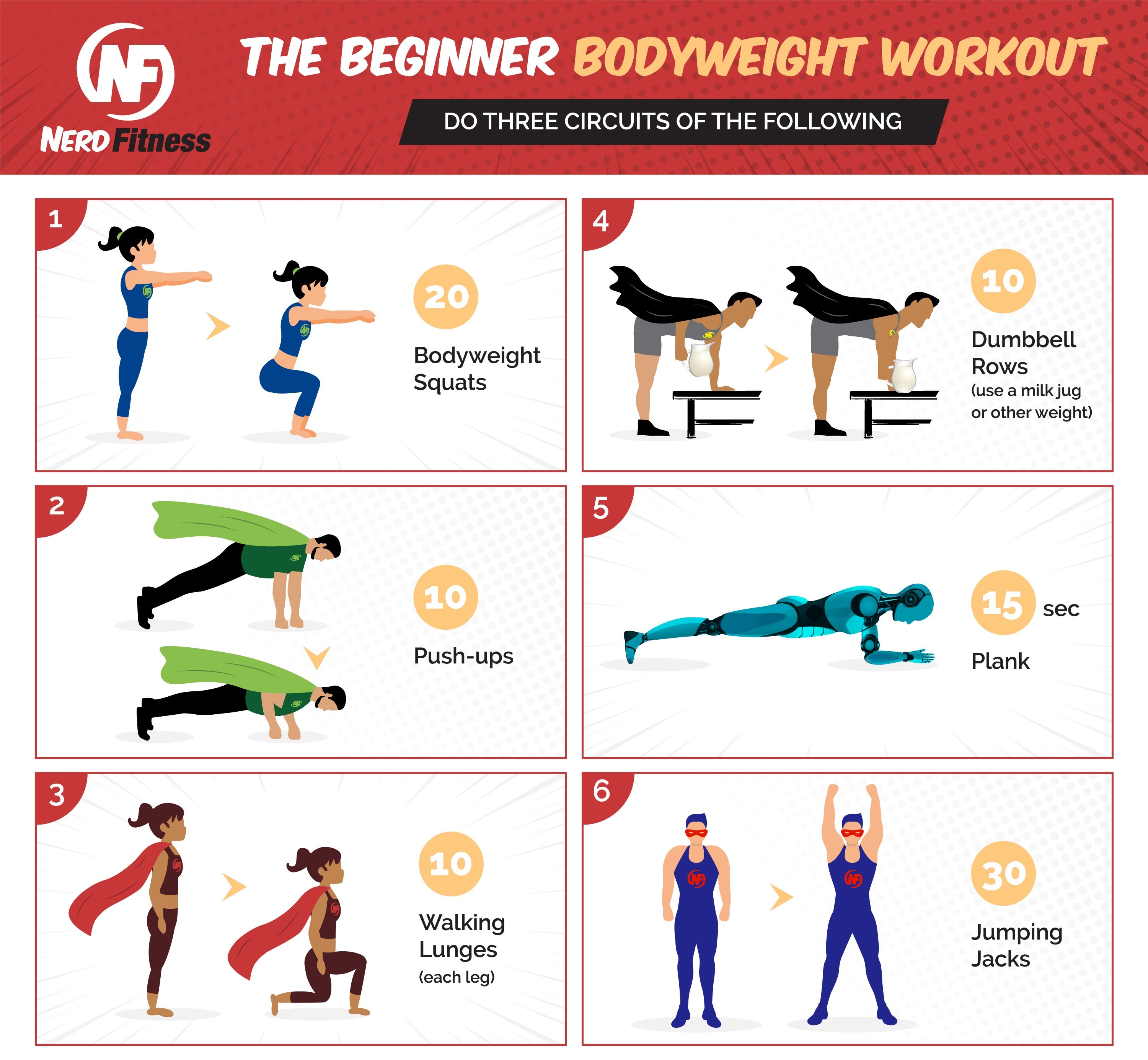
Credit: www.nerdfitness.com
Tips For Motivation
Starting calisthenics at home offers flexibility. Yet, motivation can waver. Staying motivated is crucial for progress. Let’s explore some tips to keep your energy high.
Staying Consistent
Consistency is key to success in calisthenics. Set a regular workout schedule. This creates a habit. Keep your workout space tidy. A clean area boosts motivation. Track your progress weekly. Seeing improvement encourages continued effort. Celebrate small victories. Every achievement adds motivation.
Finding A Workout Buddy
A workout buddy makes exercising fun. Choose someone with similar goals. Share workout plans and tips. Encourage each other during challenging times. A partner provides accountability. You’re less likely to skip sessions. Friendly competition can push you further. Enjoy shared successes. Celebrate together for added motivation.
Frequently Asked Questions
How Do You Start Calisthenics For Beginners?
Start with basic exercises like push-ups, squats, and planks. Focus on proper form and consistency. Gradually increase intensity and reps. Incorporate rest days for recovery. Utilize online resources or join a calisthenics community for guidance. Stay patient and motivated for progress.
What Is The 80/20 Rule In Calisthenics?
The 80/20 rule in calisthenics emphasizes focusing on the 20% of exercises that yield 80% of results. Prioritize fundamental movements like push-ups, pull-ups, and squats for efficient progress. This principle helps maximize strength and performance with minimal effort, making workouts more effective and time-efficient.
Is It Possible To Start Calisthenics At Home?
Yes, you can start calisthenics at home. Use your body weight for effective exercises. No equipment is needed. Begin with basic movements like push-ups, squats, and planks. Gradually increase intensity as you progress. Ensure proper form to prevent injuries. Online resources and apps can guide your workouts.
Is 20 Minutes Of Calisthenics A Day Enough?
20 minutes of calisthenics daily can improve strength and fitness. It benefits beginners and maintains overall health. Adjust intensity and exercises to match personal goals. Consistency is key for results.
Conclusion
Starting calisthenics at home is a smart choice. It’s simple and requires no equipment. You can build strength with basic exercises. Push-ups, squats, and planks are great starting points. Consistency is key for progress. Gradually increase repetitions as you improve.
Listen to your body and rest when needed. Stay motivated by tracking your improvements. Enjoy the journey to better fitness. Remember, every small effort counts. Celebrate your achievements along the way. Embrace this healthy lifestyle change. You’re on your way to a stronger you.
Keep moving forward and enjoy each workout session.








