Are you ready to take your climbing skills to new heights without leaving the comfort of your home? If you’ve ever felt the thrill of scaling a wall or the satisfaction of reaching the top, you know there’s nothing quite like it.
But what if you could harness that power and excitement right in your living room? With an at-home climbing workout, you can do just that. Imagine transforming your space into a personal climbing gym that fits your schedule and needs.
This article will show you how to build strength, improve flexibility, and boost endurance with effective exercises tailored for climbers like you. Dive in to discover how you can climb stronger and smarter, all from home.
Benefits Of Climbing Workouts
Enjoy climbing workouts at home for improved strength and flexibility. These exercises boost endurance and burn calories effectively. Embrace climbing routines to enhance mental focus and coordination.
Engaging in climbing workouts at home can be a powerful way to enhance your fitness journey. These exercises offer a unique blend of strength, endurance, and mental agility. With the convenience of home workouts, you can enjoy these benefits without stepping foot in a gym. But what exactly makes climbing workouts so beneficial?Boosts Physical Strength
Climbing workouts require you to use multiple muscle groups simultaneously. Your arms, legs, and core all work in harmony to lift and stabilize your body. This full-body engagement means you build strength more efficiently compared to isolated exercises. Imagine pulling yourself up and feeling your muscles grow stronger with each climb.Enhances Cardiovascular Fitness
Climbing is not just about strength; it’s a fantastic cardio workout too. As you climb, your heart rate increases, boosting your cardiovascular health. Regular climbing can improve your stamina and endurance, making everyday activities feel easier.Improves Flexibility And Balance
The movements involved in climbing enhance your flexibility. Stretching to reach holds or balance on small footholds requires a good range of motion. This flexibility translates into better balance, helping you move more gracefully through daily life.Mental Challenge And Focus
Climbing isn’t just a physical challenge; it’s a mental one too. You need to plan your route, make quick decisions, and stay focused under pressure. This mental workout can boost your problem-solving skills and concentration in other areas of life. Have you ever noticed how overcoming a tough climbing route can leave you feeling mentally sharper?Accessible And Convenient
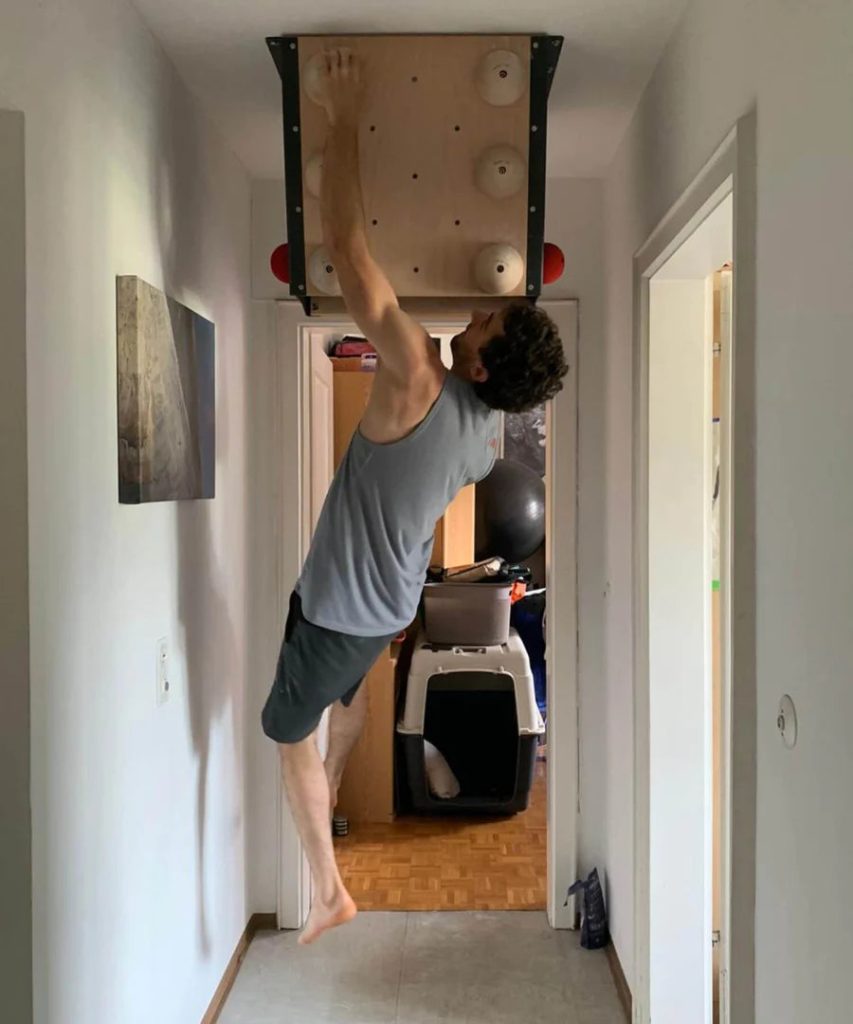
You don’t need a mountain to climb; you can set up a climbing wall at home or use a hangboard. This makes climbing workouts accessible and convenient. No more excuses about not having time to get to the gym. With just a little space, you can climb whenever it suits you.Fun And Engaging
One of the greatest benefits of climbing workouts is how fun they are. Each session feels like a new adventure, keeping you motivated and engaged. The joy of reaching the top can be a powerful reward, encouraging you to push your limits further. Incorporating climbing workouts into your routine offers a multitude of benefits, both physically and mentally. Are you ready to take your fitness to new heights?Essential Equipment
Creating an effective home climbing workout requires the right gear. Essential equipment ensures a safe and productive climbing experience. Investing in quality tools enhances your training. It also keeps you motivated and improves your skills.
Climbing Wall Setup
Start with a sturdy climbing wall. Plywood boards are popular. They offer durability and flexibility. Customize with holds to match your level. Adjust angles to increase difficulty. Consider a small home wall in a garage or basement. It’s cost-effective and space-efficient.
Safety Gear
Safety is crucial in climbing workouts. Invest in a good crash pad. It cushions falls and prevents injuries. Use a harness for advanced moves. It’s essential for climbing higher walls. Climbing shoes provide grip and support. They enhance performance and safety.
Training Accessories
Training accessories boost your climbing routine. Hangboards improve finger strength. They’re easy to install and use. Resistance bands help with flexibility. They are versatile and affordable. Consider pull-up bars for upper body strength. They are essential for climbers.
Warm-up Exercises
Getting ready for an at-home climbing workout starts with effective warm-up exercises. Warming up prepares your body for the intense demands of climbing. It helps prevent injuries and enhances your performance. You’ll feel more agile and focused.
Remember the last time you skipped a warm-up and felt that awkward stiffness halfway up the wall? Let’s avoid that. Warm up properly, and you’ll climb with confidence.
Dynamic Stretches
Dynamic stretches are crucial for getting your muscles ready for climbing. These stretches boost your flexibility and range of motion. Think leg swings and arm circles. They mimic climbing movements and get your blood flowing.
Imagine this: You’re about to start your climb, and you’ve done your dynamic stretches. Your body feels alive and responsive. This helps you tackle those tricky moves effortlessly.
Finger Strengthening
Fingers are your secret weapons in climbing. Strong fingers grip better and last longer. Try squeezing a stress ball or using finger resistance bands. These exercises enhance finger strength and dexterity.
Consider this: You’re halfway through your climb, and your fingers start to tire. But thanks to your finger strengthening exercises, you manage to hold on. Strengthened fingers mean longer climbs and better technique.
So, what’s holding you back from incorporating these warm-up exercises into your routine? Your next climb could be smoother and more enjoyable. Start warming up effectively and see the difference in your climbing experience.
Credit: www.businessinsider.com
Core Climbing Techniques
Climbing is more than just strength; it’s about technique. Understanding core climbing techniques can elevate your performance. These techniques help you climb efficiently and safely. Whether you’re scaling a wall or just starting, mastering these skills is crucial.
Grip Variations
Grip is essential in climbing. Different grips suit different holds. The crimp grip is common on small edges. It’s done by wrapping your fingers over the hold. The open-hand grip is safer for tendons. It spreads fingers across the hold. The pinch grip is for holds you can squeeze. Varying your grip can prevent fatigue. Practice these grips to improve your climbing.
Footwork Basics
Good footwork is vital. It supports your body and saves energy. Always place your toes on footholds. Avoid using the flat of your foot. Keep your heels low for balance. Practice pivoting on your toes. This helps with movement and reach. Precise footwork can make climbing easier. Focus on your feet, not just your hands.
Body Positioning
Body positioning affects your climbing success. Stay close to the wall for stability. Your center of gravity should align with your feet. Use your legs more than your arms. This conserves energy. Look ahead to plan your moves. Anticipate where you need to be next. Efficient body positioning reduces strain. It helps you climb longer and safer.
Strength Training For Climbers
Strength training enhances climbing performance. It builds muscle endurance and power. Climbers need a strong upper body, stable core, and conditioned lower body. These aspects help tackle challenging routes efficiently. Training at home offers convenience and flexibility. No need for a gym membership or expensive equipment. Let’s explore targeted workouts for climbers.
Upper Body Workouts
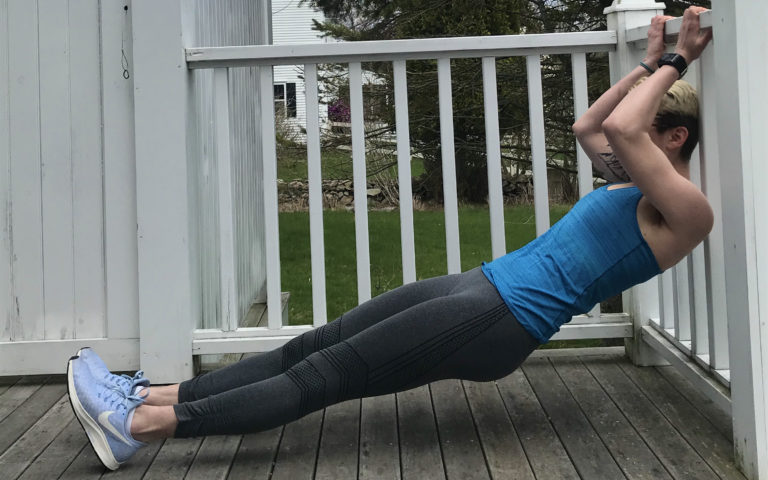
The upper body is crucial in climbing. Strengthen your arms, shoulders, and back. Pull-ups are excellent for building grip strength. They target the biceps and shoulders. Use a doorway pull-up bar if space is tight. Push-ups develop chest and arm muscles. Try different variations for a balanced workout. Dips focus on triceps and shoulders. Use a chair or low table for support.
Lower Body Conditioning
Strong legs support climbing. Squats build muscle in the thighs and calves. They improve balance and power. Lunges enhance flexibility and leg endurance. Perform them slowly for best results. Step-ups are great for boosting leg strength. Use a sturdy bench or stairs. Calf raises focus on lower leg muscles. They aid in maintaining balance.
Core Stability
A stable core is essential for climbers. Planks strengthen abdominal muscles. Hold positions for longer duration as you progress. Russian twists improve rotational strength. They target the obliques effectively. Leg raises enhance lower abdominal strength. Perform them lying down or hanging from a pull-up bar. Supermans engage the back and core. They promote overall stability.
Credit: www.outdoors.org
Endurance Building
Boost your climbing endurance at home with simple workouts. Use household items for strength training. Short sessions increase stamina, enhancing your climbing skills. Stay fit and ready for outdoor adventures.
Building endurance is essential for anyone passionate about climbing, whether you’re scaling a rock wall or tackling a bouldering problem. At home, you have the unique opportunity to hone this skill in a controlled environment. With a few strategic exercises, you can effectively boost your stamina and keep your climbing game strong even when you’re not on an actual rock face.Interval Training
Interval training is a powerful tool to enhance your climbing endurance. It involves alternating between high-intensity exercises and periods of rest. For instance, you can perform 30 seconds of high-intensity step-ups on a sturdy box, followed by 30 seconds of rest. Repeat this cycle for about 10-15 minutes. Why is this effective? It mirrors the bursts of energy required during a climb, followed by moments of rest. Consistently practicing intervals conditions your body to recover quickly, just like you would between tough moves on the wall. Have you tried adding intervals to your routine yet?Power Endurance Drills
Power endurance drills are your secret weapon for longer climbs. These exercises focus on sustaining power over an extended period. A great drill you can try is the “up-down ladder” on a hangboard or a pull-up bar. Start with one pull-up, rest for a few seconds, then do two pull-ups, rest again, and continue increasing until you can’t complete a set. The beauty of this drill is its simplicity and effectiveness. It challenges your muscles to maintain strength over time, which is crucial for those extended routes. The next time you find yourself struggling midway through a climb, remember this practice and push through. Are you ready to tackle your next climbing challenge with newfound endurance?Flexibility And Mobility
Flexibility and mobility are vital for any climbing workout. They help prevent injuries and increase performance. At home, you can improve both with simple exercises. These exercises don’t need equipment. You only need your body and a little space.
Regular practice improves range of motion. It also makes climbing smoother and more efficient. Focus on a mix of stretching and mobility drills. This combination will enhance your climbing experience.
Stretching Routines
Stretching is key for flexibility. It relaxes muscles and increases blood flow. Start with basic stretches like the hamstring stretch. This stretch targets the back of your thighs. Hold each stretch for at least 30 seconds. Consistency is important. Stretch daily to see progress.
Include the calf stretch in your routine. It helps with foot placement on climbing holds. Keep your heel down and lean forward gently. Stretching before and after workouts is crucial. It keeps muscles healthy and ready for the next climb.
Mobility Drills
Mobility drills focus on joint movement. They improve body control and balance. Try the hip circles drill. Stand with feet apart and rotate your hips in circles. This drill enhances hip flexibility. It also supports better climbing positions.
Include shoulder shrugs in your drills. They strengthen your shoulders and upper back. Lift your shoulders towards your ears and release. Repeat this movement several times. These drills should be part of your regular routine. They ensure your body moves freely and efficiently.

Credit: www.99boulders.com
Recovery And Injury Prevention
Climbing workouts at home can be intense and demanding. Proper recovery and injury prevention are crucial. These ensure you stay healthy and ready for the next session. Let’s explore key techniques to aid recovery and prevent injuries.
Cool Down Techniques
A cool down helps your body relax after climbing. Start with gentle stretches. Focus on your arms, shoulders, and legs. This reduces muscle stiffness and soreness.
Include deep breathing exercises. They calm your heart rate and mind. Walking slowly for five minutes can also help. This promotes blood flow and aids recovery.
Injury Prevention Tips
Warming up is essential before climbing. Always start with light exercises. They prepare your muscles and joints.
Listen to your body. If you feel pain, stop and rest. Pushing through pain can lead to serious injuries.
Ensure you have a safe climbing environment. Check your equipment regularly. A stable setup prevents accidental falls.
Maintain good form while climbing. Avoid sudden, jerky movements. Smooth and controlled actions protect your muscles.
Tracking Progress
Tracking progress is essential in any workout routine, especially in climbing. It helps you understand your development and areas needing improvement. With consistent monitoring, you can achieve your climbing goals effectively. Let’s explore how to track your progress at home.
Performance Metrics
Performance metrics are key to understanding your climbing abilities. Record your climb duration and number of climbs completed. Note the difficulty level of each climb. Keeping a log of these metrics helps you see your strengths and weaknesses. Regular updates ensure your training is on track.
Goal Setting
Goal setting gives direction to your climbing workouts. Define clear objectives for each session. Set short-term and long-term goals. This keeps you motivated and focused. Review your goals regularly to ensure they are achievable. Adjust your goals based on your progress to stay challenged.
Creating A Personalized Routine
Crafting a personalized routine for an at-home climbing workout boosts fitness and focus. Start with warm-ups, then practice climbing techniques on a sturdy wall. Finish with stretching exercises to improve flexibility and prevent injuries.
Creating a personalized routine for your at-home climbing workout can transform your fitness journey into an exciting adventure. The beauty of climbing lies in its adaptability; no two climbers are the same, and neither should their routines be. Whether you’re a beginner or a seasoned climber, crafting a plan that matches your unique needs is crucial. Let’s dive into how you can tailor your climbing workout to fit your skill level and balance intensity effectively.Adapting To Skill Level
Understanding your skill level is the first step in creating an effective workout routine. Are you just starting out, or do you have a few climbs under your belt? Beginners might focus on basic strength-building exercises like pull-ups and leg lifts. These exercises help build the core muscles necessary for climbing. Intermediate climbers can add dynamic moves like dead hangs and lock-offs to their routine. These exercises challenge your grip and improve endurance. Advanced climbers might include explosive movements such as campus board exercises. This not only adds variety but also pushes your limits. Consider what challenges you. Reflect on your strengths and weaknesses as a climber. Adjust your workout to target areas where you want to improve. This personalized approach keeps your routine engaging and motivating.Balancing Intensity
Balancing intensity in your climbing workout is key to progress without injury. Overloading your routine with high-intensity exercises can lead to burnout. It’s important to mix high-intensity workouts with low-intensity ones for recovery. Incorporate rest days and lighter sessions. This allows your body to heal and grow stronger. You might try yoga or stretching exercises on these days to improve flexibility. Think about how your body feels after each workout. Are you energized or exhausted? Adjust the intensity based on your physical response. This balance ensures a sustainable and enjoyable climbing journey. Creating a routine that fits your needs can be a game-changer. What would your ideal climbing workout look like? Tailor your plan to suit your level and balance intensity. This personalized approach keeps your climbing workouts effective and exciting.Frequently Asked Questions
How Can I Start Climbing Workouts At Home?
Starting at-home climbing workouts requires minimal equipment like a pull-up bar and resistance bands. Begin with exercises that build grip strength, such as dead hangs and finger curls. Incorporate core exercises like planks and leg raises to mimic climbing movements.
Gradually increase intensity and duration for effective results.
What Are Essential Exercises For Climbers?
Essential climbing exercises include pull-ups, finger curls, and planks. These target grip strength and core stability, crucial for climbing. Adding antagonist exercises like push-ups and shoulder presses helps balance muscle development. Regular practice improves endurance and technique, enhancing overall climbing performance.
Can Climbing Workouts Improve Strength?
Yes, climbing workouts enhance strength by targeting key muscle groups. Exercises like pull-ups and finger curls build grip and upper body strength. Core exercises stabilize movements, essential for climbing. Regular practice increases endurance and agility, leading to noticeable improvements in climbing ability.
Do I Need Special Equipment For Climbing Workouts?
At-home climbing workouts require minimal equipment. A pull-up bar, resistance bands, and a yoga mat suffice. These tools help perform exercises targeting strength and flexibility. As you progress, consider investing in a fingerboard for advanced grip training. Adapt workouts to available equipment for effective results.
Conclusion
An at-home climbing workout strengthens your body and boosts your confidence. With consistent practice, you can see real progress over time. It’s affordable and convenient, requiring minimal equipment. Plus, it adapts to any fitness level. Each session builds your endurance and improves your technique.
Remember to stay hydrated and take breaks as needed. Set small goals and celebrate your achievements. Climbing at home offers a fun and effective way to stay active. So grab your gear and get started today. Enjoy the journey and stay committed to your fitness path.








