
You’ve been diligent, committed, and sticking to your calorie deficit plan for three weeks now, yet the scale stubbornly refuses to budge. It’s frustrating, isn’t it?
You might even be questioning if you’re doing something wrong or if this approach will ever work for you. Rest assured, you’re not alone in this experience. There’s a mix of science and psychology at play that could be influencing your weight loss journey.
You’ll uncover the possible reasons why you haven’t seen the results you expected. By understanding these factors, you can adjust your strategy and turn the tide in your favor. Stick around to discover the hidden roadblocks and how to overcome them to achieve the success you deserve.
Credit: www.facebook.com
Calorie Deficit Basics
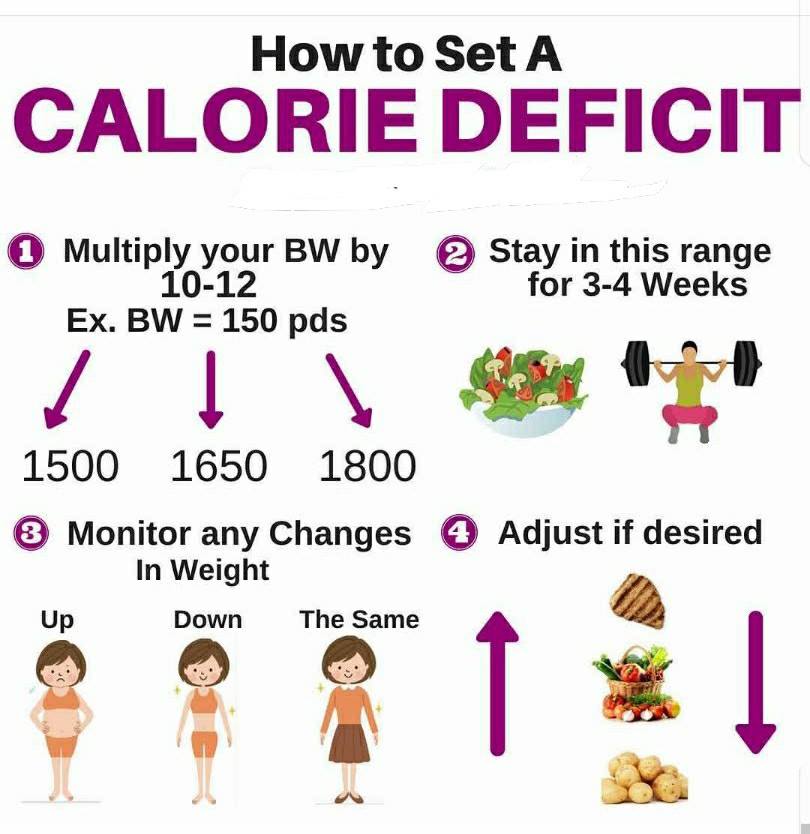
Understanding calorie deficit is essential for weight management. Struggling with no weight loss after three weeks can be frustrating. Factors like metabolism and exercise habits may influence results, requiring adjustments in diet or activity levels to see changes.
Embarking on a calorie deficit journey can be a game-changer in your weight loss plan. But what happens when you’re three weeks in and the scale hasn’t budged? Understanding the basics of a calorie deficit is crucial to set realistic expectations. Let’s unravel the essentials to help you navigate this journey effectively.Understanding Calorie Deficit
A calorie deficit occurs when you consume fewer calories than your body needs to maintain its current weight. This forces your body to use stored energy, often leading to weight loss. It’s a simple math equation, but the body’s response can be complex. Your daily calorie needs depend on factors like age, gender, weight, and activity level. Tools like online calculators can give you an estimate. But remember, these are guidelines, not gospel. Sometimes, your body adapts to a new calorie intake. This adaptation can slow down your metabolism, making weight loss a bit more challenging. Have you noticed your energy levels dropping? This might be a sign that your body is adjusting.Common Expectations
Many expect rapid weight loss when starting a calorie deficit. You might hear stories of friends shedding pounds quickly. It’s easy to get disheartened when your journey doesn’t look the same. Initial weight loss often includes water weight, which can fluctuate. It’s common for the scale not to reflect true fat loss in the first few weeks. Patience is essential here. Consider tracking more than just weight. Measurements, how your clothes fit, and your energy levels can provide a fuller picture of progress. What non-scale victories have you celebrated recently? Remember, consistency is key. Your body needs time to adjust to a new routine. Are you maintaining the deficit consistently, or is there room for improvement? Reflect on your habits and make small adjustments if needed.Metabolism Myths
Metabolism is often misunderstood in weight loss discussions. Many believe metabolism solely dictates weight change. This leads to myths and misconceptions. Understanding the truth about metabolism helps in realistic weight loss expectations.
Metabolic Adaptation
Metabolic adaptation is the body’s response to calorie changes. When you eat fewer calories, your body adjusts. It tries to conserve energy. This can slow weight loss progress.
Some people experience this after a few weeks on a diet. Their body becomes efficient at using fewer calories. This is why weight loss might stall despite a calorie deficit. Recognizing this helps in planning effective weight loss strategies.
Impact On Weight Loss
Metabolic adaptation affects weight loss in significant ways. As the body’s efficiency increases, burning calories becomes harder. This means you might not see immediate weight loss results.
Understanding metabolism’s role can prevent frustration. It encourages patience and persistence. It also highlights the importance of monitoring other aspects, like physical activity and overall health.
Metabolism myths often oversimplify the weight loss journey. Knowing the truth empowers individuals to make informed decisions.
Hidden Calorie Sources
Embarking on a calorie deficit journey can be challenging. Frustration mounts if weight loss stalls after three weeks. One culprit could be hidden calorie sources. These sneaky calories sabotage your efforts without you realizing. Recognizing and eliminating them might be the key to breaking through the plateau.
Sneaky High-calorie Foods
Some foods appear healthy but pack hidden calories. Granola bars, for instance, seem like a healthy snack. Yet, they often contain added sugars and fats. Salads can be surprisingly caloric too. Dressings and toppings like cheese or nuts add unexpected calories. Even seemingly innocent items like yogurt can be misleading. Flavored yogurts often have high sugar content. Read labels carefully to spot hidden calories.
Liquid Calories
Drinks can secretly contribute to your daily intake. Sodas, juices, and sports drinks contain surprising amounts of sugar. Even beverages labeled as “healthy” might be full of calories. Smoothies and coffee drinks often include syrups or added sugars. Alcoholic drinks are another hidden calorie source. Cocktails and beer can add up quickly. Opt for water or unsweetened tea to avoid liquid calorie traps.
Exercise And Activity Levels
Sticking to a calorie deficit plan without seeing weight loss can be frustrating. Exercise and activity levels play a crucial role in this journey. Understanding how your physical activity impacts your weight loss can make a difference.
Role Of Physical Activity
Physical activity helps burn calories. It supports weight loss goals by increasing calorie expenditure. Regular exercise boosts metabolism and improves overall health. Cardio and strength training are effective options. They help build muscle and burn fat efficiently.
Importance Of Non-exercise Activity
Not all activity involves structured exercise. Non-exercise activities also count towards burning calories. Daily tasks like walking, cleaning, or gardening help increase calorie burn. Simple movements throughout the day add up. They contribute to achieving a calorie deficit.
Stress And Sleep Factors
Stress can disrupt sleep, affecting weight loss efforts despite a calorie deficit. Poor sleep impacts metabolism and hunger hormones. Addressing stress and improving sleep quality may support weight loss goals.
When you’re following a calorie deficit plan and not seeing any weight loss after three weeks, stress and sleep could be the culprits. Your body is a complex system, and these factors can significantly affect your progress. Understanding how they impact your journey is essential to overcoming this plateau.Cortisol And Weight Retention
Stress releases cortisol, a hormone that can lead to weight retention. High cortisol levels may cause your body to hold onto fat, especially around the midsection. Consider your daily stressors: work deadlines, family commitments, or even your workout routine. Are they contributing to elevated stress levels? Reducing stress through activities like yoga or meditation might help lower cortisol and support weight loss.Sleep’s Influence On Metabolism
Lack of sleep can wreak havoc on your metabolism. It can slow down your body’s ability to burn calories and affect hunger-regulating hormones like leptin and ghrelin. Think about your sleep pattern. Are you getting the recommended 7-9 hours each night? Poor sleep can make you feel hungrier and less satisfied after meals, leading to overeating. Try setting a regular sleep schedule. Turn off screens an hour before bed, and create a calming bedtime routine. Quality sleep can rejuvenate your metabolism and aid in your weight loss efforts. Could addressing your stress and sleep habits be the key to breaking through your weight loss plateau? Small changes in these areas might lead to significant results.Hormonal Influences
Struggling with weight loss despite a calorie deficit can be frustrating. Hormonal influences might be a hidden factor. Hormones affect your body’s ability to lose weight. They regulate metabolism, appetite, and energy storage. Understanding these influences can help you address the issue.
Thyroid Function
The thyroid gland plays a vital role in metabolism. It produces hormones that control how your body uses energy. A sluggish thyroid can slow metabolism. This makes weight loss difficult. Hypothyroidism is a common condition that affects many people. It can lead to weight gain or prevent weight loss. A doctor can check your thyroid function with a simple blood test. Treatment can regulate hormone levels and support weight loss.
Insulin Resistance
Insulin is a hormone that helps your body use sugar for energy. Insulin resistance occurs when cells don’t respond well to insulin. This can lead to high blood sugar levels. The body then stores more fat, making weight loss hard. Insulin resistance is linked to conditions like prediabetes. A balanced diet and regular exercise can improve insulin sensitivity. Managing insulin levels can help overcome weight loss plateaus.
Dietary Adherence
Sticking to a calorie deficit plan can be challenging. Especially when no weight loss happens after three weeks. Dietary adherence is crucial. It’s about sticking to your diet plan. Consistently. Many factors can affect your adherence. Let’s explore these challenges.
Consistency Challenges
Life is unpredictable. Keeping a consistent diet can be tough. Temptations are everywhere. Social events often involve food. Stress can lead to emotional eating. Even busy schedules disrupt meal planning. Consistency requires planning. And discipline. But it’s not impossible. Setting clear goals helps. Routine is important. It keeps you focused. It helps with meal planning. And preparation.
Tracking Accuracy
Tracking what you eat is crucial. Many people miscalculate calories. Portion sizes can be misleading. Some foods are calorie-dense. Apps can help with tracking. But they must be accurate. Double-check your entries. Ensure you log everything. Even small snacks count. Overestimating exercise calories is common. This leads to eating more. Than intended. Aim for precise measurements. This helps maintain a true deficit.

Credit: thebodybulletin.com
Plateaus In Weight Loss
Have you ever felt frustrated after weeks of sticking to a calorie deficit, only to find the scale stubbornly stuck in place? You’re not alone. This common experience, known as a plateau, can feel like a roadblock on your weight loss journey. But understanding why this happens and knowing how to push past it can make all the difference.
Recognizing A Plateau
Plateaus can sneak up on you. One minute you’re shedding pounds, and the next, your progress halts. A plateau is when your body adjusts to your current routine, slowing down your weight loss. It’s essential to recognize a plateau so you can act swiftly.
If you notice the scale hasn’t moved in two to three weeks despite following your plan, you might be in a plateau. Consider other signs like unchanged measurements or a lack of energy. These can indicate your body has adapted to the calorie deficit.
Strategies To Overcome
Breaking through a plateau requires a tweak in strategy. Start by reassessing your calorie intake. Are you consuming more than you realize? Tracking every bite can reveal hidden calories.
Mix up your exercise routine. If you’ve been focusing on cardio, add strength training. This can boost your metabolism and kickstart weight loss again.
Consider incorporating a cheat meal. A sudden increase in calories can shock your system, jump-starting your metabolism. This should be a controlled indulgence, not a binge.
Finally, ask yourself: How is your stress level? High stress can impact weight loss by affecting hormones. Prioritize relaxation techniques to help your body stay on track.
Overcoming plateaus is about patience and persistence. Adjust, observe, and remember why you started. What strategy will you try next to defeat your plateau?
Long-term Perspective
Embarking on a calorie deficit journey can be frustrating. Especially when weight loss stalls after three weeks. Many people experience this and feel discouraged. It’s crucial to understand the long-term perspectiveof weight loss.
Sustainable Lifestyle Changes
Lasting weight loss requires sustainable lifestyle changes. Quick fixes often lead to temporary results. Small, consistent changes are effective. Incorporating healthier habits gradually is key. Focus on balanced nutrition and regular exercise. These habits help maintain a healthy weight.
Meal planning supports sustainable change. Prepare meals with whole foods and lean proteins. This approach reduces calorie intake naturally. Drinking water aids metabolism and curbs hunger. Swap sugary drinks for water or herbal tea. Consistency is crucial for long-term success.
Importance Of Patience
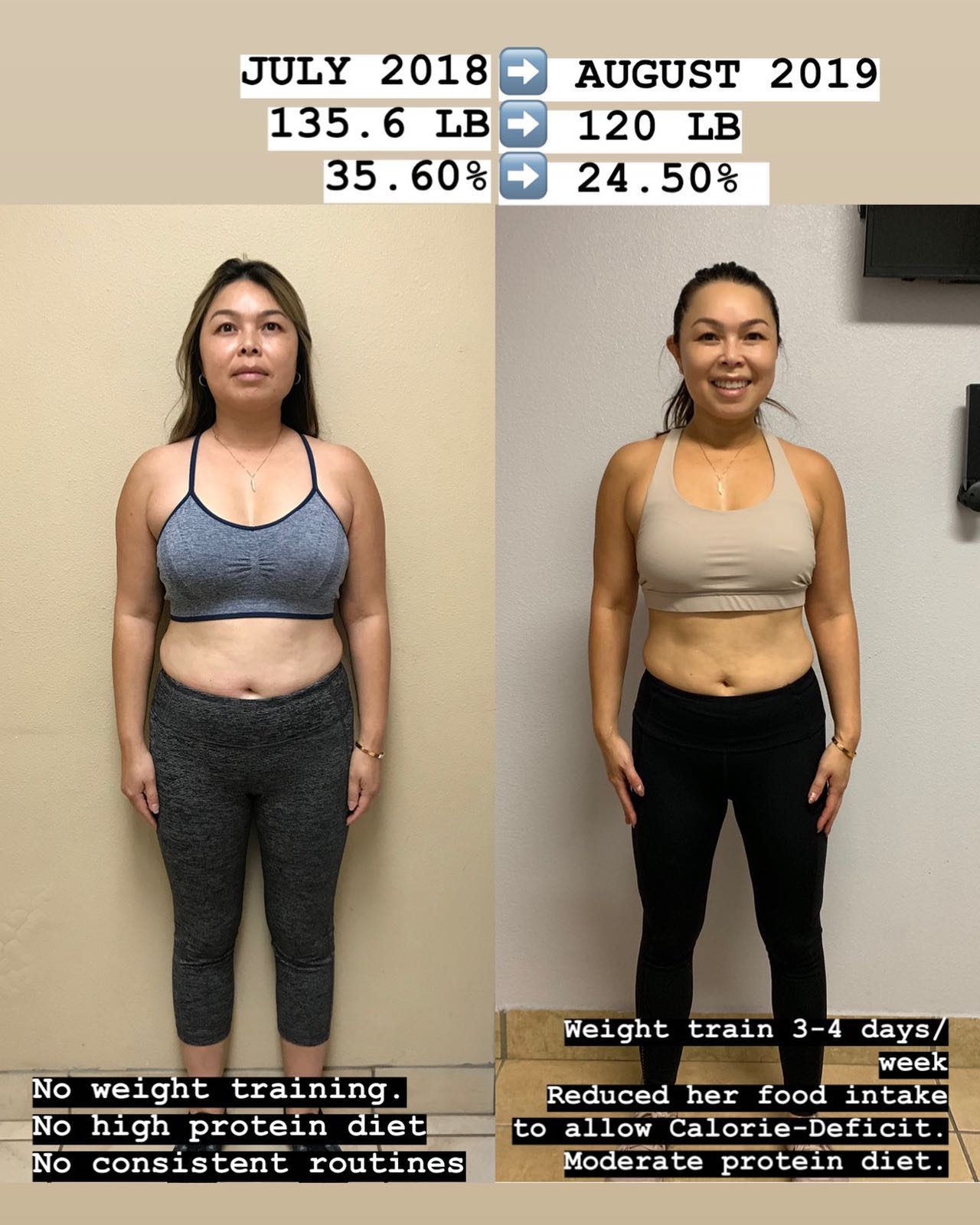
Patience plays a vital role in weight loss. The body needs time to adjust. Three weeks is a short period for noticeable changes. Slow and steady progress is healthier. Weight loss is not linear. Plateaus are normal in this journey.
Celebrate non-scale victories like increased energy. Improved mood is another sign of progress. Clothes fitting better reflect body changes. Focus on these achievements for motivation. Remember, patience leads to lasting results.
Credit: www.facebook.com
Frequently Asked Questions
Why Am I Not Losing Weight In A Calorie Deficit For 3 Weeks?
Your weight loss may stall due to factors like hidden calories, inaccurate tracking, or muscle gain. Hormonal imbalances, water retention, or stress can also play a role. Review your diet and lifestyle for potential adjustments. Consulting a healthcare professional might provide personalized insights.
Why Am I Eating 1500 Calories A Day And Not Losing Weight?
You might not lose weight due to inaccurate calorie tracking, hidden calories, or a slower metabolism. Stress, lack of sleep, or hormonal imbalances can also affect weight loss. Consider consulting a nutritionist or doctor for personalized advice and to rule out underlying health issues.
Can You Not Be In A Calorie Deficit And Still Lose Weight?
Yes, you can lose weight without a calorie deficit by increasing physical activity. Building muscle through strength training boosts metabolism. Eating nutrient-dense foods can lead to weight loss. Hormonal factors and sleep also impact weight. Always consult a healthcare professional for personalized advice.
What If I Am On A Low Calorie Diet But Not Losing Weight?
Consider tracking hidden calories in snacks or drinks. Ensure proper portion sizes. Check for hormonal imbalances or medical issues. Increase physical activity and vary your workout routine. Consult a healthcare professional or nutritionist for personalized advice.
Conclusion
Calorie deficits don’t always mean instant weight loss. Bodies are complex. Sometimes, they hold onto weight for various reasons. Stress, sleep, or hormones might be affecting progress. Keep track of these factors. Adjust your approach if needed. Stay patient and consistent.
Results can take time. Focus on overall health, not just numbers. Celebrate small victories along the way. Maintaining a healthy lifestyle is key. Remember, every body is unique. What works for one might not work for another. Keep learning and adapting.
Your journey is personal. Stay motivated.








