Feeling fit and energetic is possible at any age, and a well-structured workout plan can make all the difference. If you’re a 50-year-old man looking to boost your health, strength, and overall well-being, you’ve come to the right place.
This 12-week workout plan is designed just for you, focusing on exercises that can improve your fitness without overwhelming your body. Imagine waking up each morning with more energy, less stress, and a body that’s ready to tackle the day.
This workout plan can help you achieve that by offering a balanced mix of cardio, strength training, and flexibility exercises. It’s tailored to your unique needs, considering factors like joint health and muscle maintenance. Are you ready to transform your life in just 12 weeks? Dive into this guide to discover how simple changes can lead to extraordinary results. Your future self will thank you. Keep reading to unlock the secrets to a healthier, more vibrant you!
Credit: www.fitfatherproject.com
Benefits Of Exercise For Men Over 50
Exercise offers numerous benefits for men over 50. As age increases, the body’s ability to maintain muscle mass and bone density decreases. Regular physical activity helps counteract these effects. It promotes a healthier lifestyle, enhancing both physical and mental well-being.
Engaging in a consistent workout plan can improve energy levels. It keeps the heart healthy and reduces the risk of chronic diseases. Exercise also supports mental health by reducing stress and boosting mood.
1. Improved Cardiovascular Health
Heart health is vital for older adults. Exercise strengthens the heart muscles. It helps manage blood pressure effectively. Regular workouts reduce the risk of heart diseases.
2. Enhanced Muscle Strength
Age often brings muscle loss. Strength training is essential for maintaining muscle mass. It improves endurance and increases flexibility. Strong muscles support better posture and balance.
3. Better Bone Density
Bone density decreases with age. Weight-bearing exercises are crucial for bone health. They help maintain strong bones. This reduces the risk of fractures and osteoporosis.
4. Increased Metabolic Rate
Aging slows metabolism. Exercise boosts metabolic rate. It helps in burning calories efficiently. This aids in weight management and overall fitness.
5. Mental Health Benefits
Physical activity supports brain health. It enhances memory and cognitive function. Exercise releases endorphins, reducing anxiety and depression. A consistent routine improves overall mood.
6. Improved Sleep Quality
Quality sleep is crucial for well-being. Exercise promotes better sleep patterns. It helps in falling asleep faster. A rested body feels more energetic and alert.
7. Social Engagement Opportunities
Group workouts foster social connections. They offer motivation and support. Social interaction improves emotional health. It creates a sense of community and belonging.
Setting Realistic Fitness Goals
Crafting a 12-week workout plan tailored for a 50-year-old man requires realistic fitness goals. Focus on gradual strength building, flexibility, and cardiovascular health. Regular, achievable exercises ensure steady progress while minimizing injury risk.
Setting realistic fitness goals is crucial for success, especially when you’re 50 and embarking on a 12-week workout plan. It’s all about finding a balance between challenging yourself and respecting your body’s limits. Achieving your fitness dreams starts with setting goals that are attainable and tailored to your lifestyle.Understanding Your Starting Point
First, assess where you stand physically. Are you active or have you been sedentary for years? Knowing your current fitness level will help you set goals that aren’t too ambitious or too easy. My friend, Tom, decided to start jogging after years of inactivity. He aimed for a 5K run in three months and achieved it by pacing himself.Defining Clear Objectives
Setting clear objectives will keep you motivated. Do you want to improve stamina, build muscle, or lose weight? Write down what you hope to achieve in the next 12 weeks. Be specific. Instead of saying “get fit,” target something like “increase endurance to jog for 30 minutes.”Making Goals Measurable
How will you track your progress? Use measurable indicators like weight, time, or reps. Seeing progress in numbers can be incredibly motivating. If your goal is to shed pounds, track your weekly weight loss. If it’s about strength, count the increase in reps or weights lifted.Setting Short And Long-term Goals
Break your 12-week plan into smaller milestones. Short-term goals might include weekly targets like adding five minutes to your workout. Long-term goals could be reaching a certain fitness level by the end of three months. This approach makes large goals seem more achievable.Adjusting Goals As Needed
Flexibility is key. You might find that some goals are too ambitious or too easy. Adjust them to keep yourself challenged but not overwhelmed. During my workout journey, I found my initial goals too demanding. I re-evaluated them and found a pace that was more sustainable.Staying Accountable
Keep yourself accountable. Share your goals with a friend or family member who can check on your progress. Maybe even join a group with similar objectives. Having a support system makes it harder to abandon your goals.Reflecting On Your Progress
Take time to reflect on what you’ve achieved every few weeks. Are you getting closer to your end goal? Celebrate small victories to boost your motivation. Ask yourself: How does achieving these goals make you feel?Why Realistic Goals Matter
Why go through this process? Realistic goals prevent burnout and injuries. They keep you motivated and ensure steady progress. Imagine the satisfaction of reaching a goal you thought was impossible. What’s stopping you from setting realistic fitness goals today? These insights will help guide you through your 12-week workout journey with confidence and clarity. Embrace the process, and enjoy the transformation.Key Considerations For Older Adults
Embarking on a workout plan at 50 requires special attention. The body changes as it ages, affecting strength and flexibility. Older adults should consider several factors to ensure safety and effectiveness. Let’s explore essential aspects of a 12-week workout plan for a 50-year-old man.
Health Assessments
Start with a comprehensive health assessment. Consult a healthcare professional to evaluate your current fitness level. This may include checking heart health, joint function, and muscle strength. Understanding your body’s condition helps tailor the workout plan effectively. Regular check-ups ensure progress and prevent setbacks.
Injury Prevention
Prioritize injury prevention. Warm-up exercises are crucial before starting any workout. Focus on gentle movements to prepare muscles and joints. Stretching improves flexibility and reduces the risk of strains. Incorporate balance exercises to enhance stability. Listen to your body and rest when necessary. Proper footwear supports feet and reduces impact.
Nutrition And Hydration
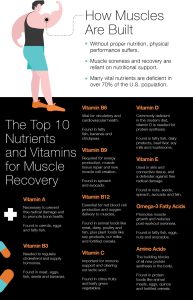
Nutrition plays a vital role in fitness. Consume balanced meals with proteins, carbohydrates, and healthy fats. Ensure adequate intake of vitamins and minerals. Hydration supports muscle function and recovery. Drink water regularly throughout the day. Avoid sugary drinks which can lead to dehydration. Consider consulting a nutritionist for personalized advice.

Credit: in.pinterest.com
Week 1-4: Building A Strong Foundation
Start your fitness journey by building a strong foundation in weeks 1-4. Focus on light exercises and stretching tailored for a 50-year-old man. These foundational weeks improve flexibility and overall strength.
Embarking on a fitness journey at 50 can be daunting, but it doesn’t have to be. The first four weeks of the 12-week workout plan are all about building a strong foundation. You need to focus on three key areas: cardiovascular exercises, strength training basics, and flexibility and balance workouts. Laying this groundwork ensures your body is prepared for more intense activities later on. This phase is crucial in preventing injuries and setting yourself up for long-term success. Let’s dive into each aspect and see how you can effectively strengthen your base.Cardiovascular Exercises
Cardio is essential for heart health and stamina. Start with activities that are easy on your joints. Consider walking, cycling, or swimming. Aim for 20-30 minutes of moderate intensity, three to four times a week. Think of it as a warm-up for life; it gets your blood pumping and energizes your day. You might notice improved mood and better sleep. Have you ever wondered how a brisk walk can clear your mind? Gradually increase the duration or intensity as you feel more comfortable. If you’re walking, try picking up the pace or adding small hills. Listen to your body and adjust as needed.Strength Training Basics
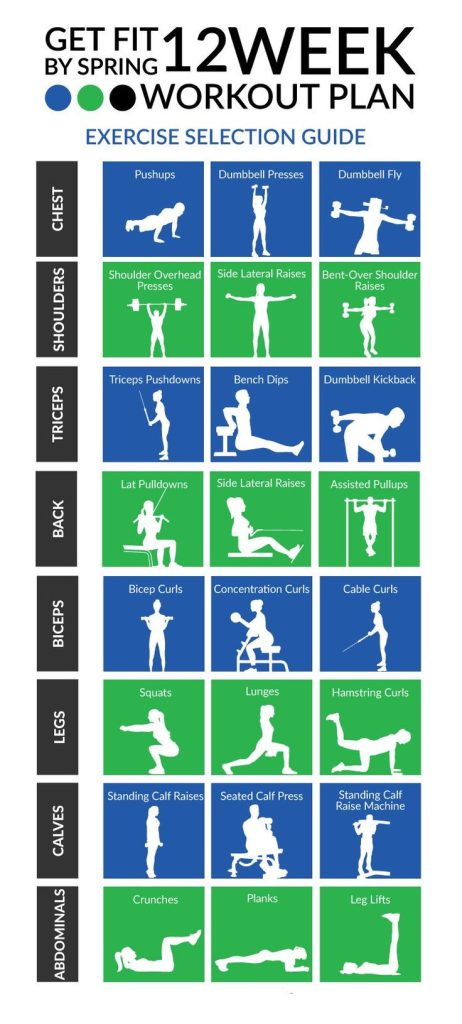
Strength training is not just for the young. It’s vital for maintaining muscle mass and bone density. Begin with bodyweight exercises like squats, lunges, and push-ups. These will help you understand your limits. You may feel like you’re not strong enough initially, but that’s perfectly okay. Everyone starts somewhere. Challenge yourself with light weights or resistance bands as you progress. Focus on form and control rather than speed. This ensures you’re working the muscles effectively without risk of injury. How does it feel to conquer that weight you once thought impossible?Flexibility And Balance Workouts
Flexibility and balance are often overlooked but are crucial for overall fitness. Incorporate stretches and balance exercises like yoga or tai chi. These improve your range of motion and coordination. Stretching daily can relieve muscle tension and improve posture. Have you noticed how even small stretches can boost your energy levels? Balance workouts help prevent falls, a common concern as we age. Try standing on one leg or using a balance board. Celebrate small victories, like holding a pose longer than yesterday. Building a strong foundation is about listening to your body and adjusting the plan to suit your needs. Are you ready to see how much progress you can make in just four weeks?Week 5-8: Increasing Intensity
Week 5-8 of the 12-week workout plan marks a crucial phase. This is the time to increase intensity. Building on the foundation laid in the initial weeks. The focus shifts to challenging the body. Enhancing strength and endurance. Suitable for a 50-year-old man aiming to achieve optimal fitness.
Advanced Strength Training
Strength training becomes more advanced during these weeks. Incorporate compound exercises. They engage multiple muscle groups. Examples include squats, deadlifts, and bench presses. Use heavier weights. Increase repetitions gradually. Monitor progress to avoid injury. Aim for consistency and precision in movements.
High-intensity Interval Training (hiit)
HIIT sessions are crucial for boosting cardiovascular health. Short bursts of high-intensity workouts followed by rest periods. Include exercises like sprinting, cycling, or jumping jacks. Keep each session under 30 minutes. Ensure proper warm-up and cool-down. This method aids in burning calories efficiently.
Core Strengthening Exercises
Core exercises enhance stability and balance. Important for overall fitness. Focus on planks, Russian twists, and leg raises. Perform exercises with controlled movements. Engage the abdominal muscles. Aim for three sets of each exercise. Gradually increase duration and intensity. Strong core supports other workout activities.
Credit: www.etsy.com
Week 9-12: Mastery And Maintenance
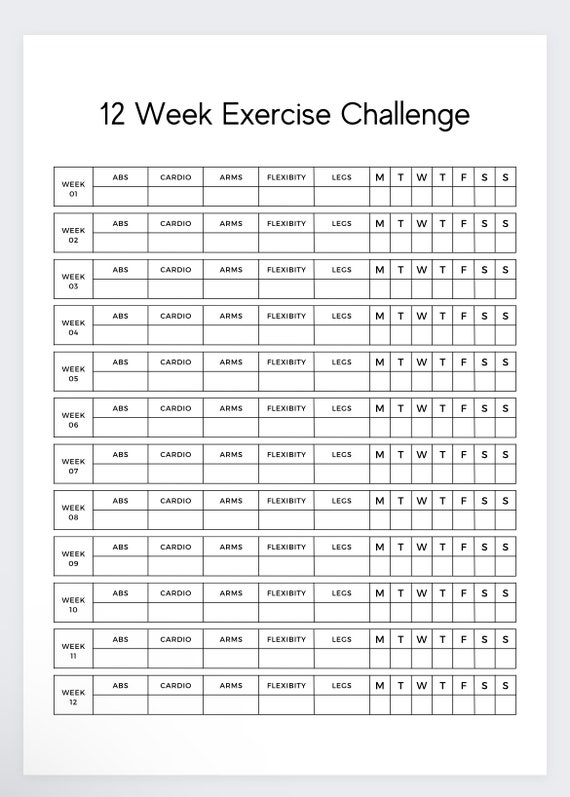
As you enter the final phase of your 12-week workout plan, it’s time to focus on mastery and maintenance. Weeks 9-12 are crucial for solidifying gains and ensuring long-term success. The goal is to refine techniques, increase endurance, and embrace a balanced routine. This phase builds upon the strength and skills developed in earlier weeks. Consistency and variety become your allies.
Variety In Workouts
Introduce different exercises to keep workouts fresh and engaging. Use a mix of strength training, cardio, and flexibility exercises. Consider activities like swimming, cycling, or yoga. Each offers unique benefits and challenges. This variety prevents boredom and targets different muscle groups.
Endurance Challenges
Push your limits with endurance-focused activities. Increase workout duration and intensity gradually. Aim for longer runs or cycling sessions. Participate in group sports or outdoor adventures. These challenges boost stamina and cardiovascular health.
Recovery And Rest Days
Rest days are just as important as workout days. They allow muscles to repair and grow stronger. Schedule at least one or two rest days each week. Include activities like gentle stretching or meditation. These help in relaxation and mental well-being.
Adapting The Plan For Personal Needs
Adapting a 12-week workout plan for a 50-year-old man requires care. Everyone’s body is different, and personal needs vary greatly. Recognizing and addressing these needs enhances the workout experience. It also helps in achieving fitness goals safely and effectively. This section explores how to modify the plan to accommodate individual needs. Especially for those with joint issues or mobility limits.
Modifications For Joint Issues
Joint issues can be common as we age. It’s essential to address them to prevent injury. Low-impact exercises are a good choice for those with sensitive joints. Walking, swimming, or cycling offer gentle options. These exercises minimize stress on joints while still providing cardiovascular benefits. Strength training with resistance bands can be effective too. They allow for muscle strengthening without heavy weights.
Alternative Exercises For Mobility Limits
Limited mobility should not hinder your fitness journey. Focus on exercises that suit your range of motion. Seated exercises provide a stable option. Chair yoga or seated leg lifts keep the body active and engaged. Water aerobics is another excellent choice. The water supports the body and reduces strain. It provides a full-body workout that improves endurance and flexibility.
Tracking Progress And Staying Motivated
Embarking on a 12-week workout plan at 50 requires dedication and motivation. Tracking progress can make a big difference in staying committed. It helps you see how far you’ve come and what you can achieve. Staying motivated is key to pushing forward, even when it gets tough. Let’s explore some ways to track progress and keep motivation high throughout this journey.
Keeping A Workout Journal
A workout journal is a powerful tool. It records your exercises, sets, and reps. With it, you can see patterns and improvements. Writing down your thoughts and feelings after each workout also helps. It can reveal what motivates you the most. Jot down any changes in strength or endurance. This will keep you aware of your progress. A journal also helps you plan future workouts better. You can adjust your routine based on past performance.
Celebrating Milestones
Reaching milestones is a big motivator. Celebrate your achievements, no matter the size. Lost a few pounds? Completed a challenging workout? Celebrate it. Reward yourself with something special. It could be a new book or a nice dinner. This reinforces positive behavior and keeps you motivated. Reflecting on your journey helps you appreciate your hard work. It reminds you why you started and keeps you focused on your goals.
Common Myths And Misconceptions
Fitness at 50 can bring unique challenges. Myths cloud judgment and hinder progress. Understanding common misconceptions can improve your workout journey.
Age-related Fitness Myths
Many believe fitness declines sharply at 50. This is untrue. Strength and stamina can be maintained. Exercise benefits every age. Older adults gain muscle and improve health through regular workouts. Age doesn’t prevent fitness success. It’s about consistency and effort.
Another myth is older people should avoid intense exercises. This isn’t accurate. Intensity can vary with fitness levels, not age. Consult a doctor, then tailor your workout plan. Cardiovascular and strength exercises suit all ages. Safe adjustments make workouts effective.
Debunking Diet Myths
Diet myths are common among older adults. Some think they need fewer calories. Truth is, calorie needs depend on activity level, not age. Proper nutrition supports energy and muscle growth. Ignoring this can slow progress and affect health.
Another misconception is avoiding carbs. Carbs are essential for energy. The right carbs fuel workouts and daily activities. Choose whole grains over refined options. Balance is key. A healthy diet complements exercise and supports overall wellness.
Expert Tips For Long-term Success
Starting a 12-week workout plan at 50 is a fantastic choice. But maintaining success requires more than just enthusiasm. Expert advice can guide you toward long-term achievements. This section explores vital tips to ensure consistency and growth in your fitness journey.
Seeking Professional Guidance
Consider consulting a fitness expert or personal trainer. They tailor workouts to fit your needs and limitations. Professionals identify safe and effective exercises. They help avoid potential injuries. Regular check-ins with experts boost motivation. Trainers offer valuable feedback and adjustments. Their guidance ensures progress and safety.
Creating A Supportive Environment
Build a positive workout setting at home or the gym. Surround yourself with supportive peers. Friends and family can encourage your efforts. A workout buddy increases accountability. They make exercising more enjoyable. Share goals and achievements with others. Celebrate milestones to maintain enthusiasm. A supportive environment fosters success.
Frequently Asked Questions
What Is The Best Workout Schedule For A 50 Year Old Man?
A balanced workout schedule includes strength training, cardio, flexibility, and rest days. Aim for 150 minutes of moderate exercise weekly, with strength sessions twice a week. Prioritize exercises that enhance joint mobility and muscle endurance. Consult a healthcare professional before starting any new fitness regimen to ensure safety.
How Many Days A Week Should A 50 Year Old Man Workout?
A 50-year-old man should aim to work out 3-5 days a week. Focus on a balanced routine including cardio, strength training, and flexibility exercises. Adjust intensity based on fitness level and consult a healthcare professional if needed. Consistency is key for maintaining overall health and well-being.
Can I Transform My Body In 12 Weeks?
Yes, you can transform your body in 12 weeks with commitment. Focus on a balanced diet and regular exercise. Set realistic goals and track progress. Consistency is crucial for achieving desired results. Seek guidance from fitness professionals for personalized plans.
Can A 50 Year Old Man Get Back In Shape?
Yes, a 50-year-old man can get back in shape. Regular exercise and a balanced diet are essential. Focus on strength training, cardio, and flexibility exercises. Consistency and gradual progression help avoid injuries. Consulting a healthcare professional before starting is advisable.
Set realistic goals and stay motivated for best results.
Conclusion
Staying active at 50 is vital for health. This 12-week plan helps build strength and boost energy. Sticking to the routine brings great benefits. Consistency is key. Each workout is manageable and effective. Remember, listen to your body and adjust as needed.
Enjoy the journey and celebrate small victories. Fitness can be fun and rewarding. A healthier lifestyle awaits with dedication and effort. Age is just a number. Keep moving forward and embrace the challenge. You got this!