Are you tired of trying countless diets and workouts that promise quick results but leave you feeling frustrated and defeated? You’re not alone.
Losing weight can often feel like an uphill battle, filled with confusion about which workout plan is right for you. But imagine a workout plan that’s not only effective but also tailored to fit seamlessly into your lifestyle. Sounds too good to be true?
It’s not. This article will reveal a workout plan designed specifically to help you shed those extra pounds and keep them off. By the end, you’ll have a clear, actionable strategy that you can start using today. So, are you ready to discover the secret to achieving your weight loss goals once and for all? Keep reading—you won’t want to miss this.
Setting Clear Goals
Establishing clear goals in your workout plan is crucial for effective weight loss. Define achievable targets for daily exercise routines and monitor progress. Tailored objectives help maintain motivation, ensuring a focused approach to shed those extra pounds efficiently.
Setting clear goals is the first step to successful weight loss. Without goals, you may feel lost and unmotivated. Goals give you direction and a sense of purpose. They help you track progress and stay accountable. To lose weight, it’s important to set achievable and realistic goals. This ensures you stay motivated and committed to your workout plan.Why Setting Goals Matters
Goals provide a roadmap for your weight loss journey. They keep you focused and determined. With clear goals, you know what you’re working towards. This focus increases the chances of reaching your desired weight.How To Set Smart Goals
SMART goals are specific, measurable, achievable, relevant, and time-bound. This method helps you create clear and realistic goals. For example, aim to lose 2 pounds in a week. This goal is specific and measurable.Breaking Goals Into Smaller Steps
Large goals can be overwhelming. Break them into smaller, manageable steps. This makes the process less daunting. Celebrate small victories to stay motivated.Tracking Progress Regularly
Keep track of your progress to stay on course. Use a journal or app to log your workouts. Regular tracking helps you see improvements and areas needing adjustment.Adjusting Goals When Needed
Sometimes, goals may need tweaking. Life changes or setbacks can occur. Adjust goals to suit your current situation. Flexibility ensures continued progress and motivation.Understanding Body Composition
Understanding body composition is crucial in crafting an effective workout plan to lose weight. It’s not just about shedding pounds; it’s about altering the ratio of fat to muscle in your body. This knowledge can guide you in choosing exercises that target your specific goals and help you track your progress more accurately.
What Is Body Composition?
Body composition refers to the percentages of fat, bone, water, and muscle in your body. Unlike the simple number on the scale, it gives a clearer picture of your health. You might weigh the same as your friend, yet have different compositions, impacting how your body looks and feels.
Think about your last visit to the gym. Did you notice how some people look toned despite their weight? That’s the magic of a favorable body composition. Focusing on this can turn your workout plan into a powerful tool for transformation.
Why Should You Care About Body Composition?
Understanding body composition can change your approach to weight loss. It’s not just about losing fat, but also about maintaining or gaining muscle. Muscle burns more calories than fat, even at rest, making it a vital part of your weight loss journey.
Imagine achieving a lower weight, but you still feel sluggish and weak. That’s often due to muscle loss. Prioritizing body composition ensures that you lose fat while keeping your muscle, enhancing both your appearance and energy levels.
How Can You Measure Your Body Composition?
There are several ways to measure body composition, ranging from simple methods like skinfold calipers to advanced options like DEXA scans. While some are more accessible, others might require professional assistance.
Consider using a smart scale that provides body composition metrics like muscle mass and fat percentage. It’s a practical tool that can offer insight into your progress. Seeing changes in these metrics can be more motivating than just tracking weight.
Impact Of Body Composition On Workout Plans
Your body composition influences the type of workout plan you should follow. If you have a higher percentage of fat, you might want to focus on cardio to burn calories effectively. Conversely, if muscle gain is your goal, strength training will be your ally.
Personal experience has shown me that mixing both cardio and strength training yields the best results. It’s like balancing a scale; too much of one can tip your progress in the wrong direction. Find what works for you and adjust as your body changes.
Engage With Your Body Composition
Now, here’s a thought: Are you focusing too much on the number on the scale? Consider shifting your perspective to body composition. How might this change your daily routine or workout choices?
Embrace this understanding as part of your weight loss journey. You might find that it brings you closer to your goals than you ever thought possible.
Creating A Caloric Deficit
Creating a caloric deficit is key to losing weight effectively. It involves consuming fewer calories than your body burns in a day. This strategy helps shed excess fat and achieve a leaner physique. Understanding caloric deficit is crucial for anyone aiming to lose weight.
A well-structured workout plan supports this approach. Exercise increases the number of calories burned, contributing to the deficit. Combine physical activity with mindful eating for optimal results. This synergy fosters healthy and sustainable weight loss.
Understanding Your Basal Metabolic Rate (bmr)
Your Basal Metabolic Rate (BMR) is the number of calories your body needs at rest. It’s essential to know this to create a caloric deficit. Calculate your BMR based on age, gender, weight, and height. Online calculators make this process straightforward.
Tracking Calories Consumed
Tracking calories consumed is vital in managing a caloric deficit. Use apps or journals to note daily intake. This practice helps identify areas for improvement in your diet. Stay aware of portion sizes and food choices.
Incorporating Cardio Exercises
Cardio exercises play a significant role in creating a caloric deficit. Activities like running, cycling, or swimming burn calories efficiently. Aim for 150 minutes of moderate cardio weekly. This routine boosts your metabolism and aids weight loss.
Strength Training For Muscle Growth
Strength training supports weight loss by building muscle. Muscle tissue burns more calories than fat, even at rest. Incorporate weight lifting or body-weight exercises into your routine. This helps maintain muscle mass while losing fat.
Balancing Nutrition And Exercise
Balancing nutrition and exercise is crucial in achieving a caloric deficit. Eat nutrient-rich foods to support your workout plan. Focus on lean proteins, whole grains, and vegetables. This balance ensures energy levels remain stable.
Cardio Workouts
Cardio workouts help burn calories and improve heart health. Incorporating activities like running or cycling aids weight loss. Consistency and varied intensity are key for effective results.
Are you looking for an effective way to shed those extra pounds? Cardio workouts might be the answer you’ve been searching for. These exercises, focused on raising your heart rate, are a great way to burn calories and boost your weight loss journey. Whether you enjoy running in the park or dancing to your favorite tunes, cardio can be both fun and beneficial. Let’s dive into how cardio workouts can help you meet your weight loss goals.Benefits Of Cardio
Cardio workouts are a powerhouse when it comes to weight loss. They help burn calories efficiently, making it easier to create a calorie deficit. Have you ever felt that rush of endorphins after a brisk walk or an intense cycling session? That’s your body’s way of rewarding you for pushing it to the limits. Cardio also improves your heart health, reducing the risk of chronic diseases. It’s not just about losing weight; it’s about feeling healthier and more energetic. So, next time you’re tempted to skip your workout, think about the long-term benefits your heart will thank you for.Best Cardio Exercises
Variety is the spice of life, and the same goes for cardio workouts. Running is a classic choice, but have you tried swimming? It’s a full-body workout that torches calories and is easy on the joints. Cycling is another great option, allowing you to explore new places while getting fit. If you prefer indoor workouts, consider high-intensity interval training (HIIT). These short bursts of intense exercise are perfect for those with busy schedules and provide excellent results. Have you considered including dance workouts like Zumba or aerobics? They can be a fun way to mix things up and keep your routine exciting.Frequency And Duration
Consistency is key in any workout plan. Ideally, aim for 150 minutes of moderate cardio or 75 minutes of intense cardio each week. You could break this down into 30-minute sessions five times a week. Think about it: Can you dedicate half an hour to improving your health and mood? You might find that committing to shorter, frequent workouts is easier than longer, sporadic sessions. If your schedule is packed, consider sneaking in shorter bouts of activity. Even a 10-minute brisk walk during your lunch break can make a difference. How will you fit cardio into your daily routine? Remember, the best workout plan is one that fits into your lifestyle seamlessly. Are you ready to lace up your sneakers and get moving?Strength Training
Strength training boosts weight loss by building muscle, which burns calories even at rest. It combines exercises like squats and lunges to improve metabolism. Include regular sessions in a workout plan to effectively shed pounds while toning your body.
Strength training is a key element in a workout plan to lose weight. It helps build muscle, which increases your metabolism. More muscle means more calories burned, even at rest. This makes strength training a smart choice for effective weight loss.Importance For Weight Loss
Strength training boosts your metabolism. It enhances calorie burning even when you’re not exercising. Unlike cardio, it helps you maintain muscle mass while losing fat. Muscle is denser than fat. It takes up less space, resulting in a leaner appearance. Strength training also improves your overall health. It strengthens bones and reduces the risk of injury. Consistent training can lead to a toned body and better posture.Effective Strength Exercises
Focus on exercises that target major muscle groups. Squats are a great choice. They work your legs and glutes. Deadlifts strengthen your back and hamstrings. They also engage your core. Lunges build leg strength and improve balance. Push-ups target your chest, shoulders, and arms. Planks help develop core stability. Incorporate compound movements for maximum efficiency. These exercises engage multiple muscles at once. This leads to faster results and better overall conditioning.Building A Routine
Start with a balanced routine. Aim for two to three sessions a week. Allow time for recovery between workouts. Begin with lighter weights. Gradually increase as your strength improves. Focus on proper form to prevent injury. Include a mix of exercises for different muscle groups. This keeps your routine interesting and effective. Track your progress to stay motivated. Adjust your routine based on your goals and improvements. Consistency is key to achieving lasting results.High-intensity Interval Training (hiit)
High-Intensity Interval Training (HIIT) offers an effective workout plan to lose weight. It combines short bursts of intense exercise with rest periods. Burn calories faster and boost metabolism with this dynamic routine. Ideal for busy schedules, HIIT maximizes fat loss in minimal time.
High-Intensity Interval Training (HIIT) is a dynamic workout method that’s gaining popularity for its powerful fat-burning capabilities. This style alternates between short bursts of intense activity and periods of rest or lower-intensity exercise. It’s perfect for those looking to shed pounds effectively without spending hours at the gym.Advantages Of Hiit
HIIT workouts are time-efficient. You can achieve maximum results in less than 30 minutes. This is ideal for those with busy schedules. Studies show that HIIT boosts your metabolism, allowing you to burn calories even after your workout ends. This afterburn effect is known as excess post-exercise oxygen consumption (EPOC). HIIT is versatile. You can perform it with various exercises like running, cycling, or even bodyweight movements. This keeps your workouts fresh and exciting.Sample Hiit Workouts
Here’s a simple HIIT workout you can try at home: 1. Jumping Jacks: 30 seconds 2. Rest: 15 seconds 3. Burpees: 30 seconds 4. Rest: 15 seconds 5. High Knees: 30 seconds 6. Rest: 15 seconds 7. Mountain Climbers: 30 seconds 8. Rest: 15 seconds Repeat this circuit three times. Feel the burn and enjoy the sweat!Incorporating Hiit Safely
Start slow. If you’re new to HIIT, ease into it with shorter intervals and longer rest periods. Your body needs time to adapt. Listen to your body. Push yourself but know your limits. If you feel pain, stop immediately. Warm-up is crucial. Spend at least five minutes warming up to prepare your muscles and prevent injuries. Have you ever pushed yourself too hard during a workout? It’s tempting, but balance is key. Prioritize safety and consistency for long-term success. Try HIIT and see how it transforms your weight loss journey. What’s your favorite HIIT exercise?Flexibility And Recovery
Flexibility and recovery play crucial roles in any workout plan. They ensure the body remains agile and reduce injury risks. Focusing on these aspects helps maintain long-term fitness. It also supports weight loss by improving muscle function and stamina. Prioritizing flexibility and recovery can lead to more effective workouts.
Role Of Stretching
Stretching helps improve muscle elasticity. It prepares the body for exercise. Doing it before and after workouts is essential. Pre-workout stretches activate muscles. Post-workout stretches aid in muscle recovery. Stretching also increases blood flow to muscles. This enhances nutrient delivery and speeds up healing.
Incorporate both static and dynamic stretches. Static stretches involve holding a position. Dynamic stretches involve movement and increase heart rate. Both types are essential for a balanced routine. Regular stretching boosts overall flexibility. It also improves posture and reduces muscle tension.
Active Recovery Tips
Active recovery is key to fitness success. It involves low-intensity exercises. These exercises promote muscle repair without overexertion. Walking, yoga, and swimming are excellent choices. They increase circulation and reduce soreness. Active recovery days should be part of your routine.
Hydration plays a vital role in recovery. Drink water before, during, and after workouts. Adequate sleep is also crucial for recovery. Aim for 7-9 hours each night. Proper nutrition supports recovery as well. Consume a balanced diet with proteins and healthy fats. This nourishes muscles and aids in their repair.
:max_bytes(150000):strip_icc()/autumn-calabrese-weight-loss-workout-plan-bb9d8c0dee134adaa8c834f793e73c93.jpg)
Credit: www.shape.com
Tracking Progress
Monitor your workout plan to lose weight by setting clear goals. Track your progress to see improvements. Adjust your routine for better results.
Tracking progress is a crucial part of any workout plan to lose weight. It’s easy to get discouraged if you don’t see immediate results. But when you track your progress, you can celebrate small victories and stay motivated. Knowing exactly where you stand can help you make informed decisions about your fitness journey. It also allows you to adjust your plan as needed to achieve your weight loss goals.Using Technology
Technology offers a variety of tools to help you track your progress. Fitness apps can monitor your workouts, count your calories, and even track your sleep patterns. Wearable devices like smartwatches can provide real-time data on your steps, heart rate, and calories burned. Have you ever considered using a fitness app to log your workouts? They can offer insights into your progress and help you stay on track. Many apps allow you to set goals and send reminders, making it easier to stay committed. Smart scales are another excellent tool. They can measure body fat percentage, muscle mass, and other metrics, providing a comprehensive picture of your health. This can help you see changes that aren’t visible on a regular scale.Monitoring Body Changes
Tracking progress isn’t just about numbers. Monitoring body changes can provide valuable insights into your weight loss journey. Take note of how your clothes fit, as this can be a clear indicator of body transformation. Photos can be a powerful motivator. Consider taking a picture of yourself every month. Over time, you can compare these images to see visible changes in your body shape. Pay attention to your energy levels and mood. As you progress with your workout plan, you may notice increased energy and improved mood. These changes are just as important as the numbers on the scale. Are you noticing differences in your body measurements? Tracking inches lost can sometimes be more encouraging than watching the scale. Use a measuring tape to track changes in your waist, hips, and other areas. By focusing on these tangible changes, you can gain a well-rounded understanding of your progress. Tracking both numbers and physical changes can boost your motivation and help you stay focused on your weight loss goals.Nutrition And Hydration
Nutrition and hydration are vital for effective weight loss. They provide energy and support the body’s functions during workouts. Understanding what to eat and drink can enhance your fitness journey.
Balanced Diet Tips
A balanced diet aids in weight loss. Focus on whole foods. Include fruits and vegetables. They are rich in vitamins and fiber. Lean proteins like chicken and fish build muscle. Choose complex carbs such as brown rice. These provide lasting energy. Limit processed foods. They are often high in sugar and fat.
Small portions help control calorie intake. Eat slowly to recognize fullness. Plan meals to avoid unhealthy choices. Prepare snacks like nuts or yogurt. This prevents overeating.
Importance Of Hydration
Hydration is key in workouts. Water regulates body temperature. It helps transport nutrients. Drink water before, during, and after exercise. This prevents dehydration.
Dehydration reduces performance. It can lead to fatigue. Check urine color for hydration levels. Pale urine suggests good hydration. Dark urine indicates a need for more water.
Carry a water bottle. Sip throughout the day. Herbal teas and fruit-infused water are refreshing options. Avoid sugary drinks. They add empty calories.
Hydration supports weight loss. It helps metabolize stored fat. Drinking enough water can aid in appetite control.
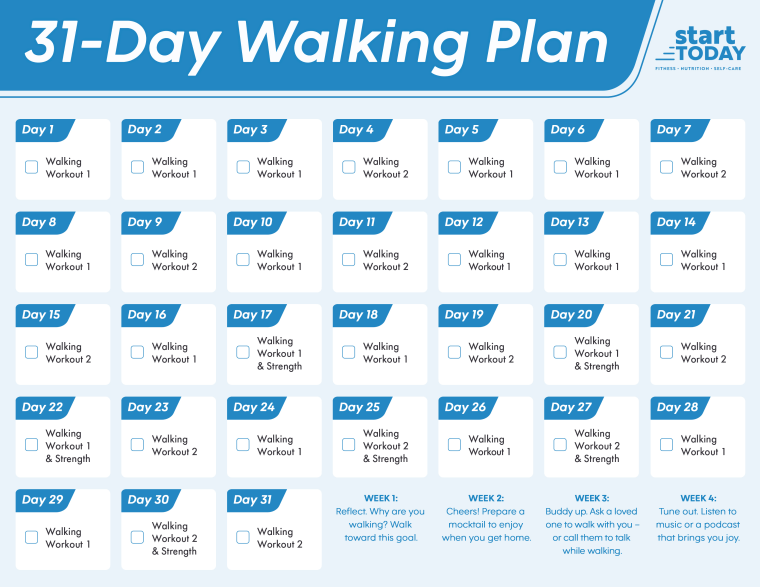
Credit: www.today.com
Staying Motivated
Staying motivated is crucial in any weight loss journey. It can be challenging to maintain enthusiasm over time. Many people start strong but lose momentum. Keeping motivation high is essential for success. Here’s how to stay motivated with your workout plan.
Setting Milestones
Break your goals into smaller milestones. Celebrate each achievement. This helps keep you on track. Set realistic targets that are achievable. Aiming for smaller wins can boost your confidence. Write down your goals to visualize them better. Track your progress regularly. Seeing results can be encouraging.
Finding Support
Find a workout buddy. Exercising with someone can be motivating. Share your goals with friends or family. They can offer encouragement. Join fitness groups or classes. Being part of a community can be uplifting. Online forums can also provide support. Engage with people who have similar goals. Their success stories can inspire you.

Credit: www.pinterest.com
Frequently Asked Questions
Which Workout Plan Is Best For Weight Loss?
A combination of cardio, strength training, and HIIT is best for weight loss. Include activities like running, cycling, and weightlifting. Aim for at least 150 minutes of moderate exercise weekly. Consistency and a balanced diet are crucial for effective results.
Consult a fitness professional for personalized advice.
What Workout Burns The Most Belly Fat?
High-intensity interval training (HIIT) effectively burns belly fat. It combines short bursts of intense exercise with brief rest periods. This workout boosts metabolism and promotes fat loss. Pair HIIT with strength training for optimal results. A healthy diet also plays a crucial role in reducing belly fat.
What Is The 30/30/30 Rule For Weight Loss?
The 30/30/30 rule involves eating 30 grams of protein, exercising for 30 minutes, and consuming meals every 30 minutes post-exercise. This method promotes muscle growth, boosts metabolism, and aids weight loss. It emphasizes consistency in diet and physical activity for effective results.
What Is The Best Exercise When Trying To Lose Weight?
The best exercise for weight loss combines cardio and strength training. Try activities like running, cycling, or swimming to burn calories. Strength training builds muscle, boosting metabolism. Balance both for effective results and consistency.
Conclusion
A weight loss journey requires commitment and consistency. Stick to your workout plan. Make small changes. Eat healthy and stay active. Progress may be slow, but stay patient. Celebrate small wins. They add up over time. Remember, everyone’s journey is unique.
Listen to your body and adjust as needed. Consult professionals if unsure. Enjoy the process and learn from it. Keep your goals in sight. With dedication, you’ll see results. You can achieve your desired weight. Stay motivated and never give up.
Enjoy a healthier lifestyle and feel great. Keep pushing forward every day.