Imagine this: You want stronger, more defined shoulders, but you don’t have the time or equipment to hit the gym. What if you could achieve your dream shoulder workout right in the comfort of your home, without a single dumbbell or machine in sight?
You’re about to discover exactly how this is possible. This guide will reveal the secrets of effective shoulder workouts that require nothing more than your own body weight. You’ll be surprised at how a few simple exercises can transform your shoulders, all while you save time and money.
Curious about how to make this happen? Let’s dive into the world of no-equipment shoulder workouts that are not just easy to follow but also incredibly effective. Your new favorite workout routine is just a few scrolls away. Don’t miss out on unlocking your full potential!

Credit: www.pinterest.com
Benefits Of No-equipment Workouts
Engaging in a shoulder workout at home requires no equipment and offers great flexibility. It helps strengthen and tone muscles without the need for bulky weights. Ideal for those seeking efficient exercise routines, these workouts can be easily integrated into daily schedules, promoting consistent fitness habits.
Engaging in shoulder home workouts without any equipment can be a game-changer for many fitness enthusiasts. The simplicity and accessibility of these workouts make them highly appealing. They allow you to strengthen and tone your shoulders without the need for fancy gear or a gym membership.Convenience And Accessibility
No-equipment workouts are incredibly convenient. You can do them anytime, anywhere, without having to plan around gym hours or commute times. This means you can easily fit a quick shoulder workout into a busy schedule, even during a lunch break or while watching TV.Cost-effective Fitness
Working out without equipment saves money. There’s no need to invest in weights or machines. All you need is a bit of space in your living room or backyard. This makes fitness accessible to everyone, regardless of budget.Enhanced Functional Strength
These workouts often mimic everyday movements. They help improve your functional strength, making daily tasks easier. Think about how often you lift or push things at home—shoulder workouts can make these actions feel effortless.Reduced Injury Risk
Without heavy weights, the risk of injury decreases. You focus more on form and control, which is crucial for building strong, stable shoulders. This approach can prevent strains and enhance long-term joint health.Flexibility In Routine
You have the freedom to create varied workouts. Mix different exercises like push-ups and arm circles to keep things interesting. This flexibility keeps your routine fresh and prevents boredom.Personal Empowerment
There’s something empowering about using your own body weight for fitness. It builds confidence and a sense of accomplishment. You might find yourself surprised at how effective these workouts can be. So, why not give no-equipment shoulder workouts a try? What have you got to lose besides a few minutes and potentially some shoulder stiffness? Embrace the simplicity and see how it fits into your lifestyle. Your shoulders might thank you for it!Essential Warm-up Moves
Before diving into shoulder workouts, warming up is crucial. Essential warm-up moves prepare your muscles and joints. They help prevent injuries and improve performance. Start your shoulder workout with these simple exercises.
Arm Circles
Arm circles boost blood flow and loosen shoulder joints. Stand tall, extend your arms to the sides. Rotate them forward in small circles. Gradually increase the size of the circles. Switch direction after 30 seconds. This move warms up your shoulder muscles effectively.
Shoulder Shrugs
Shoulder shrugs target the trapezius muscles. Stand with your feet shoulder-width apart. Raise your shoulders up towards your ears. Hold for a second, then release. Repeat this movement 10-15 times. This exercise enhances shoulder mobility and reduces stiffness.
Scapular Retractions
Scapular retractions engage the upper back. Stand or sit with your back straight. Pull your shoulder blades together. Hold for a few seconds, then relax. Repeat 10 times to activate your scapular muscles. This helps in stabilizing your shoulders during workouts.
Cross-body Arm Stretch
This stretch improves flexibility. Extend one arm across your body. Use the opposite hand to pull it closer. Hold for 15-30 seconds. Switch arms and repeat. This stretch targets the deltoids and enhances range of motion.
Dynamic Arm Swings
Dynamic arm swings increase joint mobility. Stand with your feet shoulder-width apart. Swing your arms forward and backward. Keep movements controlled and smooth. Perform 10 swings on each side. This warms up the shoulders and prepares them for exercise.
Bodyweight Exercises For Shoulders
Shoulder workouts at home don’t need fancy equipment. Your body weight is enough. Strengthen your shoulders with simple exercises. Improve your posture and build strength. No gym? No problem.
Pike Push-ups
Pike push-ups target your shoulder muscles. Start in a downward dog position. Your body forms a V shape. Lower your head towards the ground. Push back up to starting position. Feel the burn in your shoulders.
Decline Push-ups
Decline push-ups increase shoulder strength. Elevate your feet on a chair or bench. Hands on the ground, shoulder-width apart. Lower your chest, then push back up. A simple way to tone your shoulders.
Plank To Downward Dog
Plank to downward dog is effective. Start in a plank position. Hands and feet on the ground. Push your hips up, forming an inverted V. Return to plank position. Strengthens your shoulders and core.
Advanced Shoulder Techniques
Advanced shoulder techniques bring a new challenge to home workouts. These exercises enhance strength without needing equipment. Perfect for those who seek a deeper muscle engagement. The following techniques target the shoulders with unique movements. Let’s dive into these methods.
Handstand Push-ups
Handstand push-ups increase shoulder power dramatically. Begin by placing hands shoulder-width apart. Kick up into a handstand against the wall. Lower yourself slowly until your head touches the ground. Push back up with control. Maintain balance throughout the movement. This exercise strengthens deltoids and improves stability.
Elevated Pike Push-ups
Elevated pike push-ups focus on shoulder and upper back muscles. Start in a pike position with feet elevated on a surface. Keep hips high and arms extended. Bend elbows to lower head toward the floor. Push back to the starting position. Feel the burn in your shoulders. This technique enhances upper body strength effectively.
Wall Walks
Wall walks build shoulder endurance and core stability. Begin facing the wall in a plank position. Walk feet up the wall while moving hands closer. Keep body straight and tight. Reverse the walk back to the plank position. This exercise challenges balance and coordination. It is a great way to engage multiple muscle groups.
Incorporating Core Stability
Incorporating core stability into your shoulder workouts at home isn’t just about building a strong midsection—it’s about enhancing your overall strength and balance. A stable core acts like a foundation, supporting your shoulder muscles as they work through various movements. Imagine having a solid base from which you can generate power; that’s what core stability brings to your workout. It helps in improving posture and can prevent injuries. Ever tried balancing on one foot while brushing your teeth? It’s tricky, right? That’s how crucial core stability is—it keeps everything aligned and strong.
Plank Shoulder Taps
Plank shoulder taps are a dynamic way to challenge your core while strengthening your shoulders. Start in a plank position with your hands directly under your shoulders. Keep your body straight and engage your core to avoid sagging. Now, tap your left shoulder with your right hand. Return to the plank and switch sides. This exercise is not just about moving your arms; it’s about maintaining that plank position. Feel your core working hard to keep you stable? That’s the magic of core stability.
Side Plank Rotations
Side plank rotations add a twist—literally—to your workout. Begin in a side plank with your elbow under your shoulder and feet stacked. Raise your hips, forming a straight line from head to heels. Now, rotate your torso, bringing your top arm under your body, then return to the side plank. This movement challenges your balance and requires core engagement. You might feel your shoulder burning, but your core is the unsung hero here. Notice how it fights to maintain stability while your body rotates?
Incorporating these exercises into your routine can transform your shoulder workout experience. They require no equipment, just your body and determination. How often do you prioritize core stability in your workouts? It might be time to give your core the attention it deserves. Strengthen it, and watch how it supports your shoulder workouts with newfound power.
Creating A Balanced Routine
Building strength in your shoulders can be achieved at home without any equipment. Focus on bodyweight exercises like push-ups and planks. Simple routines can improve muscle tone and flexibility.
Creating a balanced shoulder workout at home without equipment can be challenging yet rewarding. It’s about utilizing your body weight and creativity to target all parts of your shoulder muscles effectively. A well-rounded routine ensures you develop strength and prevent injury. Curious about how to create that perfect balance? Let’s dive into some essential elements.Understanding Shoulder Anatomy
Before you start, it’s crucial to grasp the basics of shoulder anatomy. Your shoulders consist of three main muscles: the anterior, medial, and posterior deltoids. Each muscle has a unique role, and understanding them helps you target each effectively in your workouts.Warm-up Matters
Never skip your warm-up. Spend at least five minutes on exercises like arm circles and shoulder rolls. Warming up reduces the risk of injury and enhances performance. Plus, it gets you in the right mindset for your workout.Exercise Selection
Choose exercises that target all parts of the shoulder. This includes push-ups for the anterior deltoids, lateral raises for the medial deltoids, and reverse flyes for the posterior deltoids. You don’t need equipment; your body weight is enough to challenge these muscles.Repetition And Sets
How many reps and sets should you do? Start with 3 sets of 10-15 reps for each exercise. Adjust based on your fitness level and goals. Consistency and gradual progression are key to improvement.Rest And Recovery
Rest is as important as the workout itself. Ensure you have at least 48 hours before working the same muscle group again. This recovery period allows your muscles to repair and grow stronger. Keep a log of your workouts. Note the exercises, reps, and any challenges faced. Tracking helps you see your improvements and adjust your routine as needed. Creating a balanced shoulder workout routine without equipment isn’t just about the exercises. It’s about understanding your body, setting realistic goals, and being consistent. What’s one change you can make today to enhance your shoulder workouts?Recovery And Stretching Tips
Revitalize your shoulders with home workouts that need no equipment. Stretching aids recovery and boosts flexibility. Simple moves like arm circles and cross-body stretches enhance muscle function and prevent soreness. Keep your shoulder workouts effective and safe with these straightforward recovery tips.
Recovery and Stretching Tips After a challenging shoulder workout, your muscles need proper recovery and stretching to prevent injury and enhance flexibility. Recovery isn’t just about resting; it’s an active process that can significantly impact your gains. Stretching and foam rolling are essential components of this process, allowing your shoulders to heal and improve over time. Recovery is the time for your body to rebuild and strengthen. Without it, you risk overtraining and injury. Think of stretching and foam rolling as tools to maintain your workout progress.Shoulder Stretches
Shoulder stretches are vital for maintaining mobility and preventing stiffness. One effective stretch is the cross-body shoulder stretch. Stand tall, bringing one arm across your body. Use the opposite hand to gently pull the arm closer. Hold for 20-30 seconds, feeling the tension release. Another great stretch is the doorway stretch. Place your hands on a door frame, step forward, and feel the stretch in your chest and shoulders. This can be particularly helpful if you spend long hours at a desk. Have you ever noticed how tight your shoulders feel after a workout? Regular stretching can help alleviate this discomfort and keep your muscles supple.Foam Rolling Techniques
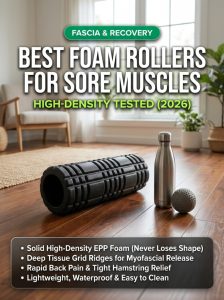
Foam rolling can be your best friend for muscle recovery. It helps in releasing tension and improving blood flow. Start with the upper back roll. Lie on your back with a foam roller under your shoulder blades. Cross your arms and slowly roll up and down. Another technique is the side roll. Lie on your side with the foam roller under your armpit. Roll gently from your ribs to your upper arm. This targets the lateral muscles, often tight after shoulder workouts. Have you tried foam rolling yet? It’s like giving yourself a deep tissue massage, helping to break up knots and improve flexibility. Incorporate these recovery tips into your routine, and you’ll notice a difference in how your shoulders feel and perform. Remember, recovery is just as important as the workout itself. Are you giving your shoulders the care they deserve?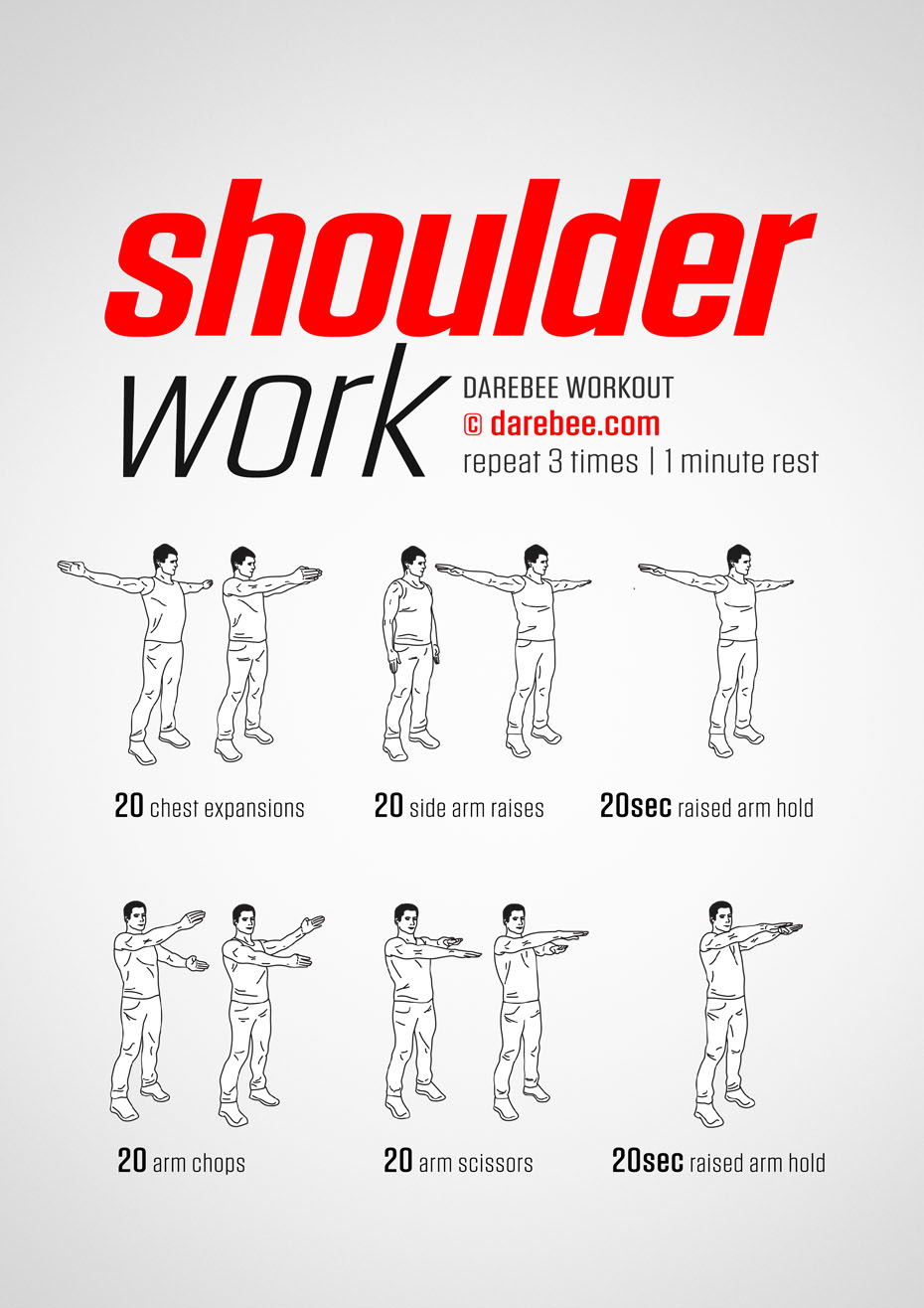
Credit: darebee.com
Tracking Progress
Tracking progress is crucial in any workout routine, including shoulder exercises without equipment. It keeps you motivated and helps you adjust your routine for better results. Monitoring your progress ensures you’re on the right path toward achieving your fitness goals.
How To Track Your Shoulder Workout Progress
Start by keeping a workout journal. Write down the number of sets and reps you complete each day. Note any changes in your strength or endurance. Seeing improvements can boost your confidence.
Using Photos To Monitor Changes
Take photos of your shoulders regularly. Compare them over time. Visual evidence can be encouraging. It shows physical changes that might not be obvious at first.
Setting Realistic Goals
Set achievable goals to keep yourself motivated. Aim for gradual improvements rather than drastic changes. Celebrate small victories to maintain enthusiasm.
Listening To Your Body
Pay attention to how your shoulders feel. Notice any soreness or discomfort. Adjust your routine if necessary. This helps prevent injuries and ensures consistent progress.
Evaluating Strength Gains
Strength gains are a key indicator of progress. Track how your muscles feel during exercises. Increased ease in completing sets suggests improvement. Keep challenging yourself for continued growth.

Credit: www.youtube.com
Frequently Asked Questions
How Can I Build My Shoulders Without Weights?
Perform push-ups, pike push-ups, and handstand push-ups to build shoulder strength. Incorporate plank-to-downward dog and arm circles. Maintain consistency and proper form for effective results.
How Can I Make My Shoulders Bigger At Home?
Use bodyweight exercises like push-ups, pike push-ups, and dips. Increase resistance with water bottles or resistance bands. Maintain consistent workouts and proper nutrition to support muscle growth.
Are 3 Exercises Enough For The Shoulder?
Three exercises can effectively target shoulder muscles. Focus on compound movements like shoulder presses, lateral raises, and face pulls. Ensure proper form and gradually increase weights for optimal results. Consistency and variety in your routine can enhance overall shoulder strength and development.
What Is The Best Shoulder Workout At Home?
The best shoulder workout at home includes push-ups, pike push-ups, and resistance band lateral raises. Incorporate dumbbell shoulder presses and front raises for added intensity. Ensure proper form to maximize results and prevent injury. Consistency is key for effective shoulder strengthening.
Conclusion
Embrace the power of home workouts for your shoulders. No equipment needed. Just dedication and consistency. Bodyweight exercises like push-ups and planks can build strength. They also improve flexibility and endurance. Try different variations to keep things exciting. Consistency is key for seeing results.
Always warm up before starting. Cooling down is equally important to prevent injuries. Listen to your body and rest when needed. Gradually increase intensity as you progress. Enjoy the benefits of a stronger, more defined upper body. Fitness is a journey, not a race.
Keep pushing forward. You got this!