Affiliate Disclosure: This post may contain affiliate links. If you purchase through links on our site, we may earn an affiliate commission at no extra cost to you.
Are you on a quest to shed those extra pounds and wondering if white rice can be part of your diet? You’re not alone.
With so much information available, it’s easy to feel overwhelmed and confused about what foods are truly beneficial for weight loss. White rice often gets a bad rap, but is that reputation really deserved? Could it actually help you achieve your weight loss goals, or is it more of a hindrance?
Understanding the role white rice plays in your diet could be the game-changer you need. Dive into this article to uncover the surprising truths about white rice and weight loss, and discover how it could fit into your healthy lifestyle.
Nutritional Profile Of White Rice
White rice is a staple food in many cultures. It’s often chosen for its versatility. But how does it fit into a weight loss plan? Understanding its nutritional profile can help make informed decisions.
Carbohydrate Content
White rice is high in carbohydrates. One cup contains about 45 grams. Carbs are the body’s main energy source. They are essential for daily activities. But too many carbs can impact weight loss efforts.
Glycemic Index
The glycemic index measures how fast foods raise blood sugar. White rice has a high glycemic index. This means it can spike blood sugar quickly. Rapid spikes can lead to hunger soon after eating. This might hinder weight loss progress.
Caloric Value
White rice is calorie-dense. One cup provides about 200 calories. Calories are vital for energy. But consuming more than needed can lead to weight gain. Balancing calorie intake with output is key.
White Rice And Metabolism
White rice often gets a bad reputation in weight loss discussions. Yet, its role in metabolism might surprise you. Understanding how white rice interacts with your body can shed light on its effects.
Metabolism involves all the chemical reactions in your body. These processes convert food into energy. The type of food you eat plays a role. Let’s delve into how white rice influences metabolism.
Impact On Insulin Levels
Insulin regulates blood sugar levels. White rice has a high glycemic index. This means it can cause a quick spike in blood sugar. Rapid increases in insulin may lead to energy storage. This is why some believe white rice contributes to weight gain.
Yet, the context matters. Eating white rice with protein or fiber slows down digestion. This helps manage insulin levels. It reduces the rapid spike in blood sugar. Balanced meals make a difference.
Energy Expenditure
White rice provides quick energy. This is important for those who are active. Exercise increases energy expenditure. It can help burn the calories from white rice. The key is balancing intake with activity level.
Not all calories are equal. White rice fuels your body efficiently. When paired with physical activity, it supports metabolism. Active individuals can benefit from its energy boost.
Portion Control And Weight Management
White rice can be part of a weight loss plan. The key lies in portion control. Eating the right amount helps manage calorie intake. This can lead to weight loss over time. Understanding serving sizes and calorie counting is crucial. Let’s explore these aspects.
Serving Sizes
Choosing the correct serving size is important. A typical serving is half a cup of cooked rice. This portion is manageable and supports a balanced diet. Avoid large portions, which can add extra calories.
Using a measuring cup is helpful. It ensures you stick to the right amount. Eating smaller portions can aid in weight management. It prevents overeating and keeps calorie intake in check.
Calorie Counting
White rice contains calories that need tracking. Half a cup of cooked rice has about 100 calories. Counting calories helps maintain a daily limit. This practice supports weight loss goals.
Keep a food journal to note your intake. It helps you stay aware of your calorie consumption. Knowing the calorie content of white rice aids in managing your diet. It encourages mindful eating and portion control.
White Rice In Different Diet Plans
Exploring weight loss options often leads to white rice. Its low-calorie content fits various diet plans. Portion control is key for effective results.
White rice is a staple in many diets worldwide. Its role in weight loss varies across different diet plans. Some embrace it, while others restrict it. Understanding its place can help you make informed choices.
Low-carb Diets
Low-carb diets often limit white rice. They focus on reducing carbohydrate intake. White rice, being high in carbs, is typically avoided. Those on ketogenic or Atkins diets might skip it. They prefer foods with lower glycemic indexes. Alternatives like cauliflower rice are common in low-carb plans.
Balanced Diet Approaches
Balanced diets include a variety of foods. They emphasize portion control and nutrient diversity. White rice can fit into a balanced diet. It provides quick energy and is easy to digest. Pairing it with vegetables and proteins creates a wholesome meal. Monitoring portion sizes ensures it supports weight goals. `
Substitutes And Alternatives
White rice is a staple in many diets. Yet, its role in weight loss is often questioned. Substitutes and alternatives to white rice offer healthier options. They provide more nutrients and can aid weight management.
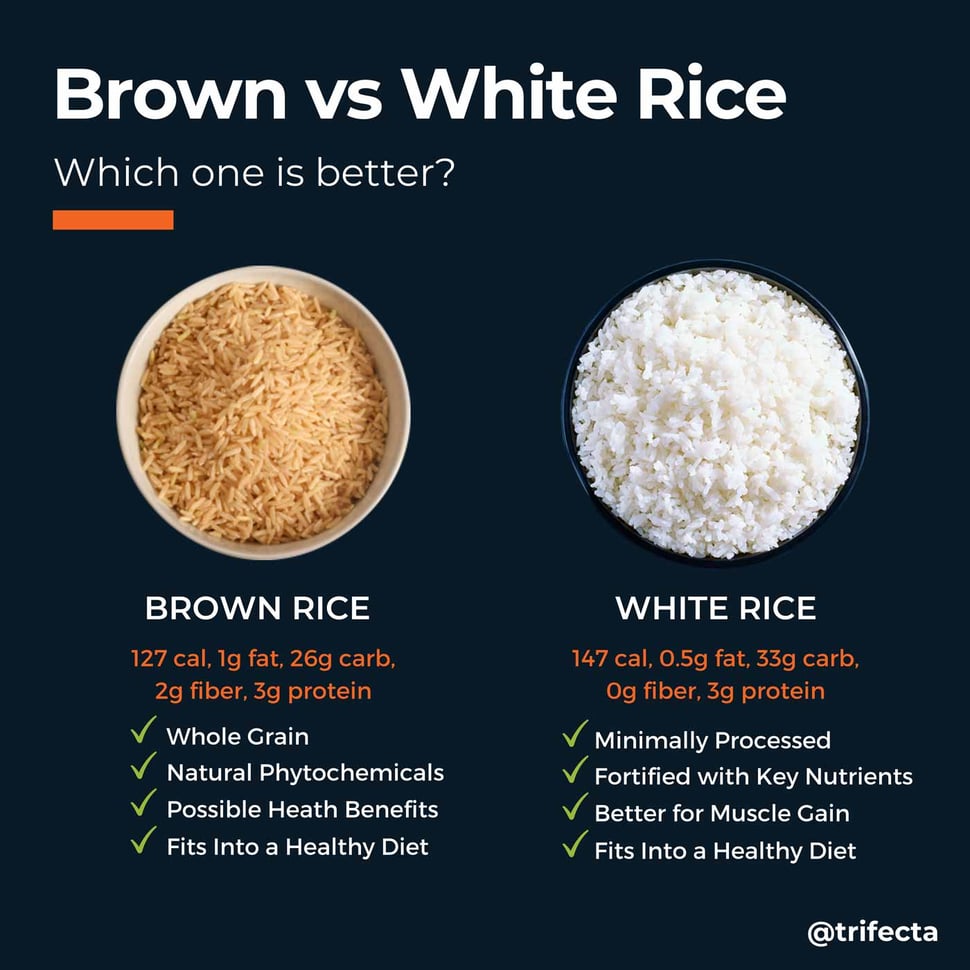
Brown Rice
Brown rice is a whole grain. It retains its bran and germ layers. This keeps more nutrients intact. It is rich in fiber and essential minerals. Brown rice has a lower glycemic index than white rice. This helps control blood sugar levels. It also promotes satiety, reducing hunger pangs.
Quinoa
Quinoa is a popular superfood. It is rich in protein and fiber. Quinoa is gluten-free and easy to cook. It contains all nine essential amino acids. This makes it a complete protein source. Quinoa aids digestion and keeps you full longer. It is versatile and fits into many dishes.
Cauliflower Rice
Cauliflower rice is a low-carb alternative. It is made from grated cauliflower. This vegetable is high in vitamins C and K. Cauliflower rice is low in calories. It is a great choice for weight loss. This substitute adds bulk to meals without extra calories. It is easy to prepare and tastes great.
Cultural Perspectives On Rice Consumption
White rice is a staple in many cultures. Some people eat it to lose weight because it’s low in fat. Others believe it adds calories and prefer brown rice for weight loss. Different cultures have different views on rice and its effects on health.
Rice is a staple in many diets worldwide. Its role varies across cultures. Understanding these differences can shed light on its impact on weight loss. Some cultures view rice as a primary food source. Others see it as a side dish. This contrast highlights diverse dietary approaches and preferences.
Asian Diets
In Asia, rice is a daily staple. It’s central to meals and traditions. Many Asian diets revolve around rice. It provides energy and sustenance. People consume it in large quantities, often with vegetables and proteins. Despite high rice consumption, obesity rates are lower. This may be due to balanced meals and active lifestyles. It also reflects a strong cultural emphasis on portion control.
Western Diets
In Western countries, rice is less prominent. It’s often a side dish or part of specific cuisines. Western diets include more bread and pasta. Rice is viewed as a carb source, sometimes avoided in diets. The focus is more on protein and low-carb meals. This approach may influence perceptions of rice’s role in weight management. Westerners may consume rice less frequently, impacting its nutritional role. `
Scientific Studies And Findings
White rice can fit into a weight loss plan if portion size is controlled. It is low in fat and easy to digest. Pairing with high-protein foods may enhance its benefits for weight management.
Scientific studies have long debated whether white rice is a friend or foe in the world of weight loss. Some research suggests that it can be part of a healthy diet, while others point to its potential drawbacks. So, what does the science actually say? Let’s dive into the findings to understand how white rice may impact your weight loss journey.
Research On Weight Loss
Several studies have explored the relationship between white rice consumption and weight management. In some research, participants who included white rice in their diets did not experience significant weight gain. This suggests that, when eaten in moderation, white rice might not be detrimental to your weight loss goals. One study conducted in Japan, where white rice is a staple, found that people who ate rice daily had lower obesity rates compared to those who did not. Could cultural and dietary patterns influence these outcomes? It’s a question worth pondering as you consider your own eating habits. However, other research indicates that high consumption of white rice can lead to weight gain. The key takeaway seems to be balance—integrating white rice into a diet that includes plenty of vegetables, lean proteins, and fiber-rich foods might offer the best results.
Health Benefits
White rice is often criticized for being a simple carbohydrate, but it does come with its own set of health benefits. It provides a quick source of energy, which can be especially useful if you’re exercising regularly. Including it in your meal plan might help fuel your workouts and support muscle recovery. It also contains essential nutrients like thiamine and niacin, which play a role in energy production and overall cellular function. This makes white rice more than just empty calories; it can be a valuable part of a balanced diet. Have you ever noticed how comforting a bowl of warm white rice can be? This simple pleasure might contribute to dietary satisfaction, potentially reducing the urge to overeat. Maintaining a healthy weight often involves not just what you eat, but how you feel about your meals. When considering white rice in your weight loss plan, think about portion sizes and what you’re pairing it with. Could swapping out your usual side for a smaller portion of rice help you feel more satisfied without overindulging? Your personal experience with food is as valuable as scientific findings in crafting a diet that works for you.
Practical Tips For Including White Rice
White rice can be part of a weight loss plan. It’s affordable and quick to cook. Many people worry about its carb content. With smart choices, white rice can fit in a balanced diet. Consider portion sizes and pair it with nutrient-rich foods.
Meal Planning
Plan meals to include white rice wisely. Measure portions to avoid overeating. Use a food scale for accuracy. Prepare rice ahead of time for easy meals. Store in the fridge and reheat when needed. Combine with lean proteins like chicken or fish. This creates balanced meals with essential nutrients.
Combining With Vegetables
Vegetables add nutrients to white rice meals. Mix steamed or roasted veggies with rice. Choose colorful vegetables for more vitamins. Bell peppers, broccoli, and carrots are great choices. They add flavor and texture. Season with herbs and spices for taste. This makes meals satisfying and healthy.
Frequently Asked Questions
Can I Eat White Rice While Losing Weight?
Yes, you can eat white rice while losing weight. Focus on portion control and balance it with vegetables and protein. Choose whole grains for added nutrients and fiber. Integrating exercise and a balanced diet supports weight loss. Always consider individual dietary needs and consult with a nutritionist.
Is White Rice Bad For Losing Weight?
White rice is not inherently bad for weight loss. It’s low in fat and easy to digest. However, it is high in carbohydrates, which can lead to weight gain if consumed excessively. Portion control is key. Pairing white rice with vegetables and proteins can create a balanced meal.
Can White Rice Fit Into A Weight Loss Diet?
Yes, white rice can fit into a weight loss diet. Portion control is crucial. Opt for smaller servings and balance your plate with vegetables and lean proteins. This helps maintain a calorie deficit, which is essential for weight loss. Choose whole grains occasionally for added fiber.
How Does White Rice Affect Metabolism?
White rice is easily digestible and provides quick energy. It has a high glycemic index, leading to rapid sugar spikes. This might affect blood sugar levels and hunger. However, its impact on metabolism varies per individual. Combining it with protein and fiber can help stabilize blood sugar.
Conclusion
White rice can be part of a weight loss plan. Portion control is key. Balance it with proteins and vegetables. Choose whole grains sometimes. Brown rice offers more nutrients. White rice is not bad. It’s about how you eat it.
Mix it with healthy choices. Watch your overall diet. Exercise helps too. Listen to your body. Find what works best for you. Everyone is different. A balanced approach is best. Enjoy your meals. Keep your goals in mind. Stay motivated and focused.