Affiliate Disclosure: This post may contain affiliate links. If you purchase through links on our site, we may earn an affiliate commission at no extra cost to you.
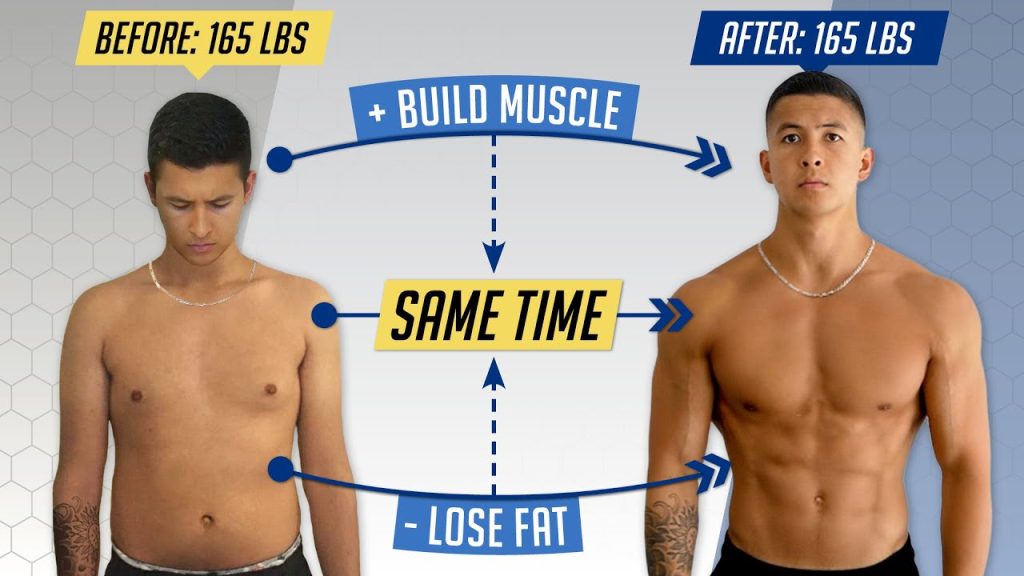
Is it possible to lose fat and build muscle at the same time? If you’ve ever pondered this question, you’re not alone.
This goal seems like a fitness holy grail, one that promises a toned physique and improved health. But how do you achieve it without feeling overwhelmed or giving up halfway? Imagine looking in the mirror and seeing a lean, strong, and confident version of yourself.
This transformation might sound daunting, but what if it could be simpler than you think? By understanding the right strategies and making small, effective changes, you can unlock the secret to simultaneously shedding fat and building muscle. We’ll delve into the science and strategies behind achieving this coveted balance. You’ll discover practical tips that fit into your lifestyle, without requiring extreme diets or grueling workouts. Ready to transform your body and boost your confidence? Keep reading to learn how you can make this dream a reality.
Understanding Body Composition
Understanding body composition is crucial when aiming to lose fat and build muscle. Your body’s makeup isn’t just about weight; it’s about the ratio of fat to muscle. Having this knowledge can help you set realistic goals and track your progress effectively.
Have you ever wondered why two people with the same weight can look entirely different? It all boils down to body composition. It’s the reason you might weigh more after strength training but look leaner. Let’s dive into how this works.
The Basics Of Body Composition
Your body composition is the percentage of fat, bone, water, and muscle in your body. Muscle tissue is denser than fat. This is why someone with a higher muscle mass can weigh more yet appear slimmer. Imagine it like a suitcase filled with dense items; it weighs more but takes up less space.
Understanding these basics can guide you in reshaping your body. You might notice your clothes fitting better even if the scale doesn’t budge. This is a sign that your body composition is changing for the better.
Why Muscle Matters
Building muscle isn’t just about aesthetics. Muscle plays a significant role in boosting your metabolism. The more muscle you have, the more calories your body burns at rest. This means you can eat more without gaining fat.
Think of muscle as your body’s engine. A stronger engine burns more fuel. So, by focusing on muscle growth, you’re giving your body the tools it needs to burn fat more efficiently.
Tracking Your Progress
How do you measure body composition changes? Besides the scale, use methods like bioelectrical impedance scales or DEXA scans. These tools provide a detailed look at your fat and muscle percentages. It’s like getting a report card that tells you how your body is reshaping.
You can also use simple methods like taking body measurements or photos. These offer visual proof of your progress. As your waistline shrinks and your muscles tone up, you’ll see the transformation happening.
Making It Work For You
Set specific goals for muscle gain and fat loss. Focus on workouts that incorporate both strength training and cardio. This combination is effective for changing body composition. Are you ready to see real change?
Nutrition is also key. Ensure your diet supports muscle growth while aiding fat loss. Balance your protein, carbs, and fats wisely. These small adjustments can lead to big changes in your body composition.
Now, ask yourself: How will you track your progress and set your goals? Understanding body composition is the first step to achieving the physique you desire. The journey is personal, and you hold the power to shape it.
The Science Behind Fat Loss
The science behind fat loss is fascinating and essential to understand. It involves complex interactions within your body. Knowing how your body burns fat can help in achieving fitness goals. By exploring key concepts, you can better grasp the mechanisms of fat loss.
Caloric Deficit
Creating a caloric deficit is crucial for fat loss. This means burning more calories than you consume daily. Your body uses stored fat for energy when in a caloric deficit. Tracking calorie intake helps manage this balance effectively. Regular exercise aids in creating a larger deficit. Monitoring your caloric intake can lead to successful fat loss.
Role Of Metabolism
Metabolism plays a significant role in how your body burns fat. It is the process of converting food into energy. A faster metabolism burns calories more efficiently. Some factors affect metabolism, such as age and muscle mass. Building muscle can boost your metabolic rate. A higher metabolism helps in losing fat over time.
Impact Of Diet
Diet greatly impacts fat loss. Choosing the right foods is vital. Proteins, healthy fats, and complex carbs aid in fat loss. They provide energy and sustain muscle growth. Avoiding processed foods can improve results. Balanced diets support overall health and effective fat burning. Proper nutrition is key to achieving and maintaining fat loss.
Mechanisms Of Muscle Growth
Muscle growth involves complex biological processes where fibers repair and enlarge. Losing fat while building muscle requires balancing diet and exercise. Strength training boosts metabolism, helping to burn fat and enhance muscle development.
Understanding the mechanisms of muscle growth can be a game-changer in your fitness journey. You might wonder how to lose fat while building muscle simultaneously. The answer lies in grasping how muscles grow and the factors that fuel this growth. Whether you’re lifting weights or focusing on nutrition, knowing the science behind muscle growth can empower you to make informed decisions that drive results.
Hypertrophy Explained
Hypertrophy is the process where muscle fibers increase in size. This happens when you challenge your muscles beyond their normal capacity. As you lift heavier weights or do more reps, microscopic tears occur in your muscle fibers. Your body repairs these tears, and that’s how muscles grow larger and stronger. You don’t have to be a bodybuilder to see results; consistency is key. Aim for gradual increases in your workout intensity. Remember, even small increments in weight or repetition can lead to significant growth over time.
Importance Of Protein
Protein plays a crucial role in muscle repair and growth. When you consume enough protein, you provide your body with the building blocks it needs to rebuild muscle tissue. Think of protein as the fuel your muscles need after a workout. Incorporate protein-rich foods into your meals. Consider lean meats, beans, and eggs. If you find it challenging to eat enough protein, a high-quality protein shake can be a convenient alternative. Are you hitting your protein targets daily? Tracking your intake can help you stay on course.
Strength Training Basics
Strength training is essential for muscle growth. It involves exercises like squats, deadlifts, and bench presses that target various muscle groups. These exercises not only build muscle but also increase your metabolism, aiding fat loss. Start with manageable weights, focusing on form and technique. As you become comfortable, gradually increase the weight. Create a routine that challenges you without compromising safety. What’s your current workout routine? Could adding more strength exercises improve your results? Embracing these mechanisms can transform your fitness approach. By understanding hypertrophy, prioritizing protein, and practicing strength training, you’re setting yourself up for success.
Can You Lose Fat And Gain Muscle Simultaneously?
Burning fat while building muscle is possible. A balanced diet and strength training help achieve this dual goal. Focus on protein-rich foods and regular workouts to see results.
Have you ever wondered if you can lose fat and gain muscle at the same time? It’s a question that many fitness enthusiasts often ponder. The good news is, yes, it is possible! While it might seem like a tough challenge, with the right approach, you can achieve both goals simultaneously. Understanding how this works and setting realistic expectations can make this journey more manageable.
Body Recomposition Defined
Body recomposition refers to the process of losing fat and building muscle at the same time. It’s about changing the ratio of fat and muscle in your body. Instead of focusing solely on weight loss, you aim to improve your body composition. This process is more about changing your body shape and less about the number on the scale. When you achieve body recomposition, you’ll likely look leaner and more toned. Your clothes might fit better, and you’ll notice more definition in your muscles.
Factors Influencing Success
Several factors can influence how successfully you can lose fat and gain muscle. Your diet is crucial. Eating enough protein supports muscle growth while also helping you feel full, which can aid in fat loss. Exercise, of course, plays a significant role. Combining strength training with cardio can maximize your results. Your starting point also matters—if you’re new to exercise, you might see faster changes than someone who’s been training for years. Consistency is key. It’s not about perfection, but making regular efforts towards your goals. Are you maintaining a balanced lifestyle that includes rest, recovery, and stress management?
Realistic Expectations
Setting realistic expectations is vital to avoid disappointment. Change won’t happen overnight, and that’s okay. Small, consistent progress is more sustainable and healthier in the long run. Celebrate the small wins. Notice how your strength increases or how you feel more energetic. These are signs that you’re on the right track. Ask yourself: are you patient with your progress? Remember, every individual is unique, and your body will respond at its own pace.
Effective Strategies For Recomposition
Are you caught in the dilemma of wanting to lose fat while simultaneously building muscle? Many believe it’s impossible to achieve both goals at once, but with effective strategies, recomposition is within reach. It’s about finding the right balance in your nutrition, optimizing your workout routine, and understanding the importance of rest and recovery. Let’s dive into these strategies to help you get the body you desire.
Balanced Nutrition Plan
Your nutrition plays a crucial role in body recomposition. You need to consume enough protein to support muscle growth while managing your calorie intake to promote fat loss. Aim for lean protein sources like chicken, fish, and legumes. Don’t forget the power of healthy fats found in avocados and nuts, which can keep you feeling full. Track your macros and adjust them based on your progress. Have you ever noticed how a slight change in diet can make a big difference in energy levels? It’s not magic; it’s strategy.
Optimized Workout Routine
An effective workout routine is your ally in recomposition. Focus on strength training to build muscle. Compound exercises like squats and deadlifts are your best friends. They engage multiple muscle groups and burn more calories. Mix in high-intensity interval training (HIIT) to boost your metabolism. Are you challenging yourself enough in your workouts? Push your limits, but ensure you’re using proper form to prevent injuries.
Rest And Recovery Importance
Rest isn’t just a break; it’s a necessity for growth. Your muscles repair and grow stronger during recovery. Prioritize sleep, aiming for 7-9 hours a night. It’s not just about quantity but quality too—ensure your sleep environment is conducive to rest. Incorporate rest days into your workout plan. Have you ever felt the difference in your performance after a good night’s sleep? Recovery is the secret weapon in your recomposition strategy.
Achieving fat loss and muscle gain simultaneously is challenging, but with a strategic approach, it’s entirely possible. Adjust your nutrition, push yourself in workouts, and never underestimate the power of recovery. Are you ready to embrace these strategies for a better you?
Common Myths And Misconceptions
Trying to lose fat and build muscle simultaneously can be a confusing journey, often clouded by myths and misconceptions. You might have heard conflicting advice from different sources, leaving you puzzled about what’s actually true. Let’s set the record straight on some of the most common myths that could be holding you back.
Spot Reduction Myth
Many people believe that you can lose fat from a specific body part by exercising that area more. This is the spot reduction myth. If you’ve been doing endless crunches hoping to melt away belly fat, you’re not alone. The reality? Fat loss happens throughout the body, not just in the area you’re working out.
Instead of focusing on one body part, aim for a well-rounded workout routine. Combine cardio, strength training, and a balanced diet to see overall body fat reduction. Remember, your body decides where it loses fat first, not you.
Cardio Vs. Strength Training
Cardio is often hailed as the ultimate fat-burning workout, but is it better than strength training for losing fat and building muscle? The truth is, both play a crucial role. Cardio helps burn calories, but strength training builds muscle, increasing your resting metabolic rate.
Think about it: more muscle means you burn more calories even when you’re not working out. A combination of both cardio and strength training is the most effective way to transform your body composition. Don’t choose one over the other—embrace both!
Supplements And Quick Fixes
In a world of quick fixes and miracle pills, it’s tempting to look for shortcuts. But relying solely on supplements to lose fat and build muscle is a common misconception. Supplements can support your fitness journey, but they can’t replace hard work and dedication.
Ask yourself: are you looking for a magic solution or are you ready to commit to consistent effort? Focus on a nutritious diet and regular exercise first. Supplements should complement, not replace, these fundamental practices. Remember, there’s no substitute for putting in the work.
Have you fallen for any of these myths before? Understanding the truth can save you time and effort. What changes will you make to your fitness routine today?
Success Stories And Case Studies
Discover inspiring stories of individuals who successfully lost fat and built muscle. Real-life examples show it is achievable. Strategies and dedication lead to impressive transformations, proving both goals can be met simultaneously.
Success stories can often inspire us more than theories or expert advice. Hearing about real people who’ve successfully lost fat and built muscle can motivate you to start your own journey. These stories often reveal practical insights and strategies that you can apply to your own routine.
John’s Transformation Journey
John was a 35-year-old office worker who decided to change his lifestyle. Tired of feeling sluggish, he started small by walking during lunch breaks and cutting out sugary drinks. Within a year, he had shed 30 pounds of fat and gained lean muscle. He focused on strength training three times a week and adjusted his diet to include more protein. His success shows that consistency and small changes can have a big impact. Are you ready to take the first step?
Susan’s Remarkable Story
Susan, a busy mom of two, managed to transform her body while juggling a hectic schedule. She set a realistic goal of losing 20 pounds in six months. By meal prepping on weekends and doing quick, effective home workouts, she exceeded her goal. Her story proves that even with limited time, you can achieve your fitness goals. What small changes can you make in your daily routine?
Mark And Emily’s Couple Challenge
Mark and Emily decided to embark on a fitness journey together. They set a challenge to both lose fat and gain muscle over 12 weeks. They supported each other by cooking healthy meals and working out together. Their combined effort not only improved their health but also strengthened their relationship. Could finding a workout buddy boost your motivation?
Case Study: The Corporate Wellness Program
A company introduced a wellness program encouraging employees to lose fat and build muscle. Participants were given access to gym facilities and nutrition workshops. Over six months, the average participant lost 10 pounds and gained noticeable muscle mass. This case study highlights the importance of community support and resources in achieving fitness goals. How can you leverage your surroundings to support your journey?
Conclusion: Your Potential Success Story
These stories showcase diverse paths to achieving fat loss and muscle gain. They remind us that it’s possible, no matter your lifestyle or commitments. What will your success story look like?
Expert Tips And Advice
Achieving the balance between losing fat and building muscle is often challenging. Many seek expert guidance to navigate this path effectively. Professionals offer valuable insights that can simplify the process. Their advice can help transform your fitness journey.
Personal Trainer Insights
Personal trainers emphasize the importance of strength training. Lifting weights helps build muscle while burning calories. Consistency in workouts is crucial. Trainers suggest focusing on compound exercises. These exercises target multiple muscle groups at once. They recommend gradually increasing weights to challenge muscles. Rest days are equally important for recovery.
Dietitian Recommendations
Dietitians highlight the role of nutrition in fitness goals. Protein intake is essential for muscle growth. Lean meats, eggs, and beans are excellent protein sources. Balanced meals with carbs, fats, and proteins aid in fat loss. Monitoring portion sizes prevents overeating. Dietitians advise staying hydrated. Water supports metabolism and muscle function.
Psychological Motivation
Mental strength is key in achieving fitness goals. Setting realistic and achievable goals boosts motivation. Tracking progress keeps you focused. Celebrating small victories encourages continued effort. Visualizing success can reinforce commitment. Support from friends or groups can enhance motivation. Positive self-talk helps maintain a driven mindset.
Credit: healthyeater.com
Frequently Asked Questions
Can I Build Muscle And Lose Fat At The Same Time?
Yes, you can build muscle and lose fat simultaneously. Focus on strength training and a balanced diet. Ensure adequate protein intake and maintain a slight calorie deficit. Prioritize sleep and recovery. Consistency and patience are crucial for achieving both goals effectively.
At What Age Is It Hardest To Lose Weight?
Losing weight is hardest between ages 40 and 60. Metabolism slows down, and muscle mass decreases. Hormonal changes also contribute to weight gain. Prioritizing a balanced diet and regular exercise helps manage weight effectively.
Which Body Part Loses Fat First?
The body loses fat in a genetically predetermined pattern. Usually, fat loss starts in areas with less fat. Commonly, the face, arms, and legs show noticeable changes first. Each person’s fat loss journey is unique, and factors like genetics and lifestyle play a significant role.
Can I Lose Fat But Keep Muscle?
Yes, you can lose fat and maintain muscle with a balanced diet and strength training. Prioritize protein intake and engage in regular resistance workouts. Ensure a calorie deficit that’s not too extreme to preserve muscle mass. Stay consistent with your routine for effective results.
Conclusion
Yes, you can lose fat and build muscle simultaneously. Balance is key. Focus on a healthy diet and regular exercise. Strength training boosts muscle growth. Cardio helps burn fat. Consistency matters. Progress takes time and patience. Stay motivated and adjust your goals as needed.
Listen to your body and allow rest. Hydrate well and eat enough protein. Small changes lead to big results. Celebrate each success. Remember, it’s a journey, not a sprint. Keep learning and improving. Your body will thank you.