Affiliate Disclosure: This post may contain affiliate links. If you purchase through links on our site, we may earn an affiliate commission at no extra cost to you.
Are you tired of endless diets and workouts that just don’t deliver the results you want? You’re not alone.
Many women face the challenge of trying to lose fat while also building muscle, and it can be downright frustrating. But what if you could unlock the secrets to achieving both goals simultaneously? Imagine feeling stronger, more confident, and finally seeing the transformation you’ve been dreaming of.
You’ll discover proven strategies tailored specifically for women to help you effectively lose fat and build muscle. Get ready to dive into practical tips and insights that will not only transform your body but also boost your self-esteem. Your journey to a healthier, fitter you starts right here. Keep reading to find out how!
Setting Realistic Goals
Setting realistic goals is crucial for women seeking to lose fat and build muscle. Clear, achievable targets help maintain motivation and track progress effectively. Without realistic goals, efforts may falter, leading to frustration. A well-defined plan keeps the journey focused and rewarding.
Understanding Your Body
Every woman’s body is unique. Recognize your natural shape and metabolism. This helps set achievable targets. Consider factors like age, current fitness level, and lifestyle. These aspects affect how your body responds to training and diet.
Define Specific Objectives
Start by setting specific, measurable goals. Decide how much fat to lose or muscle to gain. Use numbers to track progress. This makes achievements visible and motivating. For instance, aim to lose five pounds in one month.
Set Short And Long-term Goals
Break down your objectives into short and long-term goals. Short-term goals provide quick wins. They keep the momentum going. Long-term goals outline your ultimate vision. Both types of goals are essential for sustained progress.
Be Flexible
Life is unpredictable. Allow room for adjustments in your goals. Flexibility prevents discouragement and keeps you on track. If circumstances change, adapt your plan. Being flexible supports long-term success.
Celebrate Small Wins
Recognize each step forward. Small victories boost confidence and motivation. Celebrate achievements like hitting a new personal best in squats. These moments fuel your journey and make it enjoyable.
Seek Professional Guidance
Consult a fitness coach or nutritionist. Professionals provide tailored advice. Their expertise helps set realistic and safe goals. Guidance ensures your plan is effective and aligned with your body’s needs.
Credit: julielohre.com
Understanding Body Composition
Understanding body composition is crucial for anyone looking to lose fat and build muscle, especially for women. It involves more than just the numbers on the scale. By understanding what your body is made of, you can set realistic goals and track progress effectively. Let’s dive into what body composition really means and how it can guide your fitness journey.
What Is Body Composition?
Body composition refers to the proportion of fat, muscle, bone, and other tissues that make up your body. It’s different from body weight, which only tells you how much you weigh. Knowing your body composition can help you focus on losing fat while gaining muscle. A higher muscle mass boosts your metabolism and helps you burn more calories.
How Can You Measure Body Composition?
There are various methods to measure body composition. One common way is using a body fat scale, which estimates fat percentage. You might also consider skinfold calipers or bioelectrical impedance analysis. Each method has its pros and cons. Choose one that fits your lifestyle and budget. Remember, consistency in measurement is key to tracking progress accurately.
Why Should You Focus On Body Composition?
Focusing on body composition rather than just weight can lead to better health outcomes. Muscle is denser than fat, so you might not see drastic changes on the scale even as you lose fat. Consider how your clothes fit or your energy levels as indicators of success. You’ll feel stronger and more empowered, which is more rewarding than a number on a scale.
Personal Experience: A Journey To Better Health
A few years ago, I decided to focus on my body composition instead of losing weight. I started strength training and noticed my energy levels skyrocketing. My clothes fit better, and I felt more confident. This shift in focus taught me that muscle gain is as important as fat loss. It was a game-changer for my fitness journey. What small change will you make to improve your body composition today?
Practical Tips For Improving Body Composition
- Start strength training to build muscle.
- Eat a balanced diet with adequate protein.
- Track your progress using a reliable method.
- Stay hydrated and get enough sleep.
- Listen to your body and adjust your plan as needed.
Remember, improving your body composition is a marathon, not a sprint. Celebrate small victories along the way. Which of these tips will you apply first?
Importance Of Nutrition
Nutrition plays a pivotal role in your journey to lose fat and build muscle. It’s not just about what you eat but how you eat. The right balance of nutrients can accelerate your progress and enhance your overall health. Imagine feeling energized all day, seeing tangible results in the mirror, and enjoying every meal you prepare. This is the power of proper nutrition. Let’s dive into the essential components that will transform your diet into a powerful tool.
Macronutrients Explained
Macronutrients are the cornerstone of your diet. They include proteins, carbohydrates, and fats, each serving a unique purpose in your body. Proteins are your muscle-building allies, helping repair and grow your muscles after workouts. Carbohydrates are your energy source, fueling your workouts and daily activities. Fats are crucial for hormone balance and overall health. Consider how each meal can provide a balanced mix of these macronutrients to support your goals.
Meal Planning Tips
Effective meal planning can simplify your nutrition strategy. Start by setting aside a specific day each week for meal prep. This saves time and reduces the temptation to grab unhealthy options. Create a simple weekly menu that includes a variety of foods rich in the macronutrients you need. Try using a planner or app to track your meals. This not only keeps you organized but also helps you identify patterns and make adjustments.
Hydration’s Role
Never underestimate the power of hydration in your fitness journey. Water is essential for muscle function, digestion, and overall health. It helps transport nutrients to your cells and aids in recovery after workouts. Are you drinking enough water? Aim for at least 8-10 glasses a day, and listen to your body’s signals. Keeping a water bottle handy can be a game changer. Challenge yourself to drink a glass of water before every meal to ensure you’re staying hydrated.
Credit: redefiningstrength.com
Effective Workout Strategies
Effective workout strategies help women lose fat and build muscle. Focus on strength training and balanced nutrition. Prioritize consistency and proper rest for optimal results.
Are you ready to transform your body by losing fat and building muscle? Effective workout strategies are your secret weapon. These strategies help you achieve your fitness goals efficiently and sustainably. Let’s dive into some techniques that can make a real difference in your fitness journey.
Strength Training Basics
Strength training is the foundation of building muscle. It involves exercises like squats, deadlifts, and bench presses. Aim for 2-3 sessions per week to start seeing results. Use free weights and resistance bands to add variety. This not only challenges your muscles but also keeps workouts interesting. Remember, form is key to prevent injuries and maximize effectiveness. Don’t shy away from lifting heavier weights. It’s a common misconception that women will bulk up like bodybuilders; instead, you’ll sculpt and tone your muscles. Are you ready to feel stronger?
Cardio Vs. Strength Training
Cardio exercises, like running or cycling, are great for burning calories. However, relying solely on cardio can lead to muscle loss. It’s important to balance it with strength training. Strength training boosts your metabolism even when you’re not working out. This means you burn more calories throughout the day. Which one do you think sounds more effective for long-term fat loss? Mixing both cardio and strength training can help you achieve a leaner, stronger physique. Consider alternating days or combining shorter sessions of each in one workout.
High-intensity Interval Training
High-Intensity Interval Training (HIIT) is a game-changer. It involves short bursts of intense exercise followed by rest or low-intensity activity. This method burns fat efficiently and saves time. HIIT workouts can be done with or without equipment. Think sprints, jump squats, or burpees. They’re quick, challenging, and effective. Integrate HIIT into your routine a couple of times a week. You’ll notice improvements in both your cardiovascular fitness and muscle definition. Are you ready to take your workouts to the next level? By implementing these strategies, you’re setting yourself up for success. Remember, consistency is key. Are you excited to see the changes in your body and energy levels?
Role Of Rest And Recovery
Rest and recovery play a vital role in losing fat and building muscle. For females, balancing workouts with adequate rest can enhance results. Muscles grow and repair during rest, not during workouts. A well-structured recovery plan is crucial for progress. Let’s explore how sleep and active recovery techniques can help.
Importance Of Sleep
Sleep is essential for muscle recovery and fat loss. It helps repair muscle tissues and supports hormonal balance. Lack of sleep can hinder muscle growth and fat loss. Aim for seven to nine hours of quality sleep each night. Create a calming bedtime routine. Minimize screen time before bed. Keep your sleep environment dark and cool. Your body needs this rest to function optimally.
Active Recovery Techniques
Active recovery aids in muscle repair without intense exertion. It includes activities like walking, yoga, or light cycling. These activities increase blood flow to muscles. They also help reduce muscle soreness. Active recovery can be included on rest days. It keeps you moving without over-stressing your muscles. This balance supports muscle growth and fat loss.
Tracking Progress
Monitoring your fitness journey helps adjust workouts and diet plans effectively. Track your progress to identify what’s working. Set realistic goals to lose fat and build muscle.
Tracking your progress is crucial when aiming to lose fat and build muscle. It helps you stay motivated and shows you what works. Without tracking, you might feel like you’re going in circles. The right tools can turn your journey into a clear path.
Using Measurements
Taking measurements is one of the easiest ways to see change. Use a tape measure to track areas like your waist, hips, and thighs. Record these numbers regularly to see trends over time. Measurements can reveal progress even when the scale doesn’t move. It’s common to lose inches before seeing a drop in weight. This means you’re gaining muscle, which is great news for your metabolism.
Progress Photos
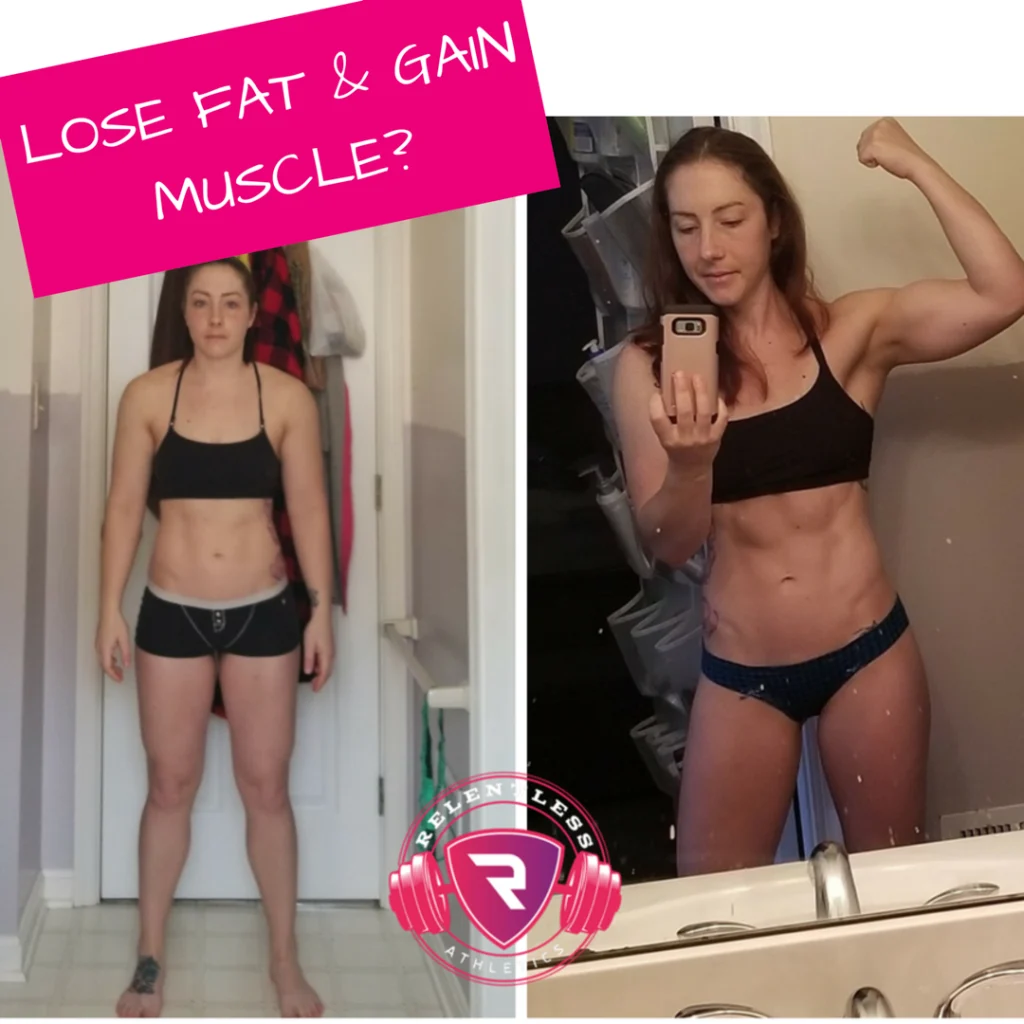
Photos capture what numbers can’t. Take pictures from the front, side, and back in the same outfit and lighting each time. Aim to take new photos every four weeks. Reviewing these photos can be eye-opening. You might notice muscle definition or fat loss that you hadn’t realized. This visual proof can be incredibly motivating and affirming.
Fitness Journals
A fitness journal is your personal roadmap. Record your workouts, meals, and even how you feel after exercising. This helps you identify patterns and make informed adjustments. You might discover, for instance, that you perform better after certain meals. Or, you may notice that your energy dips after a late night. Journaling provides these insights, helping you fine-tune your routine. Tracking progress turns abstract goals into tangible results. Which method will you try first? Each approach offers a unique perspective, so find what resonates with you and start documenting your journey.
Staying Motivated
Staying motivated is crucial when trying to lose fat and build muscle. Motivation keeps your energy high and your goals within reach. It transforms struggles into triumphs and setbacks into opportunities. A motivated mindset can significantly impact your fitness journey. Here are some practical ways to maintain that drive.
Setting Short-term Milestones
Set short-term milestones to keep your motivation alive. These small goals act as stepping stones to your larger objectives. For instance, aim to lift heavier weights every two weeks. Track your progress to see how far you’ve come. Achieving these milestones boosts your confidence and motivation.
Finding A Workout Buddy
Find a workout buddy to make your fitness journey enjoyable. A partner can keep you accountable and make workouts fun. Choose someone with similar fitness goals. Celebrate achievements together and support each other during challenges. A workout buddy can keep your spirits high.
Celebrating Small Wins
Celebrate small wins to keep your motivation strong. Each pound lost or muscle gained is a victory. Reward yourself with a favorite activity or treat. Recognizing these achievements keeps you motivated and focused. Small celebrations add joy to your fitness journey.
Overcoming Common Challenges
Embarking on a journey to lose fat and build muscle can be daunting. For many women, overcoming common challenges is key to success. Addressing these obstacles helps maintain progress and achieve fitness goals.
Dealing With Plateaus
Plateaus can halt progress unexpectedly. They occur when the body adapts to exercise routines. To overcome this, tweak your workout plan regularly. Introduce new exercises. This keeps your body guessing. Progress resumes when muscles face fresh challenges.
Nutrition also plays a role. Evaluate your diet for potential improvements. Ensure adequate protein intake. This supports muscle growth and repair. A balanced diet aids in breaking through plateaus effectively.
Balancing Lifestyle And Fitness
Balancing lifestyle and fitness requires careful planning. Busy schedules often make it tough to stick to routines. Prioritize your workout time. Treat it as a vital appointment. Consistency yields better results.
Consider short, intense workouts. They fit easily into tight schedules. Every bit of activity counts. Small changes lead to big improvements over time.
Support from family and friends helps too. Share your goals with them. Their encouragement boosts motivation. Achieving a healthy balance becomes more manageable with their support.
Frequently Asked Questions
How To Lose Fat And Gain Muscle As A Girl?
Focus on strength training and protein-rich diet. Balance workouts with cardio for fat loss. Prioritize rest and hydration. Adjust calorie intake to support muscle growth. Consistency is key for effective results.
What Should A Woman Eat To Lose Belly Fat And Gain Muscle?
Eat lean proteins like chicken, fish, and tofu for muscle growth. Include vegetables and whole grains for nutrients. Choose healthy fats like avocados and nuts. Drink plenty of water and avoid sugary drinks. Focus on portion control and balanced meals to support fat loss and muscle gain.
Will Building Muscle Burn Fat In Females?
Yes, building muscle can help females burn fat. Muscle tissue increases metabolic rate, promoting fat loss. Strength training boosts muscle growth, leading to more calories burned at rest. Combining muscle building with a balanced diet enhances fat-burning effects. Consistency in exercise and nutrition is key for effective fat loss.
Can Fat People Lose Weight And Gain Muscle At The Same Time?
Yes, fat people can lose weight and gain muscle simultaneously. Focus on strength training and a balanced diet. Prioritize protein intake and consistent exercise. This approach promotes fat loss while building muscle mass efficiently. Always consult a fitness professional for personalized guidance.
Conclusion
Achieving fat loss and muscle gain requires patience and dedication. Small changes lead to big results. Eat balanced meals and stay active regularly. Strength training helps build muscle over time. It’s important to listen to your body. Rest is crucial for recovery.
Set realistic goals and stay consistent. Progress might be slow, but it’s steady. Every workout counts. Celebrate small victories. Healthy habits create lasting change. Support from friends can motivate you. Stay focused and positive. You can reach your fitness goals with effort and persistence.
Your journey is personal. Keep moving forward.