Are you curious about how much weight you’ve really shed during your fitness journey? Understanding the percentage of your body weight loss can offer a clearer picture than just watching the numbers drop on your scale.
It’s not just about losing weight; it’s about grasping the impact it has on your body. By learning how to calculate this percentage, you can more accurately measure your progress, set realistic goals, and stay motivated. Imagine the satisfaction of knowing exactly how much of your starting body weight you’ve left behind! This knowledge can empower you to make informed decisions about your health and lifestyle.
Ready to unlock the secrets of your weight loss journey? Let’s dive in and discover how to figure out the percentage of your body weight loss.

Credit: www.researchgate.net
Basics Of Body Weight
Understanding the basics of body weight is essential for health. It helps in managing your fitness goals effectively. Body weight reflects your overall health and wellness. Knowing how to measure it accurately is crucial. It aids in tracking weight loss progress over time. Let’s dive into understanding body mass.
Understanding Body Mass
Body mass refers to the total weight of your body. This includes muscles, bones, fat, and water. It provides a snapshot of your health status. A healthy body mass means a balanced weight. It can prevent various health issues.
Calculating body mass helps in assessing your weight category. Body Mass Index (BMI) is a common measure. It compares your weight to your height. This helps in determining if you’re underweight, normal, or overweight.
Tracking body mass regularly is beneficial. It allows you to monitor changes over time. This helps in making necessary adjustments to your lifestyle. Maintaining a healthy body mass supports overall well-being.
Calculating Weight Loss
Figuring out the percentage of body weight loss is simple. Subtract current weight from starting weight. Divide the result by starting weight. Multiply by 100 to get the percentage. This helps track progress accurately.
Calculating weight loss can seem daunting, but breaking it down into simple steps makes it manageable. Understanding how much weight you’ve lost as a percentage of your starting weight can motivate you to stay on track. Knowing this percentage helps put your progress into perspective and can be a powerful tool in your weight loss journey.Simple Math Formula
Start with a basic calculation to figure out your weight loss percentage. Subtract your current weight from your starting weight. This gives you the total weight lost. Next, divide the weight lost by your starting weight. Multiply the result by 100 to get the percentage. For example, if you started at 200 pounds and now weigh 180 pounds, you’ve lost 20 pounds. Divide 20 by 200, which equals 0.1. Multiply by 100, and you’ve lost 10% of your body weight. This straightforward formula is a quick way to assess your progress. Keep a calculator handy, or jot down the steps for easy reference.Using Online Calculators
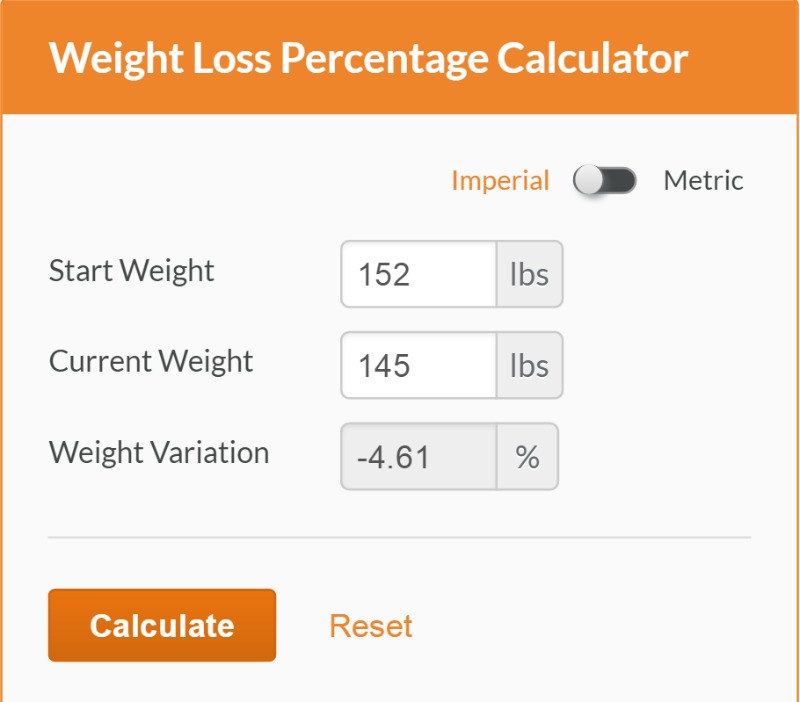
If math isn’t your thing, online calculators can simplify the process. Many websites offer free tools where you input your starting and current weight. These calculators do the math for you and display the percentage of weight loss in seconds. They’re user-friendly and save you time. Consider bookmarking a reliable calculator for easy access. It’s a great way to check your progress without the hassle of manual calculations. Do you find yourself struggling with math, or do you prefer the convenience of online tools? The choice is yours, and both methods lead to the same empowering insight. Monitoring your weight loss percentage can be a strong motivator. How will you use this knowledge to fuel your journey?Tracking Progress
Tracking your weight loss journey is crucial. It helps you stay motivated. Monitoring progress provides valuable insights into your efforts. You can adjust your approach based on results.
There are two effective methods to track weight loss. Weekly weigh-ins and body measurements. They offer a comprehensive view of your progress.
Weekly Weigh-ins
Weekly weigh-ins keep you informed. They show how your weight changes over time. Weigh yourself at the same time each week. Consistency is key for accurate results.
Use a reliable scale. Record your weight in a journal. Track changes and identify patterns. Note down fluctuations and trends. This information helps you understand your body better.
Body Measurements
Body measurements complement weigh-ins. They reveal changes in your physique. Measure various parts of your body. Focus on waist, hips, and thighs.
Use a tape measure. Record measurements consistently. Regular updates show progress beyond the scale. Measurements indicate fat loss and muscle gain. They provide a fuller picture of your success.
Both methods work together. They offer a complete view of your weight loss journey. Stay committed and track your progress for the best results.
Factors Influencing Weight Loss
Understanding the factors that influence weight loss can guide you on your journey to a healthier lifestyle. It’s not just about cutting calories; it’s about knowing how your body responds to different actions and decisions. By paying attention to these factors, you can better predict and track your weight loss progress.
Dietary Habits
Your food choices are crucial in shaping your weight loss journey. Are you mindful of what you eat or do you indulge in fast food regularly? Opt for whole foods like fruits, vegetables, and lean proteins that nourish your body. Try meal prepping to avoid unhealthy last-minute choices. Think about how small changes, like swapping soda for water, can make a big difference.
Exercise Routine
Exercise can be a game-changer in weight loss. Do you have a consistent workout routine or is your gym membership gathering dust? Find activities you enjoy, whether it’s cycling, jogging, or dancing. Regular exercise boosts metabolism and burns calories. Consider joining a group class to keep yourself motivated and accountable.
Metabolic Rate
Your metabolism plays a significant role in how quickly you lose weight. Do you know your metabolic rate? Some people naturally burn calories faster than others. Age, muscle mass, and genetics can influence this. If you have a slower metabolism, focus on building muscle through strength training to help increase calorie burn even at rest.
Have you considered how these factors are affecting your weight loss journey? By recognizing and adjusting these elements, you can set realistic goals and achieve them. Share your experiences and how these insights have shaped your approach to weight loss in the comments below.
Tips From Health Experts
Figuring out the percentage of body weight loss can be challenging. Health experts offer practical tips to simplify this process. Their guidance focuses on setting achievable goals and maintaining motivation. These steps are crucial in achieving your weight loss targets effectively.
Setting Realistic Goals
Start with small, attainable targets. Aim for losing 1-2 pounds per week. This approach is healthier and sustainable. Consider your lifestyle and daily routine. Factor these in when setting goals. Avoid setting extreme targets. Unrealistic goals lead to disappointment and frustration. Consult with a nutritionist or a fitness coach. They can help tailor realistic plans for you.
Staying Motivated
Keep track of your progress regularly. Use a journal or an app. Recording changes keeps you focused and inspired. Celebrate small victories along the way. Every pound lost is a step forward. Share your journey with friends or family. Their support boosts your morale. Join online communities for weight loss. They provide encouragement and useful tips.
Avoiding Common Mistakes
Tracking body weight loss can feel challenging. Mistakes might lead to frustration. Avoiding common mistakes ensures accurate results and maintains motivation. Focus on understanding how to measure progress accurately. This section highlights key errors to avoid.
Misinterpreting Scale Readings
Scales can be misleading. Daily weight changes often occur due to water retention. Muscle gain might also affect readings. Don’t rely solely on the scale. Consider weekly or bi-weekly measurements. This approach provides a clearer picture of weight trends.
Think about the scale as a tool. Not the entire story. Understand that muscle gain is positive. Muscle weighs more than fat. Yet takes up less space. This might show no change on the scale. But your body composition improves.
Overlooking Non-scale Victories
Non-scale victories often hold more value. Clothes fitting better indicates progress. Increased energy levels are another sign. Feeling stronger or more active counts too. These improvements matter as much as weight loss.
Celebrate these small wins. They boost confidence and keep motivation high. Recognizing non-scale victories enhances the journey. Helps maintain focus on overall health and wellness. Not just numbers on the scale.
Monitoring Health Indicators
Monitoring health indicators is crucial for understanding body weight loss. It helps you see progress and maintain health. Tracking various metrics can guide your journey. It’s not just about numbers on a scale. It’s about understanding what those numbers mean for your health.
Understanding Bmi
BMI stands for Body Mass Index. It measures body fat using height and weight. It’s a simple calculation. Divide your weight in kilograms by your height in meters squared. A healthy BMI ranges from 18.5 to 24.9. It’s a useful tool to assess if your weight is healthy.
BMI has its limits. It doesn’t consider muscle mass. Athletes may have a high BMI but low body fat. It’s one piece of the puzzle.
Other Health Metrics
Besides BMI, consider other health metrics. Waist circumference is one. It measures abdominal fat. Excess fat here links to higher health risks. Measure your waist at the narrowest part. Men should aim for under 40 inches. Women should aim for under 35 inches.
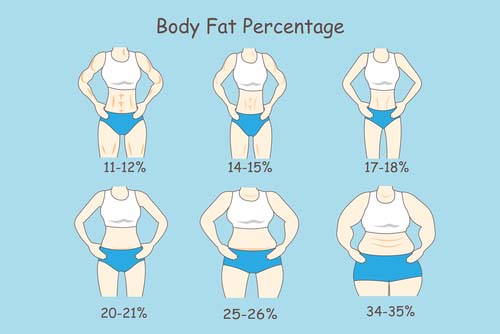
Body fat percentage is another important metric. It shows the proportion of fat in your body. Use calipers or body fat scales to measure. A healthy range varies by age and gender.
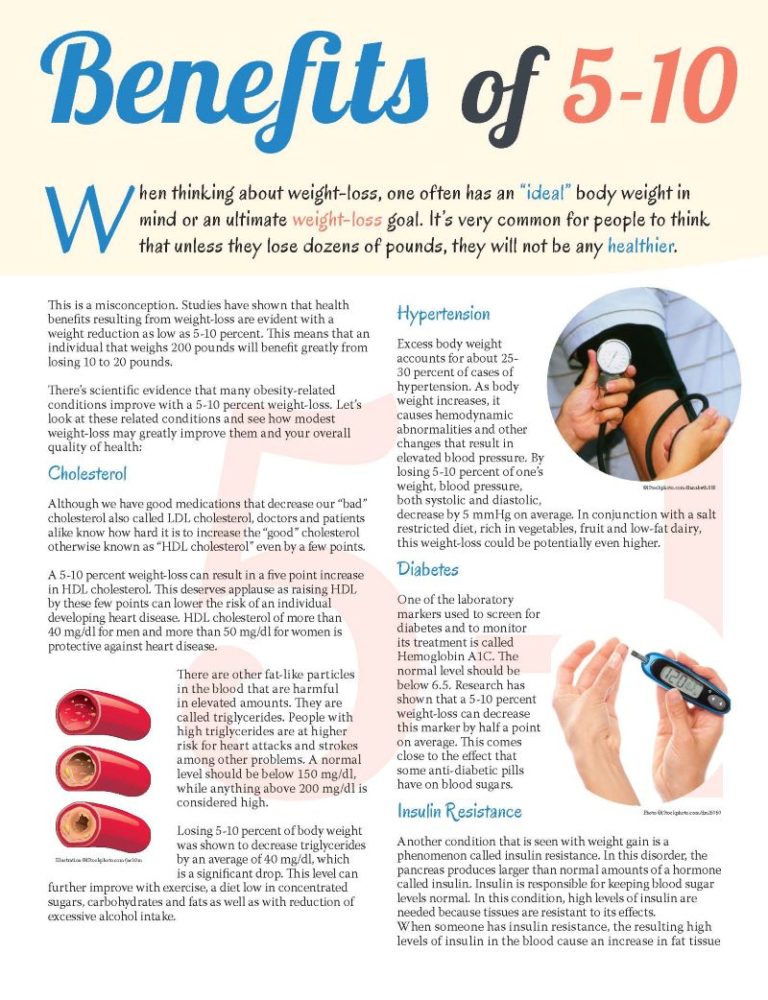
Monitor these metrics regularly. They provide a fuller picture of your health. They help track changes beyond just weight loss.
Credit: www.obesityaction.org
Role Of Technology
Technology plays a crucial role in monitoring weight loss progress. It offers a range of tools that simplify tracking body weight changes. These tools are easy to use and accessible to everyone. They help in setting goals, tracking progress, and maintaining motivation.
Apps For Tracking
There are many apps available for tracking weight loss. These apps offer features like calorie counting and activity tracking. Users can input their daily food intake. Apps calculate the calories consumed. They provide insights into eating habits. Some apps even offer personalized diet plans. Regular updates keep users informed about their progress. Notifications remind users to stay on track.
Wearable Devices
Wearable devices are popular among fitness enthusiasts. They monitor various health metrics. Devices track steps, heart rate, and sleep patterns. Information is synced with mobile apps. Wearables provide real-time data. Users can easily see their progress. Some devices offer feedback on physical activity. These insights motivate users to achieve their weight loss goals. Wearables also help in maintaining a balanced lifestyle.
Credit: www.harisonfitness.com
Frequently Asked Questions
How Do You Calculate The Percentage Of Body Weight Loss?
Calculate percentage of body weight loss by dividing pounds lost by initial weight, then multiply by 100. For example, if you lose 10 pounds from an initial weight of 200 pounds, the calculation would be (10/200) x 100 = 5%.
This simple formula helps track progress effectively.
How Do You Calculate The Loss Percentage?
To calculate loss percentage, subtract the smaller value from the larger value, divide by the original value, and multiply by 100. This formula gives you the percentage decrease from the original amount, helping to understand the extent of the loss effectively.
How Do You Know Your Losing Body Fat Percentage?
Track changes in body measurements and use body fat scales. Notice improved muscle definition and looser clothing.
How Many Lbs Is 5% Of Your Body Weight?
To calculate 5% of your body weight, multiply your weight by 0. 05. For example, if you weigh 150 lbs, 5% is 7. 5 lbs. This method helps you determine the exact amount based on your unique body weight. Use this simple calculation for precise results.
Conclusion
Calculating body weight loss percentage is simple and helpful. It gives clear insights into your health progress. Use the formula: (initial weight – current weight) / initial weight x 100. Consistency is key. Regularly track your weight for accurate results.
This method helps set realistic goals. Stay motivated by seeing your progress in numbers. Remember, small changes lead to big results over time. Celebrate each milestone. Don’t stress over minor fluctuations. Stay committed to your health journey. You are making positive changes.
Keep going, and you’ll achieve your health goals.