Affiliate Disclosure: This post may contain affiliate links. If you purchase through links on our site, we may earn an affiliate commission at no extra cost to you.
Imagine galloping across a field, your horse’s muscles rippling with strength and power. It’s a sight that’s both breathtaking and inspiring.
But, if your horse seems more like a leisurely wanderer than a galloping athlete, you might be wondering how to build those impressive muscles. You’re not alone. Many horse owners dream of transforming their gentle companions into robust, muscular steeds.
The good news? It’s entirely possible to achieve this transformation with the right approach. In this guide, we’ll reveal the secrets to building muscle on your horse, ensuring they’re not only looking their best but also feeling stronger and healthier. Stick around, because what you’re about to discover could make all the difference for your beloved equine friend.
Understanding Equine Musculature
Understanding equine musculature is essential for building muscle on a horse. It involves knowing the key muscle groups and ensuring balanced development. Horses rely on strong muscles for performance and health. Proper muscle care enhances their strength, speed, and endurance.
Key Muscle Groups In Horses
The horse’s body consists of several key muscle groups. The forelimb muscles are crucial for movement and balance. They include the shoulder and upper leg muscles. The hindlimb muscles provide power and propulsion. These muscles include the hamstrings and gluteals. The back muscles support the spine and aid in flexibility. Proper development of these muscles is vital for the horse’s overall performance.
Importance Of Balanced Muscle Development
Balanced muscle development prevents injuries and promotes longevity. Overdeveloped muscles can strain the horse’s joints. Underdeveloped muscles may lead to poor posture and weakness. A balanced approach ensures that all muscle groups grow evenly. This helps the horse move efficiently and comfortably. Balanced muscles also contribute to a better temperament. A well-developed horse is happier and more willing to work.
Nutrition For Muscle Growth
Building muscle in horses requires more than just exercise. Nutrition is a cornerstone of muscle development, impacting how effectively your horse can gain strength and maintain health. What you feed your horse can make or break its muscle-building efforts. Let’s dive into the essential nutrients and the role of protein and supplements in equine muscle growth.
Essential Nutrients For Equine Muscle
Feeding your horse the right nutrients is crucial. Carbohydrates provide the energy needed for muscle work. Without enough energy, your horse won’t be able to exercise effectively. Energy fuels the muscle-building process.
Vitamins and minerals are equally important. They support muscle function and repair. Magnesium and calcium, for instance, are key for muscle contraction and relaxation. Ensure these nutrients are part of your horse’s diet.
Think about fats, too. Healthy fats like omega-3 fatty acids can help improve muscle recovery. They also support joint health, keeping your horse active and comfortable.
Role Of Protein And Supplements
Protein is a building block for muscle. Horses need adequate protein to build and repair muscle tissues. Your horse’s feed should have a balanced protein content to support muscle growth.
Supplements can be beneficial, but they are not magic pills. Consider adding protein supplements if your horse’s diet lacks sufficient protein. However, focus on natural sources first, like alfalfa or soybeans.
Don’t forget amino acids, the components of protein. Essential amino acids like lysine are vital for muscle development. Check if your horse’s feed includes these, or consider adding them through supplements.
Have you ever wondered if your horse’s performance is tied to nutrition? A tailored diet can make a significant difference. What steps will you take to optimize your horse’s nutrition for muscle growth?
Effective Exercise Regimens
Building muscle on a horse isn’t just about feeding the right diet. Exercise plays a crucial role in their muscle development. To help your horse reach optimal muscle growth, effective exercise regimens are essential. Whether you’re preparing for a competition or just want your horse to look and feel its best, incorporating structured workouts can make a significant difference. Let’s dive into some practical exercises that can boost your horse’s muscular strength and overall fitness.
Strength Training For Horses
Strength training isn’t just for humans. Horses benefit tremendously from exercises designed to improve their muscle strength. Simple activities like hill work can be incredibly effective. When you take your horse for a walk or trot up and down hills, you’re encouraging muscle development in their legs and hindquarters. It’s a workout that challenges their muscles without overwhelming them.
Another strength-building exercise is cavalletti training. By setting up small jumps or poles, you can guide your horse to step over them, which enhances muscle tone and coordination. While watching my horse navigate these obstacles, I noticed a significant improvement in their agility and muscle definition. Have you tried cavalletti with your horse?
Cardio Workouts To Enhance Muscles
Cardio isn’t just for shedding pounds; it’s fantastic for muscle enhancement too. Incorporating cardio workouts like long trotting sessions can help in building endurance and muscle tone. It’s a simple yet effective way to keep your horse active and build those muscles.
Consider adding swimming to your horse’s routine. Swimming is low-impact but packs a punch when it comes to muscle development. It engages multiple muscle groups simultaneously and improves stamina. Does your horse have access to a safe swimming area?
Regular cardio exercises can lead to noticeable muscle gains, giving your horse a healthier and more robust appearance. Have you thought about mixing up the workouts to keep your horse engaged and motivated?
What are your thoughts on these exercises? How do you plan to integrate them into your horse’s routine?
Incorporating Rest And Recovery
Building muscle on a horse requires a balanced approach. One crucial aspect is rest and recovery. Horses, like humans, need time to heal and grow stronger after exercise. Rest days allow their muscles to repair and become more resilient. Without adequate recovery, horses may face fatigue and potential injury. Incorporating rest into their routine enhances their ability to build muscle effectively.
Importance Of Recovery Days
Recovery days are vital for a horse’s muscle development. During rest, muscles repair microscopic tears from exercise. This process strengthens them and prepares for future workouts. Rest days also help prevent soreness and stiffness. They give the horse time to relax and rejuvenate. Regular recovery days maintain a horse’s health and performance. Overworking a horse can lead to injuries. Include rest days in your horse’s exercise routine.
Signs Of Overtraining
Overtraining can harm a horse’s health. Watch for signs like excessive tiredness or reluctance to move. Muscle soreness or stiffness may indicate overtraining. Changes in behavior, such as irritability, can be another sign. Reduced performance or slower recovery times are also red flags. Pay attention to these signs to protect your horse from overtraining. Adjust the routine if any of these symptoms appear. A balanced approach ensures your horse stays healthy and strong.
Monitoring Progress
Building muscle on a horse involves steady progress monitoring. Observe changes in strength through regular exercises and balanced nutrition. Adjust routines based on the horse’s response, ensuring consistent development.
Monitoring progress is crucial for building muscle on a horse. It’s not just about the initial training or feeding regimen. It’s about consistently checking if your horse is developing as expected. You need to be observant and flexible with your plans. This ensures your horse stays healthy and continues to build muscle effectively.
Tracking Physical Changes
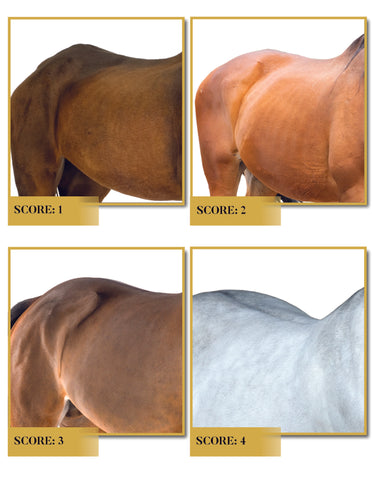
Seeing physical changes in your horse is rewarding. Look for increased muscle definition and overall body condition. Keep a record of these changes with photos and notes. Are the muscles appearing more toned and firm? Measure girth and other key areas regularly. You can track weight and muscle gain with simple tools like a weight tape. Comparing these measurements over time gives you a clear picture of progress.
Adjusting Training Plans
Regularly assess your horse’s reaction to their training. Is your horse showing signs of fatigue or discomfort? Adjusting the intensity and duration can prevent overtraining. Incorporate variety into workouts to target different muscle groups. If you notice stagnation, it may be time to tweak your approach. Maybe try new exercises or change the frequency. Adaptability in training can be the key to continuous muscle growth. Monitoring progress is a dynamic process. It requires patience and attention to detail. How do you ensure your horse’s training remains effective and safe?
Common Mistakes To Avoid
Building muscle on a horse requires avoiding common mistakes. Overworking without rest can harm their health. Ignoring nutrition leads to poor results. Regular, balanced exercise and proper diet help ensure effective muscle growth.
Building muscle on a horse requires careful attention. Mistakes can hinder progress. Here are common errors to avoid for optimal results. Understanding these will help your horse develop strong, healthy muscles.
Overfeeding And Underfeeding
Feeding plays a crucial role in muscle building. Overfeeding can lead to obesity. This affects your horse’s mobility and health. A balanced diet is essential. Provide enough nutrients without excess. Underfeeding is just as harmful. Your horse may not get enough energy. This leads to muscle loss instead of gain. Consult a vet for a tailored diet plan. This ensures your horse receives the right nutrients.
Neglecting Rest Periods
Rest is vital for muscle recovery. Overworking a horse can lead to injuries. Muscles need time to repair and grow. Ensure your horse has rest days. This prevents fatigue and promotes muscle development. Schedule regular breaks in training. Rest helps improve performance and strength. Your horse will benefit from a balanced routine.
Expert Advice And Resources
Discover expert tips on building muscle in horses. Focus on balanced diet, proper exercise, and regular check-ups. Understand the importance of tailored nutrition and consistent routines for optimal muscle growth.
Building muscle on a horse requires more than just a routine; it needs expert advice and resources to ensure effectiveness and safety. Whether you’re preparing your horse for a competition or just want to improve its health, expert guidance is crucial. With the right resources, you can make informed decisions that benefit your horse in the long run.
Consulting Equine Specialists
Reaching out to equine specialists can make a significant difference. These professionals, including veterinarians and equine nutritionists, provide tailored advice based on your horse’s unique needs. Have you considered scheduling a consultation with a certified equine physical therapist? They can assess your horse’s current muscle condition and recommend exercises to enhance strength. Remember, no two horses are the same. A specialist can guide you in crafting a personalized plan that aligns with your horse’s breed, age, and activity level.
Recommended Reading And Tools
Educating yourself is just as important as consulting experts. There are numerous books and online resources dedicated to equine fitness and muscle development. Consider reading “Equine Fitness: A Program of Exercises and Routines for Your Horse” by Jec Aristotle Ballou. This book offers practical exercises and easy-to-follow routines. Additionally, investing in tools like resistance bands or weighted boots can aid in muscle building. Have you tried using heart rate monitors to track your horse’s progress during workouts? It’s a simple tool that offers valuable insights. Accessing the right resources equips you with knowledge and confidence. With expert advice and the right tools, you are on the path to building a stronger, healthier horse.
Credit: blog.equisense.com
Frequently Asked Questions
What Can I Give My Horse To Build Muscle?
Provide high-quality protein, balanced diet, and regular exercise. Consider supplements like amino acids and vitamin E. Consult your veterinarian for tailored advice. Ensure adequate hydration for optimal muscle growth.
How Long Does It Take To Build Muscle On A Horse?
Building muscle on a horse typically takes 6-12 weeks with proper nutrition and exercise. Consistent training and a balanced diet are essential for optimal results. Regular monitoring and adjustments to the workout plan help ensure effective muscle development.
Can You Build Muscle In Horse Riding?
Yes, horse riding can build muscle. It strengthens core, thighs, and calves. Regular riding improves balance and posture.
How To Build Topline Muscle On A Horse?
Focus on balanced nutrition, including protein and amino acids. Implement regular exercise, like hill work and trot poles. Ensure proper saddle fit to avoid discomfort. Include stretching and massage for muscle recovery. Consistency is key for developing a horse’s topline.
Conclusion
Building muscle on a horse requires patience and care. Focus on balanced nutrition. Provide regular exercise tailored to your horse’s needs. Monitor progress closely. Adjust workouts based on your horse’s response. Rest is crucial for muscle growth. Ensure proper hydration and a calm environment.
Consistency is key. Consult with a vet for personalized advice. Pay attention to your horse’s behavior. Happy horses build muscle better. Celebrate small victories. Keep learning and improving. Your horse deserves the best care. Enjoy the journey of building a strong, healthy horse.