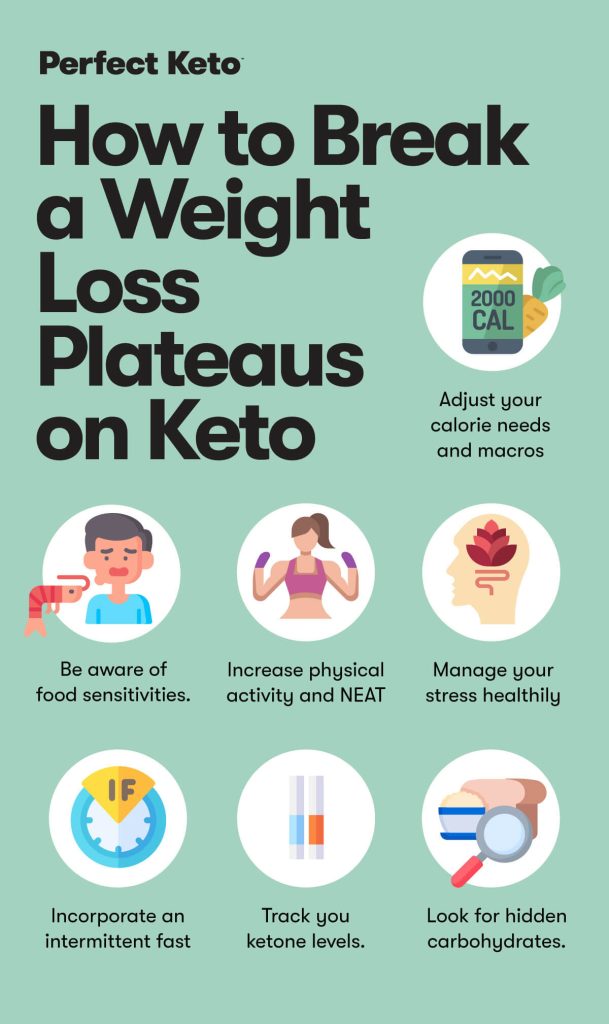
Hitting a weight loss plateau can feel frustrating, like running into an invisible wall just as you’re picking up speed. You’ve been diligent, tracking your meals and sweating through workouts, yet the scale refuses to budge.
Sound familiar? If you’re nodding along, you’re not alone. Many people experience this standstill, and breaking through it is not just about pushing harder. It’s about understanding why your body has stalled and knowing the smart strategies to get back on track.
Ready to uncover the secrets to overcoming this plateau and reigniting your progress? Let’s dive in and discover how you can make those stubborn pounds disappear.
Identify The Plateau
Hitting a weight loss plateau can feel frustrating. Your progress seems to stall. This pause is common in many journeys. Identifying the plateau is the first step to overcoming it. Understanding the signs can help you get back on track.
Recognizing Signs
A plateau occurs when weight loss stops for weeks. The scale doesn’t budge. Your clothes fit the same. The mirror reflects no change. These are signs of a plateau. They can appear suddenly. Track your daily habits. Identify any recent changes. Consider your diet and exercise routine. Are they consistent? Lack of progress indicates a potential plateau.
Assessing Progress
Review your progress regularly. Keep a journal or use an app. Record your weight weekly. Take body measurements once a month. Look beyond the scale. Sometimes, muscle gain masks fat loss. Check your energy levels. Notice changes in mood or sleep. These factors affect weight loss too. Reflect on your recent lifestyle changes. Have you adjusted your diet or workouts? Small tweaks can make a big difference.
Adjusting Caloric Intake
Breaking through a weight loss plateau can be frustrating, but adjusting your caloric intake might just be the key you need. When your weight loss stalls, it’s often because your body has adapted to your current calorie consumption and exercise routine. Tweaking your caloric intake can help reignite progress. Let’s dive into how you can make these adjustments effectively.
Re-evaluate Daily Caloric Needs
Have you checked if your daily calorie intake matches your current needs? As you lose weight, your body requires fewer calories. Calculating your calorie needs anew can be enlightening. Use online calculators or consult a nutritionist to get a precise estimate of your daily caloric requirement.
Consider your activity level. Are you more active now? Increased physical activity might mean you need more energy. Adjusting calories based on your activity can prevent plateaus. It’s not just about eating less; it’s about matching intake with your lifestyle.
Remember to focus on quality over quantity. Choosing nutrient-dense foods can help you feel fuller while consuming fewer calories. This strategy can make re-evaluating your caloric intake feel less restrictive and more rewarding.
Incorporate Caloric Cycling
Have you ever tried caloric cycling? This method alternates your calorie intake, keeping your metabolism guessing. You might consume higher calories on workout days and lower on rest days. This keeps your body from getting too comfortable with a set pattern.
Consider trying a simple cycle: Increase calories by 200-300 on days you exercise, then cut them back on off days. This adjustment can stimulate your metabolism without drastic dietary changes. It’s a subtle shift that can have significant effects.
Track your progress. How does your body respond to these changes? Caloric cycling can be a game-changer, allowing you to break free from the plateau. Remember, it’s about finding what works best for your body and lifestyle.
Have you ever noticed the same number on the scale for weeks? Adjusting your caloric intake might be the answer. What new strategies will you try today to shake things up?
Revamping Exercise Routine
Hitting a weight loss plateau can be frustrating, especially when you’re putting in the effort but not seeing results. One effective way to push through this obstacle is by revamping your exercise routine. Changing how you exercise can reignite your body’s fat-burning abilities and help you break free from the stagnation. Let’s dive into a couple of strategies that can give your workout a fresh twist.
Increase Intensity
Have you noticed your workouts feeling too easy lately? It’s time to crank up the intensity. Increasing the effort in your exercises can challenge your body and boost calorie burn. Consider adding intervals to your cardio sessions. Brief bursts of high-intensity activity followed by rest can make a noticeable difference. How about sprinting for 30 seconds and then walking for a minute? This simple tweak can elevate your heart rate and push past the plateau.
Strength training is another area to focus on. If you’re lifting weights, try increasing the load or adding extra repetitions. Your muscles need to be pushed to grow stronger and burn more calories. Are you ready to feel the burn? Embrace the challenge; it’s the discomfort that brings growth!
Add Variety To Workouts
Doing the same workout day after day can make your body adapt, reducing its effectiveness. Adding variety keeps your body guessing and can reignite your progress. Think about trying a new class or sport. Ever considered kickboxing or Pilates? They can provide a refreshing change and engage different muscle groups.
Mixing up your routine doesn’t mean abandoning what you love. Instead, sprinkle in new activities. Swap your usual treadmill run with a hike or a swim. Even small changes, like alternating between yoga and dance, can keep your workouts exciting and challenging. Are you ready to shake things up and make exercise fun again?
Remember, your body thrives on change and challenges. By increasing intensity and adding variety, you’re setting the stage for breaking through that weight loss plateau. What changes will you make to your routine today?

Credit: mobileivmedics.com
Prioritizing Strength Training
Breaking a weight loss plateau can be frustrating, but prioritizing strength training might be your secret weapon. When the scale refuses to budge, shifting focus to building muscle can rev up your metabolism and get you back on track. Strength training is not just about lifting weights; it’s about transforming your body composition and supercharging your calorie burn.
Benefits Of Muscle Building
Muscle building is more than just bulking up—it’s about boosting your overall health. Did you know that muscle burns more calories than fat even when you’re at rest? This means the more muscle you have, the more calories your body torches throughout the day.
Besides, strong muscles can improve your posture and enhance your physical performance in daily activities. Imagine carrying groceries or climbing stairs with ease. It’s not just about looking fit; it’s about feeling strong and capable.
Incorporating Resistance Exercises
Ready to add resistance exercises to your routine? Start with simple bodyweight exercises like squats, push-ups, and planks. These moves are effective and can be done anywhere, anytime. You don’t need fancy equipment to get started.
Once you’re comfortable, consider adding weights or resistance bands to challenge your muscles further. Try exercises like deadlifts, lunges, and bicep curls. Remember, it’s crucial to focus on form to avoid injuries and maximize benefits.
Have you tried mixing up your workouts to keep things exciting? Switching between different types of exercises can prevent boredom and keep your muscles guessing. What’s your favorite strength training move, and how has it changed your fitness journey?
Strength training is a powerful tool for breaking through a weight loss plateau. By prioritizing muscle building, you not only enhance your calorie burn but also improve your overall quality of life. Start incorporating resistance exercises today, and watch your body transform.
Improving Sleep Quality
Breaking a weight loss plateau can be linked to better sleep quality. Proper rest regulates hormones, aiding metabolism and appetite control. Focus on consistent sleep patterns to support weight loss efforts.
Improving sleep quality can help break a weight loss plateau. Sleep affects many body functions. It plays a key role in weight management. Lack of sleep can slow weight loss. Better sleep boosts metabolism and energy. It helps the body burn calories effectively. Understanding sleep’s impact can help you reach your goals.
Impact On Metabolism
Sleep and metabolism are closely linked. Poor sleep lowers metabolism. It makes the body burn fewer calories. This can hinder weight loss efforts. Enough sleep helps maintain a healthy metabolic rate. It allows the body to process food better. Sleep also impacts hunger hormones. Poor sleep can increase hunger. It can lead to overeating. Quality sleep keeps these hormones balanced. It helps control cravings.
Establishing Sleep Hygiene
Good sleep hygiene can improve sleep quality. Create a calming bedtime routine. Limit screen time before bed. Bright screens can disrupt sleep. Keep your bedroom dark and cool. A comfortable environment promotes restful sleep. Stick to a consistent sleep schedule. Go to bed and wake up at the same time daily. This strengthens your internal clock. Avoid caffeine and heavy meals before bedtime. These can disrupt sleep patterns. Relax with a book or gentle music. A peaceful mind supports better sleep.

Credit: kaynutrition.com
Managing Stress Levels
Breaking through a weight loss plateau requires managing stress levels effectively. Stress can hinder weight loss progress by triggering unhealthy eating habits. Incorporate relaxation techniques like deep breathing or meditation to help reduce stress and support weight loss efforts.
Managing stress levels is crucial when it comes to breaking a weight loss plateau. Stress not only affects your mood but can also interfere with your body’s ability to lose weight. If you’ve been struggling to shed those last few pounds, managing your stress could be the key.
Effects Of Stress On Weight Loss
When you’re stressed, your body releases cortisol, a hormone that can lead to weight gain. This hormone increases your appetite, causing you to crave unhealthy foods. Imagine reaching for that extra cookie after a tough day—it’s not just in your head. Stress can also lead to emotional eating, where you use food as a comfort. You might find yourself eating not because you’re hungry, but because you’re stressed. This can easily sabotage your weight loss efforts. Additionally, stress can disrupt your sleep. Poor sleep can throw off your metabolism, making it harder to burn calories. Have you noticed how tired days often lead to lazy workouts? That’s stress doing its dirty work.
Techniques For Stress Reduction
Start by practicing deep breathing exercises. Take a few minutes each day to breathe deeply, focusing on your inhalation and exhalation. This simple act can calm your mind and reduce cortisol levels. Consider adding a short walk to your daily routine. Walking, especially in nature, can clear your mind and help you process stress. It’s a small change, but it can make a big difference. Try mindfulness or meditation. These practices can help you stay present and avoid getting lost in stressful thoughts. Even a five-minute meditation session can reset your mood. Don’t forget the power of social connections. Sharing your day with a friend or family member can relieve stress. You’d be surprised how much lighter you feel after a good conversation. Are you setting aside time for activities you love? Hobbies can be a great escape from stress. Whether it’s painting, reading, or gardening, doing something you enjoy can lift your spirits. What steps will you take today to manage your stress? Remember, breaking a weight loss plateau might be just a stress-relief technique away.
Tracking Progress Effectively
Breaking a weight loss plateau involves tracking progress effectively. Keep a detailed food diary to identify patterns. Regularly update your exercise routine to challenge your body. Ensure consistent sleep and hydration for optimal results. Stay patient and adjust strategies as needed for continued weight loss success.
Tracking progress is key to overcoming a weight loss plateau. Watching numbers on the scale can be disheartening. But tracking more than weight can offer clarity. Measurements, habits, and overall wellness matter. Understanding these factors helps maintain motivation. It also helps identify areas for improvement. Let’s dive into effective ways to track progress.
Utilizing Apps And Tools
Apps and tools make tracking easier. Many offer user-friendly interfaces. They record calories, exercise, and water intake. They provide visual charts to track progress. Apps can send reminders for meals and workouts. This keeps you consistent. Some apps even offer community support. This connects you with others on similar journeys. It fosters motivation and accountability.
Setting Realistic Goals
Realistic goals prevent frustration. Start with small, achievable targets. Celebrate each milestone reached. This boosts confidence and motivation. Adjust goals based on your progress. Be flexible. Listen to your body’s needs. Remember, weight loss is not linear. Some weeks might show no change. Stay patient. Focus on long-term health, not just numbers.
Seeking Professional Guidance
Breaking a weight loss plateau can feel frustrating. Sometimes, the right professional guidance makes all the difference. Seeking help from experts provides personalized advice tailored to your needs. This guidance can help you overcome obstacles and reignite your progress. Professionals offer strategies and insights you might not discover on your own.
Consulting Nutritionists
Nutritionists offer valuable insights into your dietary habits. They can identify hidden issues that may hinder your progress. A nutritionist will assess your current diet and suggest necessary adjustments. Their expertise helps you understand portion sizes and nutrient balance. With their guidance, you can improve eating habits and boost metabolism.
Meeting with a nutritionist provides a personalized meal plan. This plan aligns with your goals and lifestyle. They help you make healthier food choices without feeling deprived. A nutritionist can also identify food intolerances affecting your weight loss. Their advice can lead to long-term success and a healthier relationship with food.
Working With Personal Trainers
Personal trainers design workouts that fit your abilities and goals. They introduce new exercises that challenge your body in different ways. With their help, you can break through the plateau and gain strength. Trainers provide motivation and keep you accountable to your fitness goals.
They also ensure your form is correct, preventing injuries. A trainer helps you track progress and makes adjustments as needed. This tailored approach keeps your workouts effective and engaging. They focus on building a routine that you can maintain over time. Working with a trainer can reignite your passion for fitness.

Credit: mobileivmedics.com
Frequently Asked Questions
How Do You Break A Weight Loss Plateau Fast?
Increase exercise intensity, vary your workout routine, and track your food intake. Stay hydrated and get enough sleep. Adjust calorie intake slightly to boost metabolism.
How Do You Shock Your Body Out Of A Plateau?
Change your workout routine to include different exercises. Increase intensity or duration to challenge your muscles. Adjust your diet to ensure balanced nutrition. Ensure adequate rest and recovery. Stay hydrated and manage stress levels. These strategies can help break through a plateau effectively.
How Long Does It Take To Overcome A Weight Loss Plateau?
Overcoming a weight loss plateau can take a few weeks to several months. Consistency and adjustments in diet and exercise are key. Monitor progress, tweak your routine, and stay patient. Everyone’s journey is unique, so timeframes may vary. Stay committed for optimal results.
Can A Cheat Day Break A Plateau?
A cheat day can potentially help break a plateau by boosting metabolism and resetting hormone levels. It can also provide psychological relief, encouraging continued adherence to a diet. Ensure cheat days are controlled to prevent overconsumption and maintain overall progress.
Conclusion
Breaking a weight loss plateau takes patience and effort. Change your routine. Try different exercises. Adjust your diet. Keep your motivation strong. Track your progress regularly. Celebrate small victories. Stay consistent with your healthy habits. Listen to your body’s needs.
Seek support from friends or professionals. Remember, everyone’s journey is unique. Some days are harder than others. Just don’t give up. You will see results over time. Stay focused on your goals. Believe in yourself. Weight loss is a marathon, not a sprint.
Keep moving forward. Your persistence will pay off. You’ve got this!