Are you wondering how much protein you need as a vegan to build muscle effectively? You’re not alone.
Many people who choose a plant-based lifestyle worry about getting enough protein to support their fitness goals. It’s a common concern, and understanding the right amount of protein is crucial for your muscle growth and overall health. The good news?
You don’t have to compromise your values or your gains. You’ll discover exactly how much protein your body needs, the best plant-based sources, and how to incorporate them into your diet. Dive in and find out how you can fuel your muscles the vegan way.

Credit: www.strengthlog.com
Protein Basics
Understanding protein basics is essential for vegans aiming to build muscle. Protein plays a crucial role in muscle development, recovery, and overall health. As a vegan, ensuring you get enough protein can be a bit of a puzzle, but once you crack it, the rewards are fantastic. Let’s dive into the specifics of protein and its importance in muscle building.
Role Of Protein In Muscle Building
Protein is the building block of muscles. It repairs and strengthens muscle fibers after workouts. When you lift weights or exercise, your muscle fibers undergo stress and slight tears. Protein helps repair these fibers, making them stronger and bigger.
For vegans, sources like beans, lentils, tofu, and quinoa are excellent for meeting protein needs. These foods not only provide protein but also offer other nutrients beneficial for your health. Ever tried a lentil salad post-workout? It’s a protein-packed meal that aids muscle recovery.
Daily Protein Requirements
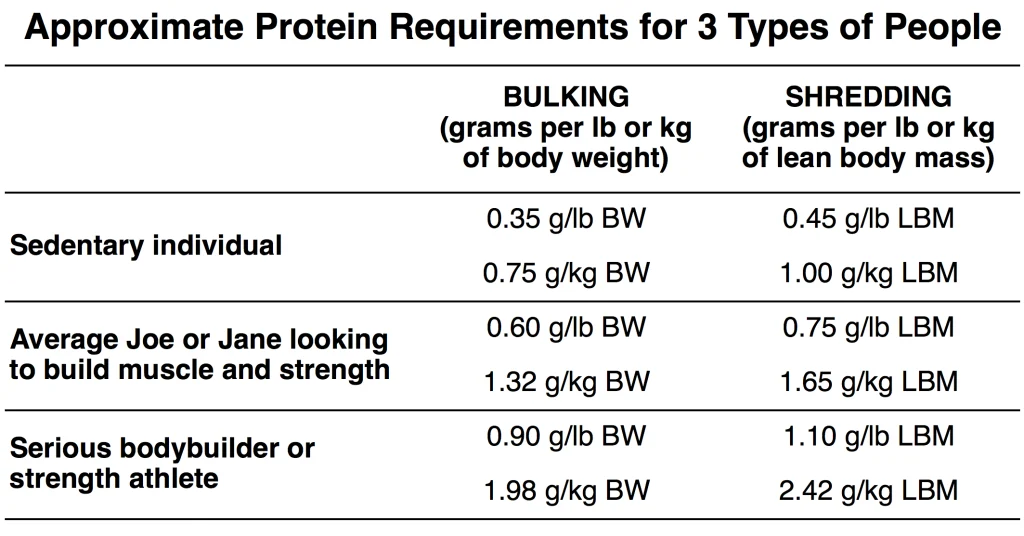
How much protein do you need daily? The answer varies based on your activity level and fitness goals. Generally, aiming for 0.8 grams of protein per kilogram of body weight is a good start.
For muscle building, increasing this intake to around 1.2 to 2.0 grams per kilogram can be beneficial. Think about your weight and adjust accordingly. A 70 kg vegan might need between 84 to 140 grams of protein daily for optimal muscle growth.
Tracking your protein intake can be eye-opening. Are you hitting your daily goals? Using apps or keeping a food journal can help you stay on track. Remember, consistency is key when building muscle.
Engage with your own journey. How does your protein intake compare to these recommendations? Experiment with different vegan protein sources and see what works best for you. Sharing your experiences and insights could inspire others on a similar path.
Vegan Protein Sources
Building muscle on a vegan diet requires understanding protein sources. Protein is crucial for muscle growth. Vegans often wonder how to get enough protein. The key lies in knowing what plant-based foods to consume.
Plant-based Protein Options
Beans and legumes are excellent protein sources. Chickpeas and lentils are rich in protein. Tofu and tempeh offer high protein content. Quinoa is another protein-rich food. Nuts and seeds also provide protein. Peanut butter and almonds are popular choices.
Combining Foods For Complete Proteins
Not all plant proteins are complete. Combining foods can ensure complete proteins. Rice and beans together form a complete protein. Whole grain bread with peanut butter is another example. Mixing lentils with brown rice works well. These combinations provide all essential amino acids.
Calculating Protein Needs
Vegans aiming to build muscle need to calculate protein needs carefully. Plant-based sources like lentils and tofu offer essential protein. Balancing these sources with calorie needs ensures effective muscle growth.
Calculating protein needs is essential for vegans aiming to build muscle. Understanding how much protein is necessary can be challenging. Muscle building requires adequate protein intake. The body needs protein for muscle repair and growth. Vegans can meet these needs through careful planning. Let’s explore how to calculate protein needs for vegan muscle building.Factors Influencing Protein Needs
Several factors affect protein requirements for vegans. Activity level is crucial. More active individuals need more protein. Age also plays a role. Older adults may require higher protein intake. Muscle mass is another factor. More muscle means higher protein needs. Dietary preferences and restrictions influence choices. Plant-based proteins vary in quality. Consider the biological value of protein sources. Personal goals matter too. Bulking up needs more protein than maintaining muscle.Recommended Protein Intake For Vegans
Vegans should aim for 1.6 to 2.2 grams per kilogram of body weight. This range supports muscle growth. Protein needs vary by individual. Some may need more, others less. Quality of protein matters. Choose diverse sources for balanced amino acids. Legumes, nuts, seeds, and grains are good options. Combine different foods for complete protein profiles. Monitor protein intake regularly. Adjust based on progress and changes.
Credit: dietitianfit.co.uk
Protein Timing And Distribution
Building muscle on a vegan diet is entirely possible, but it requires some careful planning. The key is not just how much protein you consume, but also how you distribute and time your protein intake throughout the day. The right strategy can maximize muscle growth and improve recovery after workouts.
Importance Of Protein Timing
The timing of your protein intake can have a significant impact on muscle synthesis. Eating protein-rich meals around your workout sessions can enhance muscle repair and growth. Consider having a protein snack about an hour before you hit the gym. It prepares your muscles for the hard work ahead.
Post-workout, your muscles are like sponges, eager to absorb nutrients for recovery. Consuming protein shortly after exercising can help replenish your muscles and support growth. Think about what you eat after that last set – it matters more than you think.
Distributing Protein Intake Throughout The Day
Instead of loading up on protein in one big meal, spread it across the day. This approach helps maintain a steady supply of amino acids to your muscles, promoting constant growth and repair. Have protein at breakfast, lunch, dinner, and even in your snacks.
Ever tried adding a scoop of pea protein to your morning smoothie? Or enjoyed a handful of nuts in the afternoon? These small changes can make a big difference. They keep your muscles fueled all day long.
Do you find yourself hungry between meals? Instead of reaching for sugary snacks, try a protein-packed option. It’s a simple switch that can keep your muscles nourished and help manage your appetite.
How do you plan your meals? Think about the balance of nutrients, and how they fit with your workout schedule. This strategy can transform your muscle-building journey.
By focusing on protein timing and distribution, you’re setting yourself up for success. What changes can you make today to optimize your protein intake?
Supplemental Protein Options
Vegans need around 0. 8 to 1 gram of protein per pound of body weight to build muscle. Plant-based sources like beans, lentils, and tofu can help meet these needs. Incorporating a variety of foods ensures balanced nutrition while supporting muscle growth.
Getting enough protein can be a challenge for vegans aiming to build muscle. But with the right supplemental protein options, it’s entirely possible to meet your goals. Whether you’re just starting or looking to optimize your routine, knowing which supplements can boost your protein intake is essential. Let’s dive into two key areas: protein powders and choosing the right vegan protein supplement.Protein Powders And Their Benefits
Protein powders are a convenient way to boost your daily intake. They can easily be added to shakes, oatmeal, or even baked goods. As a vegan, you have a variety of plant-based protein powders to choose from, including pea, rice, hemp, and soy. Each type of protein powder has unique benefits. Pea protein, for example, is rich in essential amino acids and is highly digestible. Hemp protein offers a good source of omega-3 and omega-6 fatty acids. When I first switched to a vegan diet, I struggled to get enough protein. Adding a scoop of pea protein to my morning smoothie made a noticeable difference in my energy levels. Have you tried incorporating any protein powders into your diet?Choosing The Right Vegan Protein Supplement
Not all protein supplements are created equal. It’s important to consider factors like protein content per serving, ingredients, and any potential allergens. Check the label for additives or sweeteners that might not align with your dietary preferences. Taste is another crucial factor. Some protein powders have a strong flavor that might not mix well with your favorite recipes. Sampling different brands can help you find one that suits your taste buds and nutritional needs. Remember that supplements are just that—supplements. They should enhance your diet, not replace whole foods. How do you ensure your supplement choices are complementing your overall diet plan? Exploring supplemental protein options can be a game-changer for vegans. Whether it’s a scoop of hemp protein in your post-workout shake or a soy protein bar for an afternoon snack, the right choices can help you meet your muscle-building goals. What’s your go-to vegan protein supplement?Common Myths
Many people believe vegans struggle to get enough protein. This myth suggests vegans can’t build muscle. But is it true? Let’s explore these common myths.
Debunking Protein Myths
Some think plant-based proteins are inferior. They assume animal proteins are better for muscle growth. But research shows plant proteins can be effective too. Lentils, chickpeas, and beans have essential amino acids. These are the building blocks for muscle growth.
Another myth is vegans need protein supplements. People often believe plant foods lack protein. Yet, a balanced vegan diet provides enough protein. Foods like tofu, tempeh, and quinoa are protein-rich. They support muscle development without supplements.
Clarifying Misconceptions About Vegan Diets
Some think vegan diets are restrictive. People believe they can’t provide enough nutrients. But vegan diets can be diverse and nutritious. They include fruits, vegetables, grains, and nuts. These foods offer a variety of nutrients.
Many worry about protein deficiency. But a well-planned vegan diet meets protein needs. Eating a variety of foods ensures complete protein intake. Combining grains and legumes provides all essential amino acids.
There is a myth that vegans can’t gain muscle. But many athletes thrive on vegan diets. They build strength and endurance with plant-based foods. The key is consuming enough calories and protein.
Tips For Optimizing Protein Intake
To build muscle as a vegan, optimizing protein intake is crucial. Vegans need to focus on consuming enough high-quality protein sources. This ensures they meet their daily protein requirements. In this section, we’ll explore effective strategies to help vegans maximize their protein intake. From meal planning to practical tips for busy lifestyles, these insights will guide you on your muscle-building journey.
Meal Planning Strategies
Meal planning is key for hitting protein targets. Begin by incorporating diverse protein sources. Include lentils, chickpeas, and quinoa in your meals. These provide essential amino acids. Prepare meals in advance to avoid skipping protein-rich foods. Use apps or planners to track your protein intake. This helps ensure you meet your daily goals. Try making protein-rich snacks like hummus or nut butter. These are easy to prepare and take on the go.
Practical Tips For Busy Lifestyles
For those with busy lifestyles, protein intake can be challenging. Start by incorporating protein into every meal. Add tofu or tempeh to stir-fries or salads. Consider protein-rich smoothies for a quick breakfast. Use plant-based protein powders for an extra boost. Keep protein bars handy for an easy snack. Choose options with minimal ingredients for better nutrition. Invest in a slow cooker for hassle-free meal prep. This allows you to cook large batches of protein-rich meals.

Credit: www.previnex.com
Frequently Asked Questions
Do Vegans Need More Protein To Build Muscle?
Vegans need similar protein amounts as non-vegans for muscle building. Plant-based sources like beans, lentils, and tofu provide essential amino acids. Focus on variety and sufficient intake to meet protein needs. Proper nutrition planning ensures muscle growth without extra protein compared to omnivorous diets.
How Can A Vegan Get 100g Of Protein A Day?
Vegans can reach 100g of protein by consuming lentils, quinoa, tofu, tempeh, chickpeas, and edamame. Include protein-rich snacks like nuts and seeds. Use plant-based protein powders in smoothies for an extra boost. Diversify meals to include a mix of grains and legumes for complete amino acid profiles.
What Does 30g Of Protein Look Like For Vegans?
30g of protein for vegans includes a mix of foods like 1 cup lentils, 1/2 cup tofu, and 2 tablespoons peanut butter. Add 1/4 cup almonds for variety. This combination ensures a balanced, protein-rich vegan meal. Adjust portions to meet dietary needs.
What Is The Highest Source Of Protein For Vegans?
Seitan is the highest vegan protein source, with around 25 grams per 3. 5 ounces. Made from wheat gluten, it’s versatile and rich in protein. Other good options include tofu, lentils, and chickpeas, providing substantial protein content for vegan diets.
Incorporate these into meals for balanced nutrition.
Conclusion
Building muscle on a vegan diet is achievable. Focus on consuming enough protein. Include diverse plant-based sources. Beans, lentils, tofu, and quinoa are great options. Don’t forget about nuts and seeds, too. Regular meals help meet protein needs. Track your intake to ensure success.
Stay consistent with workouts and nutrition. Monitor your progress and adjust as needed. With dedication, muscle growth is within reach. Embrace the plant-based journey and enjoy the results. Your vegan lifestyle supports both health and fitness goals. Remember, patience is key.
Keep going, and you’ll see progress over time.