Are you working hard in the gym but not seeing the muscle gains you desire? The secret might not just lie in your workouts, but in what you’re eating—especially your fat intake.
You’ve likely heard countless times about the importance of protein, but did you know that fat plays a crucial role in building muscle too? Understanding how much fat per day is optimal could be the missing link in your fitness routine.
This article will reveal the ideal amount of fat you should consume to maximize muscle growth, support your body’s needs, and ultimately, see the results you crave. Dive in, and discover how tweaking your diet can power up your gains and transform your physique.
Role Of Fat In Muscle Building
Fat often gets a bad reputation in the fitness world. Yet, it’s essential for muscle building. Fat is not just for energy storage. It plays a vital role in hormone production. Hormones like testosterone aid in muscle growth. Without enough fat, these hormones can’t function well. This can hinder muscle gains.
Understanding Healthy Fats
Not all fats are the same. Healthy fats are crucial for muscle building. They include unsaturated fats. These come from sources like avocados and nuts. Omega-3 fatty acids are also beneficial. They are found in fish and flaxseeds. These fats support heart health and reduce inflammation. This aids in faster recovery after workouts.
Fat’s Role In Energy Production
Fat provides a dense source of energy. It contains more calories per gram than protein or carbs. This energy is essential during intense workouts. It helps sustain longer training sessions. Without enough fat, energy levels might drop. This can affect workout performance and muscle growth.
Fat And Nutrient Absorption
Fat aids in the absorption of vital vitamins. Vitamins A, D, E, and K are fat-soluble. This means they need fat to be absorbed. These vitamins play a role in muscle recovery and growth. Without fat, the body may not absorb these nutrients efficiently. This can hinder muscle building efforts.
Balancing Fat Intake
Balance is key in fat consumption. Too little fat can affect hormone levels. This can slow muscle growth. Too much can lead to unwanted weight gain. Aim for a balanced intake of fats. Include a variety of healthy fat sources in your diet. This ensures a steady supply of essential nutrients for muscle building.
Types Of Dietary Fats
Understanding dietary fats is key to muscle building. Fats play a crucial role in hormone production. They also help in energy storage and cell function. Knowing the types of fats can guide better food choices.
Saturated Fats
Saturated fats are often found in animal products. Red meat and dairy are common sources. Solid at room temperature, they can impact heart health. Moderation is important when consuming these fats.
Unsaturated Fats
Unsaturated fats are considered heart-friendly. They are mainly found in plants. Olive oil and nuts are rich in these fats. Liquid at room temperature, they support cholesterol balance.
Trans Fats
Trans fats are the least healthy fats. Often found in processed foods, they are linked to heart disease. Avoiding trans fats can improve overall health. Check food labels for hydrogenated oils.
Daily Fat Intake Recommendations
Understanding how much fat you need daily for muscle building can be a game changer. Fat is more than just a calorie source; it plays a crucial role in hormone production and energy storage. Let’s dive into the specifics of daily fat intake recommendations to optimize your muscle growth.
General Guidelines
The general recommendation for fat intake is about 20-35% of your total daily calories. For a diet of 2500 calories, aim for 55-95 grams of fat. Balancing this proportion helps you maintain energy levels without overloading your system.
Include a variety of fat sources such as nuts, avocados, and olive oil. These sources not only provide essential fatty acids but also offer antioxidants and vitamins. Keep an eye on saturated fats from sources like butter and fatty meats, limiting them to less than 10% of your daily intake.
Individual Variations
Your body’s needs can differ based on factors like age, activity level, and genetic predisposition. Athletes may require higher fat intake to support intense training sessions. Conversely, someone with a sedentary lifestyle might need less.
Experiment with your fat intake and observe how your body responds. You might notice changes in energy levels or muscle recovery. Adjust accordingly to find what feels right for you.
Ever wondered if your current diet truly supports your muscle goals? Reflect on your energy levels and recovery rate. Tailoring your fat intake can lead to noticeable improvements in performance and physique.
Balancing Macronutrients
Determining daily fat intake is crucial for muscle building. Aim for 20% to 35% of calories from healthy fats. Essential for energy and hormone production, fats support muscle growth efficiently. Balance is key in fueling workouts and recovery.
Balancing macronutrients is key when you’re trying to build muscle. It’s not just about eating more; it’s about eating smart. Each macronutrient plays a distinct role in muscle growth and overall health. Striking the right balance can be your secret weapon to achieving your fitness goals.Protein And Carbohydrates
Protein is often hailed as the muscle-building hero. It’s critical for repairing and building muscle tissues after your workouts. But don’t let protein steal all the spotlight. Carbohydrates are equally important. They provide the energy you need to power through intense exercises and help prevent muscle breakdown. Imagine trying to build a house without bricks; carbohydrates are those bricks. Wondering how much protein and carbs you need? A simple rule of thumb is to aim for about 1.2 to 2.0 grams of protein per kilogram of body weight. For carbs, consider your activity level. If you’re active, you might need more carbs to fuel your workouts effectively.Fat Distribution
Fat often gets a bad rap, but it’s essential for muscle building. It helps with hormone production, including testosterone, which plays a role in muscle growth. The trick is to choose the right types of fats and distribute them wisely throughout your meals. Think of fats as the glue that holds your macronutrient plan together. Healthy fats like those found in avocados, nuts, and olive oil should make up about 20-35% of your total calorie intake. Are you making the most out of your fat intake? Track your meals for a week and see how fats fit into your daily routine. You’ll be surprised how a small tweak can boost your muscle-building efforts. Balancing macronutrients doesn’t have to be rocket science. It’s about understanding how each plays a role in your muscle-building journey. Start small, experiment with different ratios, and listen to your body. Are you ready to see the changes?Impact Of Fat On Hormones
Understanding the role of fat in hormone production is crucial for muscle building. Fats are not just energy sources. They also influence hormone levels, impacting muscle growth. Key hormones like testosterone and insulin are significantly affected by fat intake. This makes it essential to balance your fat consumption.
Testosterone Levels
Fats play a vital role in testosterone production. Testosterone is essential for muscle growth. Healthy fats, like those in avocados and nuts, boost testosterone levels. Low-fat diets can lead to decreased testosterone. This affects muscle-building efforts. Therefore, including fats in your diet is important.
Insulin Sensitivity
Fat intake impacts insulin sensitivity. Insulin helps in nutrient absorption by muscles. Good fats can improve insulin sensitivity. This aids in efficient muscle building. Consuming omega-3s, found in fish, enhances this effect. Balancing fats supports better insulin function. This leads to improved muscle growth.

Credit: www.linkedin.com
Fat Sources For Muscle Gain
Building muscle requires more than just protein and carbs. Healthy fats play a crucial role. They provide energy and support hormone production. Choosing the right fats can enhance muscle gain. Avoiding unhealthy fats is equally important. Let’s explore some beneficial fat sources.
Healthy Fats
Healthy fats are essential for muscle growth. They support overall health too. Omega-3 fatty acids are a great choice. Found in fish like salmon and mackerel. They reduce inflammation and improve heart health. Avocados are another good source. Rich in monounsaturated fats, they aid nutrient absorption. Nuts and seeds offer healthy fats and protein. Almonds, walnuts, and chia seeds are excellent options. Olive oil is perfect for cooking. It contains antioxidants and supports a healthy heart.
Foods To Avoid
Not all fats are beneficial. Some can harm your health. Trans fats should be avoided. They increase the risk of heart disease. Found in processed foods and baked goods. Fried foods often contain unhealthy fats. They can slow down muscle growth. Excessive saturated fats can be harmful too. Found in red meat and full-fat dairy. Choose lean meats and low-fat dairy instead. Limit intake of fast foods and snacks. They often have hidden unhealthy fats.
Monitoring Fat Intake
Determining daily fat intake is crucial for muscle building. Aim for 20-35% of total calories from healthy fats. This supports energy levels and hormone production, essential for muscle growth.
Monitoring your fat intake is crucial when aiming to build muscle. While protein and carbohydrates often steal the spotlight, fats play a vital role in hormone production and energy levels. But how do you ensure you’re getting just the right amount without overdoing it?Tracking Methods
To keep tabs on your fat intake, start by using a food diary or a nutrition app. These tools can help you log everything you eat, making it easier to see how much fat you’re consuming daily. Many apps even break down your macronutrients, giving you a clear picture of whether you’re hitting your targets. Another method is to use a kitchen scale to measure portions. We often underestimate portion sizes, which can lead to consuming more fat than planned. By weighing your food, you can ensure accuracy in your tracking efforts.Adjusting Intake
Once you have a handle on your current intake, assess how it aligns with your muscle-building goals. If you notice you’re consistently over or under your target, it’s time to make adjustments. Consider reducing high-fat foods like cheese and butter if you’re over your limit. On the flip side, if you’re not meeting your needs, try adding healthy fats like avocados or nuts to your meals. Have you ever found yourself plateauing in your muscle-building journey? It might be time to tweak your fat intake. Adjusting your diet can reignite progress and help you achieve your fitness goals more efficiently. Monitoring fat intake might seem tedious, but it can make a significant difference in your results. Are you ready to take control of your diet and build muscle effectively?.jpg?width=1200&name=Macros-Trifecta-08%20(1).jpg)
Credit: www.trifectanutrition.com
Common Myths About Fat And Muscle
Many believe consuming excessive fat builds muscle, but balance is crucial. Eating about 20-35% of total calories from healthy fats supports muscle growth and overall health. Understanding the right fat intake ensures effective muscle-building efforts without unnecessary weight gain.
Building muscle is a journey filled with misconceptions, particularly about dietary fat. Many believe fat is the enemy, hindering muscle growth or causing unwanted weight gain. But what if these myths are holding you back? Understanding the truth about fat can transform your muscle-building strategy. Let’s debunk some common myths and discover why fat is crucial for your fitness goals.Myth 1: Eating Fat Makes You Fat
It’s easy to think that eating fat leads to body fat. However, this is not the whole story. Consuming healthy fats, like those found in avocados and nuts, can actually support muscle growth. I once feared eating too much fat and stuck to a low-fat diet, only to find my energy levels plummeted. Incorporating healthy fats helped fuel my workouts and promote muscle recovery. So, don’t shy away from fats if you’re aiming for muscle mass.Myth 2: Fat Is Not Necessary For Muscle Growth
Some believe protein is all you need to build muscle, but fat plays a key role too. It supports hormone production, including testosterone, which is vital for muscle development. Think about this: if your hormones aren’t functioning optimally, muscle growth may stall. Include sources of healthy fats like olive oil and fish in your diet to keep your hormones balanced and your muscles growing.Myth 3: All Fats Are Bad Fats
Not all fats are created equal. While trans fats and excessive saturated fats can be detrimental, unsaturated fats are beneficial. These healthy fats can improve your heart health and support muscle gains. You might wonder how to distinguish good fats from bad. Look for fats from natural sources like seeds and fatty fish. They’re packed with nutrients that support overall health and fitness goals.Myth 4: Fat Slows Down Metabolism
Contrary to popular belief, dietary fat doesn’t necessarily slow down your metabolism. In fact, it can enhance it when consumed in moderation. Eating fats can keep you satiated longer, preventing overeating. Imagine feeling full and satisfied after a meal, allowing your body to use energy efficiently. This can help you maintain a healthy weight while building muscle. Understanding these myths can change how you approach your diet. Are your beliefs about fat limiting your muscle growth potential? Challenge these myths and embrace the power of healthy fats in your journey to build muscle.Tips For Incorporating Fat In Diet
Incorporating fat into your diet is crucial for muscle building. It provides energy and supports hormone production. Eating the right amount of fat helps optimize muscle growth. Let’s explore some practical tips.
Meal Planning
Start by choosing healthy fats for your meals. Include sources like avocados, nuts, and olive oil. These are rich in monounsaturated fats, beneficial for heart health. Plan meals with balanced macronutrients. Combine proteins, carbs, and fats for a complete meal. Use salmon or tuna for protein and omega-3 fats. Add leafy greens and quinoa for fiber and complex carbs. This combination fuels muscle repair and growth.
Snack Ideas
Healthy snacks keep energy levels steady throughout the day. Try nut butter spread on whole-grain toast. A handful of almonds or walnuts offers satisfying crunch and healthy fats. Greek yogurt mixed with chia seeds provides protein and omega-3s. Prepare guacamole with whole-grain crackers for a nutritious snack. These options are easy to prepare and portable.
Creative snacking enhances diet variety and supports muscle building. Choose snacks that are nutrient-dense. They should be easy to incorporate into daily routine. Enjoy the benefits of healthy fats while building muscle.
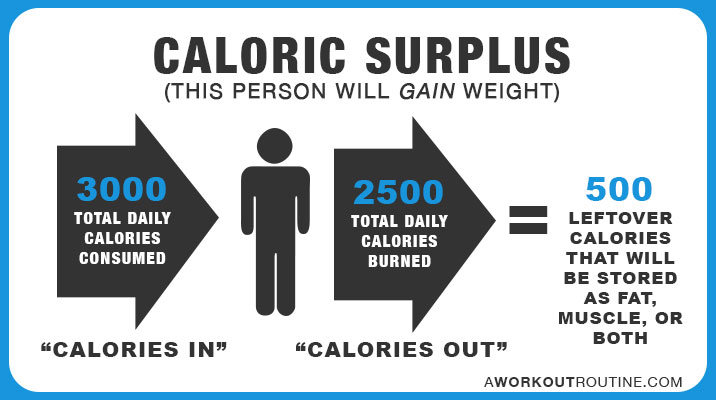
Credit: www.aworkoutroutine.com
Frequently Asked Questions
How Much Fat Should I Eat A Day To Gain Muscle?
Consume 20-35% of your daily calories from healthy fats to support muscle growth. Focus on sources like avocados, nuts, and olive oil. Adjust based on individual calorie needs and activity levels for optimal results.
Is 100 Grams Of Fat A Day Too Much?
Consuming 100 grams of fat daily may be excessive for most people. The recommended daily intake for adults is 20-35% of total calories. This equates to about 44-77 grams of fat on a 2,000-calorie diet. Consult a healthcare professional for personalized advice.
How Much Fat Per Day To Get Shredded?
Aim for 20-30% of your daily calories from healthy fats to get shredded. Focus on avocados, nuts, and olive oil. Adjust based on activity level and body type. Always consult a nutritionist for personalized advice. Keep track of intake for optimal results.
How Much Fat Is Needed To Build Muscle?
To build muscle, aim for 20-35% of your daily calories from fat. This ensures adequate energy and supports hormone production. Healthy fats, like those from avocados, nuts, and olive oil, are best. Balance your diet with proteins and carbohydrates for optimal muscle growth.
Conclusion
Balancing fat intake is crucial for muscle building. Healthy fats support energy and hormone levels. They aid recovery and enhance performance. Include sources like nuts, seeds, and avocados. These provide essential fatty acids. Monitor fat consumption based on your body needs.
This ensures optimal results without excess weight gain. Keep track of your progress. Adjust intake as your goals evolve. Stay consistent with your nutrition plan. Find what works best for your body. Consult a nutritionist if needed. Your muscle-building journey is unique.
Embrace it. Fuel your body wisely. Achieve your fitness goals with balanced fat consumption.