Are you tired of feeling like your calves are being left behind in your fitness journey? Do you dream of having strong, toned legs that not only look great but also enhance your performance in sports or daily activities?
You’re not alone. Many people struggle with building up their calf muscles, often finding that this area is stubborn and resistant to growth. But here’s the good news: transforming your calves into powerful pillars of strength is absolutely within your reach.
You’ll discover simple yet effective strategies to build up your calf muscles, boosting not just their size but also their strength and endurance. Stay with us, and let’s unlock the secrets to achieving the calves you’ve always wanted.
Anatomy Of Calf Muscles
Strengthen calf muscles through targeted exercises, including calf raises and seated calf presses. Consistent workouts enhance muscle definition and balance. Proper stretching and nutrition support growth and recovery efficiently.
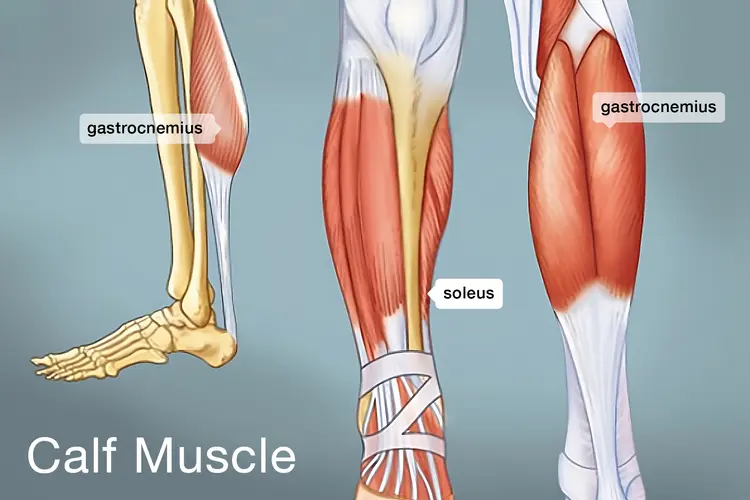
Understanding the anatomy of your calf muscles is key to building them up effectively. The calf is made up of two primary muscles: the gastrocnemius and the soleus. Each plays a unique role in movement and strength. By targeting both muscles in your workouts, you can achieve well-rounded calf development.
Gastrocnemius Muscle
The gastrocnemius is the larger and more prominent muscle in your calf. It’s the one you see when you flex your leg. This muscle has two parts, or “heads,” that run down the back of your leg. It’s crucial for activities that involve quick movements, like sprinting or jumping. Have you ever tried running up a hill and felt that intense burn in your calves? That’s the gastrocnemius working hard. To target this muscle, focus on exercises that involve standing, like calf raises. These exercises encourage the gastrocnemius to contract powerfully.
Soleus Muscle
The soleus muscle sits beneath the gastrocnemius and is often overlooked. However, it’s just as important for achieving strong, defined calves. This muscle is more engaged during slower, endurance activities. Think about when you’re walking or standing for long periods. The soleus helps maintain your posture and balance. To effectively work this muscle, try seated calf raises or activities that involve keeping your knees slightly bent. Isn’t it fascinating how each muscle has its own function and way to be exercised? By understanding these roles, you can tailor your workouts to ensure both muscles are getting the attention they deserve. Consider alternating between exercises focusing on each muscle to maintain balance and avoid overworking one. This approach not only enhances your muscle growth but also helps in preventing injuries. So, next time you’re at the gym, think about which muscle you’re targeting. Are you giving both the gastrocnemius and soleus the attention they deserve?

Credit: www.instagram.com
Importance Of Strong Calves
Have you ever considered the power hidden in your calves? Strong calves are more than just a sign of fitness; they’re essential for your overall well-being and performance. Whether you’re an athlete aiming for peak performance or someone who enjoys daily strolls, robust calf muscles offer numerous benefits. Let’s dive into why they matter.
Benefits For Athletes
Strong calves are a game-changer for athletes. They provide the explosive power needed for sprints and jumps. Picture yourself in a basketball game, where every leap counts. Your calves help you gain that extra inch to score a basket. Calf strength also boosts endurance. When running long distances, your calves play a crucial role in maintaining a steady pace. They absorb shock and reduce fatigue, letting you push your limits without tiring out too quickly. Injury prevention is another perk. Strong calves stabilize your ankles and protect against strains. Imagine finishing a marathon without worrying about sprained ankles. A solid foundation is vital for your athletic goals.
Role In Daily Activities
Your calves are your daily heroes. They support your every step, whether you’re climbing stairs or walking to work. Strong calves make these tasks easier and more efficient. Think about balancing on uneven surfaces. Your calves help you stay steady, preventing accidental falls. A simple trip to the grocery store becomes safer and more comfortable. Ever felt pain after long periods of standing? Calf muscles alleviate that discomfort. They provide support, reducing strain on your legs. Strong calves are your everyday allies, enhancing your quality of life.
Now, ask yourself: Are your calves as strong as they could be? Building them up is not just about aesthetics; it’s about improving your performance and comfort in every aspect of life. Start your journey to stronger calves today!
Calf Muscle Exercises
Building calf muscles takes dedication and smart exercise choices. Calf Muscle Exercises are essential if you’re aiming for stronger and more defined calves. They not only enhance your appearance but also improve balance and performance in sports. Imagine being able to sprint faster or jump higher, all because of a focus on these powerful muscles. Let’s dive into three effective exercises that you can add to your routine.
Standing Calf Raises
Standing calf raises are a straightforward yet powerful exercise. Start by standing on the edge of a step with your heels hanging off. Slowly rise onto your toes, feeling the stretch in your calves. Hold for a moment, then lower back down. You can add weights to increase the intensity. A friend of mine swears by this exercise, claiming it helped him boost his running speed. Could this be your secret weapon too?
Seated Calf Raises
Seated calf raises target a different part of your calf muscles. Sit on a bench with your feet flat on the floor. Place a weight on your knees and lift your heels, keeping your toes on the ground. This exercise is great for working the soleus muscle, which is crucial for endurance activities. If you want to cycle longer distances without fatigue, this might be the trick!
Jump Rope Drills
Jump rope drills are not only fun but incredibly effective for calf development. Grab a jump rope and try different variations: single jumps, double unders, or side swings. These drills increase your heart rate while strengthening your calves. I once met an athlete who attributed his agility on the field to consistent jump rope drills. Have you considered trying it out and seeing the difference?
Now that you know these exercises, why not put them to the test? Which one will you try first? Remember, consistency is key. Your calves will thank you for the effort!
Credit: www.webmd.com
Incorporating Resistance Training
Building calf muscles requires a strategic approach. Resistance training stands as a key method in enhancing muscle growth. It involves exercises that push the calf muscles to exert force against resistance. This type of training increases strength and size over time. By incorporating resistance training, you can effectively target calf muscles, leading to noticeable gains. Below, explore ways to utilize dumbbells and resistance bands for calf muscle development.
Using Dumbbells
Dumbbells are versatile tools for calf exercises. Hold a dumbbell in each hand. Stand with feet shoulder-width apart. Raise onto your toes slowly. Lower back down steadily. Perform multiple repetitions. This exercise targets the calf muscle effectively. Adjust the weight for increased resistance. Heavier weights can intensify the workout.
Utilizing Resistance Bands
Resistance bands offer varied levels of tension. Wrap a band around the ball of your foot. Pull the band towards you. Flex your calf muscles as you push against the band. This creates resistance and stimulates muscle growth. Bands are portable and easy to use. Ideal for home workouts or travel. Increase band tension for greater challenge.
Stretching For Flexibility
Building calf muscles requires a balance of strength and flexibility. Stretching enhances muscle flexibility, reducing injury risk and improving performance. Effective stretching prepares calves for workouts and aids recovery. Two types of stretches, dynamic and static, play key roles in muscle flexibility. Each offers unique benefits for calf development.
Dynamic Stretches
Dynamic stretches involve movement to warm up muscles. They increase blood flow and prepare calves for exercise. Try leg swings to loosen calf muscles. Swing each leg forward and backward for 10 reps. Calf raises on toes also work well. Perform 15 reps to activate and warm up the calves. These exercises enhance flexibility and readiness.
Static Stretches
Static stretches lengthen muscles after workouts. They help with relaxation and reduce soreness. The wall stretch is effective for calves. Stand facing a wall, place one foot forward, and lean in. Keep the back leg straight and hold for 30 seconds. Switch legs and repeat. Another option is the seated calf stretch. Sit on the floor with legs extended. Reach forward and grab your toes. Hold the stretch for 30 seconds. These stretches improve flexibility and recovery.
Nutrition For Muscle Growth
Building calf muscles requires focusing on nutrition and targeted exercises. Protein-rich foods aid muscle recovery and growth. Include lean meats, fish, and plant-based proteins for effective results.
Building up calf muscles is not just about lifting weights or performing endless calf raises. Nutrition plays a pivotal role in muscle growth. Fueling your body with the right nutrients ensures that your workouts are effective and your muscles can repair and grow. Without proper nutrition, your efforts in the gym may not yield the desired results. Let’s dive into how you can optimize your diet to maximize calf muscle growth.
Protein Intake
Protein is the building block of muscles. To build calf muscles, you need to consume adequate protein daily. This doesn’t mean you have to eat only chicken breast or chug protein shakes all day. Incorporate a variety of protein sources like lean meats, fish, eggs, and plant-based options such as beans and tofu. Aiming for about 0.7 to 1 gram of protein per pound of body weight can be beneficial. Have you ever noticed how athletes always have a protein-rich meal after their workouts? It’s because protein aids in muscle recovery and growth. Consider having a protein-rich snack or meal within an hour after your workout to support your muscle-building efforts.
Essential Vitamins And Minerals
Vitamins and minerals are crucial for muscle function and repair. They don’t just keep your body running smoothly; they also help in muscle recovery and growth. Calcium and magnesium, for example, are essential for muscle contraction and relaxation. Don’t overlook the power of vitamins like D and B-complex. Vitamin D helps with calcium absorption, while B vitamins are involved in energy production. Include foods rich in these nutrients, like leafy greens, nuts, seeds, and dairy products in your diet. Have you ever tried logging your meals to see if you’re getting enough of these nutrients? It might surprise you how a few adjustments can make a significant difference. Think of it as fine-tuning your body’s engine to run optimally. Balancing your diet with the right amounts of protein and essential vitamins and minerals can be a game-changer in your fitness journey. Are you ready to fuel your body for success?
Avoiding Common Mistakes
Building calf muscles requires avoiding common mistakes like skipping warm-ups and over-relying on one exercise. Regularly switch exercises to target different muscle groups for balanced development.
Building calf muscles can be an exciting journey, but it’s easy to trip up if you’re not careful. Many people make common mistakes that hinder their progress. By understanding these pitfalls, you can better plan your workouts and achieve those well-defined calves you’ve been dreaming of.
Overtraining Dangers
Overtraining is a trap many fall into when eager to see quick results. It’s tempting to think that more exercise equals faster progress, but that’s not always the case. Your calf muscles need time to recover and grow after each workout. I once went overboard with calf raises, thinking I’d get results faster. Instead, I ended up with sore muscles and little progress. It’s crucial to balance your workouts with proper rest periods. Ask yourself: Are you giving your calves enough time to recover between sessions?
Neglecting Recovery
Recovery is a vital part of any muscle-building regimen. Without adequate rest, your muscles can’t repair and strengthen. Many people skip this step, focusing only on the workout itself. Imagine planting a seed and forgetting to water it. Your muscles need rest to grow, much like that seed needs water. Incorporate rest days into your routine and consider activities like stretching or light walking to aid recovery. Have you been prioritizing recovery as much as your workouts? Taking the time to rest and heal can make all the difference in your muscle-building journey.
Tracking Progress
Building calf muscles involves exercises like calf raises and seated calf presses. Consistency and progressive overload enhance muscle growth. Tracking your progress helps adjust workouts for better results.
Tracking your progress is crucial when building up your calf muscles. It not only helps you stay motivated but also ensures you’re on the right path. When you see improvements, it boosts your confidence and encourages consistency in your workouts.
Setting Realistic Goals
It’s important to set goals that are achievable. Start by assessing where you are right now with your calf strength. Are you able to do a certain number of calf raises comfortably? Maybe you want to increase that number by 10% over a month. Keep your goals specific and measurable. Instead of just aiming to “build bigger calves,” set a target like “add 1 inch in calf circumference in three months.” Remember, progress takes time. Be patient with yourself and celebrate small victories along the way.
Monitoring Strength Gains
Track your strength by noting the weights you lift or the reps you perform. Keep a workout journal or use an app to log this data. How do you know if you’re getting stronger? If you’re able to lift more weight or complete more reps over time, that’s progress. Have you ever tried a before-and-after comparison? Take a photo or measure your calves every few weeks to visualize your gains. Have you been consistent with your routine? Reflect on your progress and adjust your goals if needed.

Credit: www.youtube.com
Frequently Asked Questions
What Is The Fastest Way To Build Calf Muscles?
Incorporate calf raises and jump rope exercises into your routine. Train consistently with progressive overload. Ensure adequate rest and nutrition, including protein-rich foods.
How Long Does It Take To Build Up Calf Muscle?
Building calf muscle typically takes 6-8 weeks with consistent workouts. Focus on exercises like calf raises and jumping. Ensure a balanced diet with sufficient protein for muscle growth. Patience and persistence are key to seeing results. Adjust intensity and gradually increase weights for better gains.
How To Build Up A Weak Calf Muscle?
Strengthen weak calf muscles with calf raises, seated calf raises, and toe walks. Increase resistance gradually. Maintain consistency in workouts. Ensure proper form to prevent injury. Prioritize stretching to enhance flexibility. Consider consulting a professional for personalized guidance.
Are Calf Muscles Hard To Build?
Calf muscles are challenging to build due to their dense fiber composition. Consistent strength training and targeted exercises help. Genetics also play a role in growth potential. Incorporate calf raises and varied workouts for effective results. Patience and persistence are key to developing well-defined calves.
Conclusion
Building calf muscles takes time, effort, and consistency. Start small and gradually increase your workouts. Focus on exercises that target your calves directly. Mix up your routine to keep it interesting. Pay attention to your form to avoid injury. Nutrition also plays a key role.
A balanced diet supports muscle growth. Stay hydrated and give your body time to rest. Patience and dedication are essential. Track your progress and celebrate small wins. With persistence, you’ll see your calves grow stronger. Keep pushing, and your efforts will pay off in the end.
Enjoy the journey to stronger calves!