Are you looking to transform your legs into pillars of strength and power? Building muscle in your legs isn’t just about looking great; it’s about feeling unstoppable.
Whether you’re aiming to enhance your athletic performance, improve your overall health, or simply boost your confidence, strong legs are the foundation. Imagine walking with a newfound sense of power and stability, knowing your legs can take you anywhere you want to go.
In this guide, you’ll discover simple yet effective strategies that will help you build muscle in your legs. Get ready to unlock the secrets to stronger legs and a stronger you. Let’s dive in and make every step count!

Credit: www.menshealth.com
Leg Anatomy Basics
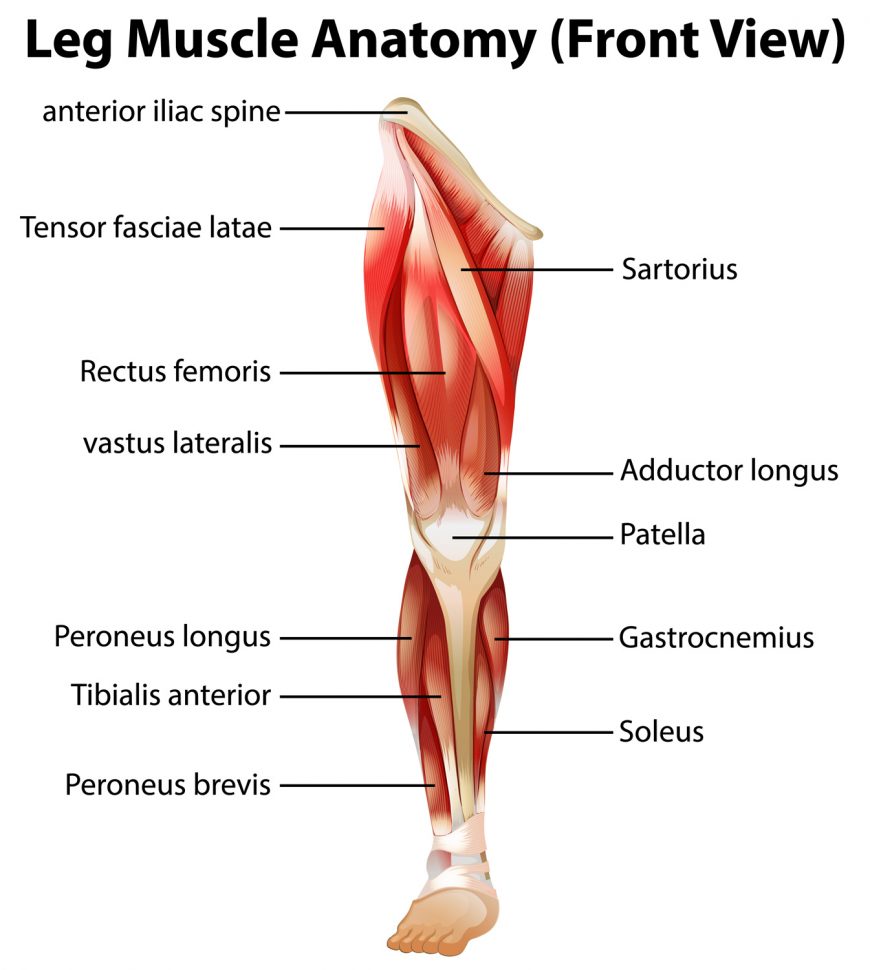
Understanding leg anatomy is vital for building muscle effectively. The legs consist of multiple muscle groups that work together. Each muscle group plays a key role in movement and stability. Knowing these basics can help enhance your workout strategy.
Major Muscle Groups
The legs feature several major muscle groups. The quadriceps, located at the front of the thigh, are crucial for extending the knee. The hamstrings, found at the back of the thigh, help in bending the knee. The calves, situated at the back of the lower leg, aid in foot movements. Glutes, or buttocks, are essential for hip movements and stability. These muscles support various functions and improve performance.
Function And Importance
Leg muscles support crucial daily activities. They stabilize the body and enable walking, running, and jumping. Strong leg muscles enhance balance and prevent injuries. They also contribute to overall strength and endurance. Building these muscles improves athletic performance and daily functioning. Strong legs also promote better posture and reduce strain on joints. Understanding leg anatomy helps in targeting workouts effectively.
Strength Training Exercises
Building muscle in your legs requires a solid plan. Strength training exercises are key. They help tone and define leg muscles effectively. This section explores some essential exercises. Each one targets different muscles. Let’s dive into squats, lunges, deadlifts, and leg press.
Squats
Squats are a powerhouse exercise. They engage multiple muscle groups. The primary focus is on thighs and glutes. Stand with feet shoulder-width apart. Lower your body as if sitting in a chair. Keep your back straight. Return to standing. Repeat for several reps. Squats improve balance and strength.
Lunges
Lunges target the quads and hamstrings. They also work on stability. Begin with feet together. Step forward with one leg. Lower your hips until both knees are bent at a 90-degree angle. Push back to starting position. Switch legs. Lunges improve coordination and flexibility.
Deadlifts
Deadlifts strengthen the entire lower body. They focus on hamstrings, glutes, and lower back. Stand with feet hip-width apart. Hold a barbell in front of you. Bend at the hips and knees. Keep your back straight. Lift the barbell by extending your hips and knees. Lower it back slowly. Deadlifts boost core stability.
Leg Press
Leg press targets the quads, glutes, and calves. Sit on the leg press machine. Place feet shoulder-width apart on the platform. Press the platform away by extending your legs. Slowly return to starting position. Keep your knees slightly bent. The leg press builds powerful legs efficiently.
Incorporating Resistance Bands
Building muscle in your legs can seem daunting. Resistance bands can make the process simpler. They are affordable and easy to use. You can carry them anywhere. They help target specific leg muscles. They add variety to your workouts. Resistance bands are ideal for strength training. They increase flexibility and improve balance. You will see results faster. Let’s explore how resistance bands benefit leg workouts.
Benefits Of Resistance Bands
Resistance bands are versatile tools. They create tension in muscles. This tension builds strength effectively. Bands are gentle on joints. They reduce the risk of injury. You can adjust the resistance level. This suits beginners and advanced athletes. Bands help with muscle activation. Your muscles engage more during exercises. They improve muscle endurance over time.
Effective Band Exercises
Squats with bands are great for the legs. Place the band above your knees. Lower into a squat position. Keep your back straight and chest up. Feel the resistance in your thighs. Lunges with bands also work wonders. Step forward with one foot. Place the band under your front foot. Push back to stand. This challenges your quads and glutes.
Try band leg curls for hamstrings. Anchor the band to a stable surface. Lie on your stomach. Hook the band around your ankles. Pull your feet toward your buttocks. Control the movement slowly. Side steps with bands target outer thighs. Place the band around your ankles. Step sideways with control. Keep tension in the band throughout.
Role Of Nutrition
Nutrition plays a crucial role in building leg muscles. Consuming protein-rich foods helps repair and grow muscle tissue. Balanced meals with carbs and healthy fats provide energy for workouts and recovery.
Building muscle in your legs isn’t just about squats and lunges. Nutrition plays a crucial role in the process. Without the right nutrients, your workouts may not give the results you’re hoping for. Eating the right foods can help you get stronger and more defined legs.
Protein For Muscle Growth
Protein is like the building blocks for your muscles. Consuming enough protein ensures your muscles repair and grow after a workout. Think about adding chicken breast, beans, or tofu to your meals. Imagine you just finished an intense leg workout. Your muscles are craving protein to start repairing themselves. Do you feed them what they need, or leave them hanging? Eating a protein-rich meal within a couple of hours can make all the difference.
Balancing Macronutrients
It’s not all about protein. Carbs and fats are also essential. Carbs give you the energy to power through those tough leg workouts. Without them, you might feel like you’re running on empty. Whole grains and fruits can be great energy sources. Don’t forget healthy fats. They support hormone production, which is vital for muscle growth. Foods like avocados and nuts can help here. Are you paying attention to the balance on your plate? A well-rounded meal ensures your body gets everything it needs to build muscle efficiently. Consider making a checklist. Are you eating enough protein, carbs, and fats daily? If not, it might be time to adjust your meals. Your legs will thank you for it.
Importance Of Rest And Recovery
Building muscle in your legs requires more than just intense workouts. Rest and recovery play a critical role in muscle growth. Without adequate rest, your muscles can’t repair and grow effectively. Proper recovery ensures your body has time to heal. It also helps prevent injuries. Let’s explore how rest can benefit your muscle-building journey.
Sleep And Muscle Repair
Sleep is vital for muscle repair. During sleep, your body produces growth hormones. These hormones help repair muscle tissues. Aim for 7 to 9 hours of sleep each night. Quality sleep boosts your energy levels too. It enhances your performance in workouts. Make your bedroom a restful environment. Reduce noise and keep it cool. Avoid screens before bedtime.
Active Recovery Techniques
Active recovery keeps your muscles engaged without overworking them. It includes light activities like walking or cycling. These activities increase blood flow to muscles. They help reduce soreness and stiffness. Stretching is also a good active recovery method. It improves flexibility and prevents injuries. Yoga can be an excellent choice for active recovery. It relaxes your mind and body.
Consider foam rolling as part of your routine. It helps break down muscle knots. It also improves blood circulation. Regular active recovery can accelerate your muscle growth. It keeps you consistent in your training. Engage in these techniques on rest days.
Tracking Progress
Building muscle in your legs requires consistent exercise and proper nutrition. Focus on exercises like squats and lunges. Track your progress weekly to see growth and adjust your routine as needed for optimal results.
Tracking your progress is essential when aiming to build muscle in your legs. Without keeping an eye on your improvements, it’s easy to lose motivation or continue with ineffective methods. By setting tangible goals and monitoring your strength gains, you can ensure that your leg workouts are leading to real growth and strength.
Setting Realistic Goals
Begin with setting achievable and specific goals. Instead of aiming to “get stronger legs,” decide to increase your squat by 10% in the next month. Break down your ultimate objective into smaller milestones. This approach keeps you motivated and allows you to celebrate small victories along the way. Reflect on past fitness challenges. What worked for you? Use that insight to set goals that are ambitious yet within reach.
Monitoring Strength Gains
Track your workouts in a journal or app. Recording sets, reps, and weights helps you visualize your progress. Consider periodic strength tests. Measure how many squats or lunges you can perform in a minute and track changes over time. Ask yourself: Are you lifting more weight or performing more reps than last week? If not, adjust your routine to push past plateaus. Remember, building muscle is a journey, not a race. Keep your focus on incremental progress and celebrate each step forward.
Avoiding Common Mistakes
Building leg muscles requires avoiding common mistakes like skipping warm-ups. Balance exercises with proper rest. Focus on technique over speed to prevent injury and maximize growth.
Building muscle in your legs can be a rewarding journey, but it’s easy to stumble if you’re not careful. Many people unknowingly make mistakes that can hinder their progress or even cause injury. Let’s dive into some common pitfalls and how you can avoid them to ensure you’re on the right track.
Overtraining Risks
Overtraining is a trap many fall into, thinking more workouts will lead to faster results. However, your muscles need time to recover to grow effectively. Pushing yourself too hard can lead to fatigue and increased risk of injury. Consider this: I once pushed through leg workouts every day, ignoring the soreness. What I ended up with was a strained muscle that sidelined me for weeks. Make sure to schedule rest days and listen to your body’s signals. A balanced approach with adequate rest is crucial. Aim for two to three leg sessions per week, allowing at least 48 hours for recovery in between.
Improper Form Issues
Improper form is a sneaky culprit that can sabotage your efforts and lead to injuries. It’s easy to let your technique slip when you’re eager to increase weights or reps. But without proper form, you’re not targeting the muscles effectively, and you risk serious injury. I remember struggling with squats, trying to lift more than I could handle. My form suffered, and my back paid the price. Don’t let ego dictate your workout. Start with lighter weights to master the form first. Seek guidance if needed. Watching videos, attending classes, or even hiring a trainer for a few sessions can make a big difference. Your future self will thank you for investing time in learning the correct techniques. Avoiding these common mistakes can pave the way for healthier, stronger legs. Have you ever caught yourself making one of these errors? What steps did you take to correct it? Share your thoughts and tips in the comments below!
Credit: greensafaris.com

Credit: www.youtube.com
Frequently Asked Questions
How Can I Build Leg Muscle Fast?
To build leg muscle fast, focus on squats, lunges, and deadlifts. Increase weights progressively and maintain proper form. Include high-protein foods in your diet. Ensure adequate rest and recovery for muscle growth. Stay hydrated and maintain consistent workout routines for best results.
What Foods Build Muscle In The Legs?
Lean meats like chicken and turkey, along with eggs, provide essential proteins for leg muscle growth. Incorporate fish like salmon for omega-3s and nutrients. Include quinoa and brown rice for carbohydrates. Vegetables such as spinach and kale offer vitamins and minerals.
Nuts and seeds provide healthy fats.
How Long Does It Take To Gain Muscle In My Legs?
Muscle growth in legs typically takes 8 to 12 weeks with consistent strength training and proper nutrition. Progress varies based on genetics, diet, and workout intensity. Ensure you rest adequately and maintain a balanced diet for best results. Consult a fitness professional for personalized guidance.
Is It Hard To Gain Muscle On Legs?
Gaining muscle on legs can be challenging due to their large muscle groups. Consistent strength training and proper nutrition are essential. Focus on exercises like squats, lunges, and deadlifts to build leg muscle. Ensure adequate protein intake and rest for muscle recovery and growth.
Stay committed for effective results.
Conclusion
Building muscle in your legs takes effort and consistency. Focus on effective exercises like squats and lunges. These target important muscle groups. Incorporate regular workouts into your routine. Balance your diet with protein-rich foods for muscle growth. Stay hydrated and get enough rest.
Your body needs recovery time. Remember, progress takes time. Patience is key. Track your improvement and adjust as needed. Celebrate small victories along the way. With dedication, you’ll see strong results. Keep moving forward. Your hard work will pay off.
Strong legs, strong foundation. Your journey to powerful legs begins now.