Are you looking to build muscle without consuming meat? You’re in the right place!
High protein vegetarian meals can be your secret weapon. Whether you’re a seasoned athlete or just starting your fitness journey, these meals are designed to help you gain strength and muscle. Imagine fueling your body with delicious, nutritious foods that not only support your goals but also tantalize your taste buds.
You’ll discover mouth-watering recipes and essential tips to maximize your muscle-building potential. Ready to transform your diet and see real results? Keep reading to unlock the power of plant-based protein!
Benefits Of High Protein Diet
Explore high protein vegetarian meals to support muscle building. These meals provide essential nutrients without meat. They boost strength and energy, aiding in muscle growth efficiently. Enjoy a variety of delicious, plant-based options for a healthier lifestyle.
Eating a high protein diet is essential for anyone aiming to build muscle, manage weight, or boost their metabolism. It provides your body with the building blocks it needs to function at its best. Whether you’re a seasoned athlete or just starting on your fitness journey, the benefits of prioritizing protein are profound. Let’s delve into some key advantages.Muscle Growth And Repair
Protein is crucial for muscle growth and repair. When you exercise, your muscle fibers break down, and protein helps repair and rebuild them stronger. Vegetarian sources like lentils, beans, and quinoa offer ample protein to support this process. Have you ever felt sore after a workout? That soreness is your body’s call for more protein to heal and build muscles.Satiety And Weight Management
A high protein diet can help you feel full longer, reducing the urge to snack excessively. This can be particularly beneficial if you’re trying to manage your weight. Consider how you feel after eating a protein-rich meal compared to a carb-heavy one; protein keeps hunger at bay. By choosing meals loaded with protein, you empower yourself to make healthier eating choices naturally.Metabolic Boost
Eating more protein can actually boost your metabolism. Your body uses more energy to digest protein than it does for fats or carbohydrates. This means you burn more calories just by eating protein-rich foods. Imagine turning your meals into mini workouts for your metabolism—how awesome is that? Incorporating high protein vegetarian meals into your diet doesn’t have to be complex. Start by adding more legumes, nuts, and seeds to your meals. What’s your favorite protein-packed dish? Try tweaking it for a vegetarian twist today!
Credit: www.olivaclinic.com
Key Protein Sources For Vegetarians
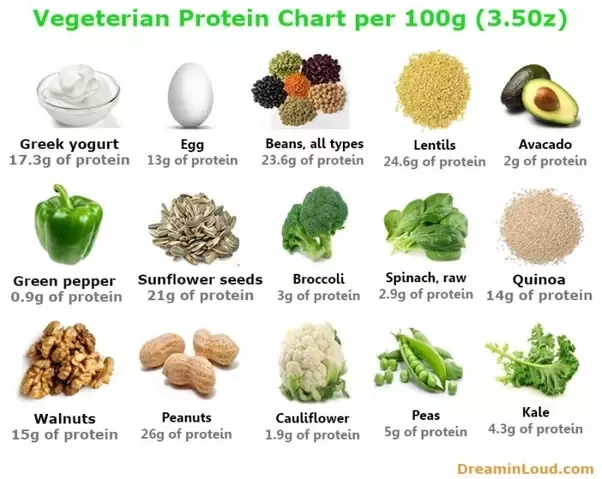
Lentils, quinoa, and chickpeas offer excellent protein for vegetarian muscle building. Tofu and tempeh are versatile options. Nuts and seeds, like almonds and chia, boost protein intake effectively.
Vegetarians seeking muscle growth need protein-rich meals. Without meat, finding protein sources can be a challenge. Yet, a variety of vegetarian options exist. These foods can support muscle building effectively. Discover key protein sources below.Legumes And Lentils
Legumes offer substantial protein. Beans, chickpeas, and lentils rank high. Lentils are quick to cook. They fit well in soups and salads. Beans are versatile too. Add them to stews or make a bean dip. Chickpeas are great for hummus or salads. They pack a protein punch.Nuts And Seeds
Nuts and seeds are nutrient-dense. Almonds, walnuts, and chia seeds are popular choices. Almonds work well as snacks or in smoothies. Walnuts add crunch to dishes. Chia seeds are rich in protein and omega-3. Sprinkle them on yogurt or blend them in drinks.Dairy And Eggs
Dairy and eggs are excellent protein sources. Greek yogurt is thick and high in protein. Cheese can be added to various meals. Eggs are versatile and quick to prepare. Scrambled, boiled, or in an omelet, they are filling. Enjoy these options daily for muscle growth.Soy Products
Soy products are protein-rich. Tofu and tempeh are favorites. Tofu absorbs flavors well. Use it in stir-fries or grill it. Tempeh has a nutty taste and firm texture. It is perfect for sandwiches or salads. Soy milk is another option. It’s great for smoothies or cereal.Essential Nutrients For Muscle Building
Building muscle requires more than just lifting weights. Nutrition plays a crucial role. Essential nutrients fuel your body, repair tissues, and promote growth. High protein vegetarian meals can be packed with these nutrients. They provide what your muscles need to grow and strengthen. Understanding these nutrients can help you make better dietary choices.
Amino Acids
Amino acids are the building blocks of protein. They help repair muscle tissue. Essential amino acids must come from food. Foods like beans and lentils are rich in amino acids. Quinoa and chia seeds also provide these vital nutrients. They help your muscles recover after workouts. Including a variety of these foods ensures you get all essential amino acids.
Vitamins And Minerals
Vitamins and minerals support muscle function. Vitamin D helps in calcium absorption. It strengthens bones and muscles. Iron helps in oxygen transport to muscles. Leafy greens are rich in iron and vitamin D. Nuts and seeds provide magnesium. Magnesium aids muscle relaxation and prevents cramps. Ensure your diet includes these vitamins and minerals.
Healthy Fats
Healthy fats provide energy for workouts. They support cell growth and hormone production. Omega-3 fatty acids reduce inflammation. They help in muscle recovery. Avocados and walnuts are great sources. Flaxseeds and olive oil also offer healthy fats. These fats keep your energy levels high. Include them in your meals for better performance.
Meal Planning Tips
Planning meals for muscle building can be challenging for vegetarians. High protein meals are crucial for building and repairing muscles. With the right tips, vegetarian meals can provide ample protein. Here are some meal planning tips to guide your muscle-building journey.
Balancing Macronutrients
A balanced diet includes proteins, carbohydrates, and fats. Proteins help muscles grow and repair. Carbohydrates provide energy for workouts and recovery. Fats support hormone production and cell health. Incorporate foods like beans, lentils, and quinoa. They offer protein and carbs. Nuts and seeds provide healthy fats.
Timing Protein Intake
Spread protein intake throughout the day. Include protein in every meal. Breakfast, lunch, and dinner should have protein sources. Snacks are important too. A protein-rich snack can boost muscle repair. After workouts, consume protein within 30 minutes. This helps muscles recover faster.
Variety And Creativity
Eating the same meals can become dull. Introduce variety in your diet. Try different protein sources. Chickpeas, tofu, and tempeh are great options. Experiment with spices and herbs. They add flavor without extra calories. Use different cooking methods. Grilling, baking, and steaming keep meals interesting.
Sample Meal Ideas
Exploring high-protein vegetarian meals can boost muscle building. They offer variety and taste while providing essential nutrients. Incorporate these meals into your diet to support your fitness goals. Here’s a list of sample meal ideas to try. They cover breakfast, lunch, dinner, and snacks. Each meal ensures adequate protein intake. Enjoy a balanced and fulfilling diet with these options.
Breakfast Options
Start your day with a protein-packed breakfast. Try scrambled tofu with spinach and tomatoes. Add a side of whole-grain toast. Or, enjoy a Greek yogurt parfait with mixed berries and nuts. Overnight oats with almond butter and chia seeds are another great choice. These meals provide energy and support muscle growth.
Lunch Recipes
Lunchtime can include hearty vegetarian dishes. Consider a chickpea salad with avocado and cucumber. Add lemon juice for extra flavor. Quinoa and black bean burritos with salsa and guacamole are delicious too. Lentil soup with a slice of whole-grain bread is warming and filling. Each option delivers a satisfying protein boost.
Dinner Plans
For dinner, try grilled tempeh with roasted vegetables. Serve it with brown rice or quinoa. A tofu stir-fry with broccoli and bell peppers is flavorful and nutritious. Another option is a vegetable curry with chickpeas and coconut milk. Pair it with whole-grain naan or rice. These meals help support muscle recovery.
Snack Suggestions
Snacking can also contribute to your protein intake. Munch on edamame or roasted chickpeas. A smoothie with spinach, banana, and protein powder is refreshing. Hummus with carrot and celery sticks makes a satisfying snack. Almonds or mixed nuts provide a quick protein fix. Keep these snacks handy to stay energized.
Supplements For Vegetarians
For vegetarians aiming to build muscle, supplements can be essential. They fill nutritional gaps when dietary sources fall short. Understanding which supplements benefit muscle growth is crucial. Let’s explore some options and their importance.
Protein Powders
Protein powders are a popular choice among vegetarians. They provide a concentrated protein source. Whey is common, but plant-based options are available too. Pea, soy, and rice protein powders work well. They help meet daily protein needs conveniently. Consider mixing them into smoothies or meals.
Creatine And Other Aids
Creatine is another supplement worth considering. It’s found in small amounts in plant foods. Supplementing can improve muscle performance and growth. Beta-alanine and branched-chain amino acids (BCAAs) are useful too. They aid in muscle recovery and endurance. Always choose supplements that suit your dietary preferences.
Safety And Effectiveness
Safety should be a top priority with supplements. Consult a healthcare professional before starting. Ensure the supplement is suitable for your needs. Check for certifications and quality standards. Effectiveness varies among individuals. Start with recommended doses. Monitor your body’s response to see benefits.
Common Challenges And Solutions
Building muscle with vegetarian meals often faces the challenge of protein intake. Solutions include incorporating beans, lentils, and tofu into your diet. These foods provide essential nutrients for muscle growth.
Switching to a vegetarian diet while focusing on muscle building can seem daunting. Many fear missing out on essential nutrients or believe that vegetarian meals won’t meet their protein needs. However, with a little planning and creativity, you can overcome these challenges and enjoy a high-protein diet that fuels your fitness goals. Let’s dive into some common challenges and practical solutions.Meeting Protein Needs
One of the biggest concerns is ensuring enough protein intake. You might wonder if plant-based sources can match animal proteins. The answer is yes. Foods like lentils, chickpeas, tofu, and quinoa are excellent protein sources. A simple solution is to mix and match these protein-rich ingredients in your meals. Consider a quinoa salad with chickpeas or a stir-fry with tofu and vegetables. Keep your meals varied to make sure you’re getting a range of amino acids.Avoiding Nutrient Deficiencies
Vegetarian diets can sometimes lack certain nutrients like vitamin B12, iron, and omega-3 fatty acids. Are you worried about missing these essentials? You’re not alone. Many vegetarians face this challenge. To address this, include fortified foods in your diet. Opt for cereals with added vitamin B12 or plant-based milk with calcium and vitamin D. You can also add chia seeds or flaxseeds for omega-3s. Regular blood tests can help you monitor your nutrient levels and adjust your diet accordingly.Overcoming Taste Preferences
Not everyone is a fan of tofu or lentils. You might think vegetarian meals lack flavor, especially if you’re accustomed to meat-based dishes. But what if I told you that vegetarian meals can be as flavorful, if not more so? Experiment with spices and herbs. Try marinating tofu in soy sauce, ginger, and garlic for a savory delight. Or add a dash of cumin and coriander to your lentil curry. Find what excites your taste buds. You might discover a new favorite dish that makes your muscle-building journey enjoyable. Have you tried any of these solutions? Share your experiences and tips in the comments below. Your insights could inspire someone else to embrace high-protein vegetarian meals with confidence.
Credit: www.pinterest.com
Success Stories And Testimonials
Discover inspiring stories from individuals who built muscle with high-protein vegetarian meals. Learn how plant-based diets provide essential nutrients. Real-life testimonials highlight success in achieving fitness goals and maintaining a healthy lifestyle.
Success stories and testimonials can be powerful motivators for anyone looking to build muscle with high protein vegetarian meals. Hearing from those who have walked the path can inspire you and offer practical insights. Let’s dive into the experiences of athletes, personal journeys, and expert opinions that highlight the potential of a vegetarian diet in muscle building.Athlete Experiences
Many athletes have successfully transitioned to a vegetarian diet without compromising their performance. Take Jane, a competitive runner who swapped her meat-heavy meals for plant-based protein sources. Within months, she noticed improved recovery times and sustained energy levels during long runs. Jane’s story isn’t unique; several athletes have reported similar benefits, proving that vegetarian meals can fuel even the most demanding sports routines. Have you considered how your diet affects your athletic performance? It might be time to experiment with plant-based proteins and see the difference for yourself.Personal Journeys
Personal stories bring a human touch to the muscle-building journey. Mark, a fitness enthusiast, switched to vegetarian meals after struggling with digestion issues. By focusing on high-protein options like lentils, quinoa, and tofu, he not only alleviated his discomfort but also gained muscle mass more efficiently. Mark’s transformation showcases that a vegetarian diet can be both nourishing and effective for muscle growth. What challenges have you faced in your fitness journey? Exploring new dietary approaches might offer solutions you hadn’t considered.Expert Opinions
Nutritionists and dietitians often emphasize the benefits of a balanced vegetarian diet. Dr. Emily, a registered dietitian, highlights the importance of variety in protein sources. She suggests combining different plant-based proteins to ensure you get all essential amino acids. This expert insight is crucial as it underscores the importance of a well-rounded approach to vegetarian muscle building. Have you consulted with a nutritionist about your dietary choices? Their expertise might provide valuable guidance tailored to your needs. — These success stories and testimonials illustrate the potential of high protein vegetarian meals in muscle building. Whether you’re an athlete, someone embarking on a personal fitness journey, or seeking expert advice, there’s a wealth of inspiration and practical tips to explore.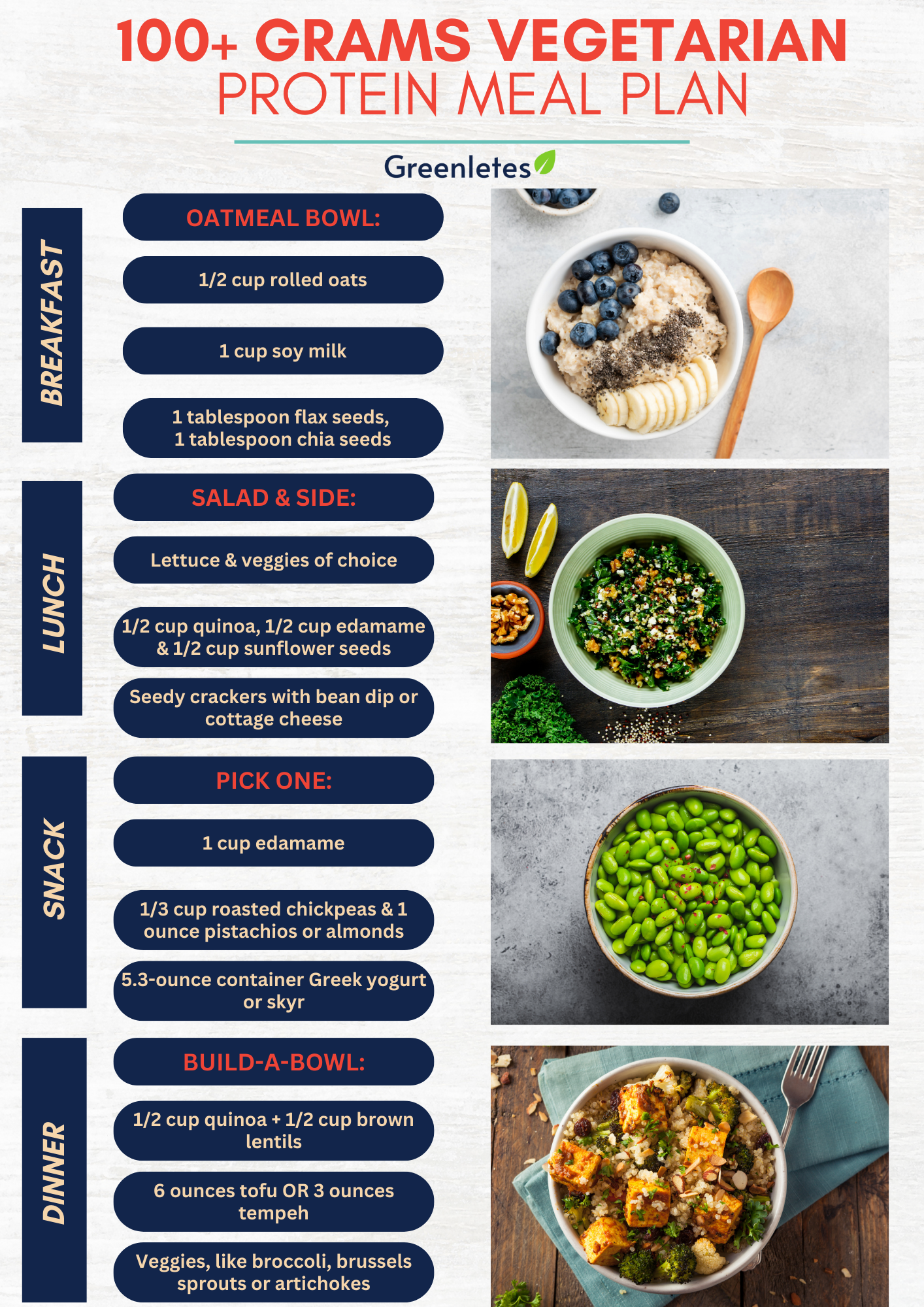
Credit: greenletes.com
Frequently Asked Questions
What Vegetarians Should Eat For Muscle Building Protein?
Vegetarians can build muscle by consuming plant-based protein sources like lentils, chickpeas, quinoa, tofu, tempeh, and edamame. Incorporate nuts, seeds, and Greek yogurt for additional protein. Consider protein-rich grains like amaranth and millet. Include diverse sources to ensure a complete amino acid profile for optimal muscle growth.
How To Get 120g Protein A Day Vegetarian?
Eat high-protein foods like lentils, chickpeas, quinoa, tofu, tempeh, Greek yogurt, and protein-rich nuts. Incorporate protein powders or shakes if needed. Plan meals to ensure a balanced intake throughout the day.
How To Get 100g Protein A Day Vegetarian?
Combine foods like lentils, chickpeas, quinoa, tofu, tempeh, Greek yogurt, and nuts. Include protein-rich vegetables like spinach and broccoli. Snack on seeds and nuts. Consider a plant-based protein powder for smoothies. Plan balanced meals to reach 100g protein daily.
How To Get 30g Of Protein Each Meal Vegetarian?
Combine lentils, chickpeas, and quinoa for protein-rich meals. Add tofu or tempeh for extra protein. Include Greek yogurt, nuts, and seeds. Use protein-rich grains like buckwheat and amaranth. Incorporate protein powder into smoothies or oatmeal. Choose varied sources to meet daily protein needs effectively.
Conclusion
High protein vegetarian meals support muscle growth and strength. They offer rich nutrition without meat. Beans, lentils, and tofu are great protein sources. Simple recipes make cooking easy and fun. You can enjoy diverse flavors. These meals fit well into a balanced diet.
They help in achieving fitness goals. Eating healthy does not have to be hard. Start with small changes. Gradually, they lead to big results. Enjoy the journey to better health. Feel stronger, healthier, and more energized. Make protein-rich vegetarian meals a regular part of your routine.
Your muscles will thank you.