Ready to kickstart your fitness journey but unsure where to begin? Crafting the perfect gym workout plan as a beginner can feel overwhelming, but it doesn’t have to be.
Imagine walking into the gym with confidence, knowing exactly what exercises to do and how they contribute to your goals. This guide is your ticket to transforming uncertainty into excitement. You’re not alone in this; many have stood where you stand now, and with the right plan, they’ve achieved incredible results.
Let’s dive in and create a workout routine that not only fits your lifestyle but also keeps you motivated every step of the way. Ready to take the first step towards a healthier you? Keep reading to discover how simple and rewarding it can be.

Credit: www.pinterest.com
Benefits Of A Structured Workout Plan
Starting a gym workout plan can feel overwhelming. Many beginners don’t know where to start. A structured workout plan offers many benefits. It guides your fitness journey with clarity. This plan ensures consistent progress and avoids common pitfalls. Let’s explore some key benefits.
Improved Motivation And Focus
A structured workout plan keeps you motivated. Knowing what to do each day reduces decision fatigue. You focus on the workout instead of planning. This focus helps maintain enthusiasm and drive.
Better Progress Tracking
Tracking progress is crucial for fitness success. A structured plan makes it easier. You can measure your improvements over time. This tracking helps you adjust workouts for better results.
Balanced Muscle Development
Random workouts can lead to imbalances. A structured plan ensures all muscle groups get attention. Balanced workouts prevent injuries and promote uniform strength.
Efficient Use Of Gym Time
Time at the gym is precious. A structured plan maximizes this time. You know exactly what to do and for how long. This efficiency leaves no room for wasted minutes.
Enhanced Confidence And Safety
Confidence grows with a structured plan. You know your exercises and limits. This knowledge reduces injury risk. Safe workouts build a strong fitness foundation.
Setting Realistic Fitness Goals
Starting a gym workout plan for beginners involves setting realistic fitness goals. Small, achievable targets help maintain motivation and track progress. Consistency is key in building a sustainable routine that fits personal needs and lifestyle.
Setting realistic fitness goals is crucial for anyone starting a gym workout plan. It’s easy to feel overwhelmed by the sheer variety of exercises and fitness advice available. With clear, achievable goals, you set yourself up for success and steady progress.Understanding Your Starting Point
Before setting goals, take a moment to assess your current fitness level. Try a few basic exercises like push-ups or squats and see how you feel. This helps you understand where you’re starting from and tailor your goals accordingly.Setting Specific Goals
Vague goals like “get fit” can be daunting. Instead, aim for specific targets like “run a mile without stopping” or “lift a certain weight.” Specificity makes your goals measurable and achievable.Short-term Vs. Long-term Goals
Think about what you want to achieve now versus in the future. Short-term goals might include improving your endurance or mastering a new exercise. Long-term goals could be losing a certain amount of weight or building muscle.Making Goals Achievable
It’s vital that your goals are realistic and achievable. If you set the bar too high, you risk frustration. Consider your lifestyle, time constraints, and current fitness level. Small, achievable steps can lead to big changes.Tracking Your Progress
Consider keeping a journal to track your workouts and progress. Seeing how far you’ve come can be incredibly motivating. Are you feeling stronger? Can you do more reps than last week? Tracking helps you stay on course.Adjusting Goals As Needed
Sometimes life gets in the way, and that’s okay. Be flexible and adjust your goals if necessary. If you find a goal too challenging, break it down into smaller steps or give yourself more time. The key is to keep moving forward. What keeps you going when the initial excitement wears off? Find a workout buddy or join a community for support. Celebrate small victories and remind yourself why you started. Motivation is the fuel for your fitness journey. Setting realistic fitness goals can be the difference between giving up and achieving your dreams. What small goal can you set today that will lead to a healthier, happier you?Essential Gym Gear For Beginners
Starting your gym journey is exciting yet daunting. The right gear can make all the difference in your workout experience, boosting confidence and performance. If you’re unsure where to begin, don’t worry—this guide will help you navigate the essentials.
Choosing The Right Footwear
Your shoes matter. They support your feet during various exercises. Choose shoes that provide cushioning, stability, and a good grip. Think about the activities you plan to do. Running shoes differ from weightlifting shoes. The right pair can prevent injuries and make your workout enjoyable.
Comfortable Workout Clothing
Comfort is key during workouts. Opt for breathable fabrics that wick away sweat. Choose clothes that fit well but allow movement. Consider compression wear for added support. Feeling good in your gear can boost motivation and help you focus on your routine.
Invest In A Quality Water Bottle
Staying hydrated is crucial. A durable water bottle keeps your drink cold and encourages regular sips. Look for leak-proof designs and easy-to-clean materials. Hydration affects your energy and concentration, so keep that bottle handy!
Gym Bag Essentials
A well-packed gym bag saves time and keeps you organized. Include a towel, deodorant, and a change of clothes. Add headphones for music motivation and a snack for post-workout energy. This preparation ensures you’re ready for any workout challenge.
Optional: Fitness Tracker
Tracking progress can be motivating. A fitness tracker monitors your heart rate, steps, and more. It’s not essential but can provide insights into your performance. Ask yourself if data-driven motivation could enhance your gym experience.
When you walk into the gym with the right gear, you’re setting yourself up for success. Each item plays a role in your comfort and performance. Consider what works best for you and enhance your workout journey from day one.
Understanding Basic Exercises
Starting a gym workout plan is exciting. Basic exercises form the foundation. They help build strength and endurance. Understanding these exercises is crucial for beginners. You’ll learn how each movement benefits your body. It’s essential for achieving fitness goals.
Importance Of Form
Proper form ensures safety. It maximizes exercise effectiveness. Good posture targets muscles correctly. It prevents injuries and strains. Focus on your body alignment. Use mirrors to check your stance. Listen to your body. Stop if you feel pain.
Common Mistakes To Avoid
Many beginners rush exercises. Speed reduces effectiveness. It increases injury risk. Avoid lifting too much weight. Start with lighter weights. Gradually increase as you gain strength. Incorrect breathing affects performance. Exhale during exertion. Inhale during rest.
Creating A Balanced Routine
Crafting a gym workout plan for beginners involves creating a balanced routine. Start with basic exercises like squats and push-ups. Gradually increase intensity as your strength improves. Aim for consistency to build healthy habits over time.
Creating a balanced workout routine is the cornerstone of any fitness journey, especially for beginners. It sets the foundation for steady progress and helps prevent injuries. When I first started working out, I found that mixing different types of exercises kept me motivated and engaged. It also made me feel accomplished, knowing I was targeting all areas of my fitness. So, how can you create a balanced routine that suits your needs and goals?Cardio Workouts
Cardio exercises are vital for heart health and boosting your stamina. Whether it’s jogging, cycling, or swimming, these workouts get your heart rate up. Start with a brisk walk or a light jog for 10-15 minutes. Gradually increase the time and intensity as you feel more comfortable. Have you ever felt that rush of energy post-run? It’s addictive, and it’s a sign that you’re on the right track. Pick activities that you enjoy, and they won’t feel like a chore.Strength Training
Building strength is crucial for muscle growth and overall fitness. Begin with basic exercises like squats, lunges, and push-ups. These movements target major muscle groups and improve your body’s endurance. If you’re new to lifting weights, start with lighter dumbbells and focus on form. I remember feeling intimidated by weights at first, but once I saw my progress, it became empowering. Aim for two to three sessions a week, allowing your muscles time to recover.Flexibility And Stretching
Flexibility and stretching are often overlooked, yet they’re essential for preventing injury and enhancing performance. Incorporate dynamic stretches before your workout to warm up muscles. Post-workout, try static stretches to aid recovery. Ever tried yoga? It’s a fantastic way to improve flexibility and calm your mind. Spend at least 5-10 minutes stretching after each session. This practice not only improves your range of motion but also leaves you feeling refreshed. Creating a balanced routine doesn’t have to be complex. It’s about understanding your body and what it needs to thrive. What activities make you feel alive and energized? How can you mix them to maintain a healthy balance? Dive into each category with curiosity and enthusiasm, and watch as your fitness journey transforms.
Credit: www.pinterest.com
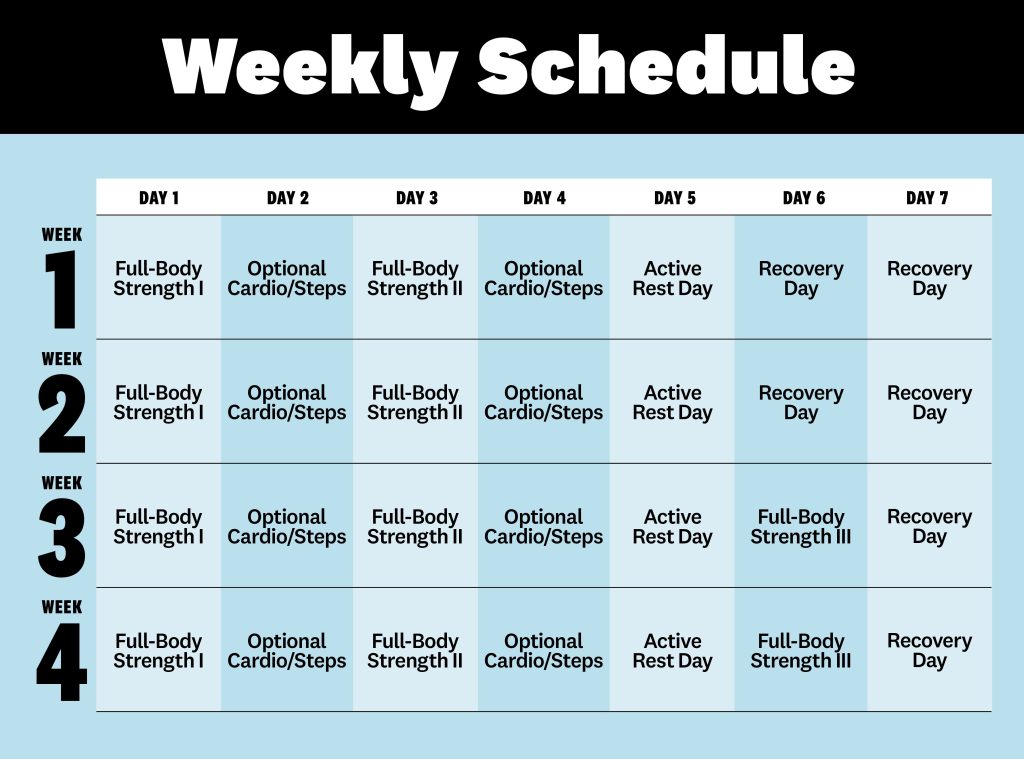
Weekly Workout Schedule
Starting a gym workout plan can be exciting for beginners. Focus on building strength and endurance gradually. A weekly schedule helps stay consistent, balancing cardio and strength training.
Embarking on a gym workout plan as a beginner can be both exciting and a bit overwhelming. A well-structured weekly workout schedule is essential to keep you motivated and on track. Having a clear plan helps you focus on your goals and ensures that you’re making the most of your time at the gym. Let’s dive into a sample weekly workout schedule that balances variety, intensity, and necessary rest.Sample Day-by-day Plan
Day 1: Upper Body Strength Kick off the week with exercises targeting your chest, shoulders, and arms. Think bench presses and push-ups for chest and shoulders, and incorporate bicep curls to work on those arms. Keep your reps between 8-12 to build strength effectively. Day 2: Lower Body Strength Focus on exercises like squats and lunges to engage your legs and glutes. Remember to maintain proper form to avoid injury. Incorporate calf raises and hamstring curls to round out your lower body workout. Day 3: Cardio and Core Mix things up with 30 minutes of cardio—running, cycling, or rowing. Add in core exercises like planks and Russian twists. A strong core supports your entire body and enhances overall performance. Day 4: Active Rest Take this day to allow your muscles to recover with light activities. Consider yoga or a leisurely walk. This keeps you active without the intensity of regular workouts. Day 5: Full Body Workout Bring it all together with a mix of upper and lower body exercises. Use compound movements like deadlifts and burpees. Aim for a balanced routine that challenges your stamina and endurance. Day 6: Cardio and Flexibility Engage in your favorite cardio for 20-30 minutes. Follow it with stretches or a yoga session. Flexibility is key to preventing injuries and improving performance. Day 7: Rest Take a complete rest day. Allow your body to recover fully. This is essential for muscle growth and mental rejuvenation.Rest And Recovery
Rest days are not just “days off.” They are vital for muscle repair and growth. Overtraining can lead to fatigue and possible injury. Ensuring you get enough sleep and proper nutrition is equally important. Prioritize a balanced diet rich in protein and hydration to support recovery. How do you feel after a rest day? Often, you’ll notice increased energy and strength during your next workout. It’s a reminder that recovery is just as crucial as the workout itself.Nutrition Tips For Beginners
Starting a new gym workout plan is exciting. Nutrition plays a key role in success. Eating the right foods fuels your body. It helps you gain strength and recover faster. Beginners often overlook nutrition. But it’s as important as the workout itself.
Understanding what to eat can be challenging. This guide will simplify it for you. Follow these nutrition tips to complement your workout routine.
Pre-workout Meals
Eating before your workout boosts energy. Choose foods rich in carbohydrates and protein. Carbohydrates provide quick energy. Protein supports muscle repair.
Try a banana with peanut butter. Or a small bowl of oatmeal. These snacks are easy to digest. They won’t weigh you down during exercise.
Aim to eat 30 to 60 minutes before working out. This gives your body time to digest. Avoid heavy or greasy foods. They may cause discomfort.
Post-workout Nutrition
After working out, your body needs to recover. A good post-workout meal is crucial. Focus on protein and carbohydrates again.
Grilled chicken with rice is a great option. Or a smoothie with protein powder. These meals replenish energy and repair muscles.
Eat within 30 minutes of finishing your workout. This helps maximize recovery. Stay hydrated, too. Water is essential for muscle function.
By following these tips, you’ll support your gym efforts. Nutrition is your workout’s best friend.
Staying Motivated
Starting a gym workout plan can be exciting, but staying motivated is often challenging. Many beginners struggle to keep their enthusiasm high. Motivation is key to achieving fitness goals. Without it, progress can stall. Let’s explore effective ways to stay motivated.
Tracking Progress
Tracking progress helps keep motivation levels high. Record workouts consistently. Note down sets, reps, and weights used. This shows improvement over time. Seeing progress is encouraging. Use apps or journals to track. Visualizing growth can boost confidence.
Overcoming Plateaus
Plateaus can drain motivation. They happen when progress slows or stops. Changing workout routines can help. Try different exercises or increase intensity. Rest is crucial too. Ensure adequate recovery time. Adjust your diet if needed. Breaking plateaus re-energizes your commitment.
Safety Tips For New Gym-goers
Starting a gym workout plan requires attention to safety. Begin with basic exercises to avoid injury. Focus on proper form and start with lighter weights. Gradually increase intensity. Listen to your body and rest when needed.
Starting your gym journey can be both exciting and overwhelming. With so much equipment and workout routines to choose from, safety should be your top priority. Let’s dive into some essential safety tips to ensure you have a positive and injury-free experience at the gym.Using Equipment Properly
Understanding gym equipment is crucial for your safety. Each machine is designed for specific exercises, and using them incorrectly can lead to injuries. Start by reading the instructions on the equipment or watching online tutorials. Many gyms also offer introductory sessions where trainers demonstrate the correct use of machines. Don’t hesitate to ask for help if you’re unsure. Remember, everyone was a beginner once. Also, ensure you’re using the right weight for your fitness level. It’s tempting to lift heavy, but starting light and gradually increasing your weights will build strength safely.Listening To Your Body
Your body is your best guide at the gym. Pay attention to how you feel during and after workouts. If something hurts or feels wrong, stop immediately. Rest is just as important as exercise. Your muscles need time to recover and grow stronger. Ensure you’re incorporating rest days into your routine to avoid burnout and overuse injuries. Hydration and nutrition play key roles in your workout performance and recovery. Keep a water bottle handy and fuel your body with nutritious foods before and after workouts. By focusing on safety, you’ll set a solid foundation for your fitness journey. What are your safety tips for staying injury-free at the gym? Share your thoughts in the comments!
Credit: www.greensafaris.com
Frequently Asked Questions
What Is A Good Gym Schedule For Beginners?
A good gym schedule for beginners includes three days of strength training and two days of cardio weekly. Focus on different muscle groups each session. Ensure rest days between workouts. Start with lighter weights and gradually increase. Always prioritize proper form and warm-up before exercising.
What Is The 3/2/1 Rule In Gym?
The 3/2/1 rule in the gym involves 3 sets, 2-minute rest periods, and 1 goal in mind. This approach ensures structured workouts, optimal recovery, and clear objectives, enhancing workout efficiency and results. Implementing this rule can help improve strength, endurance, and overall fitness levels.
Which Gym Exercise Is Best For Beginners?
Squats, push-ups, and lunges are great for beginners. These exercises build strength and improve flexibility. Start with light weights and focus on proper form. Gradually increase intensity as you gain confidence. Consistency is key to progress. Consider joining a class or hiring a trainer for guidance.
What Is The 5-3-1 Rule In Gym?
The 5-3-1 rule is a strength training program. It involves performing sets of five, three, and one repetition. This method focuses on gradually increasing weight to improve strength and muscle growth over time. It is popular for its simplicity and effectiveness in building strength.
Conclusion
Starting a gym workout plan can be exciting and rewarding. Consistency is key. Aim for regular workouts and watch your progress. Listen to your body. Rest when needed to avoid injury. Set realistic goals. Track your achievements and celebrate milestones.
Stay motivated by varying your routines. Mix strength training with cardio for balanced fitness. Remember, every small step counts towards better health. Keep learning and adapting your plan as you grow stronger. You’re on the right path. Enjoy the journey and the positive changes it brings to your life.