Imagine looking in the mirror and seeing the body you’ve always dreamed of—a body that’s not just lean but also strong and muscular. You can achieve this transformation with the right diet, which is your most powerful tool in building muscle and burning fat.
But it’s not just about eating less or cutting out entire food groups. It’s about making smart choices that fuel your body efficiently, allowing you to sculpt your physique while feeling energized and satisfied. Are you curious to discover how the right foods can become your allies in this journey?
Keep reading, as we unveil the secrets of a good diet tailored specifically for muscle growth and fat loss. You won’t want to miss these game-changing tips that could redefine your approach to nutrition and fitness.
Key Nutrients For Muscle Growth
Protein fuels muscle repair and growth. Carbohydrates provide energy for workouts. Healthy fats support hormone balance. Essential vitamins and minerals keep body functions running smoothly. Eating balanced meals builds muscle and burns fat effectively.
Building muscle while burning fat is a balanced science, and understanding the key nutrients can make all the difference. You might wonder what exactly fuels muscle growth and fat loss. The answer lies in how you choose and combine your nutrients. Knowing which nutrients to focus on can help you achieve your fitness goals effectively.Protein Sources
Protein is crucial for muscle repair and growth. Think of it as the building blocks your body needs to construct stronger muscles. Lean meats like chicken and turkey are excellent choices. If you’re vegetarian, beans and lentils offer a great protein punch. Don’t forget about eggs. They are packed with high-quality protein and are easy to prepare. Mixing protein sources keeps meals interesting and ensures you get a variety of amino acids.Essential Fats
Fat isn’t always the enemy; it’s actually vital for hormone production and overall health. Essential fats like omega-3s found in fish such as salmon, support muscle growth and recovery. Nuts and seeds offer both healthy fats and protein. Avocado is another great option, providing the healthy fats needed to keep you energized. So, instead of avoiding fats, choose the right ones to fuel your body.Carbohydrate Role
Carbohydrates are your body’s primary energy source. They fuel your workouts and help your muscles recover. Whole grains like oats, quinoa, and brown rice provide lasting energy and are packed with nutrients. Fruits and vegetables are rich in carbs and fiber, aiding digestion and keeping you full. Timing your carb intake can also enhance your performance; try eating them before a workout for an energy boost. Are you ready to tweak your diet for better results? Consider how these nutrients fit into your meals and align with your fitness goals. You might find small changes can make a big difference in your journey to building muscle and burning fat.Balancing Macronutrients
Balancing macronutrients is crucial for building muscle and burning fat efficiently. Protein supports muscle growth, while carbohydrates provide energy for workouts. Healthy fats help maintain hormonal balance, aiding in recovery and fat loss.
Balancing macronutrients is crucial for building muscle and burning fat. Proteins, fats, and carbohydrates all play vital roles in achieving fitness goals. Eating the right balance ensures your body gets the energy and nutrients it needs. This balance helps in muscle growth and fat loss. Understanding each macronutrient is key to success. Let’s explore optimal protein intake, healthy fat choices, and smart carbohydrate strategies.Optimal Protein Intake
Protein is the building block of muscles. It helps repair and grow muscle tissue. Aim for a steady protein intake throughout the day. Include sources like chicken, fish, eggs, and legumes. Protein shakes can be handy, especially post-workout. Balance is essential, don’t overconsume. Your muscles need protein to recover and strengthen. A consistent supply aids in achieving muscle mass goals.Healthy Fat Choices
Fats are essential for hormone production and energy. Choose healthy fats like avocados, nuts, and olive oil. Avoid trans fats and processed oils. Healthy fats support overall health and weight management. They provide long-lasting energy for workouts. Including fats in your diet helps you feel satisfied. This reduces cravings for unhealthy snacks.Smart Carbohydrate Strategies
Carbohydrates fuel your workouts. They provide energy for muscle activity. Opt for complex carbs like whole grains and vegetables. These carbs release energy slowly. Avoid refined sugars and white bread. Smart carb choices help maintain energy levels. They support muscle building and fat burning. Timing is also important. Consume carbs before and after exercise for best results.Meal Timing And Frequency
Understanding meal timing and frequency is key for building muscle and burning fat. Eating at the right times can enhance your workouts and recovery. It also helps you stay energized throughout the day. Balancing meal frequency ensures your body has constant access to nutrients. This supports muscle growth and aids fat loss. Let’s explore how to optimize meal timing for maximum benefits.
Pre-workout Meals
Pre-workout meals fuel your body for exercise. They provide the energy needed to perform well. Eating a balanced meal 1-2 hours before working out is ideal. Include carbohydrates for energy and protein for muscle support. Avoid heavy meals that can cause discomfort during exercise. A banana with peanut butter or yogurt with fruit are great options.
Post-workout Recovery
Post-workout recovery is crucial for muscle repair. Eating after exercise replenishes energy stores and supports muscle growth. Aim to eat within 30 minutes to an hour after your workout. Include protein to aid muscle recovery and carbohydrates to restore energy levels. Grilled chicken with brown rice or a protein smoothie are excellent choices.
Intermittent Fasting Benefits
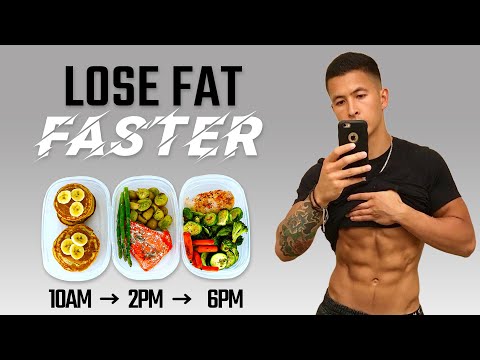
Intermittent fasting can be beneficial for muscle building and fat loss. It involves cycling between periods of eating and fasting. This eating pattern can enhance fat burning while preserving muscle mass. Fasting may improve insulin sensitivity, aiding in better nutrient absorption. Choose a fasting schedule that fits your lifestyle and workout routine.
Credit: www.youtube.com
Hydration Importance
Proper hydration plays a key role in muscle building and fat burning. Water supports every cell function. It aids digestion, nutrient absorption, and waste removal. Lack of hydration can lead to fatigue and poor performance. Staying hydrated is crucial for athletes and fitness enthusiasts. It helps maintain energy levels and focus during workouts. Let’s explore why hydration is vital for muscle growth and fat loss.
Water Needs For Athletes
Athletes need more water than the average person. They lose fluids through sweat during workouts. To stay hydrated, drink water before, during, and after exercise. An athlete should aim to drink at least 64 ounces daily. This amount can vary with exercise intensity and climate. Monitor urine color to check hydration. Pale yellow indicates proper hydration. Dark yellow signals dehydration.
Electrolytes And Performance
Electrolytes are minerals like sodium, potassium, and magnesium. They help regulate fluid balance and muscle function. Intense exercise can deplete electrolytes through sweat. Replenish them to sustain performance and avoid cramps. Consider electrolyte-rich drinks or snacks post-workout. Bananas, nuts, and yogurt are good sources. Balance is key. Too many electrolytes can be harmful. Listen to your body’s needs and adjust accordingly.
Supplements For Muscle And Fat Loss
Building muscle and burning fat often require more than just exercise and diet. Supplements can play a crucial role in supporting these goals. They provide essential nutrients that might be lacking in your diet. They can also enhance workout performance and recovery.
Protein Powders
Protein powders are popular for muscle growth. They are easy to use and digest. Whey protein is a top choice. It contains all essential amino acids. It aids in muscle repair after workouts. Plant-based proteins like pea and soy are great alternatives. They support muscle building and are suitable for vegans.
Creatine Benefits
Creatine boosts energy during workouts. It helps muscles produce energy quickly. This can improve exercise performance and increase muscle mass. Creatine also aids in muscle recovery. It is one of the most researched supplements. Many athletes use it safely.
Fat Burners
Fat burners can help enhance fat loss. They boost metabolism and increase energy levels. Ingredients like caffeine and green tea extract are common. They help the body burn calories faster. Fat burners should complement a healthy diet and exercise. Overuse can lead to side effects. Always consult a healthcare provider before using.
Credit: www.menshealth.com
Combining Diet With Exercise
Healthy eating fuels muscle growth and aids fat loss. Balanced meals with proteins, carbs, and fats optimize body performance. Regular exercise complements dietary efforts, sculpting a lean physique while maintaining overall wellness.
Combining a good diet with exercise is like pairing a well-tailored suit with the perfect shoes—each enhances the other. To build muscle and burn fat, your meals should fuel your workouts, while your exercises should maximize the nutrients from your diet. This combo can transform your body and boost your confidence. Are you ready to see how these two can work together for your fitness goals?Strength Training
Strength training is a key player in muscle building. It involves exercises like weight lifting or resistance workouts. These activities push your muscles to grow stronger and bigger. To get the most out of strength training, ensure you’re consuming enough protein. Foods like chicken, fish, and beans are excellent choices. Protein helps repair and grow your muscles post-exercise. Consider this: when I started lifting weights, I noticed a significant change when I increased my protein intake. My workouts felt more effective, and my recovery time improved. How about you? Are you fueling your muscles adequately?Cardio For Fat Loss
Cardio exercises burn calories, which is essential for losing fat. Activities like running, cycling, and swimming can raise your heart rate and torch calories. Balance is crucial. Too much cardio can eat away at muscle gains. Aim for moderate sessions, around 30 minutes a few times a week. It’s like when I decided to incorporate running into my routine. I noticed my body becoming leaner without sacrificing muscle mass. Have you found your cardio sweet spot yet?Recovery And Rest Days
Recovery is as important as the workouts themselves. Your muscles need time to repair and grow. Rest days prevent burnout and reduce injury risk. Ensure you’re getting enough sleep—around 7-9 hours per night. Sleep is when your body does most of its repair work. Think about it: when I started prioritizing rest, my performance and results improved significantly. Are you giving your body the downtime it needs to thrive? Combining diet with exercise is not just about working hard; it’s about working smart. Pay attention to how your body responds, and adjust accordingly. The journey is personal, and these insights can help you find what works best for you.Common Diet Mistakes
Many people make diet mistakes when trying to build muscle and burn fat. Eating too little protein can hinder muscle growth. Consuming excessive calories may lead to fat gain instead of loss. Balancing nutrients is key for optimal results.
When you’re striving to build muscle and burn fat, a balanced diet is your best friend. Yet, many fall into the trap of common diet mistakes that can derail progress. By being aware of these pitfalls, you can fine-tune your nutrition plan and achieve your fitness goals more efficiently.Overeating Healthy Foods
It’s easy to assume that eating healthy foods in large amounts won’t harm your diet. After all, they’re nutritious, right? However, even healthy foods contain calories, and consuming them in excess can hinder your fat loss efforts. Consider nuts, a popular health snack. They are packed with healthy fats and proteins, but they are also calorie-dense. A handful is great, but a whole bag can easily tip your calorie balance. Always measure portions and keep track of how much you’re eating.Underestimating Calorie Intake
You might think you’re eating fewer calories than you actually are. This is a common mistake that can stall fat loss. Do you really know how many calories are in that smoothie or salad dressing? Tracking your food intake can be a game-changer. Use apps or food journals to log everything you eat. This doesn’t just help in keeping calories in check but also gives insights into your eating habits. Are you ready to see how those “small” snacks add up?Ignoring Micronutrients
Focusing solely on macronutrients like proteins, carbs, and fats can cause you to overlook micronutrients. Vitamins and minerals are crucial for overall health and muscle recovery. Are you getting enough iron or vitamin D? A colorful plate usually means a range of nutrients. Include a variety of fruits and vegetables in your diet. Think of your meals as a spectrum of colors, ensuring each color represents a different nutrient. Why settle for a monotonous diet when diversity can boost your health? Recognizing these common mistakes can significantly impact your fitness journey. By tweaking your approach, you can enjoy a diet that’s both satisfying and effective. What changes will you make today to align your diet with your goals?
Credit: www.asweetpeachef.com
Personalizing Your Diet Plan
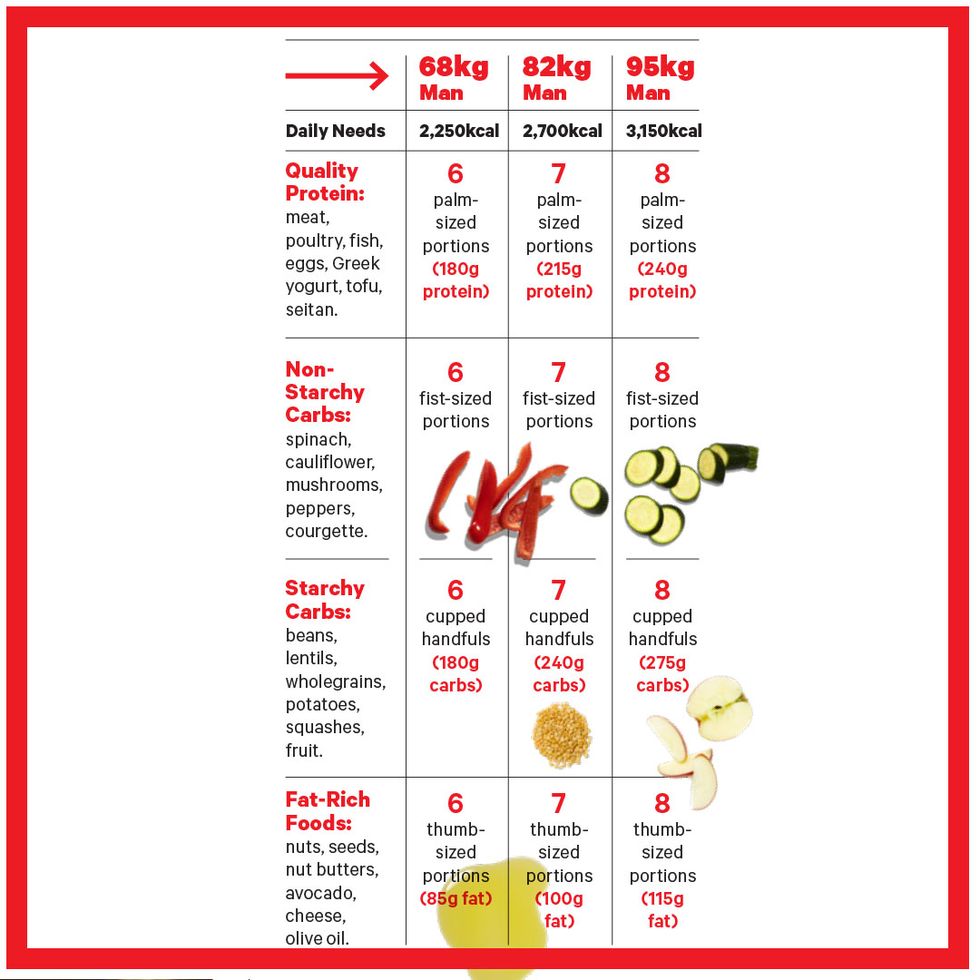
Crafting a diet plan tailored to muscle building and fat burning involves balancing protein, carbs, and healthy fats. Focus on lean meats, whole grains, and vegetables to fuel workouts and aid recovery. Adjust portion sizes to meet individual needs for effective results.
Personalizing your diet plan can optimize muscle building and fat burning. Each person has unique dietary needs. Tailoring your diet ensures effective results and keeps you motivated. Understanding your body’s requirements helps in creating a sustainable eating plan. This section will guide you on how to tailor your diet.Assessing Individual Needs
Start by evaluating your current lifestyle and goals. Consider your age, weight, and activity level. These factors influence your nutritional requirements. Determine your daily calorie intake. Use an online calculator or consult a nutritionist. Identify your macronutrient needs: proteins, fats, and carbohydrates. Balance these nutrients to support muscle growth and fat loss. Listen to your body. It tells you what it needs.Adjusting For Progress
Monitor your progress regularly. Keep a food journal or use a tracking app. Note changes in your body and energy levels. Adjust your diet based on these observations. Increase protein intake if muscle gain is slow. Reduce carbohydrates if fat loss stalls. Small changes can make a big difference. Be patient and consistent. Your body needs time to adapt.Seeking Professional Guidance
Consider consulting a dietitian or nutritionist. They can provide personalized advice. Professionals understand the science behind nutrition. They help you create a plan tailored to your needs. A structured plan increases the likelihood of success. They can also address any dietary concerns. Professional guidance ensures you stay healthy while reaching your goals.Frequently Asked Questions
What Diet Is Best For Building Muscle And Losing Fat?
A balanced diet high in protein, healthy fats, and complex carbohydrates is ideal. Include lean meats, fish, eggs, whole grains, fruits, and vegetables. Stay hydrated and consume enough calories to support muscle growth while maintaining a calorie deficit to lose fat.
Prioritize nutrient-dense foods and avoid processed foods.
Can I Build Muscle And Burn Fat At The Same Time?
Yes, you can build muscle and burn fat simultaneously. Focus on strength training, a high-protein diet, and maintaining a calorie deficit. Ensure adequate rest and manage stress levels for optimal results. Consistency and proper nutrition are key to achieving both goals efficiently.
How Do Bodybuilders Eat So Much And Not Get Fat?
Bodybuilders eat large amounts because they burn calories through intense workouts. They focus on nutrient-dense foods, balance protein, carbs, and fats, and maintain a calorie surplus for muscle growth. Regular exercise and meal timing help manage weight while building muscle.
How Much Should I Eat To Build Muscle And Burn Fat?
Eat 1. 2-2. 2 grams of protein per kilogram of body weight daily. Consume moderate carbs and healthy fats. Adjust calorie intake based on goals. Use a slight calorie surplus to build muscle or a slight deficit to burn fat.
Prioritize whole foods and maintain a balanced diet.
Conclusion
Building muscle and burning fat needs a good diet plan. Focus on lean proteins like chicken and fish. They help muscle growth. Add vegetables and fruits for vitamins and minerals. These boost energy. Whole grains provide long-lasting energy and keep you full.
Healthy fats from nuts and avocados are important too. They aid in recovery. Stay hydrated to improve workout performance. Consistency is key. Stick to your plan and see results over time. Remember, a balanced diet supports your fitness goals. Eat smart and stay active for the best results.