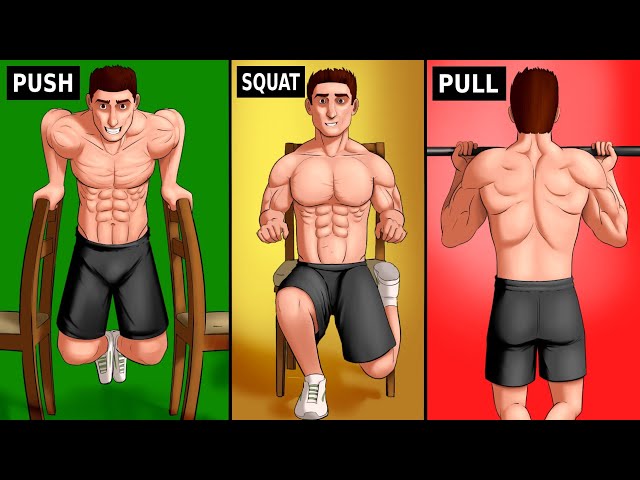
Are you looking to build muscle without hitting the gym? You might be surprised to learn that your own body weight can be your greatest tool in achieving a strong and toned physique.
Imagine transforming your body using exercises that require no more than the space around you—sounds convenient, right? Whether you’re a beginner or a seasoned fitness enthusiast, body weight exercises offer a versatile and effective way to build muscle. This approach not only saves you time but also adapts to your personal fitness level.
Intrigued? Let’s dive into the world of good body weight exercises that will help you sculpt and strengthen without the need for fancy equipment. Keep reading to discover how you can maximize your workout routine and see real results.
Benefits Of Body Weight Exercises
Push-ups and squats are effective for building muscle. These exercises use your body weight to strengthen muscles. They improve endurance, flexibility, and core stability. Perfect for home workouts without equipment.
Body weight exercises offer a practical and effective way to build muscle and improve fitness. You don’t need fancy gym equipment or a personal trainer to get started. Instead, you can strengthen and tone your body using just your weight. These exercises can be done anywhere, anytime, making them accessible for everyone. By understanding the benefits of body weight exercises, you can create a workout routine that fits your lifestyle and goals.Convenience And Accessibility
Body weight exercises can be done at home, in a park, or even in your office during a break. There’s no need for gym memberships or waiting for equipment. This convenience removes barriers and excuses, allowing you to focus on your fitness goals. Have you ever found yourself skipping a workout because of a busy schedule? With body weight exercises, you can squeeze in a quick session whenever you have a few spare minutes.Improved Functional Strength
These exercises enhance your ability to perform everyday activities. Think of movements like squatting to pick up groceries or pushing yourself off the ground. Body weight exercises mimic these real-life movements, improving your functional strength. This translates to a better quality of life, reducing the risk of injury in daily tasks. Imagine feeling more confident in your ability to move and handle physical challenges.Adaptability And Progression
Body weight exercises can be easily adapted to match your fitness level. Beginners can start with basic movements, while advanced athletes can modify exercises to increase difficulty. This adaptability allows you to continually challenge yourself as you progress. Want to make push-ups more challenging? Try doing them with one hand or on an incline. The possibilities are endless, keeping your workouts fresh and exciting.Engagement Of Multiple Muscle Groups
Many body weight exercises, like push-ups and planks, engage multiple muscle groups simultaneously. This leads to a more efficient workout, maximizing your results in less time. You’ll build strength, improve coordination, and increase endurance all at once. Have you ever felt like you spent hours at the gym without seeing results? Body weight exercises ensure every minute counts.Cost-effective Fitness Solution
No equipment, no problem. Body weight exercises require no investment in gear or gym fees. This makes them a cost-effective option for anyone looking to get fit without breaking the bank. You can invest your savings in other areas of your life, knowing that your fitness routine is covered. What would you do with the extra money you save by skipping the gym? Maybe a well-deserved vacation or a new hobby. Incorporating body weight exercises into your routine offers numerous benefits. They’re not just for beginners; even seasoned athletes can find value in these versatile workouts. Embrace the simplicity and effectiveness of body weight exercises, and watch your strength and confidence grow.
Credit: www.youtube.com
Key Principles For Muscle Growth
Muscle growth requires understanding and applying key principles. These principles guide your body weight exercises for effective muscle building. By focusing on these, you can maximize your workouts and see real progress. Let’s explore the essential elements that contribute to muscle growth.
Consistency And Progression
Consistency is crucial for muscle growth. Regular workouts keep your muscles engaged and growing. Progression involves gradually increasing workout intensity. This could mean more repetitions or harder variations. Always challenge your muscles to adapt.
Proper Form
Maintaining proper form is essential to avoid injury. It ensures muscles are worked correctly. Focus on technique rather than speed. This maximizes muscle engagement and growth. Quality over quantity always wins.
Balanced Routine
A balanced routine targets all major muscle groups. This prevents muscle imbalances. Include exercises for upper, lower body, and core. A balanced workout promotes overall strength and muscle development.
Rest And Recovery
Muscles need rest to grow. Allow time for recovery after workouts. Rest days are crucial for muscle repair. They help prevent fatigue and overtraining. Listen to your body and give it the rest it needs.
Nutrition And Hydration
Nutrition fuels muscle growth. Eat a balanced diet with protein, carbs, and fats. Hydration supports muscle function and recovery. Water keeps your muscles hydrated and healthy. Proper nutrition and hydration are key to muscle building.
Upper Body Workouts
Upper body workouts are essential for building strength and muscle. You don’t need fancy equipment to achieve impressive results. Your body weight is a powerful tool. It’s accessible, challenging, and effective. Let’s dive into some exercises that will transform your upper body.
Push-ups Variations
Push-ups are a classic exercise that targets your chest, shoulders, and triceps. You can spice things up with variations. Try the diamond push-up, where your hands form a diamond shape beneath your chest. This targets your triceps more intensely.
Another variation is the decline push-up. Elevate your feet on a chair or step. This shifts more weight to your upper chest and shoulders. It adds a level of difficulty that keeps your muscles guessing.
Ever tried clapping push-ups? They build explosive power. As you push off the ground, clap your hands before landing. It’s challenging but rewarding. Which variation will you tackle first?
Pull-ups And Chin-ups
Pull-ups and chin-ups are fantastic for your back, shoulders, and biceps. They require a bar, but they’re worth the investment. You can start with assisted pull-ups if you’re new to them. Use a resistance band or machine to lighten the load.
Once you’ve mastered the basics, progress to unassisted versions. Pull-ups have palms facing away, emphasizing your back and shoulders. Chin-ups have palms facing towards you, engaging your biceps more.
Consistency is key. Set small goals, like increasing your reps each week. You’ll soon find yourself reaching new heights. Are you ready to conquer the pull-up bar?
Dips And Their Impact
Dips are excellent for your triceps, chest, and shoulders. You can perform them on parallel bars or even the edge of a chair. Lower your body until your elbows reach a 90-degree angle. Push back up using your triceps.
Feeling adventurous? Try weighted dips. Add a backpack with weights or a dip belt. It ramps up the intensity and muscle-building potential.
Dips are versatile. They can be adapted to suit your fitness level. They strengthen and sculpt your upper body effectively. What’s holding you back from adding dips to your routine?
Upper body workouts using your body weight are not only convenient but also incredibly effective. They offer endless variations to keep your muscles challenged and growing. So, roll up your sleeves and get started on your journey to a stronger, more defined upper body!
Core Strengthening Exercises
Building strong core muscles is essential for overall body fitness. A strong core supports balance and stability. It helps improve posture and reduces injury risk. Core exercises also benefit daily activities. They make movements easier and more efficient. Let’s explore some effective core exercises.
Plank Techniques
The plank is a powerful core exercise. It engages multiple muscle groups. To start, lie face down on the floor. Lift your body with your forearms and toes. Keep your body straight and aligned. Hold this position for 30 seconds to one minute. Remember to breathe steadily throughout the exercise. For a challenge, try side planks. Rotate your body to one side. Balance on one forearm and the side of your foot. This variation strengthens the oblique muscles.
Leg Raises
Leg raises target the lower abdominal muscles. Lie on your back with legs extended. Place your hands under your hips for support. Lift your legs towards the ceiling slowly. Keep them straight and together. Lower them back without touching the floor. Repeat this movement for several repetitions. Engage your core by keeping your back flat. Avoid arching it during the exercise.
Russian Twists
Russian twists are excellent for the oblique muscles. Sit on the ground with knees bent. Lean back slightly, keeping your back straight. Hold your hands together in front of you. Rotate your torso to the right. Return to the center, then twist to the left. For added intensity, hold a weight or medicine ball. Perform this exercise slowly for best results. Focus on engaging the core throughout the movement.
Lower Body Movements
Building muscle doesn’t always require weights. Body weight exercises can be very effective. Lower body movements target major muscle groups. They help build strength and improve balance. You can do them anywhere, no equipment needed.
Squats And Variations
Squats are a fantastic lower body exercise. They target your thighs, hips, and glutes. Begin with a basic squat. Stand with your feet shoulder-width apart. Lower your body as if sitting back in a chair. Keep your chest up and back straight. Try different squat variations for more challenge. Jump squats add a cardio element. Pistol squats work on balance and strength. Both will increase muscle endurance.
Lunges For Muscle Development
Lunges are excellent for building leg muscles. They engage your quads, hamstrings, and glutes. Start with your feet together. Step one foot forward and lower your hips. Keep your front knee above your ankle. Alternate legs to work both sides. Walking lunges add movement and intensity. Reverse lunges challenge your balance. Both variations enhance muscle growth.
Calf Raises
Calf raises focus on the lower leg muscles. They help in building strong calves. Stand with your feet hip-width apart. Lift your heels off the ground. Hold for a few seconds at the top. Lower your heels slowly. Repeat several times for effective results. Use a step for greater range of motion. Single-leg calf raises add an extra challenge. They improve balance and muscle control.

Credit: www.marks.fitness
Full Body Workouts
Push-ups, squats, and lunges effectively build muscle using only body weight. They enhance strength and promote muscle growth. Incorporating these exercises into a routine targets major muscle groups for balanced development.
In today’s fast-paced world, full body workouts are a fantastic way to build muscle efficiently without needing a gym. These exercises engage multiple muscle groups at once, maximizing your time and effort. Whether you’re a beginner or an experienced fitness enthusiast, full body workouts can be tailored to meet your needs and goals.Burpees For Endurance
Burpees are a powerhouse exercise that challenge your endurance and strength. Start by standing with your feet shoulder-width apart. Drop into a squat, place your hands on the floor, and kick your feet back into a plank position. Quickly return to the squat and jump up with your arms overhead. This exercise targets your arms, chest, quads, glutes, and core. Try doing three sets of 10 burpees. Feel the burn as your heart rate climbs. Have you ever felt your heart pounding like this after just a minute of exercise?Mountain Climbers
Mountain climbers are excellent for working your core while adding a cardio element. Begin in a plank position with your hands under your shoulders. Drive your knees toward your chest alternately, as if you’re sprinting against the ground. This movement keeps your core engaged and your shoulders stable. Aim for three sets of 30 seconds each. Can you maintain the speed without losing form?Jumping Jacks
Jumping jacks are a classic exercise that might remind you of school gym classes, but they’re more than just nostalgic. Stand with your feet together and arms by your side. Jump while spreading your legs and raising your arms overhead. Return to the starting position and repeat. This exercise increases your heart rate and works on your coordination. Try doing three sets of 20 reps. Remember the joy of movement you felt as a child? Tap into that energy now. By incorporating these full body workouts into your routine, you’ll build muscle, improve endurance, and enjoy a healthier lifestyle. What’s your favorite full body exercise? Share your thoughts and experiences in the comments below!Progression And Challenges
Building muscle with body weight exercises poses both progression and challenges. Increasing reps and variations helps in progression. Challenges include maintaining motivation and ensuring proper form to avoid injury.
Building muscle with body weight exercises is an exciting journey filled with opportunities for growth and self-discovery. However, it’s not without its challenges. One of the biggest hurdles is ensuring continuous progression. You might start strong, but how do you keep pushing yourself to new heights? Below, we explore how to increase intensity, add equipment, and track your progress to keep your workouts effective and engaging.Increasing Intensity
To build muscle, you must consistently challenge your body. Start with basic exercises like push-ups, squats, and lunges. Once these become manageable, it’s time to ramp things up. Consider variations of your favorite moves. Try diamond push-ups or pistol squats to engage different muscles. Increase the number of reps or reduce rest time between sets. You’ll be surprised how a small tweak can make a big difference. Have you ever tried adding explosive movements? Plyometric exercises like jump squats or clap push-ups not only increase intensity but also enhance your power and agility. What new challenges can you introduce today?Incorporating Equipment
While body weight exercises are powerful, a little equipment can elevate your routine. Resistance bands are a great start. They’re versatile, affordable, and easy to use at home. Add a pull-up bar to your space. Pull-ups are excellent for building upper body strength. If you find them tough, use a band for assistance and gradually decrease the support as you get stronger. Suspension trainers like TRX can offer a full-body workout. They force you to engage your core, adding complexity to simple movements. What equipment can you add to boost your training?Tracking Progress
To keep progressing, you need to know where you stand. Tracking your workouts is crucial. Note the number of reps, sets, and rest times in a journal or an app. Set specific goals. Want to do 20 push-ups without stopping? Write it down. Celebrate small victories to stay motivated. A week ago, maybe you struggled with 10; today, you did 15. That’s progress! Don’t forget to record how you feel. Sometimes numbers don’t tell the whole story. Feeling stronger, more energetic, or just happier after a workout is a win. How will you track and celebrate your journey?Common Mistakes To Avoid
Many people skip warming up before body weight exercises, risking injury. Another mistake is incorrect form, which reduces effectiveness. Consistency is key; irregular workouts hinder muscle growth.
Building muscle with body weight exercises is a fantastic way to stay fit without needing a gym membership. However, many people unknowingly make mistakes that can hinder their progress. By avoiding these common pitfalls, you can maximize your workouts and see real results.Improper Form
Using the wrong form during exercises can lead to injuries or ineffective workouts. It’s crucial to ensure each movement is performed correctly. Take push-ups, for example. Many people let their hips sag or fail to keep their back straight. This not only reduces the exercise’s effectiveness but could also strain your back. Consider recording yourself or working with a friend to check your form.Neglecting Progression
Your body adapts over time, so sticking with the same routine can stall muscle growth. Are your workouts feeling too easy? It might be time to increase the challenge. You can do this by adding reps, slowing down the movement, or trying more advanced variations. Push-ups can evolve into diamond push-ups or even one-arm push-ups. Always strive to push your limits a bit further.Ignoring Rest Days
Rest is as vital as the workout itself. Muscles need time to repair and grow. Overtraining can lead to fatigue and diminish your progress. Are you allowing your body enough recovery time? Aim for at least one rest day between intense sessions. This downtime helps muscles heal and prepares them for the next challenge.Skipping Warm-ups
Jumping straight into intense exercises might seem efficient, but it can lead to injuries. Warming up prepares your muscles and joints for the workout ahead. You might find dynamic stretches or light jogging helpful. They not only prevent strains but also enhance your performance. Take five minutes before your routine to get your body ready.Focusing Only On One Muscle Group
It’s easy to favor exercises that target your favorite muscle groups. However, this can lead to imbalances and potential injuries. Are you giving equal attention to all areas? Balance your workouts with exercises that target different muscles. For example, if you’re doing squats for your legs, mix in some planks for core strength. Aim for a well-rounded fitness routine that supports overall muscle development. Remember, small adjustments can lead to significant improvements in your workout routine. Which mistake surprised you the most? Share your thoughts and experiences below!Incorporating Nutrition
Boost muscle growth with good body weight exercises and smart nutrition. Push-ups, squats, and planks build strength efficiently. Balanced meals support muscle recovery and growth.
Building muscle through body weight exercises is a fantastic way to enhance strength and definition without the need for gym equipment. However, to maximize the results, it’s crucial to focus on what you eat. Nutrition plays a pivotal role in supporting muscle growth, recovery, and overall health.Protein For Muscle Growth
Protein is the cornerstone of muscle development. When you exercise, your muscle fibers experience tiny tears. Protein helps repair these tears, leading to muscle growth. Aim to include protein-rich foods in each meal, like chicken, fish, eggs, or plant-based options such as beans and tofu. Consider timing your protein intake around your workouts. Eating protein within an hour after exercising can enhance muscle recovery. Think of it as giving your muscles the building blocks they need to grow stronger.Balanced Diet Tips
A balanced diet is essential for providing your body with the nutrients it needs. While protein is important, don’t forget about carbohydrates and fats. Carbs give you energy for workouts, while healthy fats support hormone production and nutrient absorption. Create meals that have a variety of colors and textures. This often means you’re including a range of nutrients. For example, a plate with grilled chicken, quinoa, and steamed broccoli can offer a good balance of protein, carbs, and vitamins.Hydration And Recovery
Hydration is often overlooked but is crucial for muscle recovery. Water helps transport nutrients to your cells and removes waste products. Drink water throughout the day, especially before and after workouts. Consider how you feel when you’re dehydrated—sluggish, tired, and perhaps even achy. Avoid this by carrying a water bottle with you. You might find that being well-hydrated boosts your exercise performance and recovery significantly. Have you ever noticed how a small tweak in your diet can drastically change your energy levels or mood? Paying attention to these details can make a noticeable difference in your fitness journey. What changes will you make to support your muscle-building efforts?:max_bytes(150000):strip_icc()/Health-GettyImages-BodyweightExercisesToBuildMuscle-7b4878bbab294efeacc1ad88cc16012c.jpg)
Credit: www.health.com
Frequently Asked Questions
Can You Really Build Muscle With Bodyweight Exercises?
Yes, bodyweight exercises can effectively build muscle. Consistency and progressive overload are key. Exercises like push-ups, pull-ups, and squats target multiple muscle groups. Adjust intensity by increasing reps or trying advanced variations. Maintain a balanced diet and proper rest to support muscle growth.
What Is The 6 12 25 Rule?
The 6 12 25 rule is a budgeting method. Allocate 6% for savings, 12% for investments, and 25% for essentials monthly. This rule helps individuals manage finances effectively, ensuring a balanced spending plan. It promotes financial stability and growth by prioritizing savings and smart investments.
What Is A 3-3-3 Workout Plan?
A 3-3-3 workout plan involves three exercises, each performed for three sets of three repetitions. This plan focuses on strength and muscle gain. It targets major muscle groups and is efficient for those with limited time. Proper form and adequate rest between sets are essential for effectiveness.
Is A 20 Minute Bodyweight Workout Enough?
Yes, a 20-minute bodyweight workout can be effective. It boosts metabolism, improves strength, and increases endurance. Consistency and intensity are key. Regular short workouts can enhance fitness levels and support weight management. Always tailor exercises to your fitness level for best results.
Conclusion
Body weight exercises offer a simple way to build muscle. They require no equipment and can be done anywhere. Push-ups, squats, and planks strengthen various muscles effectively. These exercises suit beginners and experienced individuals alike. Consistency is key for visible results.
Gradually increase intensity for growth. Listen to your body and avoid overstrain. Healthy nutrition supports muscle development. Enjoy the process and celebrate small achievements. Stick with it and watch your strength grow. Building muscle is a journey, not a sprint.
Patience and persistence yield rewards. Start today and feel stronger tomorrow.