Imagine waking up every morning feeling energized, light, and ready to conquer the day. What if you could achieve this simply by making smarter choices about what you eat?
The Fit for Life Diet Plan promises just that. It’s not just another diet; it’s a lifestyle change designed to make you feel your best every day. What makes this plan different? It focuses on combining foods in a way that maximizes digestion and energy levels.
This isn’t about starving yourself or counting every calorie. It’s about eating smarter, not less. You’ll learn how to listen to your body and give it what it really needs. Are you tired of diets that leave you feeling deprived and exhausted? Then this might just be the solution you’ve been searching for. Stick around to discover how the Fit for Life Diet Plan can transform not just your body, but your entire approach to health and wellness. You’ll find tips, tricks, and practical advice to seamlessly incorporate it into your daily routine. Ready to feel truly fit for life? Let’s dive in.
Core Principles
The Fit for Life Diet Plan emphasizes natural foods and proper food combinations to boost health. Eating fruits and vegetables supports better digestion and energy levels. This plan encourages balanced meals without strict calorie counting, making it easy to follow.
The Fit for Life Diet Plan is more than just a way to lose weight—it’s a lifestyle shift. Focusing on the body’s natural rhythms and proper food combinations, this plan emphasizes eating in harmony with your body’s needs. Understanding its core principles can help you adopt a healthier and more balanced approach to eating.Principle Of Food Combining
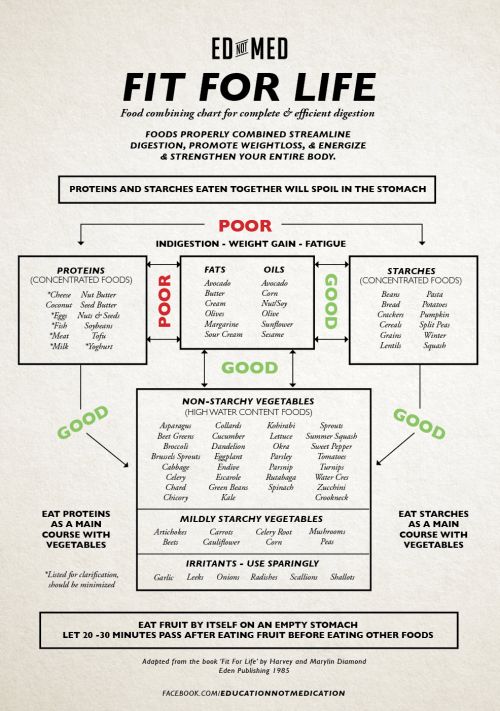
A key aspect of the Fit for Life Diet is the principle of food combining. The idea is that certain foods digest better when eaten separately. For instance, proteins and starches require different digestive environments. This means having a steak and potatoes together might lead to slower digestion and energy drain. Have you ever felt sluggish after a big meal? By separating these food groups, you can boost your digestion and energy levels. Try eating fruits alone or beginning your meal with a salad to test this principle.Eating According To Natural Body Cycles
The Fit for Life Diet suggests eating according to your body’s natural cycles. The body has specific needs during different times of the day, like morning detoxification. This is the reason why fruit is recommended for breakfast—it helps cleanse and prepare your body for the day. Have you ever noticed that heavy breakfasts make you feel lethargic? By aligning your meals with these cycles, you can feel more energized and alert. Consider starting your day with a fruit smoothie and see the difference.Focus On Fresh, Whole Foods
Fresh and whole foods form the cornerstone of the Fit for Life Diet. Processed foods often contain additives and preservatives that can bog down your system. Eating fresh fruits, vegetables, and whole grains can lead to better health and vitality. How often do you reach for something processed out of convenience? Instead, try preparing simple meals with fresh ingredients. Not only will you feel better, but you’ll also enjoy the rich flavors of natural foods.Listening To Your Body
Listening to your body is a fundamental principle. The diet encourages you to pay attention to your hunger and fullness cues rather than strictly following a schedule. Have you ever eaten just because it was lunchtime, even if you weren’t hungry? This approach helps you become more in tune with your body’s real needs. Next time, wait until you genuinely feel hungry to eat, and stop when you feel satisfied. This practice can prevent overeating and promote a more mindful eating experience. Adopting these core principles can transform how you approach eating. What small changes can you make today to align with these ideas?
Credit: en.wikipedia.org
Nutritional Guidelines
Adopting the Fit for Life diet plan means embracing a set of nutritional guidelines designed to optimize your health. It’s not just about what you eat, but how you eat it. With these guidelines, you’ll learn to nourish your body in a way that feels natural and sustainable. Let’s dive into some key aspects of this plan.
Whole Foods
Whole foods are at the heart of the Fit for Life diet plan. These are foods that are as close to their natural form as possible. Think fresh fruits, vegetables, nuts, and grains. They provide essential nutrients your body needs to thrive.
Consider swapping processed snacks for a handful of almonds or an apple. You’ll notice the difference in how your body feels and functions. Whole foods offer you the full spectrum of vitamins and minerals without added sugars or preservatives.
What’s one whole food you can add to your diet today? Making small changes can lead to big health benefits over time.
Hydration Focus
Staying hydrated is crucial for maintaining energy levels and overall health. Water should be your primary beverage throughout the day. It’s a simple change that can have a profound impact.
Try starting your morning with a glass of water before your coffee. You’ll kickstart your metabolism and help your body flush out toxins. Plus, staying hydrated can improve your skin and help you feel more alert.
How often do you reach for a sugary drink when you’re thirsty? Challenge yourself to choose water instead. Your body will thank you.
The Fit for Life diet plan is a journey, not a destination. With each choice, you’re investing in your health and well-being. So, what’s your next step?
Daily Meal Structure
Welcome to the Fit for Life Diet Plan’s daily meal structure. This approach isn’t just about eating; it’s about aligning your meals with your body’s natural rhythms. Think of it as giving your body the right fuel at the right times to optimize energy and health. Are you ready to transform your eating habits into a balanced, enjoyable routine?
Breakfast Choices
Start your day with vitality. The Fit for Life Diet encourages a fruit-based breakfast. Why? Fruits are easy to digest, providing a gentle energy boost without weighing you down. Imagine slicing up a juicy watermelon or blending a fresh smoothie. It’s simple, yet effective. Embrace the morning freshness and let your breakfast set the tone for the day.
Lunch Options
Lunch is your chance to recharge. Aim for a combination of raw and cooked vegetables. Picture a colorful salad paired with a warm bowl of soup. These meals are satisfying but not heavy. Ever felt sluggish after a big lunch? Keeping it light keeps your energy high. Add whole grains or legumes for extra staying power.
Dinner Ideas
Dinner should be nourishing yet gentle. Consider a plate of steamed veggies with a side of quinoa or brown rice. It’s about winding down, not ramping up. Eating lighter in the evening aids digestion and promotes restful sleep. What if your dinners could help you wake up refreshed? That’s the goal here.
Snacks And Desserts
Snacking doesn’t have to be an indulgence. Think of it as a way to support your body’s needs between meals. Reach for nuts, seeds, or a piece of fruit. And for dessert? How about frozen berries or a slice of melon? It’s about keeping it simple and wholesome. Do your snacks make you feel energized or sluggish? Choose wisely.
Crafting your daily meal structure with the Fit for Life Diet Plan isn’t just about following rules. It’s about listening to your body and enjoying the process. So, what changes will you make today?

Credit: fitlifepursuits.com
Exercise And Fitness
Exercise and fitness play a crucial role in the Fit for Life Diet Plan. They help maintain physical health and boost energy levels. Regular workouts complement healthy eating habits, ensuring optimal results. Embracing a fitness routine enhances mood and supports weight management.
Cardio Workouts
Cardio workouts improve heart health and increase endurance. Activities like running, cycling, and swimming are effective. Choose a cardio exercise you enjoy to stay motivated. Aim for 30 minutes of cardio three times a week. This helps burn calories and improves overall fitness.
Strength Training
Strength training builds muscle and boosts metabolism. Use weights or resistance bands for effective results. Focus on major muscle groups such as legs, arms, and core. Perform strength exercises two to three times weekly. Gradually increase weights as your strength improves.
Mindful Eating
Mindful eating is a key component of the Fit for Life Diet Plan. It emphasizes being present during meals. This approach helps you enjoy food more. You become aware of flavors, textures, and hunger cues. Over time, this awareness leads to better eating habits. It reduces overeating and increases satisfaction. Let’s explore two important aspects: portion control and intuitive eating.
Portion Control
Portion control is about eating the right amount of food. It helps manage calorie intake. Start with smaller plate sizes. This simple change can prevent overeating. Fill half your plate with vegetables. They are low in calories and high in nutrients. Use measuring cups for accuracy. This helps keep portions in check. Listen to your body’s hunger signals. Eat slowly and savor each bite. This leads to a more satisfying meal.
Intuitive Eating
Intuitive eating is about trusting your body. It means eating when hungry and stopping when full. Pay attention to physical hunger cues. Avoid eating out of boredom or stress. Enjoy a variety of foods without guilt. This approach promotes a healthy relationship with food. Eat mindfully and appreciate each meal. Over time, this becomes a natural habit. It supports long-term health and well-being.
Credit: vpnutrition.com
Success Stories
The Fit for Life Diet Plan has transformed many lives. People find health and happiness through its unique approach. Listening to their stories can inspire and motivate others.
John’s Journey To Wellness
John struggled with weight for years. He felt tired and sluggish daily. After starting the Fit for Life Diet, his energy soared. John lost 40 pounds in six months. His confidence grew with every pound lost. Now, he enjoys hiking and playing with his kids.
Sara’s Newfound Energy
Sara was always exhausted. She tried many diets with little success. Then, she discovered the Fit for Life Diet Plan. Within weeks, Sara noticed a change. Her energy levels improved dramatically. She now runs marathons with ease.
Ben’s Battle With Cravings
Ben had a sweet tooth that controlled him. He felt powerless against cravings. The Fit for Life Diet Plan taught him balance. Ben learned to enjoy sweets in moderation. Now, he feels in control and healthier.
Emily’s Journey To Confidence
Emily felt uncomfortable in her skin. She avoided social events due to low self-esteem. After adopting the Fit for Life Diet, she shed 30 pounds. Her confidence soared, and she embraced social life again.
Tom’s Success With Simple Changes
Tom believed diets had to be complicated. The Fit for Life Diet proved him wrong. Simple changes led to remarkable results. Tom lost 20 pounds and felt healthier. He realized small steps can make a big difference.
Common Challenges
Embarking on the Fit for Life Diet Plan brings its own set of challenges. Many face hurdles, especially in the beginning. These challenges can disrupt your journey to a healthier lifestyle. Understanding and addressing these common obstacles can make a huge difference. Let’s explore two major challenges: overcoming cravings and staying motivated.
Overcoming Cravings
Cravings can derail even the most determined individuals. They often occur when you least expect them. To tackle cravings, focus on eating balanced meals. Include proteins, healthy fats, and fiber. This helps keep you full longer and reduces sudden hunger pangs.
Another strategy is to stay hydrated. Sometimes, thirst can disguise itself as hunger. Drinking water regularly can help curb unnecessary cravings. Distracting yourself is also effective. Engage in activities like walking or reading when cravings hit.
Staying Motivated
Motivation can wane over time. It’s normal to feel less driven some days. Setting clear, achievable goals can keep you on track. Celebrate small victories to boost your morale.
Connecting with a support group is beneficial. Sharing experiences and tips with others can inspire you. Regularly reminding yourself of the reasons you started helps too. Keep visual reminders of your goals. This can be a note or a photo. It serves as a gentle nudge to stay committed.
Tips For Beginners
Starting a new diet plan can be challenging. The Fit for Life Diet Plan offers a refreshing approach. Beginners often feel overwhelmed with new rules and routines. But with the right tips, starting becomes easier. Focus on simple, actionable steps. This will ensure success and help maintain motivation. Below are crucial tips for newcomers to the Fit for Life Diet Plan.
Starting Small
Don’t rush into massive changes. Begin with small adjustments. Swap sugary drinks for water. Choose fruits over snacks. These changes make a difference. Small steps lead to big results. Gradually incorporate more elements of the diet. This creates a smooth transition. Avoid overwhelming yourself with drastic changes. Keep it simple and manageable.
Setting Realistic Goals
Set achievable targets. Unrealistic goals lead to frustration. Aim for gradual progress. Losing a few pounds each month is great. This keeps motivation high. Celebrate small victories. Every step forward counts. Track your progress regularly. This helps adjust your approach. Remember, consistency is key. Stay committed to the process.
Frequently Asked Questions
What Are The Rules For The Fit For Life Diet?
The Fit for Life diet emphasizes eating fruits in the morning, combining foods correctly, and avoiding dairy. Focus on natural foods, limit processed items, and practice mindful eating. Drink water away from meals and prioritize vegetables and lean proteins. Avoid eating late at night for optimal digestion.
What Is A Sample Meal Plan For Fit For Life?
A Fit for Life meal plan includes a fruit breakfast, vegetable-rich lunch, and protein-based dinner. Snack on nuts or seeds. Prioritize whole foods and avoid processed items. Drink plenty of water throughout the day. Balance meals with healthy fats, lean proteins, and complex carbohydrates for optimal energy and health.
How Long Will It Take To Lose 30 Pounds On A 1200 Calorie Diet?
Losing 30 pounds on a 1200 calorie diet can take about 15-30 weeks. This varies based on metabolism, activity level, and adherence to the diet. Always consult with a healthcare professional before starting any diet plan to ensure safety and effectiveness for your personal health needs.
How Does The Livea Diet Work?
The Livea diet focuses on balanced nutrition, personalized meal plans, and support from health coaches. It encourages healthy eating habits, portion control, and regular exercise. This approach helps individuals achieve sustainable weight loss and improved overall well-being.
Conclusion
The Fit for Life Diet Plan offers a balanced approach. It combines nutritious foods and healthy habits. This plan encourages a sustainable lifestyle. You can enjoy varied meals and feel energized. Staying fit doesn’t require extreme measures. Simple changes lead to lasting results.
Listen to your body. Make mindful choices. Consistency is key. With patience, you will see improvements. Remember, health is a journey, not a race. Embrace each step with positivity. Small efforts add up over time. Begin your journey to a healthier life today.
Your future self will thank you.