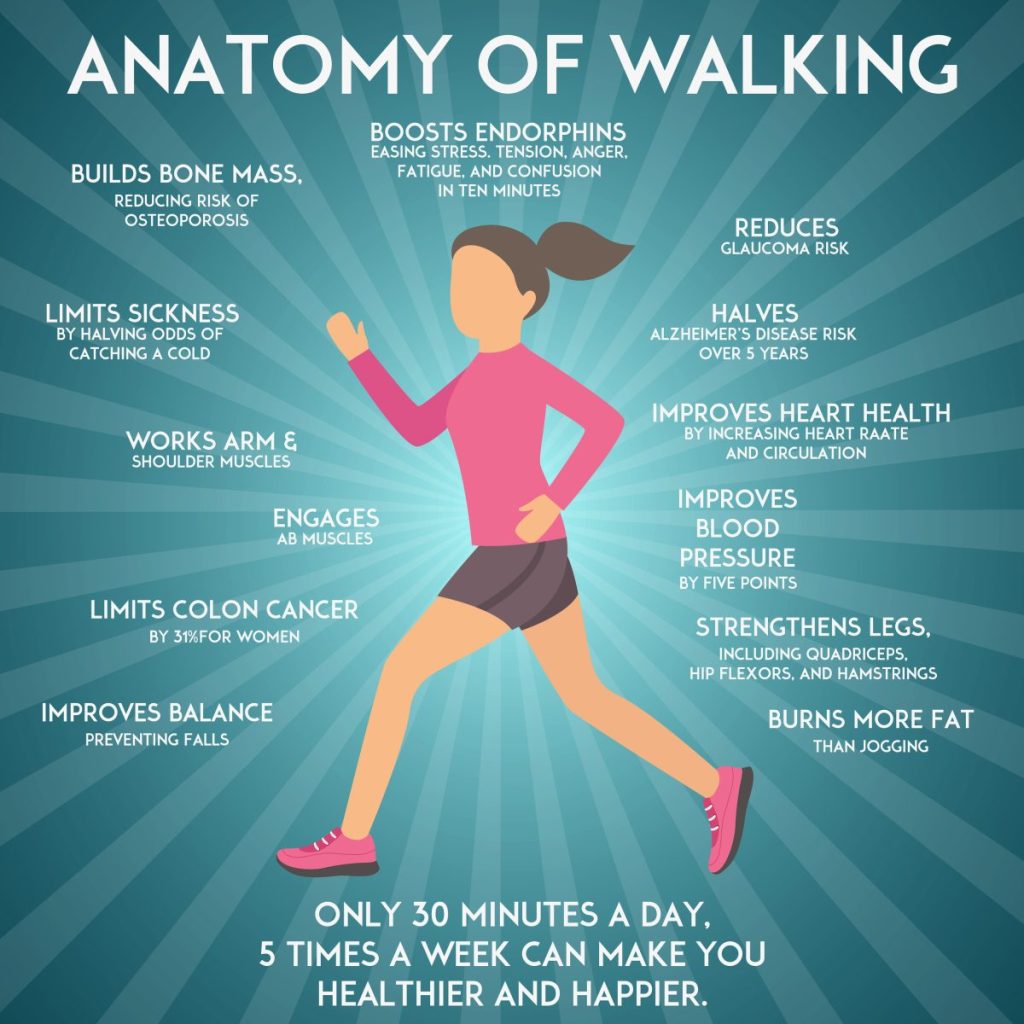
Have you ever wondered if those daily strolls around the block are doing more for your legs than just helping you clear your mind? Imagine combining the simplicity of walking with the power of muscle building.
It sounds too good to be true, doesn’t it? But what if walking could actually transform your legs into stronger, more toned versions of themselves? You’re about to discover the surprising truth behind this everyday activity. As you read on, you’ll find out how walking can be more than just a leisurely activity; it can be a secret weapon for building muscle in your legs.
Whether you’re looking to tone up, improve your fitness, or simply get more out of your walks, this article is your ultimate guide. Curious? Let’s dive into how walking can redefine your leg muscles.
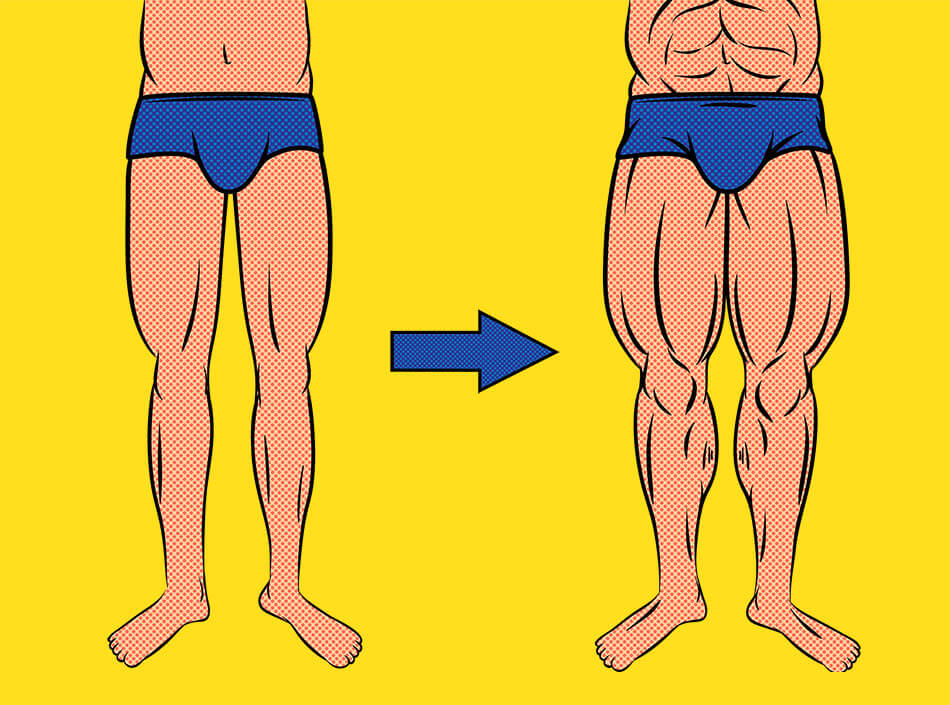
Credit: www.reead.com
How Walking Affects Leg Muscles
Walking strengthens and tones leg muscles effectively. The repetitive motion engages calves, quadriceps, and hamstrings. Regular walking enhances muscle endurance and can lead to subtle muscle growth.
Walking is a simple, everyday activity, but you might wonder if it actually helps build muscle in your legs. It’s an activity that many of us take for granted, yet it can have a significant impact on our leg muscles. With a few simple adjustments, walking can transition from a casual stroll to a powerful muscle-building exercise. Let’s dive into how walking affects your leg muscles and uncover some actionable insights.How Walking Strengthens Leg Muscles
Walking engages several muscles in your legs, including the quadriceps, hamstrings, calves, and glutes. As you walk, these muscles contract and relax, providing them with a good workout. Consistent walking can improve muscle endurance and tone over time. Have you ever noticed how your legs feel after a long day of walking or hiking? That slight soreness is a sign of your muscles being worked. Regularly challenging your legs with brisk walking can gradually build muscle strength.The Role Of Intensity And Terrain
Increasing the intensity of your walks can amplify muscle-building benefits. Try walking faster or incorporating intervals where you speed up for a minute or two. Hills and uneven terrains are also excellent for engaging different muscle groups. Consider adding incline walking to your routine. Walking uphill requires more effort from your muscles, especially your calves and glutes. Next time you’re walking, seek out a hilly area or use a treadmill incline to boost muscle engagement.Adding Resistance For Better Results
To further enhance muscle growth, incorporate resistance into your walks. Wearing a weighted vest or using ankle weights can make your muscles work harder. This added resistance encourages muscle fibers to break down and rebuild stronger. A friend of mine started walking with light ankle weights, and she noticed an improvement in her leg muscle tone within weeks. Would you be willing to try adding a bit of weight to your walks for greater results?Consistency Is Key
Walking once in a while won’t yield noticeable muscle gains. Aim for a regular walking schedule, such as 30 minutes a day, five days a week. Consistency helps your muscles adapt and grow stronger over time. Think about your daily routine. Could you integrate a morning or evening walk? Consistent effort, no matter how small, can lead to impressive changes in your leg muscles. Incorporating these insights into your walking routine can transform a simple activity into a powerful muscle-building exercise. As you lace up your shoes and head out the door, remember that each step is a step toward stronger, healthier legs.Types Of Muscles Engaged
Walking uses different muscles in the legs. It engages the quadriceps, hamstrings, and calves. Regular walking helps tone and strengthen these muscles over time.
Walking is a simple yet effective way to engage various muscle groups in your legs. While it may not turn you into a bodybuilder overnight, it certainly plays a significant role in toning and strengthening your lower body. Different types of muscles are activated during walking, each contributing to the overall conditioning of your legs. Understanding these muscle types can help you appreciate the benefits of your daily stroll more deeply. Let’s dive into the primary muscle groups and supporting muscles involved in walking.Primary Muscle Groups
The primary muscles engaged during walking are the quadriceps, hamstrings, and calves. Your quadriceps, located at the front of your thighs, are essential for extending your knees as you push forward. They provide the power for each step, especially when you’re walking uphill or at a brisk pace. Hamstrings, found at the back of your thighs, work in tandem with your quadriceps. They help with the bending of your knees and support your balance during each stride. Lastly, your calves, situated at the back of your lower legs, are crucial for propelling your feet off the ground with each step. They also stabilize your ankles as you walk.Supporting Muscles
Walking doesn’t just engage the primary muscle groups. It also activates several supporting muscles that play vital roles in balance and stability. The gluteal muscles, including the gluteus maximus, medius, and minimus, help stabilize your hips and pelvis. A strong core, including the abdominal muscles, keeps your posture upright and prevents lower back strain. Your hip flexors, located at the front of your hips, assist in lifting your knees and moving your legs forward. They are particularly active when you walk faster or take longer strides. Ever noticed how walking on different surfaces feels different? That’s because your foot muscles adapt to uneven terrains, enhancing your overall foot strength and flexibility. Have you ever wondered about the impact of varying your walking speed or trying different terrains? Each variation can target different muscle groups, offering a fresh challenge to your legs. Remember, the more you understand your body’s workings, the better you can tailor your activities to fit your fitness goals. Next time you walk, think about the army of muscles at work, and appreciate the subtle but impactful exercise you’re giving them.Comparing Walking With Other Exercises
Walking can strengthen leg muscles, providing a low-impact alternative to intense workouts. Steady walks engage calves, hamstrings, and quadriceps, offering gradual muscle building. Regular walking boosts endurance and enhances leg definition over time.
Walking is a simple, accessible exercise that many people rely on for fitness. But does it really build muscle in your legs? Let’s compare walking with other exercises to see how it stacks up.Walking Vs Running
Running is often seen as the more intense cousin of walking. While both exercises primarily work the lower body, running tends to engage muscles more deeply. Running can increase muscle tone and improve cardiovascular health more rapidly than walking. However, if you prefer a less intense workout, walking still provides benefits. Consider your goals. Are you looking for endurance or just a gentle way to stay active? Walking can be kinder on your joints, especially if you’re recovering from an injury.Walking Vs Strength Training
Strength training is a direct way to build muscle. It targets specific muscle groups with weights or resistance exercises. Walking can’t match this focused muscle-building approach. Strength training helps increase muscle mass, boosting metabolism and bone density. Walking provides some muscle tone but lacks the intensity and precision of weight lifting. If building significant muscle is your goal, adding strength training might be necessary. However, walking can complement it by enhancing endurance and aiding recovery. What’s your priority? Think about how walking fits into your broader fitness plan. Can it support your goals, or do you need more variety? Takeaway: Walking offers benefits but may not be enough alone for those seeking significant muscle gain. Consider combining walking with running or strength training for a balanced workout routine.Benefits Of Walking For Leg Strength
Walking is more than just a way to get from point A to point B. It’s a fantastic way to build strength in your legs without the need for heavy weights or complex equipment. Whether you’re strolling through your neighborhood or hiking a trail, walking engages various muscles in your legs, offering numerous benefits for leg strength. So, why not lace up your sneakers and take advantage of this simple yet powerful exercise? Let’s explore the specific benefits that walking brings to your leg strength.
Improved Muscle Endurance
Walking regularly helps improve your muscle endurance. As you walk, your muscles adapt to sustain activity over longer periods, enhancing their ability to perform without fatigue. I remember walking daily during my summer break, and by the end of the season, I could easily tackle longer routes with minimal tiredness. You might notice this too—after consistent walking, you’ll find yourself less winded during long walks. This endurance boost is especially beneficial if you’re looking to increase your overall fitness level.
Enhanced Flexibility
Walking also contributes to greater flexibility in your legs. Regular movement helps keep your joints and muscles supple. You’ll find your range of motion improving over time, reducing stiffness and making daily activities more comfortable. Imagine being able to squat down or stretch without feeling tightness in your legs. This increased flexibility can prevent injuries and enhance your performance in other physical activities. Have you noticed how easily children move? Walking can bring some of that youthful flexibility back into your life.
So, next time you’re contemplating whether to take a walk, remember these benefits. How might regular walking change your daily life? Consider adding a simple walk into your routine and see how your leg strength transforms. It’s a small step that can lead to significant improvements.
How To Maximize Muscle Building
Walking can help build muscles in your legs, especially calves and thighs. It engages various muscle groups, providing a low-impact workout. Consistent walking strengthens leg muscles and improves endurance over time.
Are you looking to turn your daily walk into a muscle-building powerhouse for your legs? While walking naturally strengthens your lower body, there are ways to supercharge this activity and transform it into a more effective workout. By focusing on a few key strategies, you can ensure every step counts toward building stronger muscles. Let’s dive into some practical tips to maximize muscle building during your walks.Incorporating Inclines
Walking uphill challenges your muscles differently than walking on flat terrain. It forces your calves, hamstrings, and glutes to work harder. Think about the last time you climbed a hill—your legs felt the burn, right? Seek out hilly routes or use a treadmill set to an incline. This simple change elevates your workout intensity, helping you build muscle faster. Try alternating between flat and inclined paths to keep your muscles guessing and engaged.Increasing Walking Speed
Speed is your friend when it comes to building muscle. Walking briskly not only boosts your heart rate but also engages your leg muscles more effectively. Do you notice how your muscles tense and fire up when you’re rushing somewhere? Aim to gradually increase your pace. Start with a comfortable speed and push yourself to walk faster for short bursts. This interval training method helps condition your muscles and improves endurance.Adding Weight
Consider adding some weight to your walks for an added challenge. Weighted vests or ankle weights can provide that extra resistance your muscles crave. It’s like turning your walk into a mini strength session. Start with light weights and gradually increase as your strength builds. Adding weight can amplify muscle engagement and lead to more noticeable results. It’s a simple tweak that can make a big difference in your muscle-building journey. Walking is more than just a means of transportation. With these strategies, you can transform your walks into a robust workout for your legs. What’s your go-to strategy for making your walks more challenging? Share your thoughts and let’s keep the conversation going!Common Myths About Walking And Muscle Gain
Walking often gets misunderstood regarding muscle gain. While not a primary muscle-building activity, walking does engage leg muscles, contributing to strength and endurance. Regular walking can lead to toned legs, though significant muscle gain requires targeted exercises like strength training.
Walking is often seen as a gentle, low-impact exercise, perfect for maintaining health without the intensity of gym workouts. Yet, many people wonder if this simple activity can contribute to muscle gain, particularly in the legs. There are several myths surrounding this topic that may confuse or mislead those looking to tone their muscles through walking. Let’s debunk these myths and uncover the truth about walking and muscle gain.Myth 1: Walking Doesn’t Engage Your Muscles
Some people believe that walking is too passive to engage muscles effectively. However, every step you take involves a complex interaction of leg muscles, including your calves, quadriceps, and hamstrings. Try walking at a brisk pace or on an incline. You will quickly feel your muscles working harder, proving that walking does engage and strengthen your legs.Myth 2: Walking Only Burns Calories, Not Builds Muscle
The notion that walking merely burns calories without building muscle is misleading. While walking indeed helps in burning calories, it also contributes to muscle endurance and strength. Consider adding interval walking to your routine. Short bursts of speed or uphill walking can intensify muscle engagement, leading to gradual muscle development.Myth 3: You Need Weight Training To Build Leg Muscles
It’s a common belief that only weightlifting can build muscle, but walking can also play a role in muscle toning. Weight training is more effective for rapid muscle growth, but walking offers a sustainable way to keep your muscles active and toned. Think of walking as a foundation. It provides a baseline of fitness that supports more intense workouts, making it a valuable part of your fitness regime.Myth 4: Walking Doesn’t Improve Muscle Tone
Many argue that walking lacks the intensity needed to improve muscle tone. Yet, regular walking can lead to noticeable changes in muscle definition, especially when combined with other forms of exercise. Imagine walking with added weights or using resistance bands. These simple modifications can significantly enhance muscle tone over time.Myth 5: Walking Has No Impact On Leg Strength
Some assume that walking does nothing for leg strength, but this isn’t the case. Walking naturally strengthens muscles, especially when you challenge yourself with varied terrains. Think about hiking or beach walking. These activities require more effort, thereby increasing leg strength and endurance. Walking is more than just a means to get from one place to another; it’s a powerful tool for building and maintaining muscle. Next time you lace up your walking shoes, remember that each step counts towards stronger, more toned legs. Are you ready to embrace walking as part of your fitness journey?Expert Opinions On Walking And Muscle Growth
Walking is a natural and accessible form of exercise. It can support cardiovascular health and improve mood. But can it also build muscle in your legs? Experts weigh in on this intriguing question. Let’s explore their insights on walking and muscle growth.
What Do Fitness Experts Say?
Fitness experts agree that walking engages leg muscles. It targets the calves, quadriceps, and hamstrings. These muscles contract with each step. Over time, this can lead to increased muscle endurance. Some experts suggest adding weights for more muscle growth.
How Does Walking Compare To Other Exercises?
Walking is less intense than strength training. Yet, it offers unique benefits. It is low-impact, reducing joint stress. This makes it ideal for people of all ages. While it may not build large muscles, it tones and strengthens legs.
The Role Of Consistency
Consistency is key in muscle development. Regular walking routines can lead to gradual muscle changes. Experts advise walking daily for best results. Start with short distances and increase gradually. This builds endurance and muscle strength over time.
Importance Of Walking Technique
Proper walking technique influences muscle engagement. Experts recommend keeping a straight posture. Swing arms naturally and maintain a steady pace. This ensures that leg muscles work effectively. Use your whole foot with each step for balanced muscle use.

Credit: www.muscleandfitness.com
Practical Tips For Effective Walking
Walking can strengthen your leg muscles over time. It engages your calves, quads, and hamstrings. Consistent practice increases muscle tone and endurance.
Walking is a simple, yet powerful exercise that can help build muscle in your legs when done effectively. It’s not just about the distance or speed; it’s about how you approach each walk. If you’re ready to transform your daily strolls into muscle-building workouts, these practical tips will guide you on the path to stronger legs.Setting A Routine
Consistency is key in building leg muscle through walking. Establish a routine that fits your lifestyle. Choose a time of day when you’re least likely to be interrupted. Morning walks can invigorate your day, while evening strolls might help unwind. Commit to walking at least five times a week. Your body thrives on regularity, and soon you’ll notice stronger, more toned legs.Tracking Progress
Measure your progress to stay motivated. Track your walking distance and time using a simple app or a notebook. Challenge yourself to increase your distance or pace gradually. How much can you improve in a month? Notice changes in muscle tone and endurance. Celebrate these small victories—they’re stepping stones to your fitness goal. — Walking is more than just a means of transportation. It’s an opportunity to build muscle and enhance your fitness. Have you ever thought about how a simple walk could change your leg muscles? Try these tips and watch as your steps transform not just your day, but your strength.
Credit: www.neofect.com
Frequently Asked Questions
Can You Build Leg Muscle Just By Walking?
Walking can help build leg muscle, especially for beginners. It engages calves, quadriceps, and hamstrings. For more significant muscle growth, incorporate inclines or add resistance with weights. Consistency and intensity matter.
How Long Should You Walk A Day To Build Muscle?
Walking alone doesn’t build muscle effectively. Combine walking with strength training exercises for best results. Aim for 30 minutes of brisk walking daily. Include resistance exercises like squats and lunges twice a week. This combination promotes muscle growth and overall fitness.
Remember to maintain a balanced diet to support muscle development.
Will Walking 3 Miles A Day Tone My Legs?
Walking 3 miles daily can help tone your legs by building muscle and burning fat. Consistency is key. Pair walking with a balanced diet and strength exercises for optimal results. Walking also improves cardiovascular health and boosts mood. Make sure to wear comfortable shoes for better support.
Can Walking Increase Leg Muscle Mass?
Yes, walking can help increase leg muscle mass, especially when done regularly. It engages and strengthens muscles like quadriceps, hamstrings, and calves. For more muscle growth, consider walking on varied terrains or adding inclines to your route. Consistent walking, combined with good nutrition, supports muscle development.
Conclusion
Walking strengthens leg muscles over time. Consistent walking builds endurance and tone. It won’t bulk up like weightlifting, but it contributes to fitness. Walking boosts muscle health, keeping legs active and flexible. It supports cardiovascular health too. Regular walking enhances leg definition.
Walk at different speeds for varied benefits. Uphill walks challenge muscles more. Include walking in daily routine for long-term leg strength. Simple activity, yet effective. Walking is accessible and easy for everyone. Start today, feel the difference. Keep walking, keep growing stronger.
Your legs will thank you.