Are you looking to maximize your muscle gains and make the most out of your workouts? If so, you’ve likely heard of “time under tension” and its potential benefits for building muscle.
But does it truly make a difference, or is it just another fitness buzzword? We’re diving deep into the science and practicalities behind time under tension to help you determine if it’s the missing piece in your muscle-building puzzle. By the end, you’ll have a clear understanding of how this concept can transform your training sessions and elevate your results.
Ready to discover the secret to more effective workouts? Let’s get started!
Time Under Tension Explained
Time under tension (TUT) is a key concept in muscle building. It refers to the duration your muscles are under strain during an exercise. Understanding TUT can transform the way you approach workouts. Many fitness enthusiasts focus on reps and sets. But the time spent lifting or holding weights matters too. This can significantly influence muscle growth and strength.
What Is Time Under Tension?
Time under tension is the period your muscles are actively working. This means the total time your muscles contract during a set. It is not just about lifting weights quickly. The focus is on controlling the motion. Slow and steady lifts can increase TUT. This leads to greater muscle engagement.
How Tut Affects Muscle Growth
Longer TUT can cause more muscle fibers to engage. More fibers mean potential for muscle growth. Muscles under tension for longer periods face more stress. This stress is essential for muscle adaptation and growth. Your muscles repair and grow stronger in response.
Benefits Of Focusing On Tut
Focusing on TUT can enhance muscle endurance. It allows better muscle definition and control. It also reduces the risk of injury. Slow, controlled movements help maintain proper form. This ensures muscles work effectively and safely.
Tips To Implement Tut In Workouts
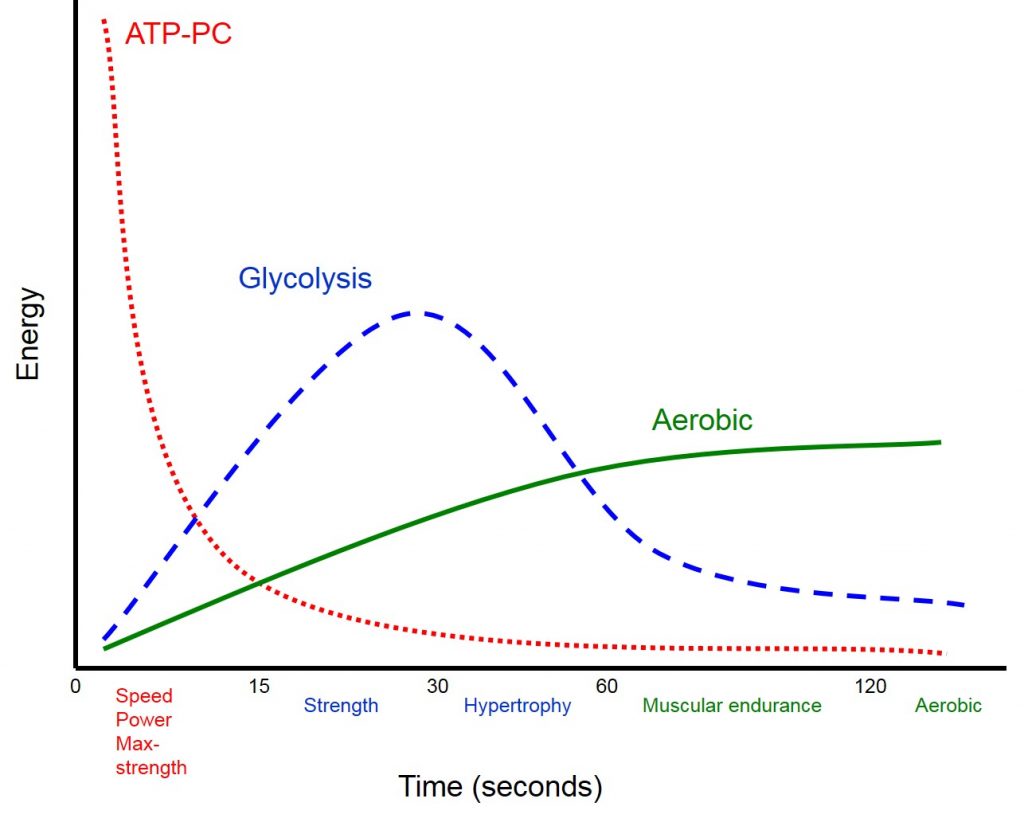
Count the seconds during your lifts. Aim for 30-60 seconds per set. Use a metronome or timer for precision. Focus on slow, controlled movements. Avoid rushing through your exercises. This helps maximize TUT benefits.

Credit: www.onlinefitnesscoach.com
Science Behind Muscle Growth
The science behind muscle growth is fascinating. It involves complex biological processes. Understanding these processes helps optimize your workout routine. Muscle growth, or hypertrophy, is influenced by several factors. Time under tension is one such factor. It refers to the duration a muscle is under strain during exercise. This concept plays a crucial role in muscle development. Let’s explore the science behind it.
Role Of Muscle Fibers
Muscle fibers are the building blocks of muscles. They come in two types: slow-twitch and fast-twitch. Slow-twitch fibers are endurance-oriented. Fast-twitch fibers are suited for power and strength. Time under tension affects both types differently. Longer tension periods activate more slow-twitch fibers. Short bursts of tension engage fast-twitch fibers. Balancing both types can optimize muscle growth.
Impact Of Mechanical Load
Mechanical load refers to the weight or resistance applied to muscles. It plays a significant role in muscle hypertrophy. Increased load leads to muscle fiber damage. This damage triggers repair and growth. Time under tension increases the effectiveness of the mechanical load. Muscles adapt to prolonged stress by growing stronger. Proper load management enhances muscle building. It is crucial to balance tension duration with load intensity.
How Time Under Tension Works
Understanding how time under tension works is crucial for muscle growth. This technique focuses on the duration muscles are under stress during exercise. Longer tension periods can lead to significant muscle gains. It’s not just about lifting heavy weights. It’s about how long your muscles endure the load.
Muscle Stress And Adaptation
Muscles grow stronger when they’re stressed. During exercise, muscle fibers experience tiny tears. These tears signal the body to repair and build stronger fibers. Time under tension increases these stress signals. The longer muscles are stressed, the more they adapt and grow. This adaptation leads to increased muscle size and strength.
Time Under Tension Vs. Repetition
Traditional workouts often focus on repetitions. Repetitions count how many times you perform a movement. Time under tension shifts focus from quantity to duration. Holding a weight longer engages muscles differently. It emphasizes endurance and continuous muscle activation. This method can enhance muscle growth compared to mere repetition counting.
Optimal Time Under Tension
Muscles grow more effectively with the right amount of time under tension. This strategy involves slowly performing exercises to enhance muscle fibers. Longer periods of tension can lead to increased muscle mass by maximizing the workout’s effectiveness.
Building muscle is a journey where every rep counts. One key factor that often sparks debate among fitness enthusiasts is the concept of “time under tension” (TUT). This refers to how long a muscle is under strain during a set. Is it the secret to unlocking bigger muscles? Understanding the optimal TUT can help maximize your workouts, making each second count.Ideal Duration For Hypertrophy
To build muscle effectively, aim for a TUT between 40 to 70 seconds per set. This range encourages hypertrophy, or muscle growth. Shorter durations may not stress the muscles enough, while longer ones can lead to fatigue without additional benefits. Experiment with your routine to find what feels right. A set lasting around 60 seconds might involve 8-12 reps, each lasting about 5 seconds. This balance can stimulate muscle fibers effectively.Varying Techniques For Results
Switching up your TUT can lead to better results. Try using techniques like slow negatives or pause reps. These methods increase the time muscles spend under tension, adding variety to your workout. Consider incorporating tempo training. For instance, lowering weights slowly and lifting explosively can change muscle dynamics. This can help overcome plateaus and keep your muscles guessing. What’s your usual TUT, and how could tweaking it impact your progress? Reflect on these questions as you plan your next workout. Engaging with TUT might just be the key to accelerating your muscle-building journey.Benefits Of Time Under Tension
Time under tension (TUT) is a workout technique that focuses on the duration muscles are under stress. This method has gained popularity for its effectiveness in muscle building. By increasing the time muscles are engaged, TUT offers several benefits.
Increased Muscle Activation
Longer tension periods lead to better muscle activation. Muscles work harder during extended stress, recruiting more fibers. This results in a more effective workout session. It helps target those hard-to-reach muscle groups. With consistent TUT, your muscles adapt and grow stronger. It encourages balanced development in your overall physique.
Enhanced Strength Gains
Time under tension can boost strength gains. By focusing on slow, controlled movements, your muscles become more resilient. It allows for better form and technique during exercises. As muscles adapt, they increase in strength and endurance. This makes TUT an excellent strategy for those aiming to enhance strength. It supports gradual and sustainable strength improvements over time.

Credit: www.menshealth.com
Common Misconceptions
Many believe that time under tension is the key to muscle growth. This concept suggests that the longer your muscles are under stress, the more they grow. But not everything about time under tension is true. There are common misconceptions that confuse fitness enthusiasts. Let’s explore some of these misunderstandings.
Myths About Tension And Growth
Some think more tension always equals more muscle. This isn’t accurate. Muscle growth depends on various factors. Tension is just one of them. Nutrition and rest play crucial roles too. Believing tension is everything can lead to mistakes. Balance is key to effective training.
Another myth is that faster reps reduce muscle gain. This is misleading. Fast reps can be beneficial for power and strength. Combining different speeds can enhance overall muscle development. Variety in your routine often yields better results.
Misunderstandings In Training
Many misunderstand the role of weight in muscle growth. Some think lifting heavy weights is the only way to build muscle. This isn’t entirely true. Lighter weights with controlled tension can be effective too. It’s about how you challenge your muscles.
Another common misunderstanding is neglecting rest. People think constant tension means constant training. Overtraining can lead to injury and burnout. Rest days are vital for recovery and growth. Listen to your body’s signals to optimize your results.
Practical Tips For Implementation
Understanding how to effectively implement time under tension (TUT) in your workouts can be a game-changer for building muscle. It’s not just about lifting heavier weights; it’s about how you manage your time with each rep. Let’s dive into some practical tips to help you make the most of TUT.
Incorporating Into Workouts
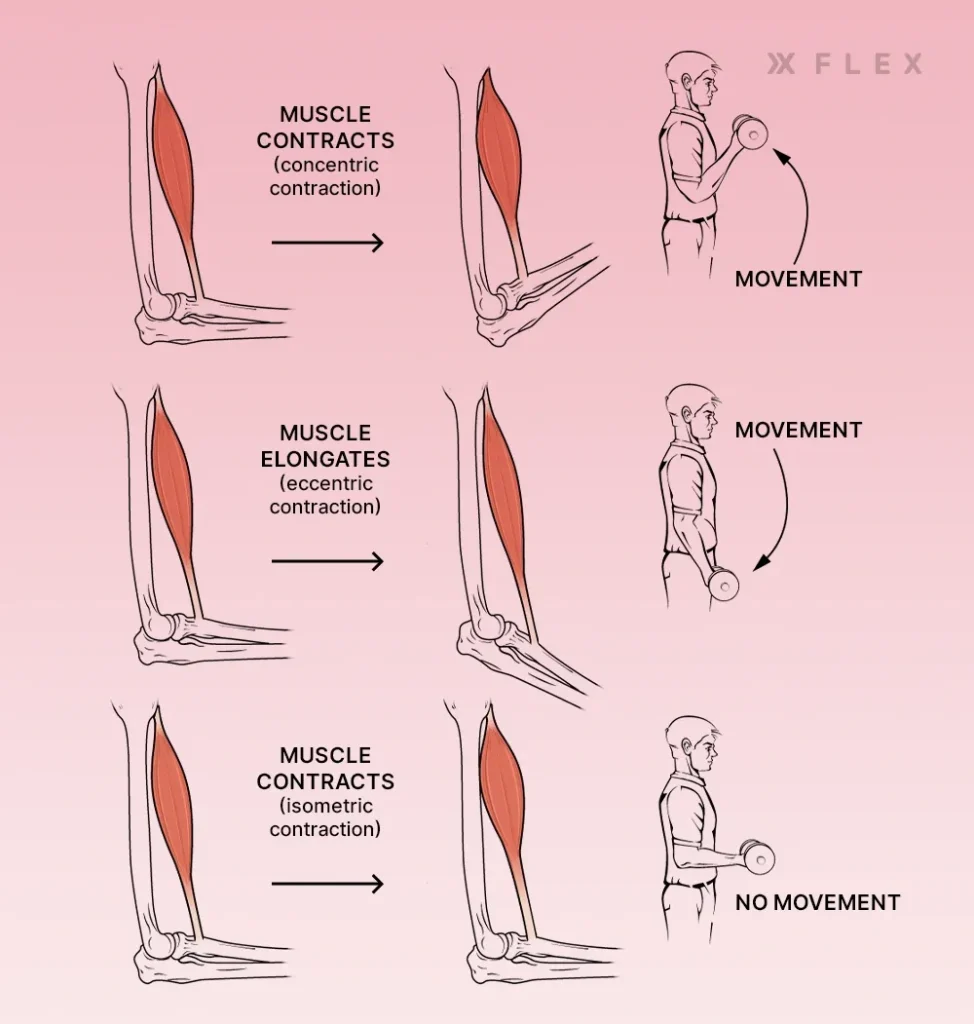
To add TUT into your workouts, start by slowing down your reps. Focus on the eccentric phase, where you lower the weight. This is where muscles experience more tension.
Try counting to three as you lower the weight and two as you lift it. This simple tweak can increase muscle engagement significantly. You might feel the burn more intensely, but that’s a good sign!
Another tip is to reduce the weight slightly. This allows you to maintain form while focusing on the duration of the movement. Remember, it’s about quality, not just quantity.
Balancing With Other Methods
While TUT is effective, it shouldn’t be your only strategy. Balance it with traditional strength training to maximize results. Mixing methods keeps your muscles guessing and growing.
Consider alternating between TUT-focused sessions and standard weightlifting days. This approach can prevent overtraining and keeps your routine fresh and exciting.
Have you ever tried integrating TUT with circuit training? It can be a fun way to challenge your endurance while building muscle. Experiment and find what combination works best for you.
Remember, every body responds differently. What works for someone else might not work for you. Listen to your body and adjust as needed for the best results.
Expert Opinions
Understanding muscle growth involves exploring various training methods. One debated approach is “Time under Tension” (TUT). Experts often share differing opinions on its effectiveness. Some believe it aids muscle building, while others question its impact. Below, insights from fitness professionals and research findings provide clarity.
Insights From Fitness Professionals
Many trainers emphasize the value of TUT. Holding muscles under tension might increase growth. Longer tension periods can lead to fatigue, promoting muscle strength. Trainers argue it helps beginners focus on form. Proper form reduces injury risks and improves gains.
Some professionals suggest varying TUT in routines. Changing tension duration challenges muscles differently. This approach can prevent workout plateaus. Professionals recommend balancing TUT with other techniques. Combining methods ensures optimal muscle development.
Studies And Research Findings
Research provides mixed results on TUT’s effectiveness. Some studies show increased muscle size with longer tension. This growth occurs due to enhanced metabolic stress. Other studies find little difference compared to traditional training. Researchers note individual factors play a role.
Studies also highlight muscle fiber activation. TUT may engage more muscle fibers. This can lead to improved muscle endurance. Despite mixed findings, many agree TUT has potential benefits. It’s important to consider personal goals and body response.
Credit: nzihf.ac.nz
Frequently Asked Questions
Is Tut The Best Way To Build Muscle?
Time Under Tension (TUT) can be effective for building muscle. It emphasizes slow, controlled movements, enhancing muscle growth. Combining TUT with proper nutrition and rest can yield positive results. It isn’t the only method, but it can be beneficial for hypertrophy.
Always consult a fitness professional for personalized advice.
Does Constant Tension Build More Muscle?
Constant tension effectively stimulates muscle growth. It maximizes muscle fiber engagement during exercises. Focusing on controlled movements enhances hypertrophy. This method improves muscle endurance and strength. Consistent application can lead to noticeable gains. Incorporate it into your workout for optimal results.
What Is The Best Time Under Tension For Hypertrophy?
The ideal time under tension for hypertrophy is 30-70 seconds per set. This range optimally stimulates muscle growth. Focus on controlled movements with moderate resistance. Prioritize form and muscle engagement to maximize results. Consistency and proper recovery are crucial for effective hypertrophy training.
Can You Grow Muscle From Tensing?
Tensing muscles can improve muscle tone and endurance. Significant muscle growth requires resistance training and proper nutrition.
Conclusion
Time under tension matters for muscle growth. Muscles respond to stress. Longer tension equals more stress. This leads to potential muscle gain. Consistent effort is key. Focus on form and control. Avoid rushing through exercises. Quality beats quantity in workouts.
Listen to your body’s signals. Adjust weight and time as needed. Everyone’s progress differs. Patience and persistence are vital. Experiment with different techniques. Find what works best for you. Stay informed and motivated. Your muscle-building journey is unique. Make it enjoyable and rewarding.