Have you ever wondered if punching a heavy bag can actually build muscle? You’re not alone.
Many fitness enthusiasts and beginners alike are curious about the benefits of this intense workout. Picture yourself, gloves on, unleashing your energy on that swinging bag. But is it just a stress reliever, or can it sculpt your muscles too?
This question might be the key to unlocking your next fitness level. We’ll dive into the science behind heavy bag training and its impact on muscle growth. You’ll discover whether those powerful punches can actually transform your body. So, if you’re looking to spice up your workout routine and maximize your results, keep reading. The answer might surprise you and change how you approach your fitness journey.
Heavy Bag Training Basics
Heavy bag training is popular for strength and conditioning. Boxers and fitness enthusiasts love it. It combines cardio, strength, and agility. But does it build muscle? Understanding the basics can provide clarity. A heavy bag workout is more than just punching. It involves technique, timing, and rhythm. Properly executed, it can enhance physical fitness and muscle tone.
Equipment Essentials
Having the right gear is crucial. Start with a sturdy heavy bag. It should weigh between 70 to 150 pounds. The weight depends on your fitness level. Invest in quality boxing gloves. They protect your hands and wrists. Hand wraps are also important. They offer extra support and cushioning. Ensure you have ample space. A spacious area allows free movement. Consider a stable bag stand or mount. It prevents unnecessary movement during workouts.
Proper Techniques
Proper technique is key to effective training. Stand with your feet shoulder-width apart. Keep your knees slightly bent. Your dominant hand should be at the back. Start with basic punches. Jabs, crosses, hooks, and uppercuts. Focus on form over power. Keep your guard up at all times. Rotate your hips for more force. Breathe out with each punch. This improves power and endurance. Practice footwork and movement. Stay light on your feet. It enhances agility and speed.
Muscle Building Mechanisms
Have you ever wondered if punching a heavy bag can actually build muscle? There’s more to it than just swinging your fists. Understanding the mechanisms behind muscle building is key. Let’s explore how resistance, tension, and repetition play a role in transforming your punches into muscle gains.
Resistance And Tension
Resistance is a crucial factor in muscle growth. When you punch a heavy bag, you’re not just hitting a stationary target. You’re engaging in a dynamic resistance exercise. The bag pushes back with every punch, forcing your muscles to work harder.
This tension is what helps your muscles grow. Your muscles experience stress, and in response, they adapt by getting stronger and sometimes bigger. Think of it as a tug-of-war between your fists and the bag. The more force you exert, the more your muscles respond.
Have you tried adding more force to your punches? Notice how your arms and shoulders feel after a vigorous session. That’s your muscles reacting to the tension. It’s like a workout that sneaks up on you, transforming your punching routine into a muscle-building machine.
Role Of Repetition
Repetition is another key player in building muscle. Each punch you throw is a mini workout for your muscles. The more you repeat the motion, the more your muscles adapt and grow stronger.
Consider your punching routine. Are you consistent with your sessions? Regular repetition helps in muscle endurance and contributes to muscle growth over time. It’s like chiseling away at a sculpture. Each punch shapes and defines your muscles bit by bit.
Try counting your punches during a session. Can you increase the number over time? This gradual increase not only builds muscle but also boosts your stamina. It’s a clear reminder that repetition is not just about doing the same thing over and over—it’s about doing it better each time.
So, next time you face the heavy bag, remember that every punch counts. Are you ready to see your muscles transform with each swing? It’s time to put on those gloves and punch your way to stronger muscles!
Benefits Of Heavy Bag Workouts
Punching a heavy bag offers more than stress relief. It’s a full-body workout that can enhance strength, endurance, and coordination. Whether you’re training for a sport or just keeping fit, heavy bag workouts can be a valuable part of your routine. Let’s explore how these sessions benefit your body and mind.
Strength Gains
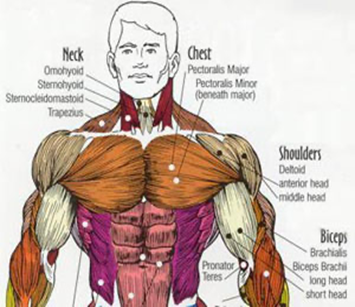
Heavy bag workouts build muscle through resistance training. Every punch requires strength and power, engaging muscles in your arms, shoulders, and core. Over time, consistent practice leads to increased muscle mass. This exercise targets fast-twitch muscle fibers. These fibers are crucial for explosive movements. You’ll notice stronger punches and improved muscle tone.
Endurance Improvement
Endurance is key in heavy bag workouts. Punching continuously for rounds boosts cardiovascular health. It trains your heart and lungs to work efficiently. With regular sessions, your stamina improves. You can punch longer without tiring. This endurance translates to everyday activities, helping you feel more energetic.
Coordination And Agility
Coordination is essential in heavy bag workouts. Punching a moving target enhances hand-eye coordination. You learn to control your body’s movements. Agility also improves as you move around the bag. Quick footwork keeps you light and responsive. These skills are useful in other sports and daily life.
:format(jpeg)/f/115220/2400x990/489b1047da/why-you-should-start-training-with-a-punching-bag.jpg)
Credit: blog.joinfightcamp.com
Comparing Heavy Bag To Other Exercises
Punching a heavy bag can boost strength and endurance. But how does it measure up against other exercises? Many people wonder if this workout can build muscle effectively. Let’s explore how heavy bag training compares to other popular exercises. Understanding these differences can help in choosing the right fitness routine.
Weightlifting Contrast
Weightlifting focuses on building muscle mass. It involves lifting weights to target specific muscles. The goal is to increase muscle size and strength. Punching a heavy bag, on the other hand, enhances muscle endurance. It works on overall strength without bulking up. Both exercises have unique benefits. Weightlifting builds larger muscles. Heavy bag training improves stamina and coordination.
Cardio Vs. Heavy Bag
Cardio exercises like running boost heart health. They burn calories and improve endurance. Punching a heavy bag also offers cardio benefits. It elevates the heart rate and burns fat. But it adds an element of strength training. It engages the upper body, core, and legs. This dual benefit makes it unique. Heavy bag workouts provide a full-body exercise. Perfect for those seeking both cardio and strength.
Training Strategies For Muscle Growth
Training strategies for muscle growth can vary widely, but when it comes to punching a heavy bag, the methods you choose can significantly impact your progress. Understanding the principles of intensity and frequency, as well as the value of adding strength training, can help you maximize your results.
Intensity And Frequency
Have you ever wondered how often you should train to see real muscle growth? Punching a heavy bag with high intensity is key. It challenges your muscles and pushes them to adapt. Aim for workouts that leave you breathless and feeling accomplished.
Frequency is equally important. Training too infrequently might not give your muscles the stimulus they need to grow. On the other hand, overtraining can lead to fatigue and injury. Find a balance that keeps your muscles engaged without overwhelming them. Many athletes find success with 3-4 sessions a week. What about you?
Incorporating Strength Training
Adding strength training to your routine can amplify your results. You might focus on exercises that target your upper body, like push-ups or dumbbell lifts. These exercises build the muscle groups that support powerful punches.
Think about the last time you added weights to your routine—did you notice a difference in your punching power? Strengthening your core and legs is equally important. They provide stability and power for your punches. Consider exercises like squats and planks that enhance your overall strength.
Combining strength training with heavy bag workouts can create a well-rounded program. It might be the missing piece in your muscle-building puzzle. How will you customize your approach to achieve your muscle growth goals?

Credit: www.youtube.com
Nutrition’s Role In Muscle Development
Punching a heavy bag can contribute to muscle growth. The impact strengthens muscles in the arms, shoulders, and core. Nutrition plays a crucial role, providing essential proteins for repair and growth after workouts.
Nutrition’s Role in Muscle Development When you’re working hard at the gym, especially with a heavy bag, your muscles need the right fuel to grow and recover. Simply punching a bag isn’t enough to build muscle. Your nutrition plays a crucial role in ensuring those muscles get stronger and more defined. Have you ever thought about what you eat and drink after a good workout session? Let’s dive into the essentials of how nutrition aids muscle development.Protein Intake
Protein is the building block of muscle. After a heavy bag session, your muscles crave it to repair and grow. How much protein do you consume daily? Aim for a balanced intake of lean meats, fish, and plant-based proteins like beans and lentils. Consider a protein shake after workouts for a quick boost.Hydration And Recovery
Staying hydrated isn’t just about quenching thirst. Water aids in muscle recovery and ensures nutrients flow efficiently through your body. Do you drink enough water during and after your workouts? Keep a water bottle handy. Infuse it with fruits like lemon or cucumber for added benefits. Ever noticed how your performance dips when you’re dehydrated? Replenish those lost fluids and watch your recovery time improve significantly. Remember, good nutrition is your ally in muscle development. A few mindful changes in your diet can make a significant difference. What will you change today to support your fitness journey?Common Mistakes To Avoid
Punching a heavy bag can help build muscle. But many make mistakes that hinder progress. Understanding these mistakes is crucial. It ensures effective and safe workouts.
Overtraining Risks
Overtraining is common with heavy bag workouts. Many think more is better. This approach can harm muscles. Rest is vital for muscle recovery. Without rest, muscles can’t repair or grow. Overtraining leads to fatigue. It can also cause injuries. Balance your workout routine. Include rest days for better results.
Ignoring Technique
Technique is essential in heavy bag training. Poor technique limits muscle gains. It also increases injury risk. Proper stance and punch form are crucial. Focus on footwork and hand position. Avoid wild swings. Controlled movements engage muscles effectively. Consider a trainer for guidance. They can correct your form. This ensures safe and effective workouts.
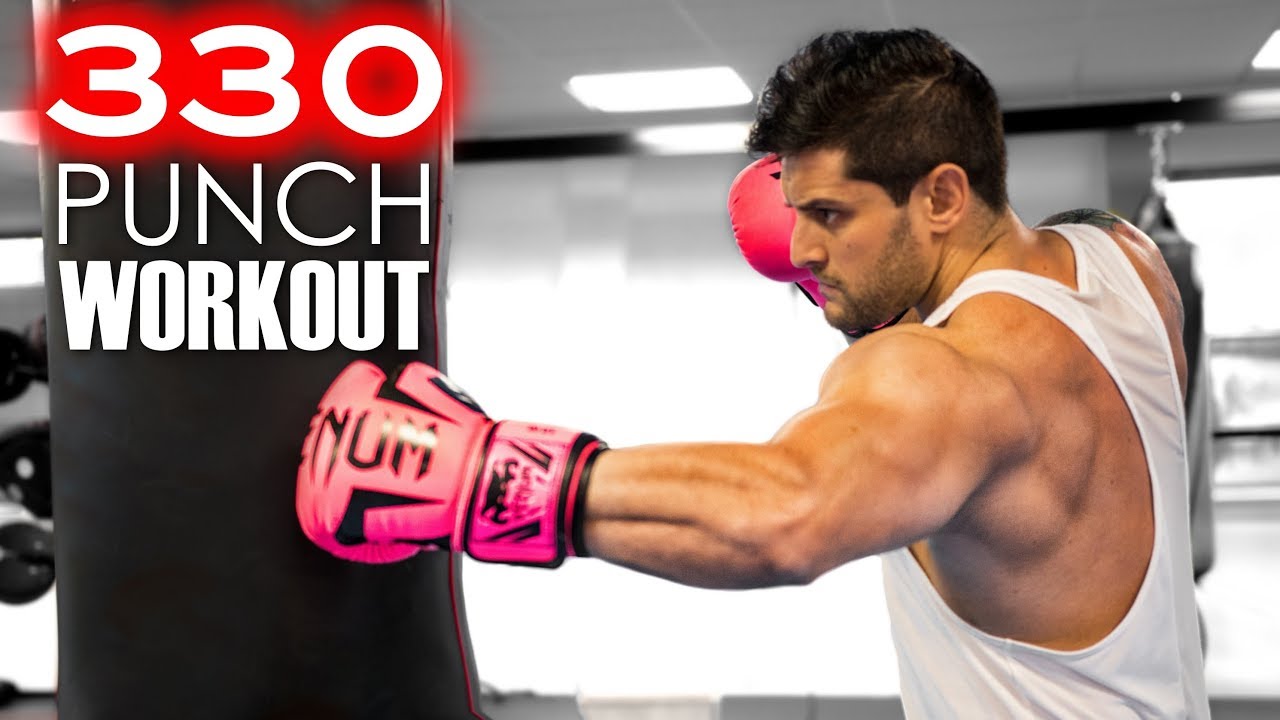
Credit: www.youtube.com
Frequently Asked Questions
Is Punching A Heavy Bag A Good Workout?
Punching a heavy bag is an excellent workout. It boosts cardiovascular health, builds strength, and improves coordination. Regular sessions enhance endurance and burn calories effectively. This dynamic exercise also relieves stress and increases agility. Perfect for anyone seeking a full-body workout and mental benefits.
Does Hitting A Punching Bag Tone Your Arms?
Hitting a punching bag effectively tones your arms by engaging muscles and boosting strength. This workout burns calories, enhancing muscle definition. Regular bag training also improves endurance and coordination, contributing to leaner arms. Combine with strength exercises for optimal results and a balanced fitness routine.
What Happens If I Punch A Heavy Bag Every Day?
Punching a heavy bag daily enhances strength, endurance, and coordination. It may cause hand and joint injuries. Use proper technique and gear to avoid harm. Regular rest days are crucial for recovery and muscle growth. Consult a trainer for tailored advice.
Should I Get A 70 Lb Or 100 Lb Punching Bag?
Choose a 70 lb bag for beginners or lighter training. Opt for a 100 lb bag if you’re experienced or heavier. Consider your weight and training goals. Heavier bags provide more resistance and stability, enhancing strength and endurance. Always ensure the bag suits your space and mounting options.
Conclusion
Punching a heavy bag can help build muscle. It’s a great workout that boosts strength and endurance. You engage your arms, shoulders, and core with each punch. Consistent practice leads to muscle growth over time. Make sure to mix it with other exercises for balance.
It’s not the only way to build muscle, but it’s effective. Remember to focus on technique to avoid injury. Stay committed and watch your muscles develop. Keep your routine varied for best results. Enjoy the process and stay motivated. Your body will thank you for it.