Are you hitting the gym regularly but still not seeing the muscle growth you desire? It’s a common dilemma, and you might be wondering if your workout routine is truly effective.
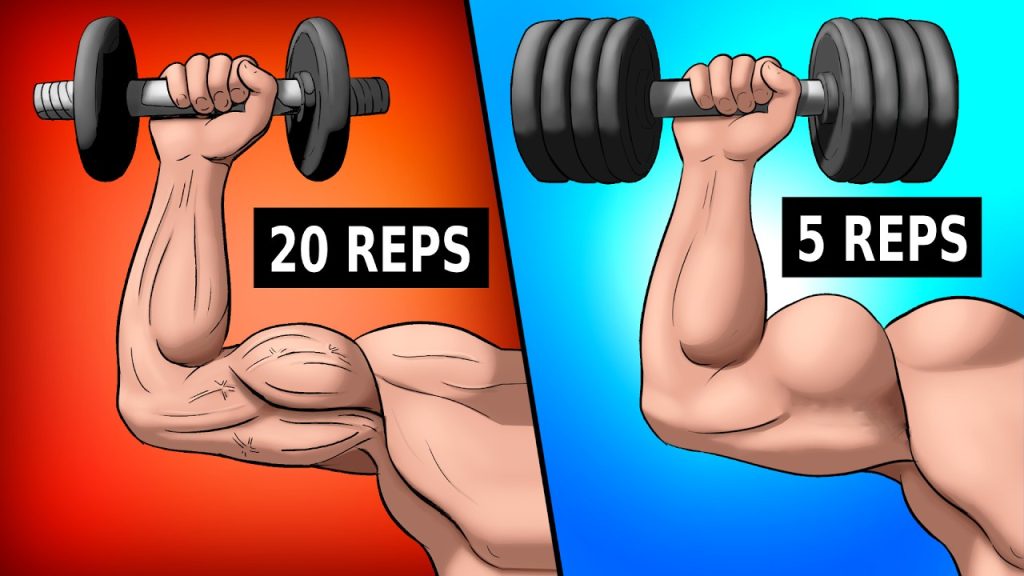
One of the most debated topics in fitness circles is whether using low weights with high repetitions can actually build muscle. You’ve probably heard various opinions, and it can be confusing to know what’s right for you. But worry not, because we’re diving deep into the science and benefits behind this popular training method.
Discover how low weights and high reps might just be the secret ingredient to achieving the muscle definition you’ve been striving for. Keep reading to unlock the truth and transform your workout strategy today!
The Basics Of Muscle Building
Exploring muscle building techniques often leads to the debate on low weights and high reps. This approach targets endurance and can promote muscle growth over time. It’s essential for consistent effort and proper form to achieve noticeable results.
Building muscle isn’t just about lifting weights; it’s about understanding your body and how it responds to various training methods. The journey to muscle growth involves a complex interplay of factors, including nutrition, rest, and exercise technique. One common question is whether low weights with high repetitions can effectively build muscle.Muscle Hypertrophy Explained
Muscle hypertrophy is the process where your muscle fibers increase in size. This growth happens when you challenge your muscles with resistance, causing tiny tears. As these tears repair, your muscles grow stronger and bigger. Does this mean you need to lift the heaviest weights? Not necessarily. It’s about the tension your muscles are under and the volume of work they perform. High reps with lighter weights can still stimulate muscle growth, especially if you reach fatigue. Consider the last time you pushed through a high-rep set. Your muscles burn, your heart races, and you might even question if you can do one more rep. This intense effort is what stimulates hypertrophy.Role Of Resistance Training
Resistance training is essential for muscle growth, whether you’re using heavy or light weights. It includes any exercise that causes your muscles to contract against an external resistance. This could be dumbbells, resistance bands, or even your own body weight. If you’re new to lifting, starting with lighter weights and higher reps can build your foundation. This can improve your form and muscle endurance. As your body adapts, you can gradually increase the weight for added challenge. Think about the last time you tried a new resistance exercise. You might have felt awkward or struggled to keep balance. That’s normal. Your muscles need time to adjust and strengthen. Have you ever considered which method works best for you? It’s often about what keeps you motivated and consistent. Some find heavy lifting exhilarating, while others prefer the rhythm and endurance of high reps. In your muscle-building journey, the key is variety and persistence. Don’t shy away from experimenting with different weights and rep ranges. Keep your muscles guessing, and they’ll keep growing.Low Weights High Reps Approach
Building muscle often conjures images of lifting heavy weights. But there’s a growing interest in using lighter weights with higher repetitions to achieve muscle growth. The low weights high reps approach challenges traditional thinking, offering a unique path to building strength and endurance. It’s not just about lifting big; it’s about lifting smart.
What It Involves
Opting for low weights with high reps means you focus on lifting lighter loads for more repetitions. This approach targets muscle endurance and can lead to muscle growth, especially for beginners. You typically perform 15 to 20 reps per set, with weights that feel manageable.
The idea is to exhaust the muscle fibers over time, rather than overwhelming them with heavy loads. It’s about persistence and consistency, gradually building up your muscle’s ability to withstand longer periods of stress. You’ll find yourself working on technique and form, enhancing your overall fitness.
Common Practices
Many fitness enthusiasts integrate this approach into their routine by alternating between high reps and low reps. This keeps workouts dynamic and prevents plateaus. You might start with lighter weights to warm up, then gradually increase the reps as your muscles adapt.
Tracking progress is key. Keep a journal or use a fitness app to note down the number of reps and sets. Over time, aim to increase either the weights or the reps to challenge your muscles further. Some people find it helpful to set specific goals, like increasing reps by five every two weeks.
Have you ever tried this approach? What results did you notice? Reflecting on your experiences can offer valuable insights for others looking to explore this method. Consider sharing your journey with friends or online communities to motivate others.
Are you ready to experiment with your workout? Embrace the low weights high reps approach and see how it transforms your strength and endurance. Remember, it’s not just about the weights you lift, but how you lift them.
Benefits Of Low Weights High Reps
When you think about building muscle, lifting heavy weights might be the first thing that comes to mind. Yet, using low weights with high reps offers a surprising range of benefits. This method not only helps in muscle building but also boosts endurance and prevents injuries, making it a valuable addition to your workout routine.
Endurance Improvement
Low weights high reps can dramatically improve your endurance. By repeatedly lifting lighter weights, you train your muscles to perform over extended periods. This is crucial for activities that require stamina, such as running or cycling. I’ve noticed a significant increase in my stamina since incorporating this technique into my workouts. You might find yourself able to run longer distances or endure more intense physical activities without tiring quickly.
Think about how this could transform your daily life. Whether you’re chasing after kids or carrying groceries, improved endurance can make these tasks easier. Have you ever felt exhausted after climbing a few flights of stairs? Imagine breezing through them effortlessly with enhanced endurance.
Injury Prevention
Another key benefit of using low weights with high reps is injury prevention. Heavy weights can put immense strain on your joints and muscles, increasing the risk of injury. In contrast, lighter weights reduce this risk significantly. I once overdid it with heavy weights and suffered a painful shoulder injury. Since switching to lighter weights, my joints feel healthier and my workouts are safer.
This approach allows you to focus on perfecting your form. Proper form is crucial for preventing injuries, and lighter weights make it easier to maintain. Are you constantly worried about pulling a muscle during your workouts? Low weights high reps might be the safer choice for you.
Ultimately, incorporating low weights high reps into your routine isn’t just about building muscle. It’s about creating a balanced, sustainable workout that benefits your overall health. Why not give it a try and see how it can fit into your fitness journey?

Credit: m.facebook.com
Challenges And Misconceptions
Weightlifting often sparks debates about the best approach to muscle building. One popular method is using low weights with high repetitions. This technique raises questions and misconceptions. Many wonder if it truly builds muscle. Understanding the challenges and misconceptions is key to making informed choices.
Limitations In Muscle Growth
Low weights with high reps may not maximize muscle growth. This method primarily targets endurance. It boosts stamina rather than muscle size. Muscle fibers need tension for growth. Heavy weights create this tension. Without enough tension, muscles might not grow optimally. Strength gains could be limited too.
Common Myths Debunked
Many believe low weights with high reps tone muscles. This is a myth. Muscle tone comes from muscle size and reduced fat. It’s not solely about reps. Another myth is that heavy weights bulk you up. Bulking involves diet and specific training. It’s not just about lifting heavy.
Some think lifting light weights prevents injury. Proper technique is key to safety. Weight alone doesn’t cause injury. Misunderstanding these concepts can lead to ineffective workouts. Knowing the facts helps in setting realistic goals.
Scientific Evidence
People often ask if low weights with high reps can build muscle. This topic has drawn interest from fitness enthusiasts and researchers alike. The science behind muscle growth is complex. Various studies have explored the effectiveness of different training methods. Let’s delve into what the scientific evidence reveals about this approach.
Research Findings
Several studies have examined the impact of low weights and high reps. Research indicates that this method can indeed promote muscle growth. A study published in the Journal of Applied Physiologyfound that muscle gains can occur with lighter weights. Participants who used low weights and high reps saw muscle growth similar to those using heavier weights.
Another study in the European Journal of Sport Sciencesupported these findings. It showed that both high and low-intensity exercises can increase muscle size. The key factor is reaching muscle fatigue during each set. This triggers hypertrophy, the process of muscle fiber enlargement.
Expert Opinions
Fitness experts often discuss the benefits of low weights with high reps. Many agree that this method is effective for muscle endurance and growth. Brad Schoenfeld, a renowned fitness scientist, emphasizes the importance of variety. He suggests combining different weights and reps for optimal results.
Personal trainers also advocate for this approach. They highlight its benefits for beginners and those recovering from injuries. Using lighter weights reduces the risk of injury while still building muscle. This makes it a popular choice for those new to strength training.

Credit: www.youtube.com
Comparing Different Training Methods
When you step into the gym, you’re faced with various training methods. Each claims to be the ultimate way to build muscle. But which one truly delivers results? Let’s dive into the nuances of different training approaches to help you choose the best path for your muscle-building goals.
Heavy Weights Low Reps
Many fitness enthusiasts swear by lifting heavy weights with low repetitions. The idea is simple: push your muscles to their limit with fewer reps to gain strength and size. This method engages your muscle fibers in a way that promotes hypertrophy.
Imagine lifting a weight so heavy that you can only manage five reps before exhaustion sets in. This approach not only builds muscle but also improves your overall strength. However, it’s crucial to ensure proper form to avoid injuries.
Have you ever tried lifting heavier than your usual? It challenges your body and mind, pushing you beyond your comfort zone. The thrill of conquering a new personal best can be incredibly motivating.
Combination Of Approaches
Why choose one method when you can benefit from a combination? Mixing heavy weights with low reps and lighter weights with high reps can give you the best of both worlds. This balanced approach allows you to build strength and endurance simultaneously.
Think about alternating between these methods throughout your workout week. You can dedicate certain days to heavy lifting and others to lighter, higher-rep sessions. This variation not only keeps your workouts exciting but also targets different muscle fibers.
Have you ever felt stuck in a plateau? This combination method can be a game-changer. It shocks your muscles, encouraging growth and breaking through stagnation.
When comparing these training methods, it’s essential to consider your personal goals. Do you want to lift more, or are you aiming for muscle endurance? Remember, there’s no one-size-fits-all answer. The key is to listen to your body and adjust your training as needed.
Tailoring Workouts To Goals
Lifting lighter weights with more repetitions can enhance muscle endurance and tone. This approach targets slow-twitch muscle fibers. For those aiming to build muscle mass, pairing low weights with high reps may not be as effective as heavier weights.
Tailoring workouts to your goals is crucial to achieving the results you desire. Whether you’re aiming to build muscle, increase endurance, or simply maintain overall fitness, understanding how to adjust your exercise routine can make all the difference. Let’s dive into how you can craft a workout plan that aligns with your specific objectives.Personalized Training Plans
A personalized training plan is not just about picking exercises; it’s about creating a roadmap to success. Start by identifying what you want to achieve. Are you looking to bulk up, tone muscles, or enhance cardiovascular health? Next, assess your current fitness level. This will help you set realistic goals and track progress. I remember when I first started lifting; I was eager to lift heavy but quickly realized that my form suffered. Adjusting my plan to include more reps with lighter weights helped build my foundation. Consider working with a trainer or using fitness apps to tailor a routine that matches your goals. A structured plan keeps you focused and motivated.Balancing Strength And Endurance
Finding the balance between strength and endurance can be a game-changer. High reps with low weights can enhance muscular endurance, while low reps with heavy weights typically build strength. But what if you want both? Experiment with different combinations. You might do a few sets of low reps with heavier weights, followed by high-rep sets with lighter weights. This approach can help you build muscle while also boosting endurance. Listen to your body. Some days, you may feel stronger and want to push for heavier weights. Other days, focusing on endurance might be more beneficial. Adjust accordingly to keep your workouts fresh and challenging. Have you considered how your lifestyle impacts your workout goals? If your daily routine involves a lot of physical activity, you might prioritize strength training. On the other hand, a sedentary lifestyle might benefit more from endurance-focused workouts. By tailoring your workouts to your goals, you can achieve a balanced fitness routine that keeps you engaged and progressing. Remember, fitness is personal, and your journey is unique. Take the time to understand your needs and adjust your plan as necessary.Credit: www.quora.com
Practical Tips For Effective Workouts
When you’re aiming to build muscle with low weights and high reps, the key lies in how you approach your workouts. It’s not just about lifting until you’re tired. You need to ensure you’re maximizing each session to get the results you want. Here are some practical tips to help you make the most of your workouts, guiding you through the essentials of form, progression, and variation.
Proper Form And Technique
Using low weights demands impeccable form. Focus on engaging the right muscles. This ensures you’re targeting your muscles effectively, avoiding injury and maximizing growth.
Keep your movements controlled. Avoid rushing through reps. Slow and steady movements engage your muscles more, leading to better results.
Consider consulting a trainer. They can offer personalized advice to perfect your technique. Sometimes, a small tweak can make a huge difference.
Progression And Variation
Gradual progression is key. Start with a weight you can handle, then slowly increase reps or sets. Your muscles need challenges to grow, so keep pushing yourself.
Don’t stick to the same routine. Add variety to your workouts. This keeps your muscles guessing and prevents plateaus, ensuring continuous improvement.
Have you tried changing your grip or stance? Small changes can target different muscle groups. Experiment and find what works best for you.
Ultimately, building muscle with low weights and high reps is about consistency and attention to detail. Are you ready to refine your workout approach and see the gains?
Frequently Asked Questions
Can I Build Muscle With Low Weight High Reps?
Yes, building muscle with low weight high reps is possible. This approach enhances muscular endurance and promotes muscle growth. Focus on maintaining proper form and increasing intensity gradually. Consistency and adequate nutrition are crucial for effective results. Tailor workouts to your fitness goals for optimal muscle development.
What Builds More Muscle, High Or Low Reps?
Both high and low reps can build muscle. High reps improve endurance and muscle definition. Low reps increase strength and muscle size. Combining both in a workout routine offers balanced muscle growth. Adjust reps based on personal goals and fitness levels for optimal results.
Will Slow Reps Build More Muscle?
Slow reps can enhance muscle growth by increasing time under tension. This stimulates more muscle fibers, promoting hypertrophy. Controlled movements also improve focus and form, reducing injury risk. Slow reps effectively build muscle when combined with proper nutrition and recovery.
Integrating slow reps into workouts can maximize muscle gains.
Can Low Weights High Reps Increase Muscle Size?
Yes, low weights with high reps can increase muscle size. This method enhances muscular endurance and stimulates hypertrophy. It focuses on slow-twitch muscle fibers, leading to growth over time. Consistent training with progressive overload is key to achieving noticeable muscle gains.
Conclusion
Building muscle requires the right balance of weights and reps. Low weights with high reps can enhance endurance and muscle tone. They focus on slow-twitch muscle fibers. It’s not the fastest way to bulk up. But it aids in muscle conditioning.
Combine this approach with proper nutrition. Rest is crucial too. Listen to your body’s signals. Adjust your routine as needed. Find what works best for you. Consistency is key for muscle growth. Mixing methods may yield better results over time.
Stay committed to your fitness journey.