Are you hitting the gym with the hope of building muscle faster? You’ve probably heard the age-old advice: lift heavy weights to see results quickly.
But does this really work, or is it just another fitness myth? If you’re like most people, you want to maximize your time and effort, ensuring every drop of sweat counts. That’s why understanding the science behind muscle building is crucial.
Imagine transforming your workout routine with just a few insights. You’re about to discover whether lifting heavy is the secret ingredient to muscle growth or if there’s more to the story. Keep reading, because what you learn might just redefine the way you train.

Credit: www.boxrox.com
Muscle Growth Basics
Building muscle is a common goal for many fitness enthusiasts. Understanding muscle growth basics is crucial. Muscles grow through a complex process involving stress and recovery. Let’s explore how this happens.
How Muscles Grow
Muscles grow through a process called hypertrophy. This occurs when muscle fibers repair and increase in size. Exercise creates small tears in muscle fibers. The body repairs these tears, leading to muscle growth. Consistent training and recovery are essential.
Role Of Resistance Training
Resistance training plays a vital role in muscle growth. It involves exercises where muscles contract against resistance. This resistance can be weights or body weight. Resistance training stimulates muscle fibers. This encourages them to grow stronger and larger over time.
Lifting heavy weights can accelerate this process. It increases the intensity of the workout. Higher intensity means more stress on muscles. This often leads to faster growth. Yet, proper form and technique remain important.
Heavy Weights Vs. Light Weights
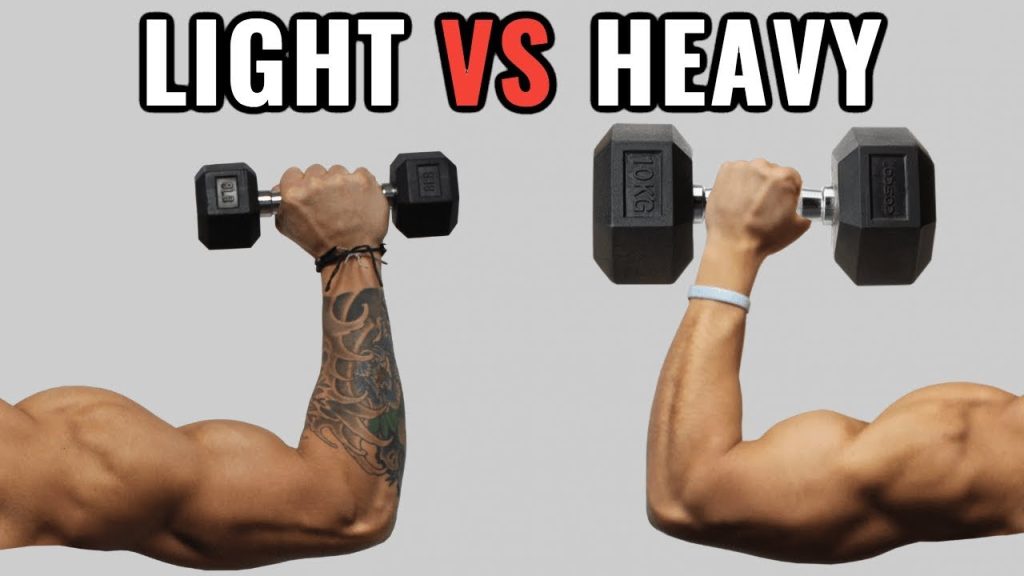
Lifting heavy weights can lead to faster muscle growth. Heavy weights increase muscle tension, causing greater muscle fiber activation. Light weights, while beneficial for endurance, might not stimulate muscle growth as effectively.
In the world of fitness, the debate between lifting heavy weights versus light weights is like choosing between two different paths to the same destination: building muscle. You might wonder if heavier weights build muscle faster or if lighter weights have their own unique advantages. It’s an intriguing question that captivates both beginners and seasoned gym-goers alike. Let’s delve into the intricacies of both approaches to help you make an informed choice.Defining Heavy And Light Weights
Heavy weights are typically defined as those that challenge your muscle strength and require you to exert maximum effort for a few repetitions. Think about lifting weights that you can only manage for six to eight reps before fatigue sets in. On the flip side, light weights are those that allow you to perform many repetitions, often more than 12, without feeling overwhelmed. This type of lifting is less about brute strength and more about endurance and control.Pros And Cons Of Heavy Lifting
Heavy lifting can quickly increase muscle size and strength. It targets fast-twitch muscle fibers, which are responsible for explosive movements. You might notice gains in muscle mass sooner, giving a visible boost to your physique. However, this approach isn’t without its downsides. Heavy lifting can strain your muscles and joints, increasing the risk of injury if not done correctly. Are you ready to balance the rewards with the risks?Benefits Of Lighter Weights
Lifting lighter weights has its own set of advantages. It allows for greater focus on form and technique, reducing the risk of injury. You’ll engage slow-twitch muscle fibers, enhancing muscle endurance and promoting lean muscle development. This method is ideal for those new to weightlifting, as it builds a solid foundation without overwhelming your body. Plus, it can be more enjoyable and less daunting, especially if you’re just starting out. Could light weights be the key to sustainable muscle growth for you? The choice between heavy and light weights ultimately depends on your fitness goals and personal preference. Whether you’re chasing rapid gains or aiming for long-term sustainability, both methods offer unique paths to muscle growth.Intensity And Volume
Building muscle involves a balance between intensity and volume. Lifting heavy weights can accelerate muscle growth. But understanding the right mix of workout intensity and volume is crucial. This section explores how the intensity and volume of your workouts play a key role in muscle development.
Importance Of Workout Intensity
Workout intensity refers to how much effort you put into each exercise. High intensity stimulates muscle growth. It challenges your muscles to adapt and grow stronger. Heavy weights increase intensity. They put more stress on muscle fibers. This leads to faster muscle growth. But high intensity requires correct form. Improper technique can cause injuries. Focus on maintaining proper form while lifting heavy weights.
Balancing Volume And Load
Volume is the total amount of exercise you do. It includes sets, reps, and weight lifted. Volume and load must be balanced for effective muscle growth. High volume with light weights can build endurance. Heavy weights with low volume can build strength. Finding the right balance helps achieve your fitness goals. Adjust sets and reps based on your progress. Listen to your body and avoid overtraining. Both volume and load should challenge you but not lead to fatigue.

Credit: www.amazon.com
Progressive Overload Principle
The Progressive Overload Principle is key to muscle growth. It’s the idea of gradually increasing stress to muscles over time. This forces them to adapt and become stronger. Lifting heavier weights builds muscle faster by challenging muscles beyond their comfort zone. The principle is simple yet effective for those aiming to increase muscle mass.
Incremental Weight Increases
Small weight increases make a big difference. Start with manageable weights. Gradually add weight to your routine. This keeps muscles growing and prevents plateaus. The body adapts to new challenges, stimulating muscle growth. Avoid rapid jumps in weight; they can lead to injury. Slow and steady wins the muscle-building race.
Adapting Workouts For Growth
Variety in workouts boosts muscle development. Change exercises and routines often. This prevents the muscles from getting used to the same motions. Include different types of lifts and techniques. Mix compound exercises with isolation moves. This approach keeps workouts fresh and effective. Regularly adapting workouts ensures continuous muscle growth.
Impact Of Nutrition
Building muscle quickly often involves lifting heavy weights alongside proper nutrition. Balanced meals provide energy and essential nutrients crucial for muscle growth. Protein-rich diets support faster muscle recovery and development, enhancing the effects of intense weight training sessions.
When it comes to building muscle, lifting heavy weights is only part of the equation. The impact of nutrition is crucial and often underestimated. What you eat can either accelerate your muscle growth or slow it down. Your diet provides the necessary fuel for your workouts and recovery.Role Of Protein In Muscle Building
Protein is the building block of muscles. Consuming enough protein supports muscle repair and growth. If you lift heavy weights, your protein needs increase. Aim to include a source of protein in every meal. Options like chicken, fish, eggs, or plant-based proteins like beans and lentils work well. You may be surprised how quickly you notice changes in your strength and muscle mass by adjusting your protein intake.Nutrient Timing And Recovery
The timing of your meals can impact your muscle-building efforts. Eating a balanced meal with protein and carbs within two hours after lifting weights can enhance recovery. Carbs replenish glycogen stores, while protein aids muscle repair. Have you ever felt sluggish after a workout? A well-timed post-workout meal might be the fix you need. Listen to your body and adjust your meal times to see what works best for you. Be mindful of how your energy levels and recovery improve with proper nutrient timing.Are you giving your body the nutrients it needs to build muscle? Consider how your current eating habits are impacting your fitness goals. Adjusting your nutrition could be the key to seeing faster results from your heavy lifting efforts.
Influence Of Genetics
Genetics play a crucial role in muscle growth speed when lifting heavy weights. Some people naturally build muscle faster due to their genetic makeup. Understanding this can help set realistic fitness goals.
When it comes to building muscle, genetics play a crucial role in determining how quickly you can achieve your goals. Some people may notice rapid muscle growth even with moderate weightlifting, while others might struggle to see similar gains despite intense workouts. Understanding the influence of genetics can help you tailor your fitness regimen more effectively.Genetic Factors In Muscle Growth
Genetics determine how your body responds to weightlifting. Your DNA can affect muscle fiber type, recovery rate, and even hormone levels. Some individuals have a higher proportion of fast-twitch muscle fibers, which are better suited for growth and strength. Others might have a genetic predisposition for slower recovery, impacting how quickly they can train again. Muscle growth is also influenced by genetic differences in hormone production, like testosterone. Higher levels can enhance muscle building. But it’s not all about hormones. Your genetic makeup can dictate how efficiently your body synthesizes protein, which is crucial for muscle repair and growth.Individual Variations In Response
Not everyone responds to weightlifting in the same way. You might have a friend who bulks up quickly, while you struggle to add mass. This variation is normal and often rooted in your genetic blueprint. Some people experience significant gains from lifting heavy weights, while others see better results with moderate weights and higher repetitions. It’s essential to experiment and find what works best for you. Listening to your body and adjusting your routine can be more beneficial than following a one-size-fits-all approach. Consider keeping a workout journal. Document your progress, noting exercises that yield the best results. Over time, you’ll discover patterns that align with your genetic predispositions. This personalized approach can make your muscle-building journey more effective and enjoyable. Have you ever wondered why some people are natural athletes, while others have to work harder? Embracing your unique genetic makeup and leveraging it can lead to better outcomes. Instead of comparing yourself to others, focus on your strengths and optimize your training accordingly.Recovery And Rest
Building muscle requires lifting heavy weights and proper recovery. Heavy lifting stresses muscles, helping them grow stronger. Rest and recovery are crucial for muscle repair, allowing faster growth and improved strength. Balancing heavy lifting with adequate rest maximizes muscle-building potential.
Building muscle is not just about lifting heavy weights; it’s equally about how you rest and recover. After an intense workout, your muscles need time to repair and grow stronger. This recovery period is crucial for muscle development, and skipping it can lead to fatigue and injuries. Let’s dive into why recovery and rest are essential components of any effective muscle-building regimen.Importance Of Rest Days
Rest days are not just a break from the gym; they are a vital part of your muscle-building journey. Your muscles repair and grow during these periods of rest, not while you’re lifting. By scheduling regular rest days, you allow your muscles to heal and become stronger, thus maximizing your gains. I once made the mistake of pushing myself without adequate rest days. The result? I hit a plateau, and my performance dipped. After incorporating rest days, my strength improved noticeably. Are you giving your body the rest it needs to build muscle effectively?Sleep And Muscle Repair
Sleep is often underrated in its role in muscle recovery and growth. During deep sleep, your body releases growth hormones crucial for muscle repair. Aim for 7-9 hours of quality sleep to optimize muscle recovery. Consider this: after a night of poor sleep, you might feel weaker and less motivated to hit the gym. This is because your body hasn’t had the chance to repair fully. Prioritize sleep just as you do your workouts, and you’ll likely notice a significant improvement in your muscle-building efforts. Incorporating these recovery strategies into your routine can significantly enhance your muscle growth. Are you ready to make rest and recovery a priority in your fitness journey?Expert Opinions
Many wonder if lifting heavy weights builds muscle faster. Experts have varied opinions on this topic. Some argue that heavier weights lead to quicker muscle growth. Others suggest a balanced approach with moderate weights. Let’s explore different expert viewpoints.
Views From Fitness Professionals
Fitness professionals often highlight lifting heavy as crucial for muscle growth. They believe it challenges the muscles more effectively. This strain prompts the muscles to repair and grow stronger. Personal trainers frequently recommend heavy weights for quick results. Yet, they stress the importance of proper form to prevent injuries. Balance and safety are key.
Scientific Studies On Weightlifting
Scientific studies provide insights into weightlifting and muscle growth. Research shows heavy weights can lead to faster muscle gain. The increased resistance stimulates muscle fibers more intensely. Studies indicate a significant impact on muscle size and strength. Yet, not all research agrees on heavier being better. Some studies suggest moderate weights with higher reps can be effective too.
Creating A Balanced Workout Plan
Creating a balanced workout plan is crucial for muscle growth. It ensures all muscle groups are targeted efficiently. Lifting heavy weights is a key component, but balance is vital. A well-rounded plan combines various techniques and personal goals for optimal results.
Incorporating Various Techniques
Diverse techniques enhance muscle stimulation. Use compound exercises like squats and deadlifts for overall strength. Isolation exercises target specific muscles. Mix high-intensity training with controlled movements. Switch between free weights and machines. This variety prevents workout monotony.
Tailoring To Individual Goals
Personal goals shape your workout plan. Decide if you want strength or size. Aim for muscle endurance or definition. Adjust your routine to match these goals. Set realistic targets to keep motivated. Track progress regularly for improvement.

Credit: www.youtube.com
Frequently Asked Questions
Do Heavy Weights Build Muscle Faster?
Lifting heavy weights can accelerate muscle growth by increasing muscle fiber recruitment and stimulating hypertrophy. Aim for proper form and progressive overload to maximize results. Pair heavy lifting with adequate rest and nutrition for optimal muscle gains.
Is It Better To Lift Heavily For Muscle Gain?
Lifting heavy weights can boost muscle growth by increasing muscle fibers. It’s crucial to maintain proper form. Combine with a balanced diet and adequate rest for optimal results. Gradually increase weight to avoid injury.
Is It Better To Lift Heavy Or Light Weights To Build Muscle?
Lifting heavy weights builds muscle mass and strength efficiently. Light weights with more repetitions improve endurance and muscle tone. Combining both methods optimizes muscle growth and overall fitness. Adjust your routine based on personal goals and fitness levels for the best results.
Do Heavier People Gain Muscle Faster?
Heavier individuals often have more muscle mass already, which can aid in faster muscle gain. Proper diet and exercise are crucial. Genetics also play a role in muscle growth rate. Consistency and the right workout plan are key for effective results.
Conclusion
Lifting heavy weights can build muscle faster for many people. It challenges the muscles, promoting growth and strength. Consistent effort and proper form are key. Remember, everyone’s body responds differently. It’s important to listen to your body. Rest and recovery are crucial parts of muscle building.
Balance heavy lifting with adequate nutrition and sleep. Consult a fitness expert if unsure. Stay patient and focused on your goals. Progress might take time, but it’s worth it. Your journey to muscle growth is personal. Keep learning and adjusting your approach as needed.