Imagine stepping into the gym, surrounded by a sea of weights and machines, and feeling a bit overwhelmed. You’re not alone.
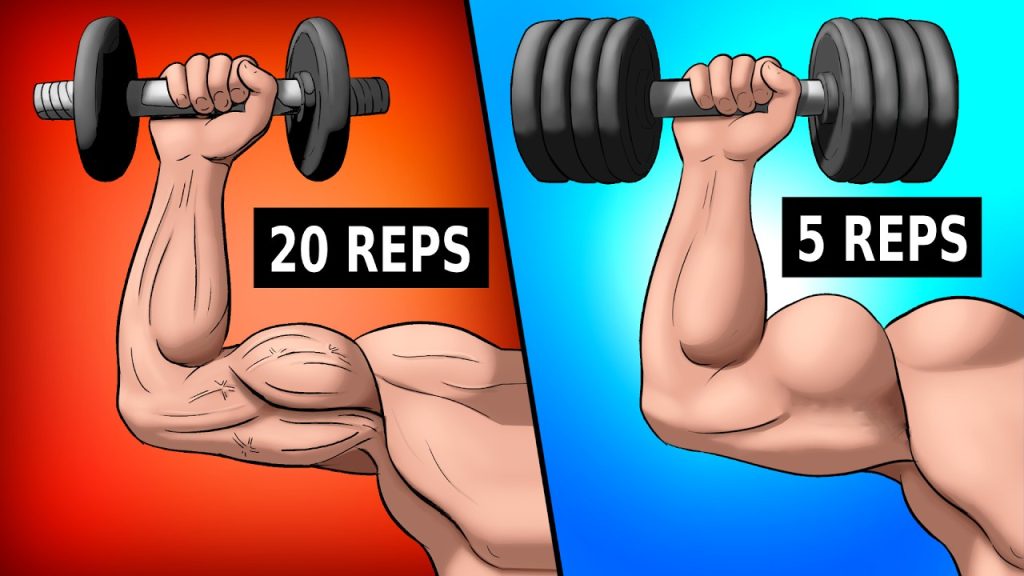
Many of us wonder about the best approach to building muscle. You’ve probably heard the age-old debate: should you lift heavy weights with fewer reps, or go for high reps with lighter weights? This question isn’t just a passing thought; it’s a key factor in shaping your fitness journey.
You’re about to discover the truth behind high rep, low weight training and its potential to transform your muscles. Stick around to learn whether this method can truly help you achieve the toned, strong physique you desire. Ready to unlock the secrets of muscle growth? Let’s dive in.
Muscle Building Basics
High reps with low weight can increase muscle endurance and tone. It may not always lead to significant muscle growth. This method enhances stamina and helps in defining muscles, making it a popular choice for fitness enthusiasts.
Building muscle can feel like a complex puzzle, but understanding the basics makes it much more manageable. Whether you’re lifting heavy weights with few reps or opting for high reps with lower weights, the goal is the same: to increase muscle size and strength. It’s essential to grasp how different approaches impact your muscle-building journey. Let’s dive into some crucial elements of muscle growth.Role Of Repetitions And Weight
The number of repetitions and the weight you use play a significant role in muscle building. Higher reps with lower weights can lead to increased muscle endurance. Meanwhile, lower reps with heavier weights often focus on building strength and size. Think about your goals. Do you want to lift heavier objects or improve your stamina? Each method has its place in a well-rounded fitness routine.Muscle Hypertrophy Explained
Muscle hypertrophy is the process of growing muscle fibers. It occurs when muscles are subjected to stress, like lifting weights, causing tiny tears that repair stronger. Using high reps with low weight can effectively stimulate hypertrophy, especially for beginners or those recovering from injury. Imagine your muscles as a block of clay. Each repetition molds and shapes them, encouraging growth. A friend of mine switched to high reps with lighter weights after a shoulder injury and noticed impressive gains without straining the joint. Are you curious if this approach fits your goals? Consider what feels right for your body and aligns with your fitness objectives. The path to muscle growth is personal and varies from person to person.
Credit: www.youtube.com
High Reps, Low Weight Approach
The high reps, low weight approach in muscle building is often debated among fitness enthusiasts. This method involves performing a higher number of repetitions with lighter weights. Many believe it helps in toning muscles and improving endurance. But does it really help in building muscle mass? Let’s dive into the benefits, drawbacks, and common misconceptions.
Benefits And Drawbacks
One of the significant benefits of high reps, low weight is increased muscular endurance. By consistently pushing your muscles with more repetitions, you enhance their ability to sustain activity over time. It’s a great way to improve stamina and keep your heart healthy.
However, this approach might not lead to significant muscle growth. Muscle hypertrophy typically requires heavier weights and fewer reps to create enough stress on the muscles for them to grow. If you’re aiming for bulk, this method might not deliver the desired results.
There’s also the risk of overtraining. Doing too many reps can lead to fatigue and injury. It’s crucial to listen to your body and balance this method with sufficient rest and recovery.
Common Misconceptions
A common misconception is that high reps, low weight automatically leads to lean muscles. While it can help with toning, it does not replace the need for heavier lifting if muscle growth is your goal.
Some people think it’s the best approach for weight loss. While it does burn calories, combining it with a healthy diet and cardio is essential for effective weight loss.
Another misunderstanding is that it’s only for beginners. In reality, experienced lifters can also benefit from this method, especially when focusing on endurance or recovery from injury.
Have you ever tried the high reps, low weight approach? Did it meet your expectations? Consider experimenting with different methods to find what suits your goals best.
Scientific Insights
Understanding muscle growth involves exploring various training methods. One common debate centers around using high reps with low weight. Scientific insights offer clarity on how this approach affects muscle building.
Research Findings
Studies show that high reps with low weight can build muscle. This method increases muscle endurance and stimulates growth over time. Researchers found it activates muscle fibers. The activation is comparable to heavier weights with fewer reps. Consistent training leads to muscle hypertrophy. A study published in the Journal of Strength and Conditioning Research supports this. The study concluded muscle growth is possible with lighter weights. The key is maintaining proper form and consistent effort.
Expert Opinions
Fitness experts agree that high rep, low weight training has benefits. They emphasize its role in enhancing muscle endurance. Many trainers recommend this method for beginners. It helps in improving form and technique. Experts highlight its safety compared to heavy lifting. It reduces the risk of injury while promoting muscle growth. Some suggest combining with heavier weights for balanced results. This mix targets different muscle fibers, optimizing overall development.
Comparing With Low Reps, High Weight
Deciding between high reps with low weight or low reps with high weight can be challenging. Each approach has unique benefits and aligns with different fitness goals. Understanding these differences helps tailor workouts to specific needs.
Strength Vs. Endurance
Low reps with high weight build strength. This method focuses on lifting heavy loads. Muscles become stronger and more powerful. High rep, low weight workouts target endurance. They involve many repetitions with lighter loads. Muscles sustain activity for longer periods.
Body Composition Effects
Low reps, high weight training increase muscle size. This method promotes muscle growth and definition. It enhances muscle density. High rep, low weight workouts improve muscle tone. They burn calories efficiently and support fat loss. Muscles appear lean and sculpted.
Designing Effective Workouts
High rep, low weight workouts can enhance muscle endurance. They tone muscles without adding bulk. Ideal for beginners seeking gradual strength improvement.
Designing effective workouts is key when you want to build muscle with high reps and low weight. It’s not just about lifting and repeating; it’s about crafting a plan that aligns with your goals. Understanding the balance between reps and weight, and adding variety, can help you see results faster.Balancing Reps And Weight
Finding the right balance between reps and weight can be tricky. Too light, and you might not feel the burn; too heavy, and you might sacrifice form. Consider starting with a weight that challenges you by the 12th or 15th rep. You need to feel slightly fatigued but still able to maintain good form. This is where growth happens. Remember that your body adapts quickly, so keep an eye on your progress and adjust the weight as you grow stronger.Incorporating Variety
Variety is the spice of life, and it applies to workouts too. Have you ever been bored doing the same routine over and over? Adding different exercises can keep your muscles guessing and engaged. Try mixing in exercises like lunges, push-ups, or resistance band workouts. These not only keep your routine interesting but also ensure different muscle groups are targeted. Consider using a workout plan that rotates through different muscle groups on different days. This approach keeps your entire body engaged without overworking one area. Think about your last workout. Did it feel like a chore, or were you excited to see what was next? A varied routine can be the difference between a dull workout and an exhilarating one. Don’t be afraid to experiment and find what works best for you. Your ideal workout should challenge you, push your limits, and most importantly, be something you look forward to.Credit: www.quora.com
Individual Considerations
Understanding individual considerations is key in choosing the right workout plan. High rep, low weight workouts can work for some, but not for everyone. Factors like fitness goals and personal preferences play a big role. Let’s explore these factors to help you make informed choices.
Fitness Goals
Your fitness goals determine your workout style. Want to build endurance? High rep, low weight workouts might be for you. They improve muscle endurance without bulking up. Aim for muscle growth? You might need heavier weights with fewer reps. It’s about matching your goals with the right method.
Personal Preferences
Personal preferences matter in choosing a workout routine. Enjoy long sessions? High rep, low weight could be enjoyable. Prefer shorter, intense workouts? Heavier weights might suit you better. Listen to your body and mind. Choose a routine that keeps you motivated.
Practical Tips
Building muscle can be achieved with high rep, low weight workouts. These routines enhance muscle endurance and tone. Focus on maintaining proper form and increasing intensity gradually for optimal results.
Building muscle with high reps and low weights can seem counterintuitive to many. Yet, it’s a method embraced by countless fitness enthusiasts. The secret lies in a strategic approach to your workout routine. By focusing on key elements like progressive overload, recovery, and nutrition, you can effectively build muscle. Let’s dive into some practical tips to make this approach work for you.Progressive Overload
To build muscle, it’s essential to progressively increase the demands on your muscles. This doesn’t mean lifting heavy weights. Instead, you can increase the number of reps or sets over time. If you’re starting with 12 reps of a bicep curl using 5-pound weights, try to do 15 reps after a few weeks. Track your progress. Use a workout journal or an app to record your reps and sets. This will help you see your improvements and motivate you to keep pushing your limits.Recovery And Nutrition
Muscles grow when you’re resting, not while you’re working out. Ensure you get adequate sleep, as this is when muscle repair and growth occur. Aim for at least 7-9 hours per night. Nutrition plays a pivotal role in muscle building. Ensure your diet is rich in protein, as it is the building block of muscle. Consider sources like chicken, tofu, or legumes. Hydration is often overlooked but is crucial for muscle repair. Keep a water bottle handy and aim to drink at least eight glasses a day. Have you noticed how your energy levels dip when you’re dehydrated? Staying hydrated can make a noticeable difference in your performance and recovery.
Credit: m.facebook.com
Frequently Asked Questions
Can I Build Muscle With Low Weight High Reps?
Yes, you can build muscle with low weight high reps. This method enhances muscle endurance and growth. It targets slow-twitch muscle fibers, promoting hypertrophy. Consistent training, proper nutrition, and rest are essential for optimal results. Adjust your routine to balance intensity and volume for effective muscle building.
What Builds More Muscle, High Or Low Reps?
Both high and low reps build muscle effectively. High reps improve endurance, while low reps increase strength. Combining both methods in your workout routine can maximize muscle growth. Tailor your rep range based on your fitness goals for optimal results.
Consistency and proper nutrition also play crucial roles in muscle development.
Can You Build Muscle With 3 Pound Weights?
Yes, you can build muscle with 3-pound weights. Focus on high repetitions and correct form. Gradually increase resistance or reps for effective results. Pair with a balanced diet and consistent routine for muscle growth. Perfect for beginners or rehabilitation exercises.
Can High Reps With Low Weight Build Muscle?
Yes, high reps with low weight can build muscle. This method focuses on muscle endurance and hypertrophy. It encourages muscle growth by increasing time under tension. Consistency and proper technique are key for effective results. Combine this with a balanced diet and adequate rest for best outcomes.
Conclusion
High rep, low weight exercises can build muscle. They increase endurance and muscle tone. These workouts are great for beginners or those focusing on lean muscle. Consistency is key to seeing results. Pair them with a balanced diet and rest.
Listen to your body and avoid overtraining. This method won’t bulk you up like heavy lifting. Yet, it offers a solid foundation for strength. A tailored approach fits your fitness goals best. Experiment with what feels right for you. Keep progressing and stay motivated.
Fitness is a journey, not a sprint.