You’ve just finished a grueling workout, and your muscles are craving nourishment. But what if you could boost your muscle growth with something as simple as sugar?
It might sound too good to be true, but the relationship between sugar and muscle building is a hot topic in the fitness world. Could a sprinkle of sweetness really be the secret to maximizing your gains? Imagine reaching your muscle-building goals faster, just by tweaking your post-workout snack.
Intrigued? You should be. Understanding how sugar interacts with your body after exercise could be the game-changer you’ve been looking for. Stick around as we dive into the science and separate fact from fiction. Your path to stronger muscles might just be a sweet one.

Credit: www.muscleandfitness.com
The Role Of Sugar In Post-workout Nutrition
Sugar can play a surprising role after a workout. When you exercise, your body uses stored energy. This energy comes from glycogen, found in muscles. After a workout, these stores need refilling. This is where sugar steps in.
Consuming sugar can help replenish these glycogen stores. It acts quickly in the body. This process might aid in muscle recovery. Let’s dive deeper into this topic.
The Science Behind Sugar And Glycogen Replenishment
Glycogen is the fuel for your muscles. During a workout, glycogen levels drop. Eating sugar can help restore these levels faster. This quick recovery can be crucial for frequent exercisers.
Sugar’s Effect On Insulin And Muscle Growth
Consuming sugar can spike insulin levels. Insulin helps transport nutrients to muscles. This can support muscle repair and growth. The presence of sugar might enhance this process.
Combining Sugar With Protein For Optimal Results
Pairing sugar with protein can be effective. Protein aids in muscle repair. Sugar helps with glycogen restoration. Together, they can offer a balanced post-workout nutrition.
Choosing The Right Type Of Sugar
Not all sugars are equal. Opt for natural sources like fruits. They provide quick energy and essential nutrients. This choice supports overall health and recovery.
Timing Matters In Sugar Intake
When you eat sugar matters. Consume it soon after your workout. This timing can maximize glycogen replenishment. It ensures your muscles are ready for the next session.
Carbohydrates And Muscle Recovery
Carbohydrates play a crucial role in muscle recovery post-workout. After intense exercise, muscles are depleted of glycogen stores. Restoring these stores is essential for effective recovery. Carbohydrates, including sugars, help replenish glycogen levels, aiding in muscle repair and growth. Consuming the right type of carbohydrates can optimize recovery and support muscle-building efforts.
Understanding Glycogen Stores
Glycogen is stored energy in muscles. Workouts deplete these stores, impacting recovery. Consuming carbohydrates post-exercise replenishes glycogen. This process is vital for muscle repair. Efficient glycogen replenishment boosts performance in future workouts.
Importance Of Timing
The timing of carbohydrate intake affects recovery. Consuming carbs soon after exercise is beneficial. This period is known as the “glycogen window.” During this time, muscles absorb nutrients quickly. This helps speed up recovery and supports muscle growth.
Types Of Carbohydrates
Not all carbohydrates are the same. Simple sugars are absorbed quickly. They offer immediate energy replenishment. Complex carbohydrates provide sustained energy. Both types have roles in muscle recovery. Choose wisely based on workout intensity and goals.
Combining Carbohydrates With Protein
Pairing carbohydrates with protein enhances recovery. Protein aids in muscle repair. Carbohydrates replenish energy. Together, they optimize recovery. This combination supports muscle growth effectively. It’s a powerful post-workout strategy.
Insulin’s Role In Muscle Growth
Understanding insulin’s role in muscle growth is crucial for fitness enthusiasts. Insulin is a hormone that regulates blood sugar levels. It also plays a vital part in muscle building. After a workout, your muscles need nutrients to repair and grow. Insulin helps transport these nutrients into the muscle cells, aiding recovery and growth. Eating sugar post-workout can trigger insulin release. This can potentially enhance muscle growth.
What Insulin Does
Insulin acts like a delivery agent. It transports glucose to cells, providing energy. This energy is essential for muscle repair. Insulin also helps amino acids enter muscle cells. Amino acids are building blocks of protein. They are crucial for muscle growth.
Insulin Sensitivity
Higher insulin sensitivity means better nutrient uptake. Exercise can improve insulin sensitivity. After a workout, muscles are more receptive to insulin. Eating sugar can maximize this effect. It boosts insulin’s ability to deliver nutrients effectively.
Timing Matters
Post-workout is the optimal time for sugar intake. Muscles are hungry for nutrients. Insulin spikes can enhance nutrient absorption. This helps in faster muscle recovery and growth.
Balancing Your Diet
While sugar aids insulin release, balance is key. Combine sugar with protein-rich foods. This supports muscle repair and growth. A balanced diet ensures sustained energy and muscle development.

Credit: www.polar.com
Timing Of Sugar Intake Post-exercise
Ever wondered if munching on a sugary snack right after your workout could help you build muscle? The timing of sugar intake post-exercise is a hot topic among fitness enthusiasts. Understanding when to consume sugar could make a difference in your muscle-building journey.
Why Timing Matters
After exercising, your muscles are like sponges, eager to absorb nutrients. Consuming sugar immediately can kickstart recovery by replenishing glycogen stores. But is it effective for muscle growth?
Consider this: You’ve just finished a grueling session at the gym. Your body is in a state of depletion. Consuming sugar within 30 minutes can spike insulin levels. Insulin aids in transporting nutrients to your muscles, potentially enhancing growth.
Optimal Window For Sugar Intake
The post-workout period is often referred to as the “golden window.” During this time, your muscles are most receptive to nutrients. Aim to consume sugar within 15 to 45 minutes after exercising.
Think of it as a reward for your hard work. A quick snack like a banana or a small serving of juice can suffice. This window isn’t just about sugar; it’s about maximizing nutrient absorption for recovery and growth.
Balancing Sugar With Protein
While sugar can provide a quick energy boost, pairing it with protein might be more beneficial. Protein contributes to muscle repair and growth. A balanced post-workout snack can be a game-changer.
Picture yourself sipping a protein shake with a splash of fruit juice. This combination delivers both sugar and protein, optimizing recovery. It’s an easy way to ensure you’re getting the most out of your workout.
Personal Experience: A Sweet Boost
I’ve tried various post-workout routines, and timing my sugar intake was a revelation. Once, after a tough session, I had a small fruit smoothie. The immediate energy boost was palpable, and my muscles felt less sore the next day.
Experimenting with different sugary snacks helped me find what works best. Why not try a few options yourself and see if your muscle recovery improves?
Is Sugar Always The Answer?
Not everyone responds to sugar intake in the same way. Some might prefer complex carbs or protein-heavy snacks. Listen to your body and adjust accordingly.
Ask yourself: Are your post-workout snacks meeting your muscle-building goals? If not, experimenting with timing and content might unlock new gains.
Comparing Sugar To Other Carbohydrates
Eating sugar post-workout can boost muscle growth by quickly replenishing glycogen. It fuels muscle recovery. Other carbs, like starches, provide slower energy release, which might not be as effective immediately after exercise. Consider balancing both for optimal results.
After a workout, your body craves nutrients to repair muscles and replenish energy. While protein often takes the spotlight, the role of carbohydrates, especially sugar, is equally crucial. But how does sugar stack up against other carbohydrates in muscle building? Let’s dive into the details.Understanding Simple And Complex Carbohydrates
Carbohydrates come in two main types: simple and complex. Sugar is a simple carbohydrate, meaning it’s digested quickly, providing an immediate energy boost. On the other hand, complex carbohydrates, like oats and whole grains, take longer to digest, releasing energy gradually.Immediate Energy Vs. Sustained Energy
After intense exercise, your body’s glycogen stores are depleted. Consuming sugar can help restore these quickly, giving your muscles the energy needed for recovery. However, complex carbs provide a steady energy release, which can be beneficial throughout the day.The Role Of Insulin
Sugar spikes insulin levels more than other carbohydrates. This hormone plays a critical role in transporting nutrients like amino acids into muscles. While this might sound beneficial, the insulin spike can be too high, leading to energy crashes.Balancing Sugar With Other Carbohydrates
A mix of sugars and complex carbs can offer the best of both worlds. For example, you might eat a banana (simple carbs) with a slice of whole-grain bread (complex carbs). This combination provides both quick and sustained energy, aiding in muscle recovery.Personal Experience And Practical Tips
I once tried relying solely on sugary snacks post-workout. While my energy surged initially, it soon plummeted, leaving me fatigued. Now, I opt for a balanced approach, combining fruits with whole grains. Have you considered how your carbohydrate choices impact your recovery?Make An Informed Choice
Choosing the right type of carbohydrate depends on your goals and body’s response. Experiment with different combinations to see what works best for you. What does your body tell you after consuming different carbs post-workout? Listen to it and adjust accordingly.Potential Downsides Of Sugar Consumption
Consuming sugar post-workout might not directly aid muscle growth. It can contribute to energy replenishment, yet excessive intake poses risks. Potential downsides include weight gain and increased body fat, detracting from fitness goals.
Eating sugar post-workout is a popular strategy among fitness enthusiasts aiming to replenish energy and potentially aid muscle growth. However, it’s crucial to understand the potential downsides of sugar consumption to make informed choices about your diet. While sugar can provide a quick energy boost, its effects on the body aren’t always beneficial, especially in excess.Potential Weight Gain
Consuming sugar after your workout can lead to weight gain if not balanced with your overall calorie intake. You might think your workout justifies a sugary treat, but those extra calories can quickly add up. If you’re not careful, this habit could counteract your muscle-building efforts.Insulin Spikes And Crashes
Sugar can cause rapid spikes in your blood sugar levels, followed by sharp crashes. These fluctuations can leave you feeling tired and sluggish rather than energized. Have you noticed feeling more exhausted after a sugary snack rather than refreshed?Impact On Overall Health
Frequent sugar consumption is linked to various health issues, including diabetes and heart disease. Even if your primary goal is muscle growth, it’s essential to consider your long-term health. Would you sacrifice your well-being for short-term gains?Dependency On Quick Energy Sources
Relying on sugar for quick energy can create a dependency, making it harder to sustain workouts without it. You might find yourself reaching for a sugary snack every time you need a pick-me-up. Isn’t it better to build natural, sustainable energy habits?Alternatives To Sugar
Consider healthier post-workout snacks that offer the benefits without the downsides. Foods like fruits, which contain natural sugars, can provide energy and nutrients. What healthier choices can you incorporate into your routine to support your fitness goals? Balancing your sugar intake can positively impact both your fitness journey and overall health. Make thoughtful choices to support both muscle growth and your well-being.Alternative Post-workout Nutrition Strategies
Post-workout nutrition plays a vital role in muscle recovery. While eating sugar after a workout might help some, others prefer different strategies. Let’s explore some alternative options to fuel your body effectively.
Protein-rich Foods
Consuming protein-rich foods after a workout aids in muscle repair. Options like chicken, fish, or tofu provide essential amino acids. These foods help rebuild muscle fibers efficiently.
Complex Carbohydrates
Complex carbohydrates replenish energy stores. Foods like brown rice, quinoa, or oats release energy slowly. This steady supply supports prolonged recovery and muscle growth.
Healthy Fats
Incorporating healthy fats can enhance post-workout recovery. Avocados, nuts, and olive oil provide essential nutrients. They also support hormone production vital for muscle growth.
Hydration With Electrolytes
Rehydrating with electrolytes is crucial after intense workouts. Drinks like coconut water or sports drinks restore lost minerals. This helps maintain muscle function and prevents cramping.
Timing Matters
The timing of your post-workout meal can influence recovery. Eating within 30 minutes optimizes nutrient absorption. This window supports faster muscle repair.
Balanced Meals
A well-balanced meal post-workout is key. Combine proteins, carbs, and fats for complete recovery. This mix ensures your body gets all it needs to rebuild muscle.
Expert Opinions And Research Findings
Eating sugar after a workout can aid muscle recovery and growth, according to expert opinions. Research suggests sugar boosts insulin levels, helping muscles absorb protein more effectively.
Eating sugar after a workout can be a topic of debate among fitness enthusiasts. Some swear by its benefits for muscle recovery, while others remain skeptical. What do experts and research findings say about this sweet strategy? Let’s dive into their insights to uncover whether sugar truly aids in muscle building after exercise.What Do Nutritionists Say?
Nutritionists often emphasize the role of carbohydrates, including sugars, in post-workout recovery. They explain that after a workout, your muscles are depleted of glycogen, their primary energy source. Consuming sugar can help replenish these stores, potentially aiding in faster recovery. However, it’s essential to balance sugar intake with other nutrients. Adding a source of protein can help repair muscles and enhance recovery.Scientific Studies On Sugar And Muscle Growth
Research studies have explored the impact of sugar consumption post-exercise. Some findings suggest that sugar, when combined with protein, can enhance muscle protein synthesis. This might mean more effective muscle repair and growth. But not all studies agree. Other research indicates that the type of sugar matters. Fast-digesting sugars might be more beneficial than slow-digesting ones for immediate energy replenishment.Personal Trainer Insights
Personal trainers often share real-world experiences, highlighting how different individuals respond to sugar intake after workouts. Some trainees report feeling more energized when consuming sugary snacks post-exercise, while others find no noticeable difference. Trainers suggest experimenting with small amounts of sugar to see how your body responds. Keep track of your energy levels and recovery speed.The Balance Between Sugar And Overall Nutrition
It’s crucial to maintain a balanced diet. While sugar can play a role in recovery, it shouldn’t replace other essential nutrients. Consider including a variety of foods in your post-workout meals. Could focusing solely on sugar lead to missing out on other vital nutrients? Reflect on your current diet and make informed choices.Is Sugar Right For Your Routine?
Deciding whether sugar fits into your post-workout routine depends on your goals. Are you aiming for quick recovery, or focusing on long-term muscle growth? Understanding your objectives can guide your nutritional choices. Evaluate how your body responds to sugar intake after exercise. Does it enhance your recovery, or do you feel better without it? Your experience is key. Eating sugar after a workout might have potential benefits, but it’s essential to consider expert opinions and research findings. Test it for yourself and see if it aligns with your fitness goals and preferences.
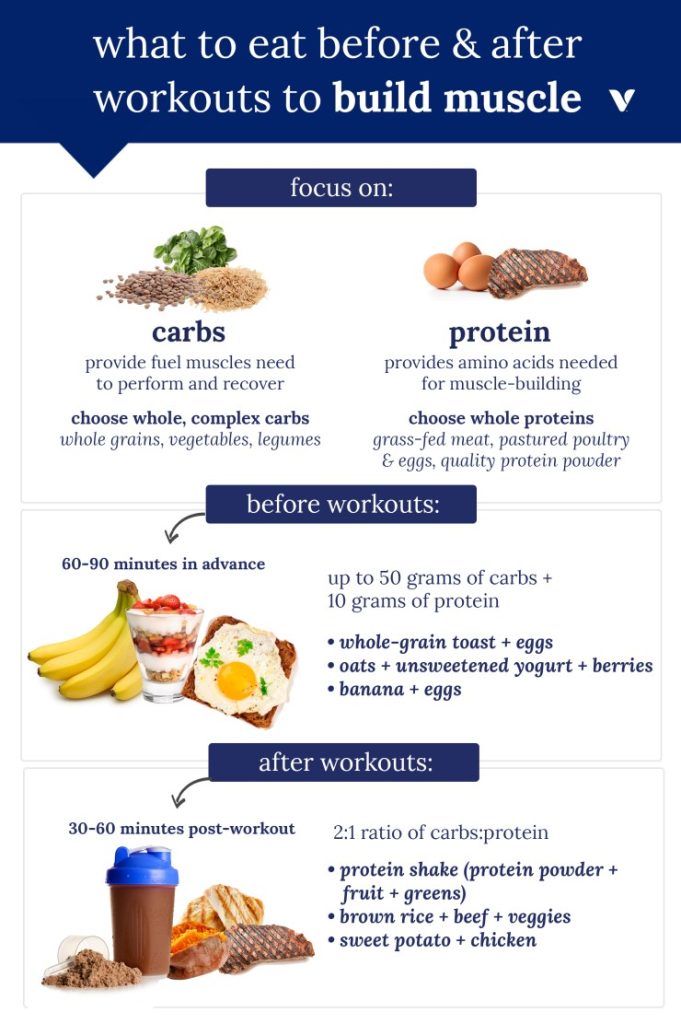
Credit: whatsgood.vitaminshoppe.com
Frequently Asked Questions
Is It Good To Eat Sugar After Working Out?
Eating sugar post-workout can help replenish glycogen levels and boost recovery. Pair with protein for better results. Choose natural sugars like fruits for a healthier option. Moderation is key to avoid excess calorie intake.
What Should I Eat After A Workout To Build Muscle?
Eat lean proteins like chicken or tofu and complex carbs such as brown rice or sweet potatoes. Include healthy fats from nuts or avocado. Hydrate with water or a protein shake. These foods aid muscle recovery and growth effectively.
Is Sugar Beneficial Post-workout For Muscle Growth?
Consuming sugar post-workout can replenish glycogen stores quickly, aiding recovery. However, it doesn’t directly build muscle. Pair sugar with protein for effective muscle repair and growth. Moderation is key, as excessive sugar can lead to unwanted fat gain.
How Does Sugar Impact Workout Recovery?
Sugar helps restore energy levels by quickly replenishing glycogen stores. This can enhance recovery and performance in subsequent workouts. It’s best combined with protein to support muscle repair. Balancing sugar intake is crucial for avoiding negative health effects.
Conclusion
Eating sugar post-workout can support muscle recovery. It helps replenish glycogen stores quickly. This aids in muscle repair and growth. Balancing sugar with protein is crucial. It maximizes muscle-building benefits. Always consider your overall diet and goals. Everyone’s body responds differently to sugar intake.
So, listen to your body. Experiment to find what works best for you. A balanced approach ensures effective muscle development. Stay mindful of your nutrition choices. Make informed decisions for optimal fitness results. Remember, moderation is key. Keep your health and fitness journey sustainable.